Carnation Leaf
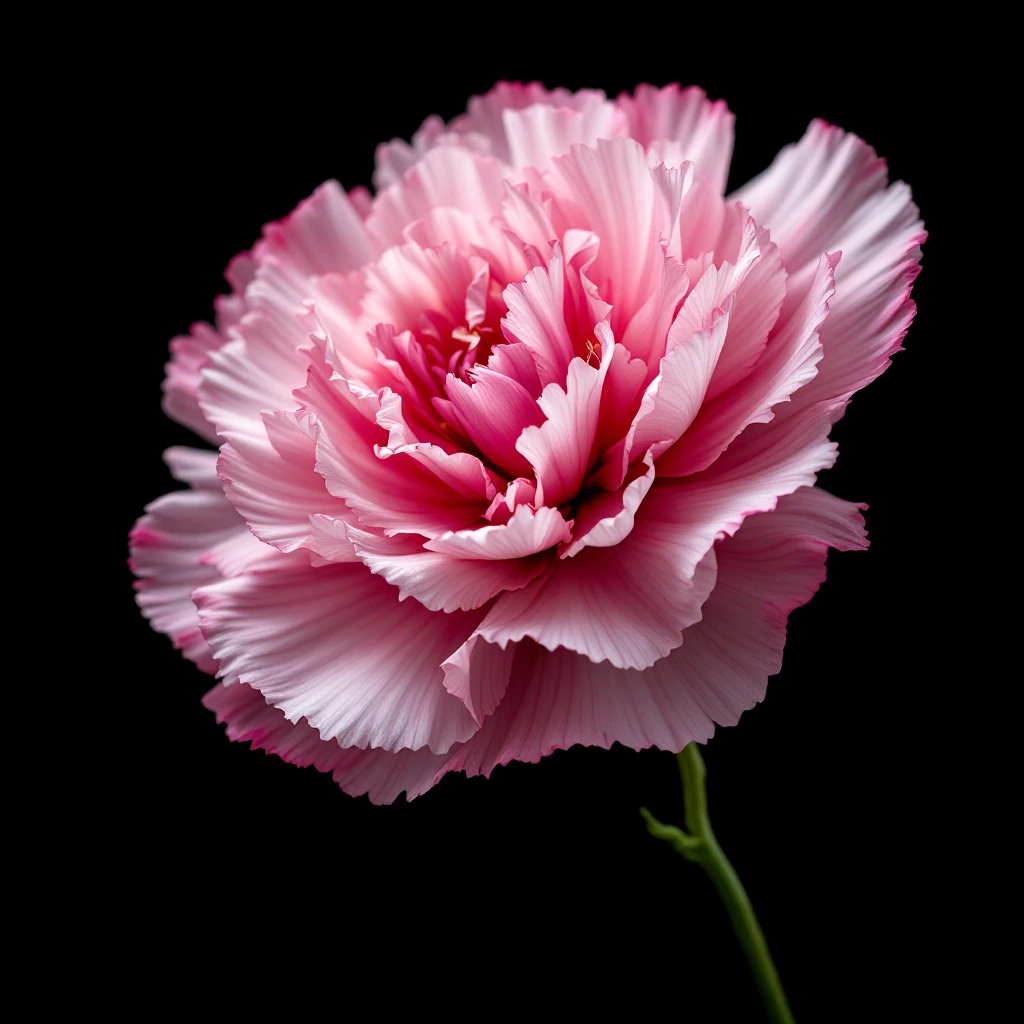
Carnation leaf brings an unexpected green complexity to perfumery, offering herbaceous, slightly spicy undertones that bridge the gap between floral and vegetative notes. Often overshadowed by its celebrated flower, the leaf carries a distinctive character that perfumers value for its grounding effect in compositions.
Character
How it smells
The unsung green heart of carnation perfumery.
Carnation leaf absolute is so rarely produced that most perfumers have never worked with it directly.



Origin
Mediterranean region
While carnation flowers secured their place in perfumery history through Coty's groundbreaking L'Origan in 1905, the leaf remained largely unexamined by early fragrance houses. The Mediterranean origins of Dianthus caryophyllus meant that traditional cultivation practices in France, Italy, and Spain involved careful tending of the entire plant, including foliage. French perfumers working in Grasse developed an informal understanding that leaf material contributed certain green, stabilizing qualities to carnation absolutes, though systematic leaf extraction did not emerge as a distinct practice.
The shift toward Egyptian production in the twentieth century created conditions for more experimental approaches to carnation processing, as producers sought to maximize yield from cultivated material. Today, carnation leaf exists primarily as a specialty ingredient, used by perfumers seeking to build original greenCarnations in their compositions rather than relying on conventional floral materials.
Wears it best
Fragrances featuring Carnation Leaf
Good to know
Questions, answered
The essentials on Carnation Leaf in perfumery: how it smells, where it comes from, and how it behaves on skin.
What does carnation leaf smell like?
Carnation leaf delivers herbaceous, green notes with subtle peppery undertones. It lacks the spicy clove character of carnation flowers, presenting instead as fresh, vegetative, and slightly bitter—like crushed garden foliage with a hint of spice.
Is carnation leaf commonly used in perfumery?
Carnation leaf remains a rare ingredient in modern perfumery. Most carnation extracts focus on flower material, making leaf absolute a specialty product available from only a handful of suppliers, primarily in Egypt.
How is carnation leaf different from carnation flower absolute?
Carnation leaf absolute lacks the characteristic spicy, clove-like warmth of flower absolute. Instead, it emphasizes green, grassy tones and a more vegetative quality that performs differently in fragrance compositions, often serving as a modifier for other green materials.
Can carnation leaf be extracted at home?
Home extraction of carnation leaf is not practical. The process requires industrial-grade solvents, precise temperature control during extraction, and post-processing equipment for purification that exceed what is feasible outside a professional laboratory.
What fragrances feature carnation leaf?
Carnation leaf appears primarily in artisanal and niche fragrances that emphasize green or botanical themes. Major commercial releases rarely list it specifically, though it may contribute to the green undertones in certain carnation-forward compositions.
Why did carnation leaf remain underutilized historically?
Carnation leaf received minimal attention because perfumers focused on the flower, which offered more immediately appealing spicy floral notes. Leaf extraction technology also lagged behind flower processing techniques, making the material less accessible.
Does synthetic carnation leaf exist?
Synthetic alternatives to carnation leaf do not currently exist in the fragrance industry. Green scent synthetics like cis-3-hexenyl compounds may approximate certain aspects but cannot replicate the full aromatic profile of natural leaf material.
What regions produce carnation leaf absolute?
Egypt leads global production of carnation extracts including leaf material. French production historically focused on flower absolutes from the south of France, but commercial-scale leaf extraction has concentrated in Egyptian facilities since the mid-twentieth century.