Caribbean Lime
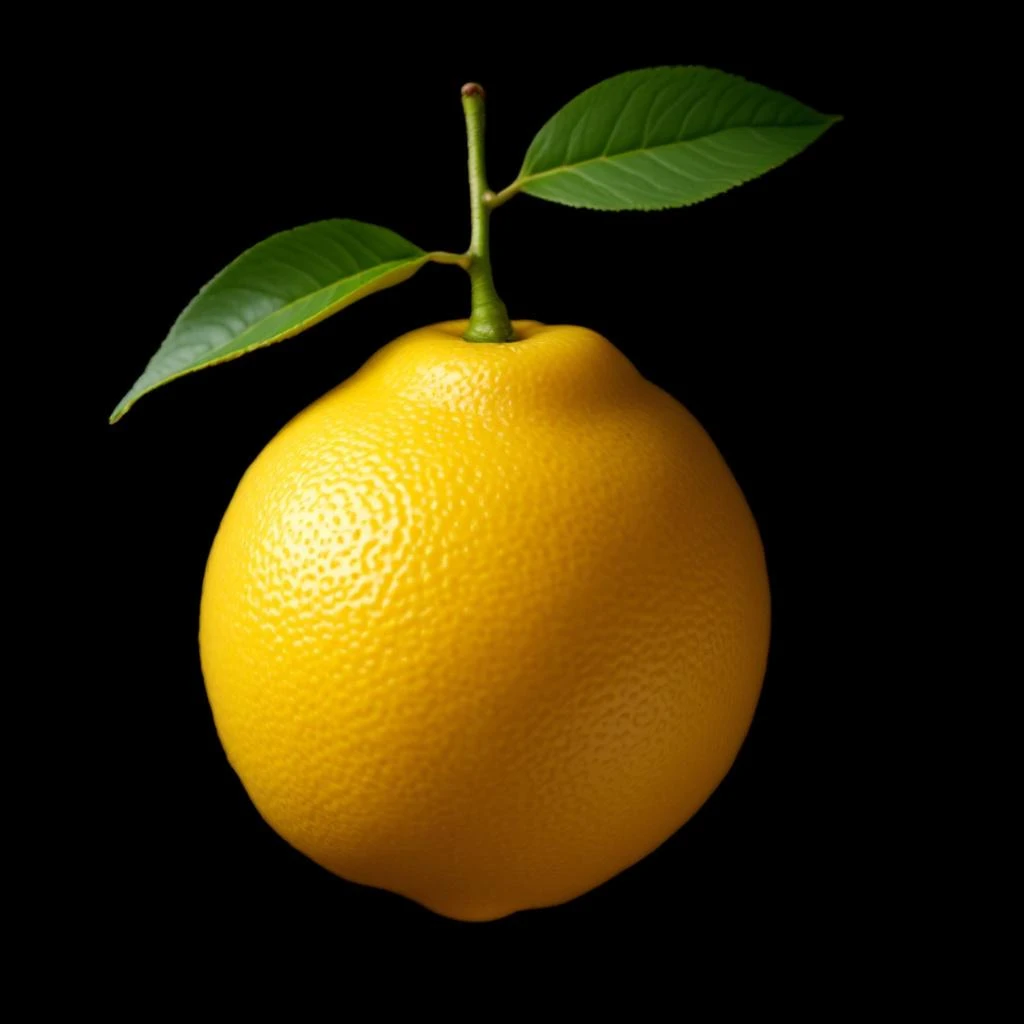
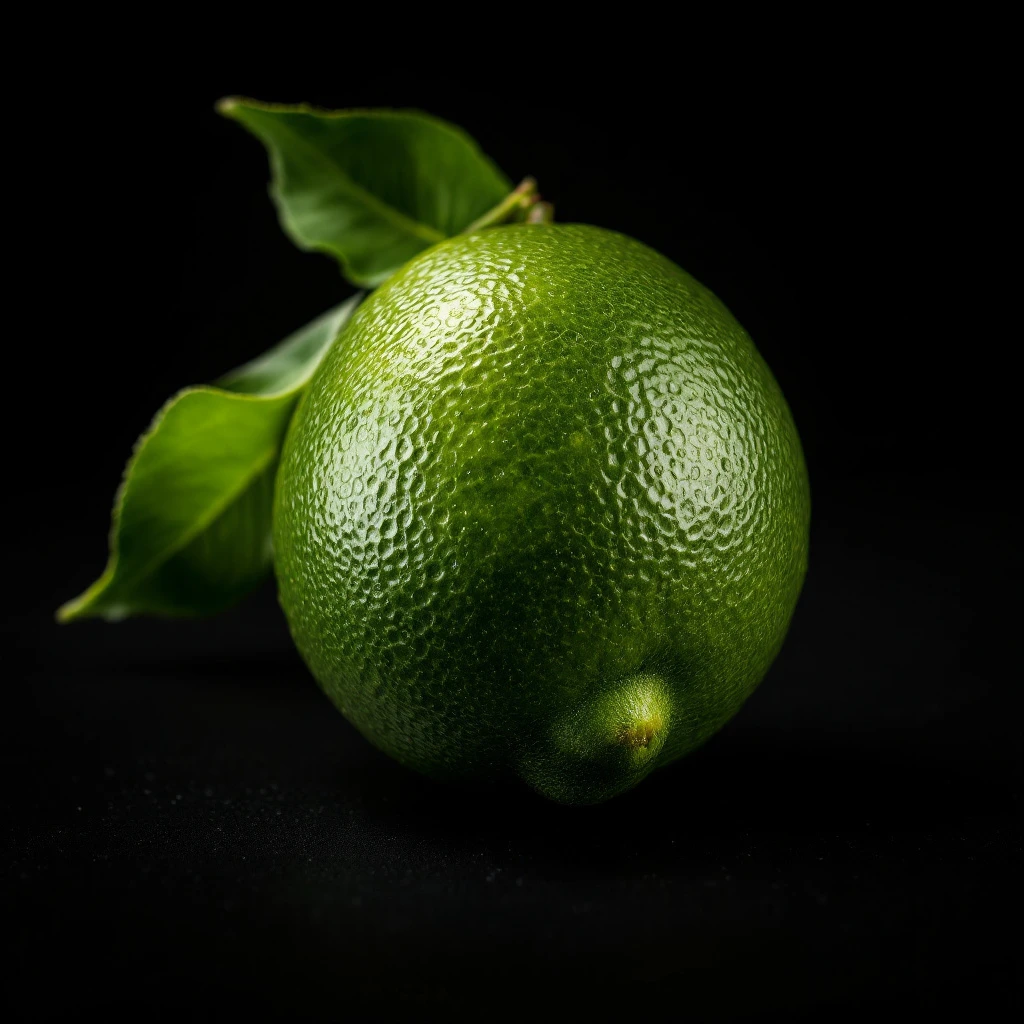
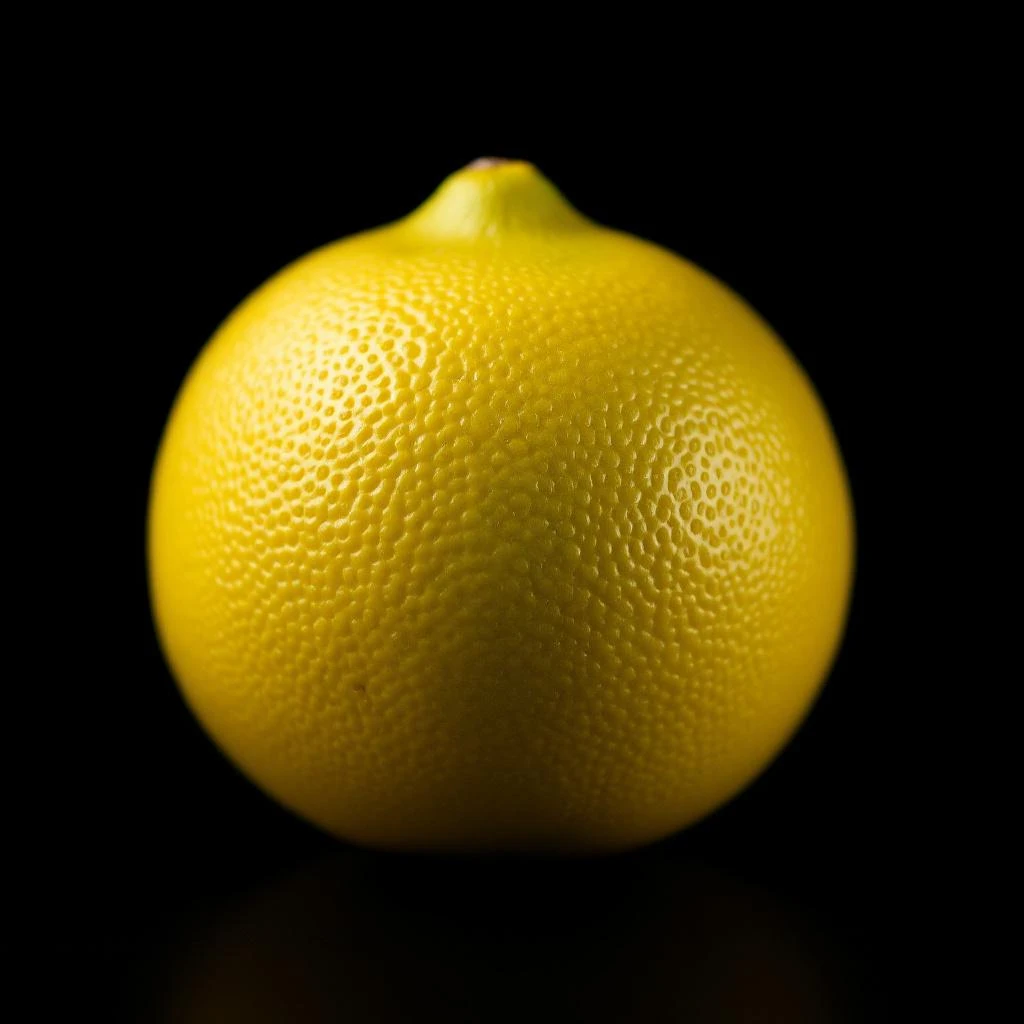
Caribbean Lime brings sharp citrus brightness to a fragrance, pairing green peel notes with a juicy, lightly floral lime heart.
Character
How it smells
Sunlit citrus with a cool green edge.
Lime reached Europe from Persia, and its citrus scent later became central to fresh cologne fragrances.

Origin
Colombia
Lime belongs to the citrus family, but its route into European perfumery was indirect. The fruit originated in South Asia and spread through Persia and the Middle East before reaching Europe and the Caribbean through trade and colonial movement. Its aromatic peel became useful to makers of scented preparations, culinary preparations, and citrus waters.
By the 18th century, the term cologne had become associated with fresh citrus fragrances made from distilled citrus extracts, establishing the visual and olfactory language of bright citrus perfumery. Lime also carries a documented Caribbean association, with present-day production in countries such as Colombia and Haiti. In modern fragrance work, lime is valued less for sweetness than for contrast: its acidic peel scent can cut through richer materials and lend a modern, transparent quality.
The Caribbean expression reflects the fruit's regional cultivation and the clean, green character that has made lime a familiar note in citrus-led fragrances.
Wears it best
Fragrances featuring Caribbean Lime

Brands
Brands known for Caribbean Lime
Good to know
Questions, answered
The essentials on Caribbean Lime in perfumery: how it smells, where it comes from, and how it behaves on skin.
What does Caribbean Lime smell like?
Caribbean Lime smells tart, juicy, and green, with a bright citrus peel accent and a faint floral edge. Its characteristic sharpness comes mainly from volatile compounds in the fruit peel.
Is Caribbean Lime the same as key lime?
Yes, Caribbean Lime commonly refers to Citrus aurantifolia, also called key lime or Persian lime. Regional names vary, but the fragrance ingredient is generally derived from the fruit peel.
Where is Caribbean Lime grown for fragrance?
The Caribbean is an important growing region, and Colombia is a notable producer of distilled lime ingredients. Mexico, Peru, Haiti, and Brazil also contribute to global lime oil production.
How is lime essential oil extracted?
Lime oil is commonly cold-pressed from the peel, preserving a vivid fruit-and-green character. Steam distillation is also used when perfumers need a cleaner, more concentrated citrus expression.
Which part of the lime fruit is used in perfume?
Perfumers primarily use the outer fruit peel, where most of the volatile aromatic compounds occur. The juice contributes acidity to the scent, but it is not the main extraction source.
What fragrance family does lime belong to?
Lime belongs to the citrus fragrance family, defined by peel-derived notes that appear fresh, tart, and sparkling. In finished compositions, it often functions as a bright opening accent.
Does lime oil come from squeezing the fruit?
Cold-pressed lime oil is produced by expressing the peel, not by squeezing the whole fruit for juice. During processing, peel and juice may be separated before the aromatic oil is recovered.
Why is lime important in cologne fragrances?
Fresh citrus became central to 18th-century cologne, and lime continues to provide a clean, tart lift. One specific advantage is its green peel nuance, which adds structure as well as brightness.