



Heritage
A house, in its own words
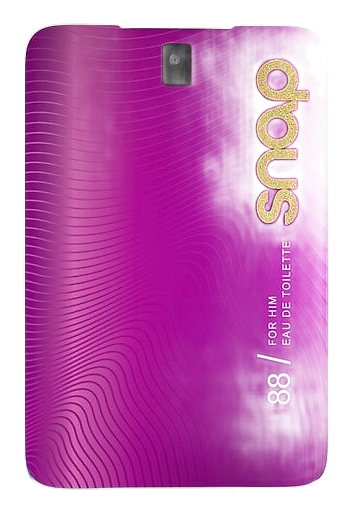
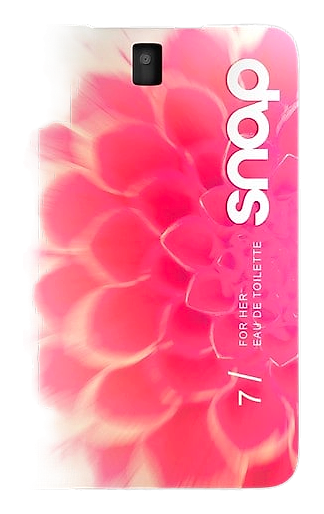
The verifiable history of Snap Perfume is brief and centered on its catalogue. Six notable fragrances are recorded for 2014: Snap 88 For Him, Snap 1 For Him, Snap 1 For Her, Snap 88 For Her, Snap 7 For Her and Snap 7 For Him. These names establish the brand’s recognizable organizing idea, pairing the Snap name with a number and a gender designation. The 2014 release record also places the range within the era when fragrance houses were expanding their collections through paired compositions, reworked classics and concept-led scent families. Snap Perfume did not describe itself through a long institutional history in the material reviewed, and no founder, original house name, country of origin or independently verified founding narrative could be established from the supplied sources. It would therefore be misleading to assign the brand an invented lineage. Its history is best understood through the documented debut of its numbered range in 2014 and the distinct identities created by combining numbers with gendered editions. The restrained approach makes the catalogue itself the central heritage of the house: a system built around Snap 1, Snap 7 and Snap 88, each appearing in both for-him and for-her versions. This dual-gender structure reflects a common route for contemporary perfume brands seeking to offer choice without creating an entirely separate visual and verbal identity for each market. Snap Perfume’s creative philosophy is most clearly expressed through naming and curation. Numbers provide an economical way to position each scent as part of a coherent series rather than as an isolated product. Snap 1, Snap 7 and Snap 88 form a compact vocabulary that makes room for different olfactory personalities while preserving a strong house signature. The paired for-him and for-her editions add another layer to that system, giving buyers a direct route into the range while still distinguishing each release by audience. This clarity is especially relevant to fragrance discovery, where naming, packaging and catalogue organization often shape first impressions as much as the formula does. The available research does not support claims about a particular creative director, perfumer, sourcing standard or artistic manifesto, so the house should not be credited with intentions that cannot be verified. What can be observed is a deliberate preference for directness. The brand name is a single word, the collection uses a single repeated term, and individual fragrances are identified by memorable figures. That visual restraint suggests a philosophy built on recognition, comparison and repeatability rather than elaborate narrative. Within the limited documentary record, the numbered range stands as the clearest expression of the brand’s point of view.