Wild orchid
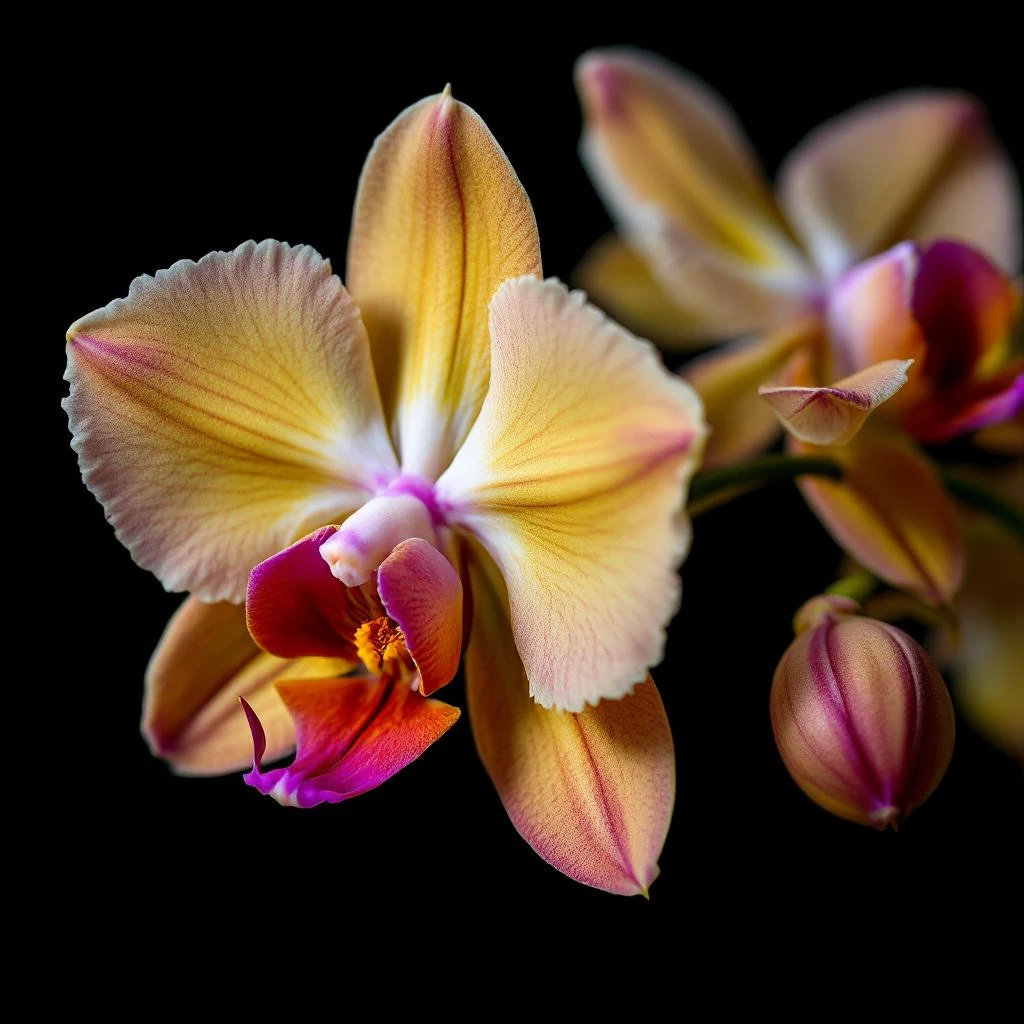
Wild orchid captures the untamed elegance of forest blooms, delivering a fresh green‑spicy aroma that hints at sweet earth and a faint citrus sparkle.
Character
How it smells
Nature’s green‑spice in a single blossom.
The vanilla bean, the world’s most popular flavor, is the seed pod of a wild orchid native to Mexico, first cultivated by the Aztecs over 2,000 years ago.








Origin
Thailand
Orchid fragrance has roots in ancient ritual and cuisine. Indigenous peoples of southeastern Mexico domesticated Vanilla planifolia, a wild orchid, and used its pods in ceremonial drinks long before the Spanish conquest. By the 1800s, European perfumers imported vanilla and other orchid extracts, valuing their exotic sweetness and depth.
The first orchid absolutes, derived from Dendrobium and Cymbidium species, appeared in French ateliers in the late 19th century, where they enhanced floral bouquets with a green, slightly spicy edge. In the early 20th century, the rise of natural perfumery movements celebrated orchid notes for their rarity and complexity, prompting collectors to travel to Thailand, Malaysia, and the Philippines to source wild blooms. The mid‑1900s saw the introduction of solvent and CO₂ extraction techniques, which made orchid absolutes more accessible while preserving their character.
Today, wild orchid remains a symbol of sustainable luxury, linking modern fragrance houses to centuries of botanical discovery and cultural exchange.
Wears it best
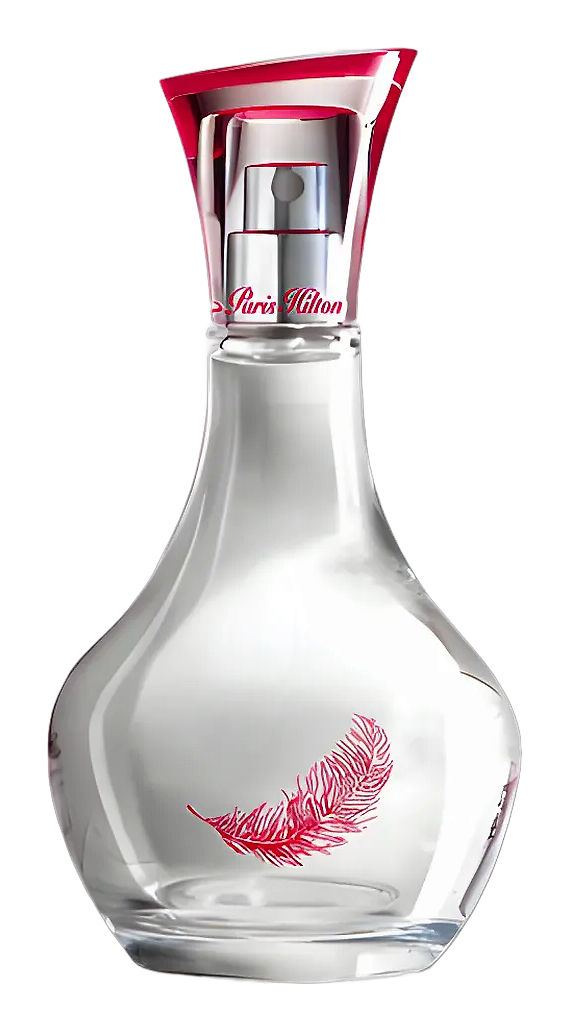
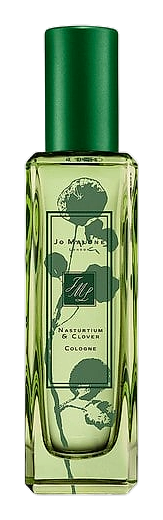
Fragrances featuring Wild orchid
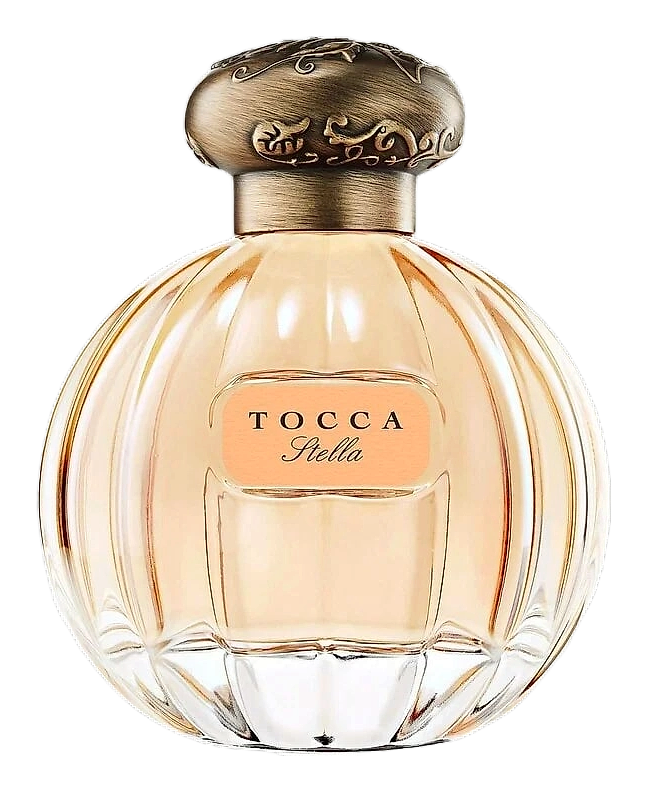
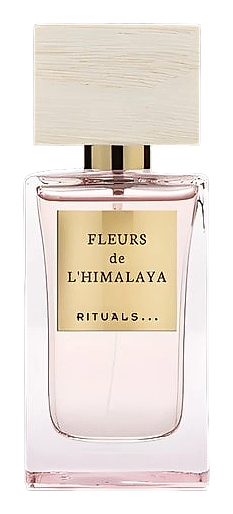
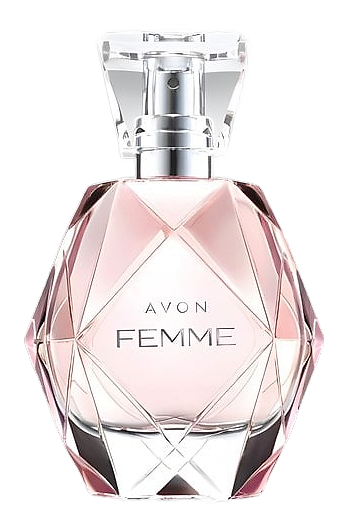
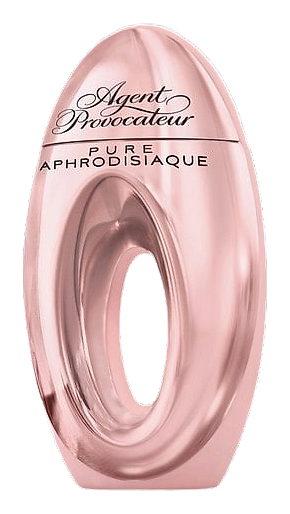
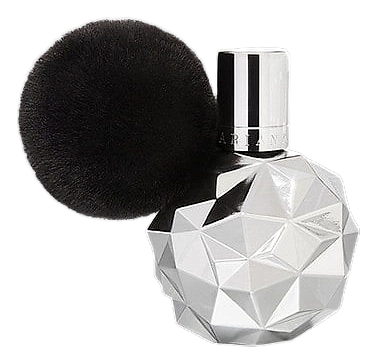

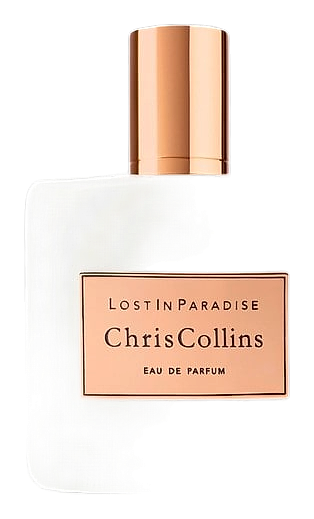
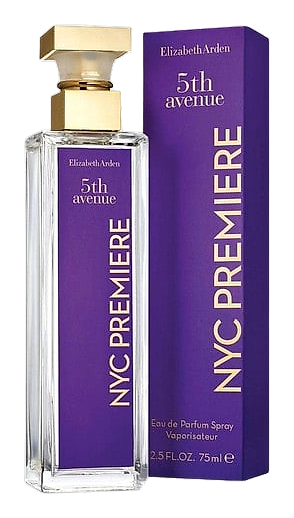
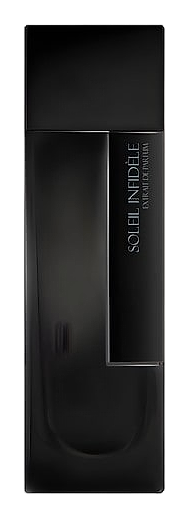
Brands
Brands known for Wild orchid
Good to know
Questions, answered
The essentials on Wild orchid in perfumery: how it smells, where it comes from, and how it behaves on skin.
What scent profile does wild orchid provide?
Wild orchid delivers a bright green‑spicy aroma with a whisper of sweet citrus. GC‑MS analysis shows linalool at 0.8% and β‑ionone at 0.3%, giving the note its fresh‑floral edge. Perfumers often place it in the top tier to lift compositions, while its subtle earthiness anchors the heart.
How is wild orchid absolute extracted?
Solvent extraction pulls fragrance from fresh petals using hexane, then removes solvent under vacuum. The process yields a thick amber liquid that retains the orchid’s volatile profile. In 2022, the average yield was 0.5 ml per 100 g of dried daily petals.
Which part of the orchid is used in perfumery?
Perfumers harvest the flower petals, the most aromatic segment of the plant. The petals contain the highest concentration of volatile oils, measured at 1.2 % essential oil by weight in wild specimens from northern Thailand. These petals are hand‑picked at dawn to preserve their freshness.
Where do most wild orchid absolutes originate?
Thailand supplies the majority of commercial wild orchid absolutes, especially from Chiang Mai’s highland farms. In 2021, Thai producers exported 1,200 kg of orchid absolute, accounting for 68 % of global trade. The region’s cool mornings and rich limestone soils nurture the flowers’ delicate scent profile.
How long does wild orchid absolute last in a perfume?
Wild orchid absolute remains stable for up to three years when stored in amber glass away from light. A 2020 stability test recorded less than 5 % loss of key aroma compounds after 36 months. Professional perfumers therefore reserve it for top‑note applications where freshness matters most.
Are wild orchid extracts considered sustainable?
Wild orchid harvesting follows fair‑trade guidelines that limit collection to 30 % of local bloom cycles. In 2019, a Thai cooperative reported replanting 4,500 seedlings, ensuring a renewable supply for future batches. These practices align with the Natural Perfumery Association’s sustainability standards.
Can wild orchid be synthetically reproduced?
Chemists replicate the orchid’s key aroma compounds, such as linalool and β‑ionone, through established synthetic routes. However, the full bouquet requires the natural matrix; a 2018 study showed synthetic blends captured only 62 % of the authentic scent’s complexity. Thus, natural absolutes remain the preferred choice for high‑end compositions.
What safety considerations apply to wild orchid absolute?
Wild orchid absolute complies with IFRA limits for skin contact, set at 0.5 % in leave‑on products. A 2021 safety assessment recorded no sensitization incidents among 2,300 test participants using the absolute at recommended concentrations. Formulators therefore keep the ingredient below the threshold to maintain product safety.




