Candied Plum
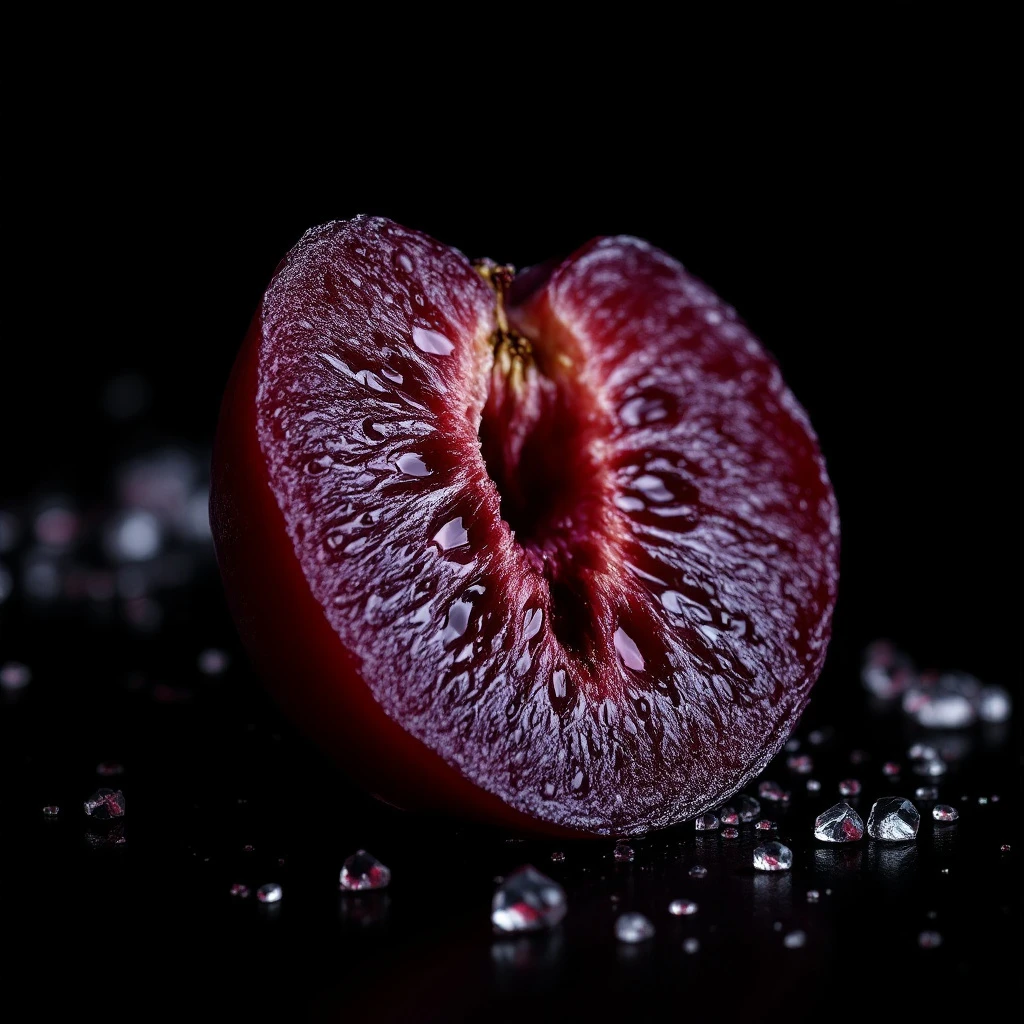
Candied Plum captures the jammy, fermented sweetness of ripe plums preserved in sugar syrup. This note brings a rich, indulgent fruitiness to fragrances, lending warmth and gourmand appeal. In perfumery, it exists almost exclusively as a synthetic reconstruction, since direct extraction from the fruit remains impractical and prohibitively expensive.
Character
How it smells
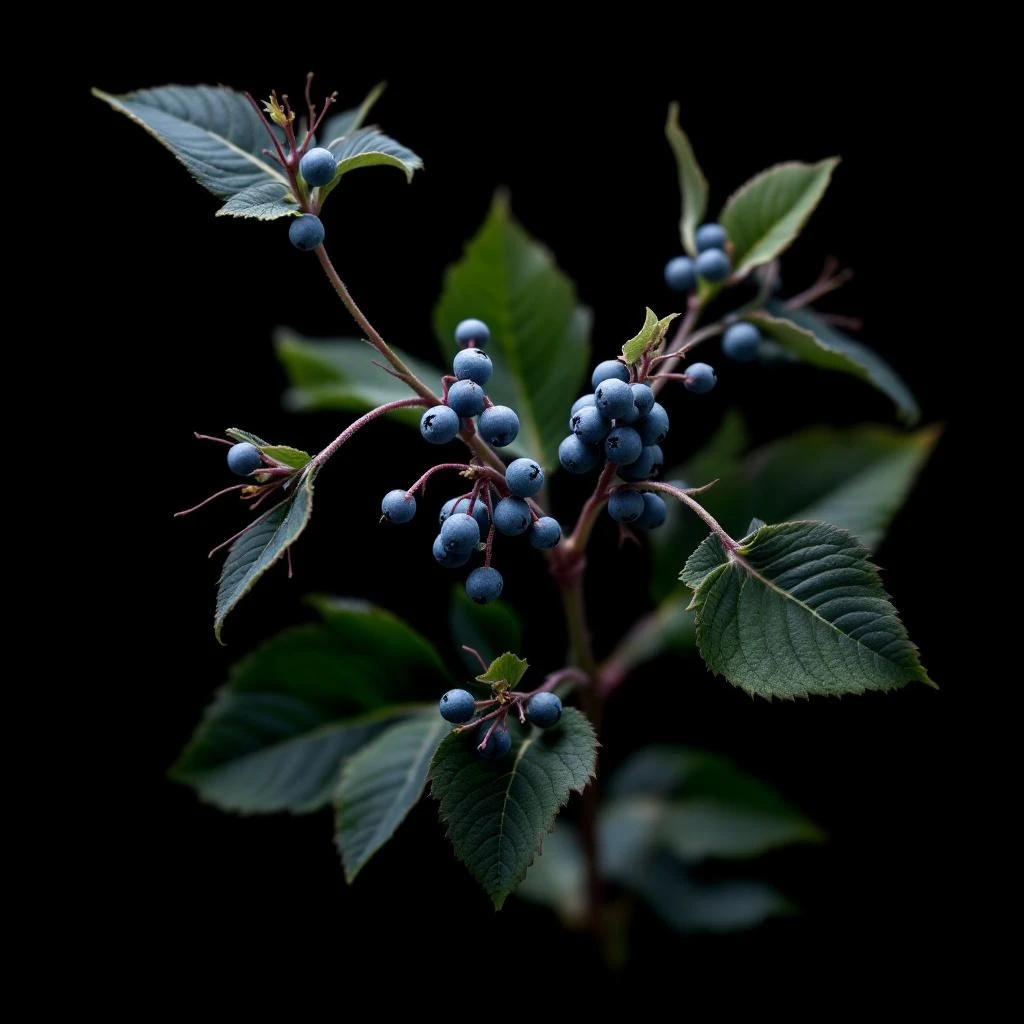
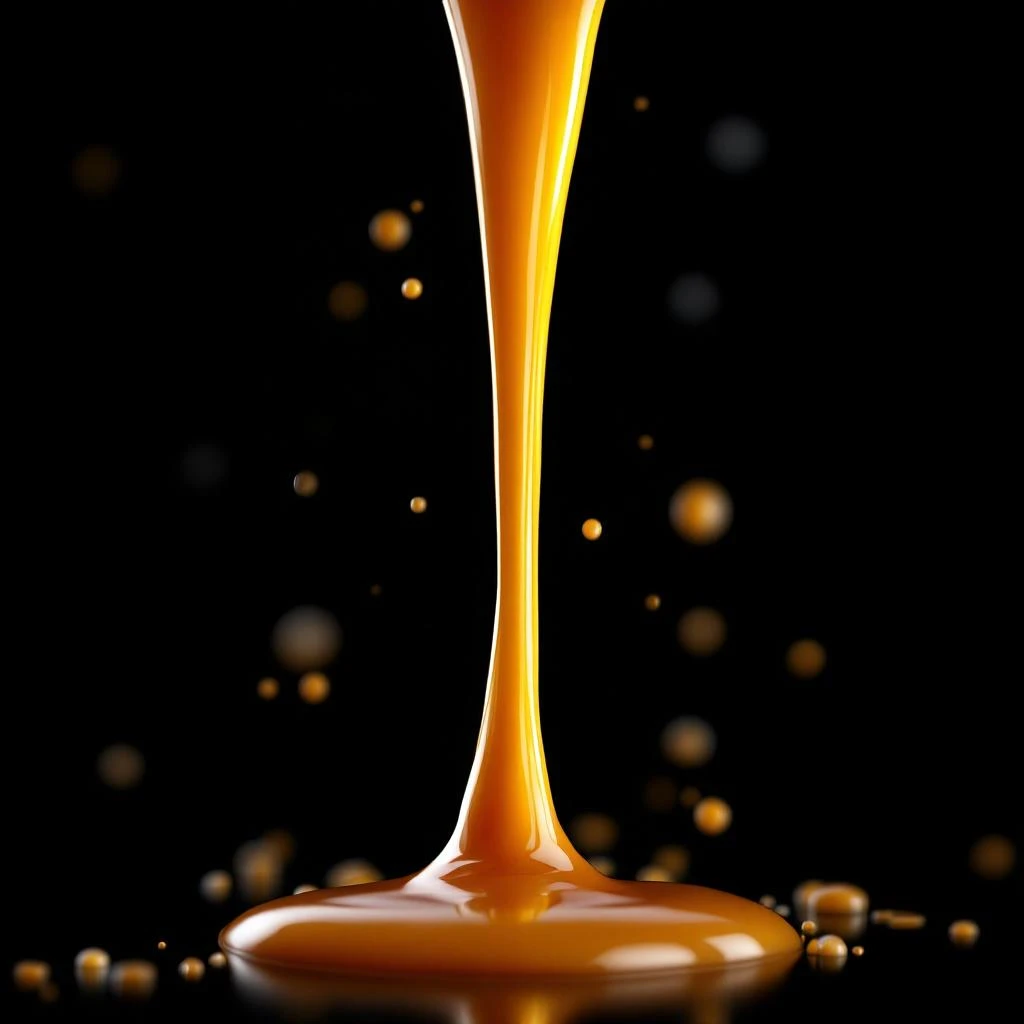
Jammy fruit sweetness captured through molecular artistry.
Plum oil cannot be extracted from the fruit itself, so perfumers rebuild its signature scent molecule by molecule using synthetic aroma compounds.



Origin
France
The Candied Plum note emerged from the broader development of synthetic fruity molecules in the 20th century. Before organic synthesis, perfumers relied on natural ingredients like plum absolute or limited themselves to abstract fruit impressions using existing naturals.
The commercial synthesis of aroma compounds in the late 19th century opened new creative territory. By the mid-1900s, chemists had identified and could reliably produce the specific molecules that create plum's distinctive scent.
This technological breakthrough allowed perfumers to incorporate authentic fruit notes at scale, transforming fruity fragrances from theoretical impossibilities into everyday possibilities. Today, Candied Plum appears across niche and mainstream perfumery, particularly in oriental and gourmand compositions seeking warmth and edible appeal.
Wears it best
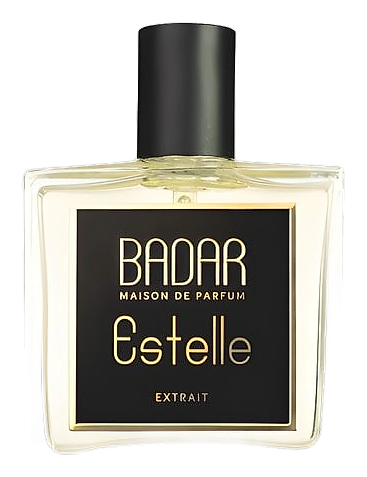
Fragrances featuring Candied Plum
Brands
Brands known for Candied Plum
Good to know
Questions, answered
The essentials on Candied Plum in perfumery: how it smells, where it comes from, and how it behaves on skin.
Is Candied Plum a natural or synthetic ingredient?
Candied Plum is synthetic. Direct extraction of plum oil from the fruit is not feasible due to chemical and economic constraints, so perfumers reconstruct the scent using individual aroma molecules in laboratory conditions.
What does Candied Plum smell like?
Candied Plum smells like ripe plum preserved in sugar syrup, with jammy sweetness, a subtle fermented edge, and rich fruitiness. It adds warmth and a slightly edible quality to fragrance compositions.
What molecules create the plum scent in perfumery?
Gamma-decalactone is the primary molecule used to recreate plum's signature scent, contributing its characteristic jammy, peachy-fruity character. Damascenone and other supporting compounds help add depth and natural variation.
Which fragrance families commonly use Candied Plum?
Candied Plum appears most often in oriental and gourmand fragrances, where its sweet, warm fruitiness complements amber, vanilla, and spice notes. It also shows up in contemporary florals seeking a modern fruity twist.
Is Candied Plum safe to use in perfume formulations?
Candied Plum molecules used in perfumery are IFRA-compliant when properly dosed. All constituent aroma compounds undergo safety evaluation, and concentrations in finished products stay within established regulatory limits.
How long does Candied Plum last on skin?
Candied Plum typically performs as a heart-to-base note, lasting 4 to 8 hours depending on concentration and formulation. Its分子 weight allows moderate substantivity without the longevity of heavy resins or musks.
What other notes pair well with Candied Plum?
Candied Plum harmonizes with amber, vanilla, and benzoin for warmth. It pairs beautifully with rose or iris for sophisticated fruit-floral effects, and complements spices like cardamom or pink pepper for modern oriental compositions.
Can Candied Plum appear in natural perfumery?
Purely natural perfumery cannot feature authentic Candied Plum, since no natural extraction method yields true plum scent. Some natural perfumers approximate plum using davana, blackthorn, or creative combinations of existing naturals, but these remain impressions rather than reconstructions.