Candied Bergamot Zest
Bright candied bergamot zest brings citrus sparkle with a soft, syrupy sweetness, balancing fresh peel and warm, gently bitter depth.

Character
How it smells
Citrus brightness with a candied finish
Bergamot takes its familiar perfume identity largely from Calabria, a region long associated with citrus cultivation and peel-based aromatic products.





Origin
Italy
Bergamot, known botanically as Citrus bergamia, belongs to a citrus group with deep roots in Asia, including areas of northeast India, Myanmar, and southern China. Its documented history becomes especially clear in southern Italy, where bergamot cultivation became closely associated with Calabria during the early modern period. In the seventeenth century, small boxes were made from the peel and used to hold scented or aromatic goods, linking the fruit to established practices of preservation and fragrance handling.
Calabria later became the principal center for bergamot cultivation and oil production, giving the ingredient its distinctive place in European perfumery. Bergamot oil became valued as a source of fresh citrus lift, often described as a top note because its volatile character is perceived early in a fragrance. The candied interpretation builds on that established citrus profile, adding sweetness through composition while preserving the peel's characteristic brightness.
Its history therefore connects tropical citrus ancestry, Italian cultivation, and the European tradition of transforming fruit peel into a valued aromatic material.
Wears it best
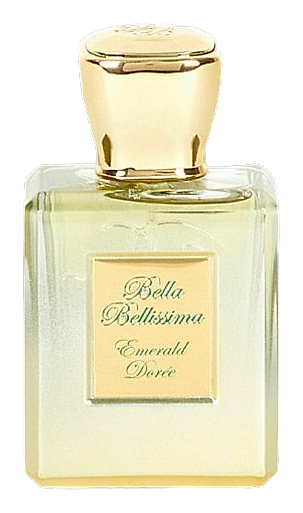
Fragrances featuring Candied Bergamot Zest
Brands
Brands known for Candied Bergamot Zest
Good to know
Questions, answered
The essentials on Candied Bergamot Zest in perfumery: how it smells, where it comes from, and how it behaves on skin.
What does candied bergamot zest smell like?
It combines the fresh, slightly bitter aroma of bergamot peel with a rounded, sweet impression reminiscent of candied citrus. The result is bright and clean, with a dessert-like softness rather than the sharpness of plain lemon.
Is candied bergamot zest a natural ingredient?
It is usually best understood as a fragrance description rather than one fixed natural substance. Perfumers may combine bergamot oil with other sweet materials or recreate the candied effect through carefully selected fragrance components.
Where does bergamot come from for perfume use?
Italy, especially Calabria, is the main historical center associated with bergamot cultivation and perfumery. Citrus bergamot has Asian ancestry, but Calabria is strongly linked to its established European fragrance identity.
How is bergamot oil made?
Bergamot oil is commonly produced by expressing the fruit peel, using pressure to release its volatile aromatic oils. This method differs from distillation because the oil is collected directly from the peel.
Why is bergamot used as a top note?
Bergamot has a volatile citrus profile that is perceived early, giving many fragrances an immediate fresh lift. Its peel-derived brightness then helps the composition feel open, clean, and energetic.
Does candied bergamot taste sweet when used in fragrance?
No. Fragrance ingredients are evaluated by smell, not taste. 'Candied' indicates a sweet aromatic impression created through the blend, while the bergamot component retains its characteristic citrus and bitter-peel nuances.
What notes pair well with candied bergamot zest?
It pairs naturally with vanilla, honey, amber, orange blossom, and soft woods. These materials can round its citrus brightness, while smoky or spicy notes can add depth and contrast to the candied profile.
Why was bergamot peel historically valued?
In the seventeenth century, peel boxes were made from bergamot fruit and used to hold aromatic goods. The practice reflects the peel's established value before modern perfumery standardized citrus oils as fragrance materials.