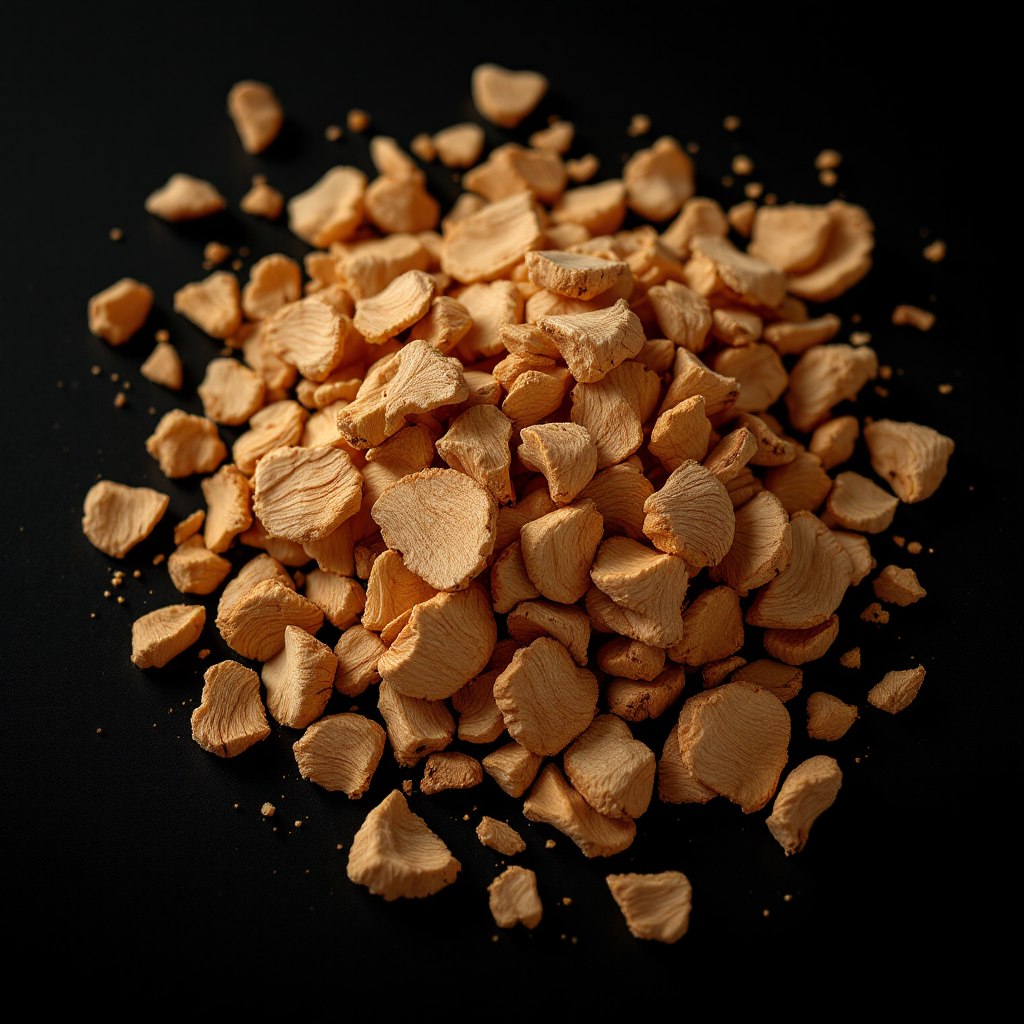
Canadian White Cedar
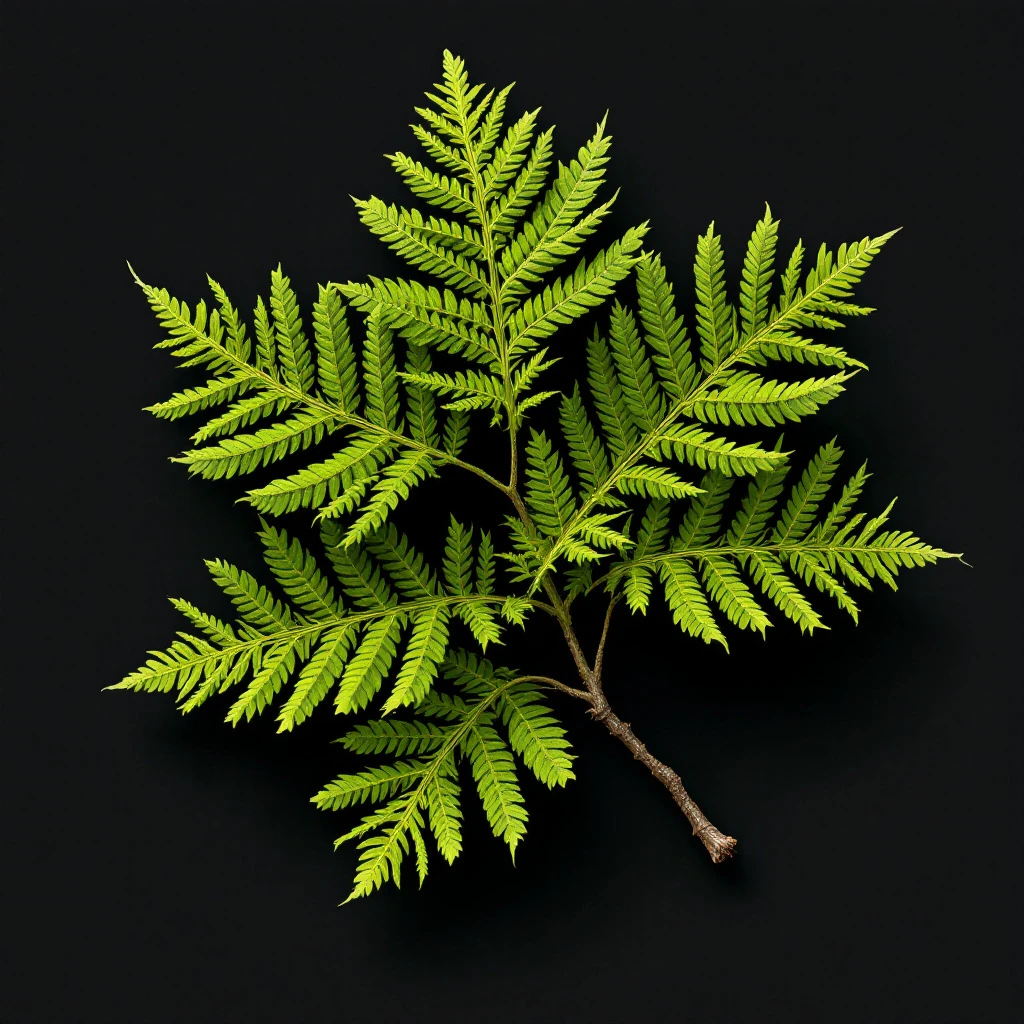
Canadian White Cedar brings a clean, pencil-shaving sharpness to perfumery. Distilled from the wood of Thuja occidentalis, it yields an essential oil prized for its crisp, coniferous clarity and subtle camphoraceous lift.
Character
How it smells
Crisp wood with a cold, clean bite
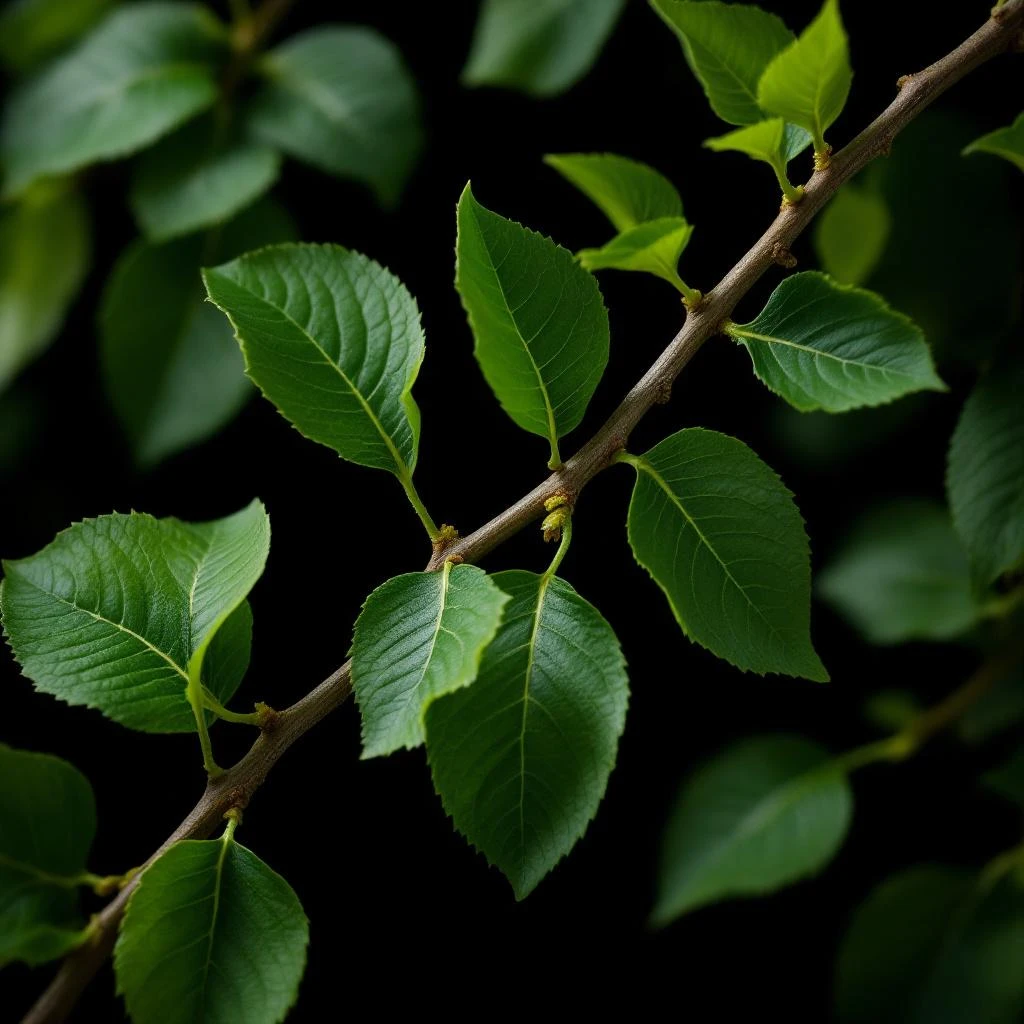
Unlike true cedars in the Cedrus genus, Canadian White Cedar belongs to the Thuja family, technically an arborvitae, yet its wood distillate shares that unmistakable cedar pencil character.





Origin
Canada
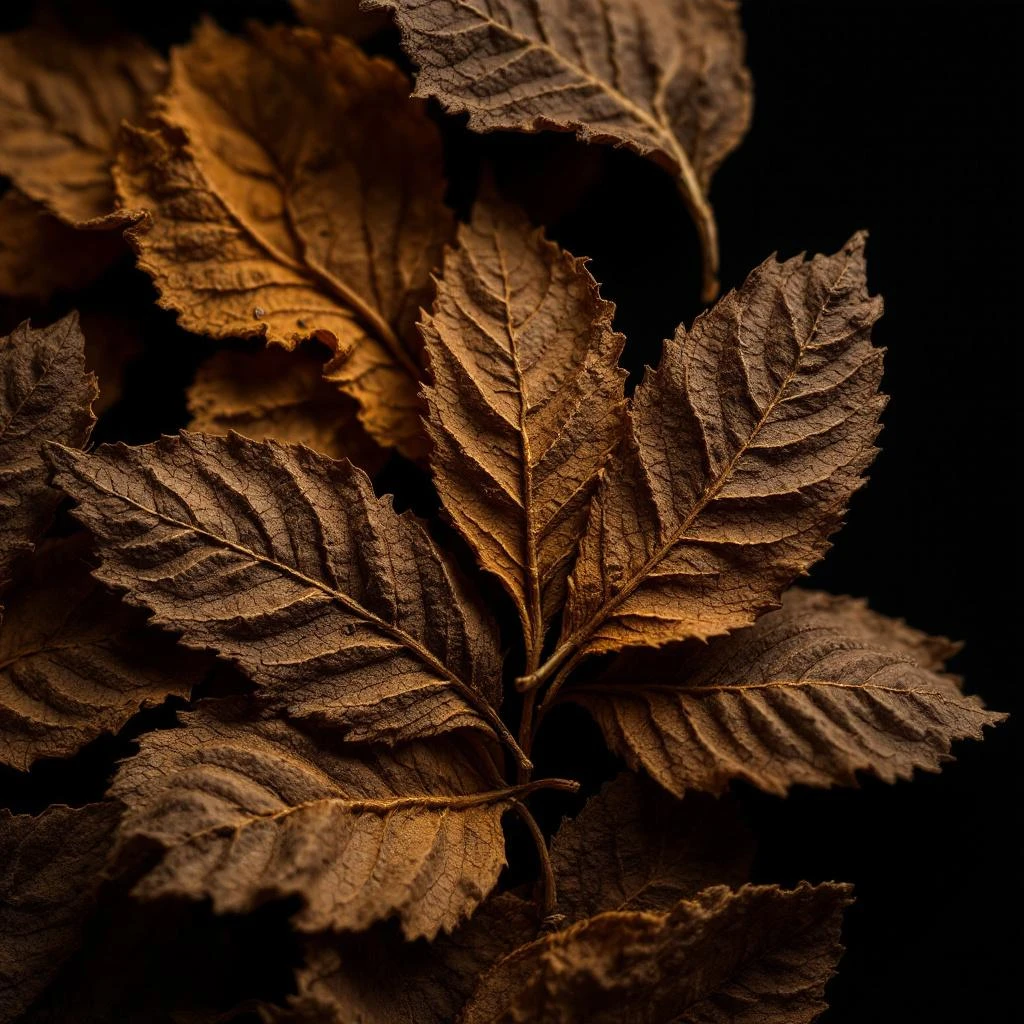
Cedarwood in its various forms has anchored perfumery for thousands of years, with the ancient Egyptians, Sumerians, and later Greeks and Romans incorporating cedar oils into ritual balms, embalming preparations, and early scent blends. Canadian White Cedar, specifically Thuja occidentalis, carries its own distinct cultural history rooted in Indigenous traditions across eastern North America.
The Haudenosaunee Confederacy and Algonquin peoples used its foliage and wood medicinally, burning it as incense in purification ceremonies and crafting longhouses from its rot-resistant timber. European settlers arriving in the 16th and 17th centuries documented the tree's aromatic properties and adopted it for similar purposes.
It was not until the rise of modern industrial perfumery in the 19th and 20th centuries that Thuja occidentalis wood oil entered the Western fragrance palette, valued as a lighter, crisper alternative to the heavier Atlas and Virginian cedarwood oils. Today it remains a supporting note in many masculine and unisex compositions, lending a distinctly North American coniferous accent that distinguishes it from its Old World relatives.
Wears it best
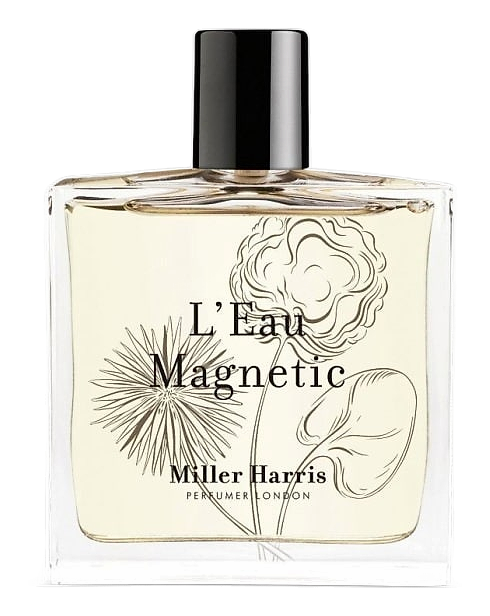
Fragrances featuring Canadian White Cedar
Brands
Brands known for Canadian White Cedar
Good to know
Questions, answered
The essentials on Canadian White Cedar in perfumery: how it smells, where it comes from, and how it behaves on skin.
What does Canadian White Cedar smell like in perfume?
It smells crisp, dry, and woody with a sharp pencil-shaving character. The oil carries distinct green and camphoraceous undertones from thujone and bornyl acetate, giving it a lighter profile than Atlas or Virginian cedarwood.
How is Canadian White Cedar essential oil produced?
It is produced by steam distillation of chipped wood and heartwood from Thuja occidentalis trees. Pressurized steam ruptures the resin canals, releasing volatile compounds that condense into a pale yellow oil with a typically modest yield.
Is Canadian White Cedar a true cedar tree?
No. Despite its common name, Thuja occidentalis is an arborvitae in the cypress family, not a true cedar of the Cedrus genus. Its wood distillate simply shares the familiar sharp, woody aroma associated with cedarwood in perfumery.
What is the difference between Canadian White Cedar and other cedarwood oils?
Canadian White Cedar oil is lighter, sharper, and more camphoraceous than Atlas cedarwood or Virginian cedarwood. Its thujone content gives it a distinctly cool, almost medicinal edge that sets it apart from warmer cedar distillates.
When was cedarwood first used in perfumery?
Cedarwood oils have been used since ancient Egyptian and Mesopotamian times, with documented ritual and cosmetic applications over 4,000 years old. Canadian White Cedar specifically entered modern Western perfumery during the 19th and 20th centuries.
Is Canadian White Cedar oil safe for skin application?
Diluted Canadian White Cedar oil is generally considered safe in fragrance applications, but its thujone content warrants caution. Perfumers use it at low concentrations, and regulatory bodies restrict thujone levels in leave-on cosmetic products.
Where does Canadian White Cedar grow?
Thuja occidentalis grows natively across eastern Canada and the northeastern United States. It thrives in cool, moist climates and is commonly found in Quebec, Ontario, and the northern Appalachian region.
What fragrance families feature Canadian White Cedar?
It appears most often in woody, aromatic, and fougère compositions, where its crisp character adds lift to heavier base notes. It also works well in fresh cologne-style fragrances and outdoor-inspired scents.