Calamondin Peel
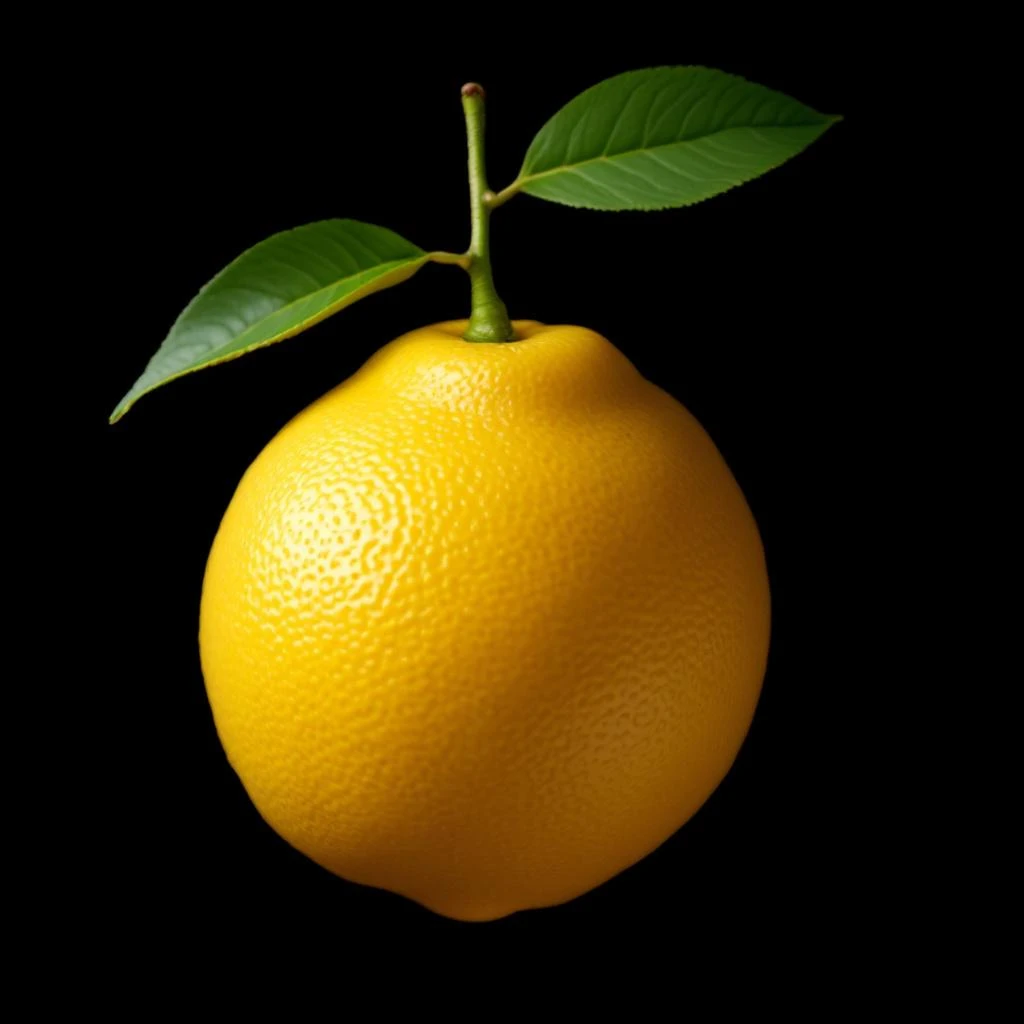
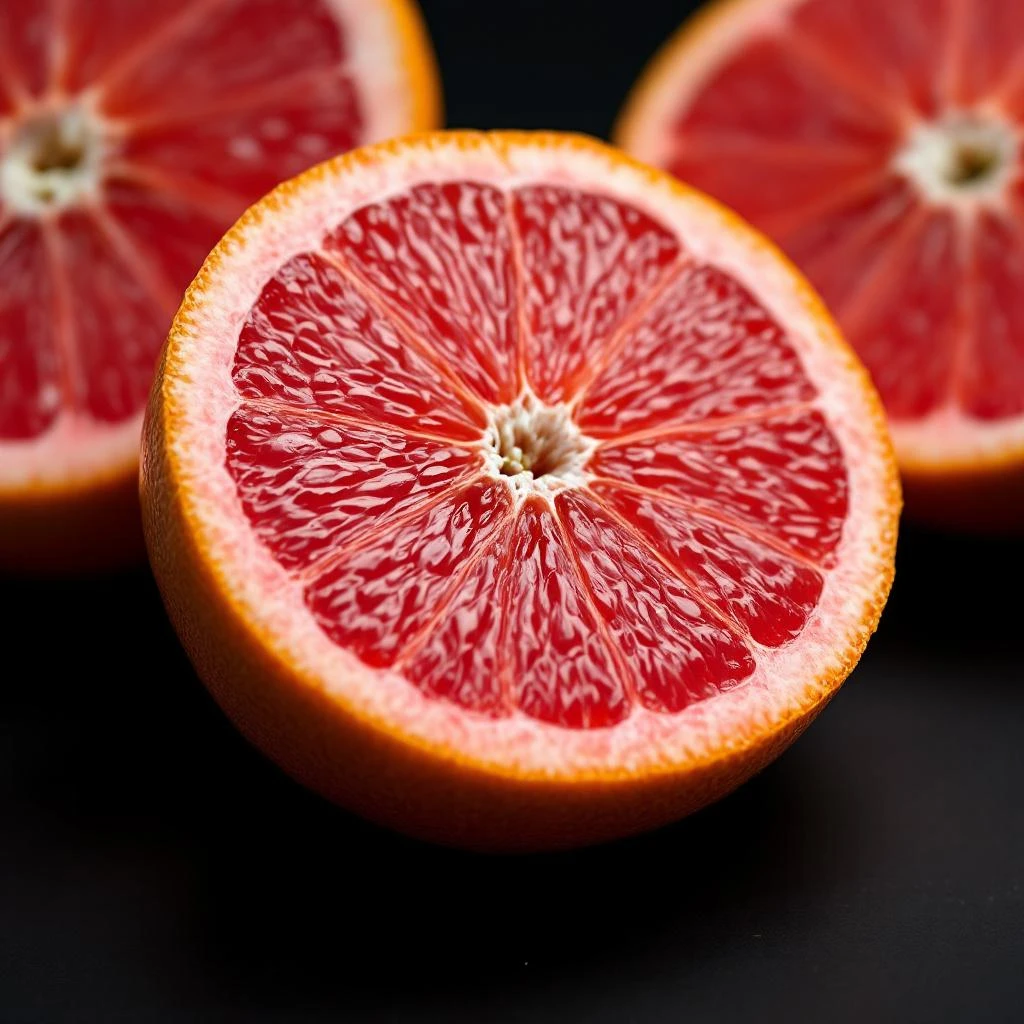
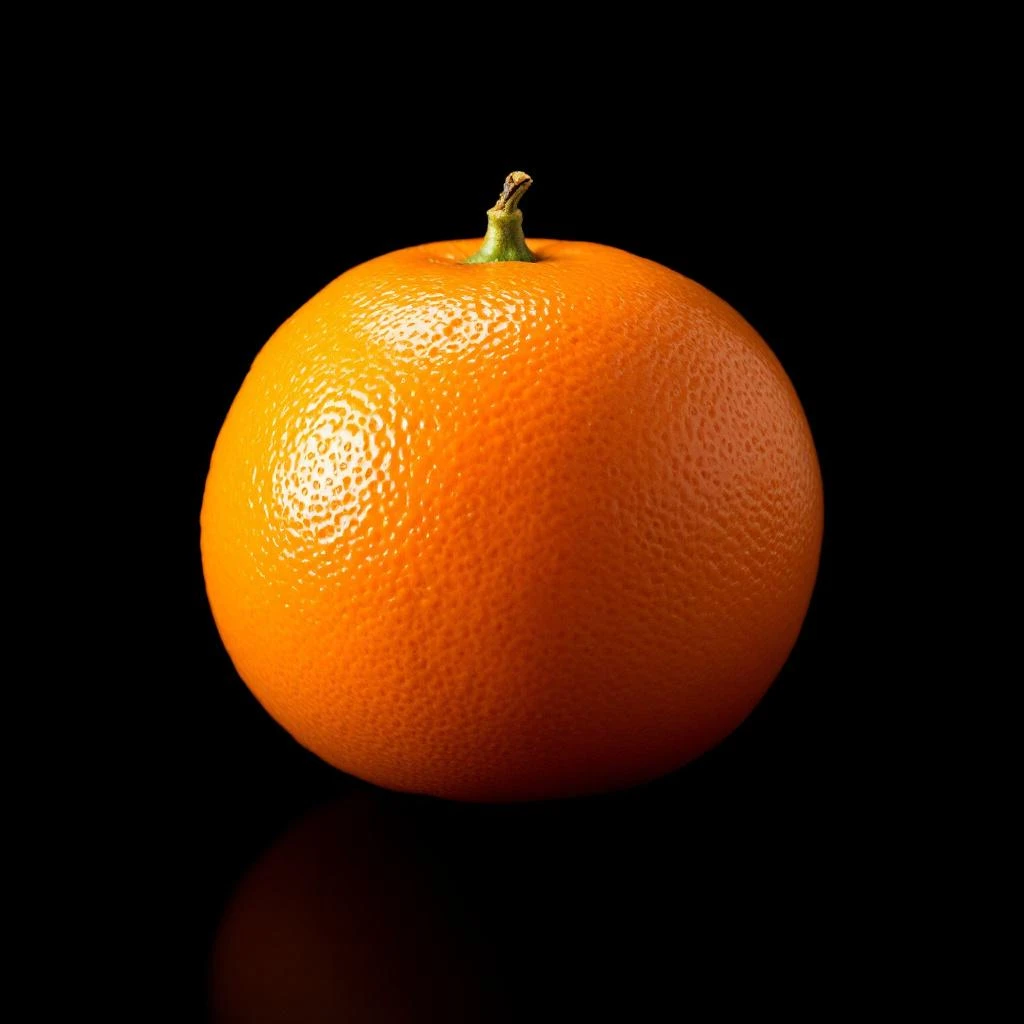
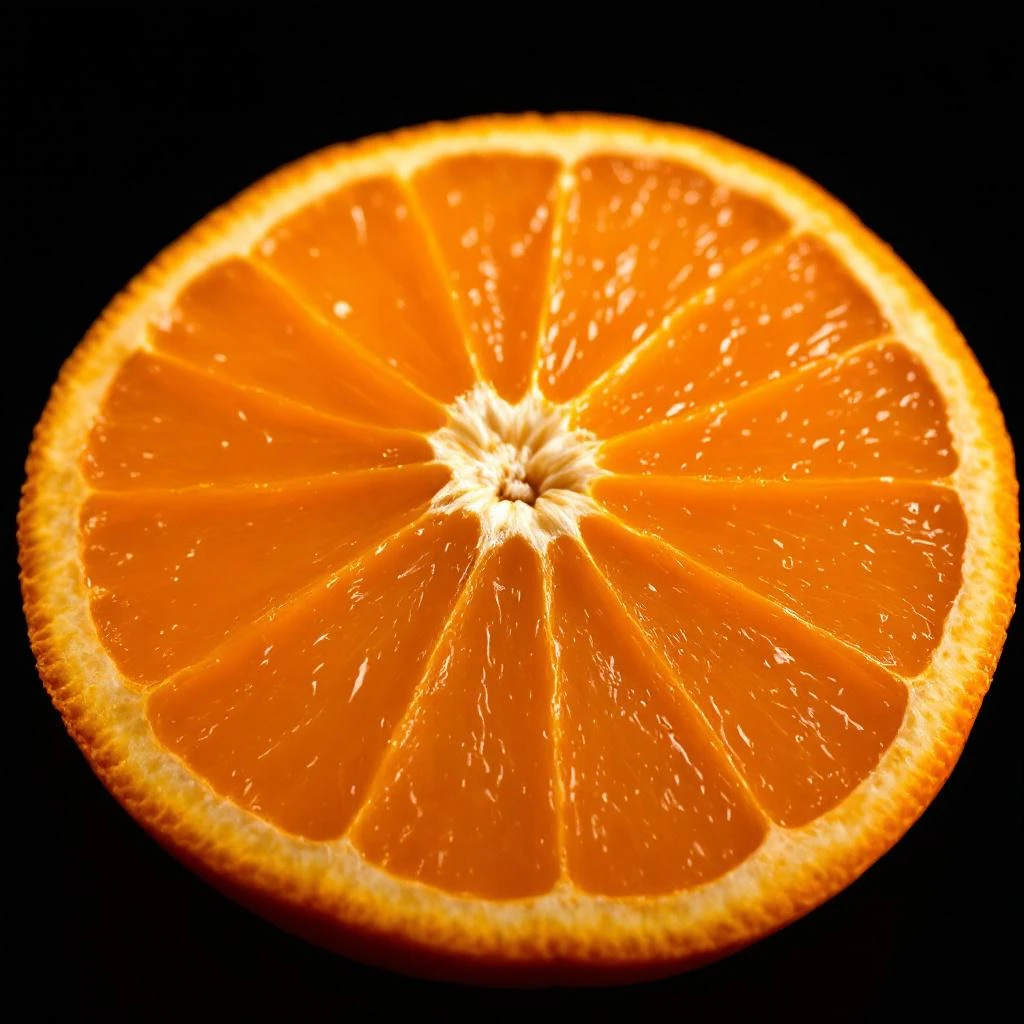
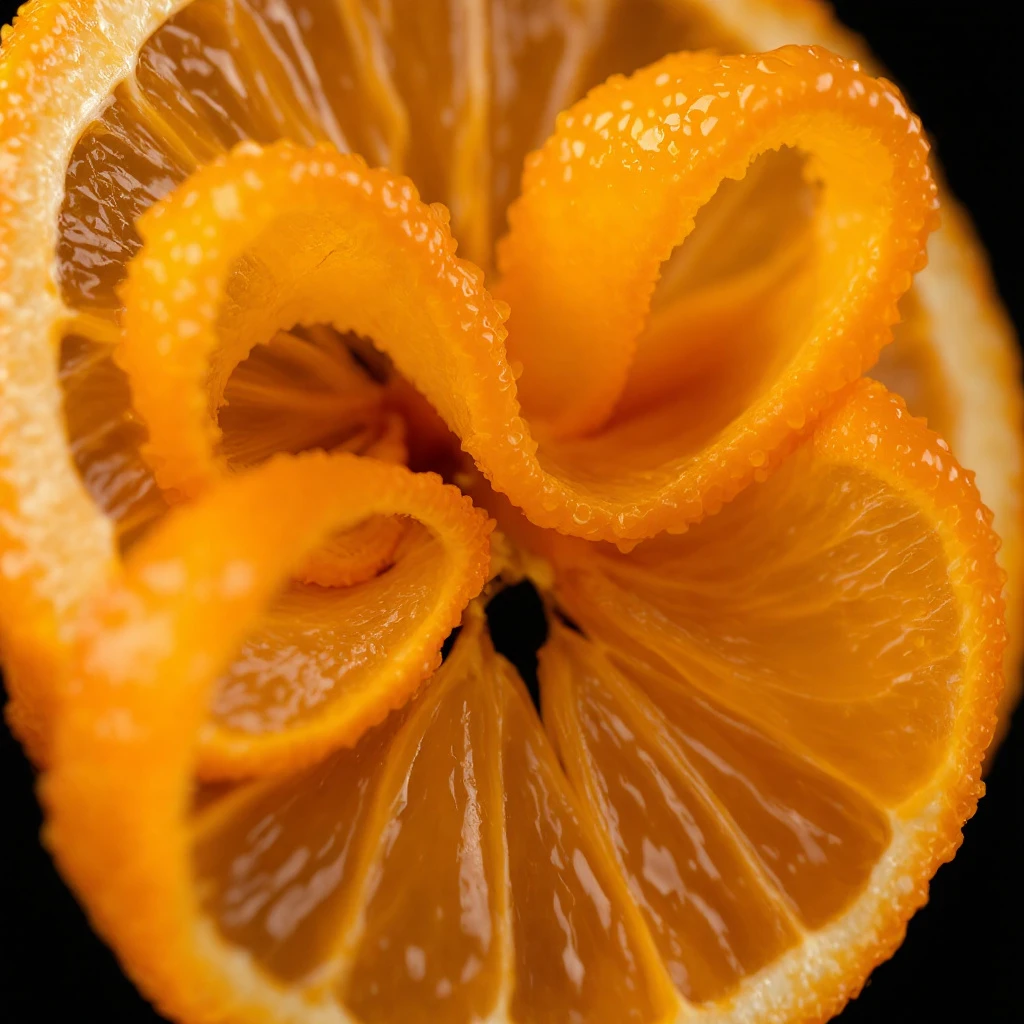
Calamondin peel delivers a sharp, sun-warmed citrus brightness with an unexpected tart edge, bridging the gap between mandarin and lime for compositions seeking electric top notes.
Character
How it smells
Sharp citrus with a tart, electric edge.
The peel oil contains roughly 77% limonene, one of the highest concentrations found in any citrus peel studied for perfumery.






Origin
Philippines
Calamondin, botanically classified as Citrofortunella microcarpa or Citrus microcarpa, is believed to be a natural hybrid originating in China, where it has been cultivated for centuries before spreading across Southeast Asia. The fruit arrived in the Philippines during Spanish colonial trade routes and became deeply embedded in local cuisine, medicine, and household fragrance traditions. Its botanical origins trace to a cross between a mandarin orange and kumquat, though its exact parentage remains debated among citrus geneticists.
In traditional Filipino households, calamondin peel was dried and used in potpourri, while the juice served as a natural cleaning agent and folk remedy. The peel's commercial value as an essential oil source was systematically documented in 2009 by Cuevas-Glory and colleagues, who identified it as one of the highest-yielding citrus peels for limonene extraction. This research opened pathways for cosmetic and perfumery applications, positioning calamondin as a sustainable alternative to more established citrus ingredients.
Today, it appears in niche perfumery as a fresher, more complex alternative to standard orange or mandarin notes.
Wears it best
Fragrances featuring Calamondin Peel

Brands
Brands known for Calamondin Peel
Good to know
Questions, answered
The essentials on Calamondin Peel in perfumery: how it smells, where it comes from, and how it behaves on skin.
What does calamondin peel smell like in perfumery?
Calamondin peel offers a sharper, more tart citrus profile than orange or mandarin. The aroma carries bright limonene dominance with green, almost lime-like acidity layered over subtle floral aldehyde notes.
Is calamondin peel natural or synthetic in fragrances?
Most calamondin peel ingredients are natural, derived via cold-press expression of the fresh peel. The oil is a clear liquid containing approximately 77% limonene, with no synthetic reconstruction required for most formulations.
Where does calamondin peel originate?
Calamondin originated as a natural hybrid in China and became widely cultivated in the Philippines during Spanish colonial trade. Today, the Philippines remains a primary commercial source for the peel essential oil.
How is calamondin peel essential oil produced?
Cold-press expression is the primary method. The fresh peel is mechanically abraded to rupture oil cells, then the released liquid is washed with water and separated by centrifugation, preserving volatile top notes.
What is the main chemical component of calamondin peel oil?
Limonene dominates at approximately 77% of the oil composition, according to research by Cuevas-Glory et al. (2009). Minor constituents include citronellal, linalool, and other aldehydes that shape its character.
Why do perfumers choose calamondin over other citrus peels?
Calamondin peel offers higher essential oil yields than many citrus varieties, plus a distinctive tart-green profile that sits between mandarin and lime. This complexity gives perfumers a versatile top-note option.
Is calamondin the same as calamansi?
Yes, calamondin and calamansi refer to the same fruit, Citrofortunella microcarpa. The name varies by region, with calamansi used commonly in the Philippines and calamondin in English-speaking contexts.
What fragrance families feature calamondin peel?
Calamondin peel appears most often in citrus and aromatic fragrance families. Its sharp brightness also finds use in cologne-type compositions and fresh aquatic blends where enhanced top-note lift is desired.