







Heritage
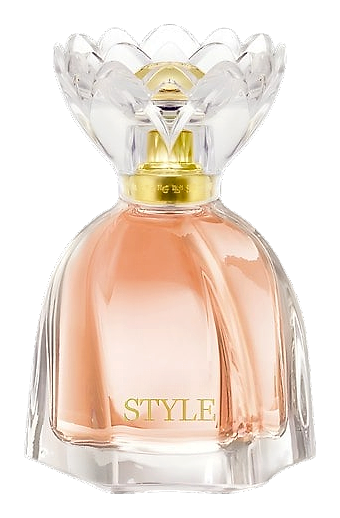
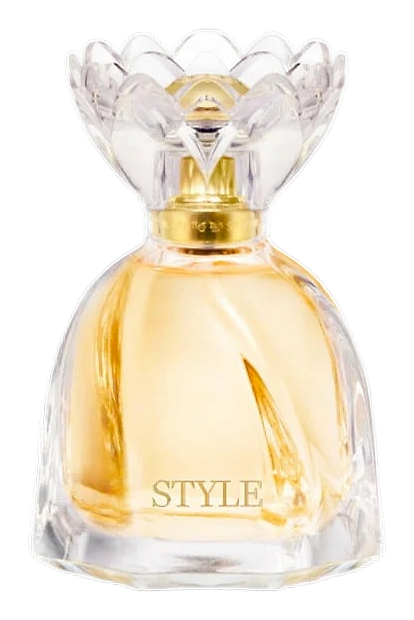
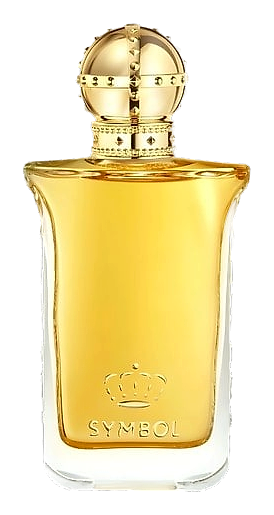
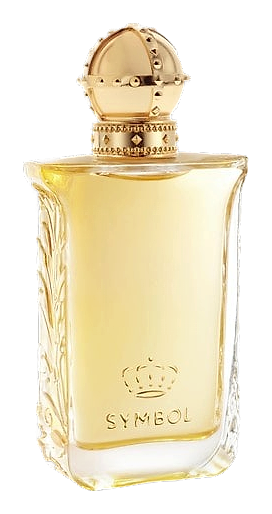
A house, in its own words
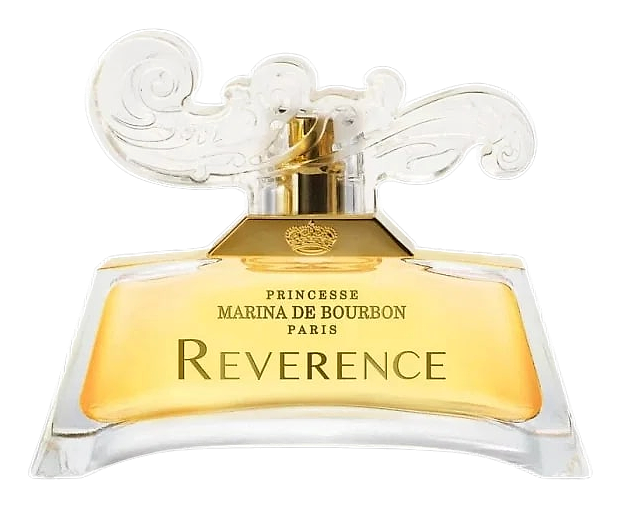
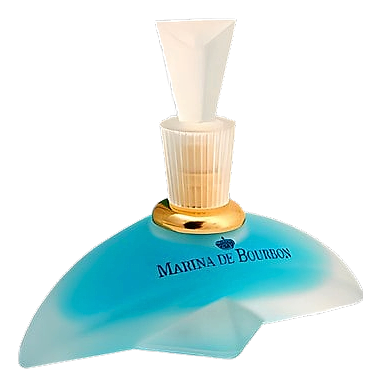
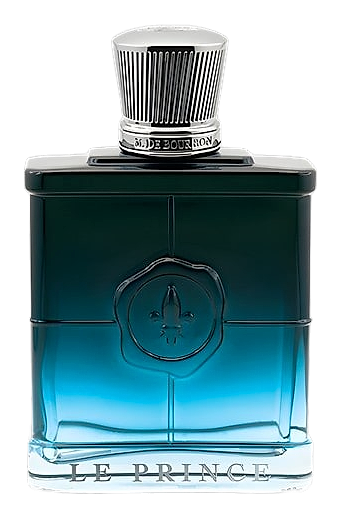
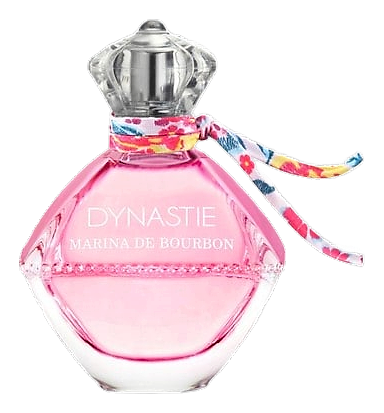
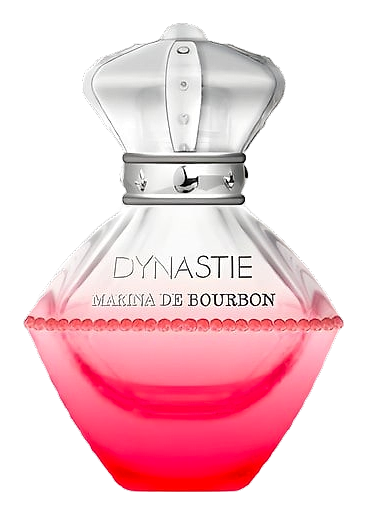
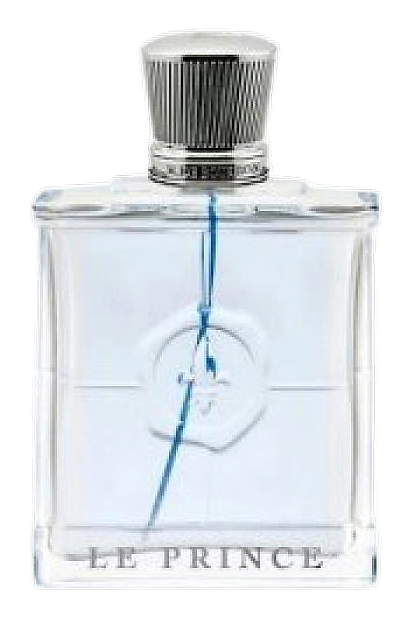
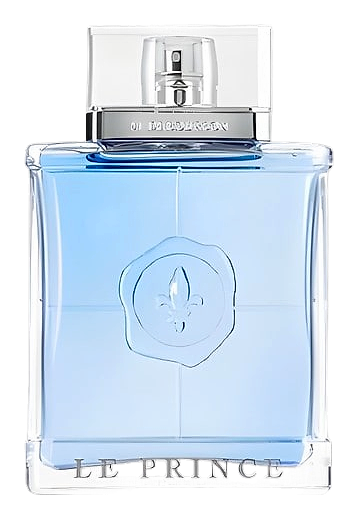
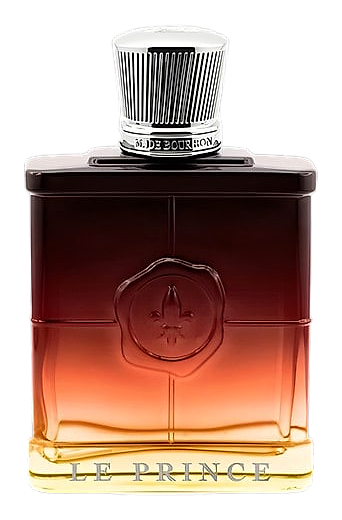
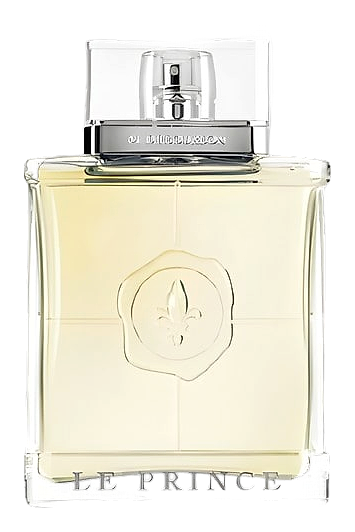
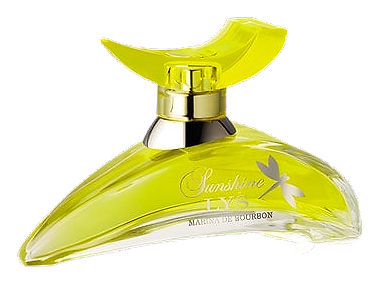
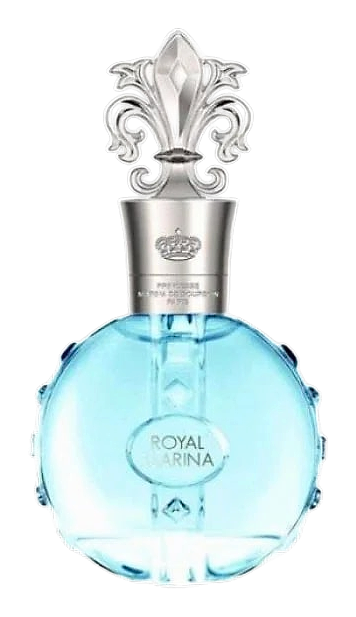
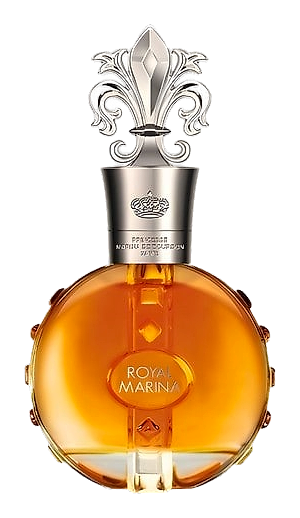
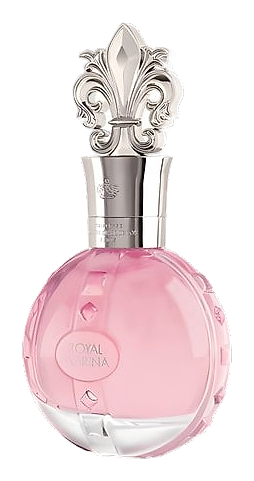
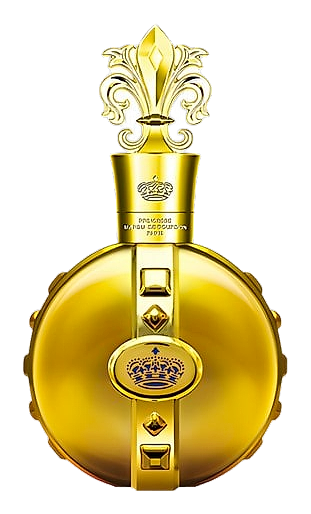
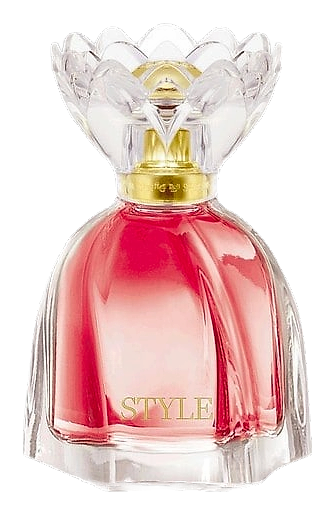
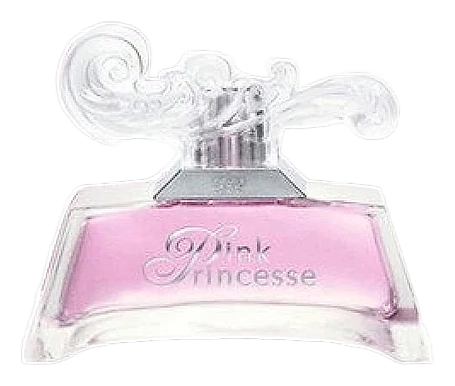
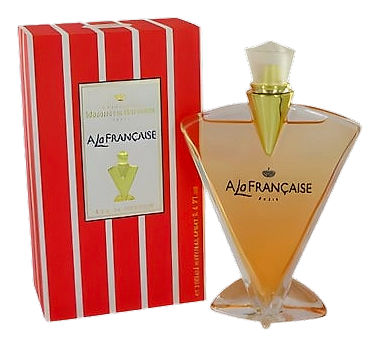
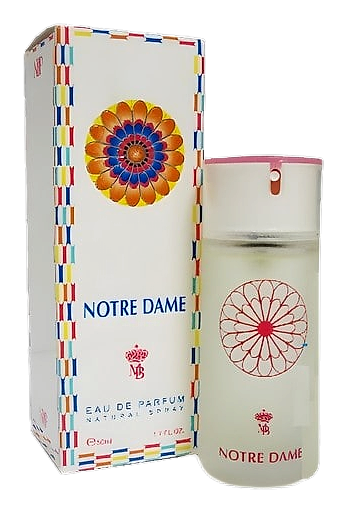
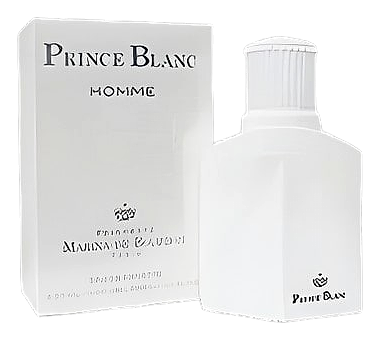
The house began when Marina Gacry married Prince André of Bourbon-Parma, a descendant of the centuries‑old Bourbon dynasty. In 1994 the couple launched Princesse Marina de Bourbon in Paris, drawing on the prince’s family archives and Marina’s passion for garden botanicals. Early releases focused on single‑flower accords that referenced the gardens of Versailles. By 2000 the brand introduced Aqua di Aqua, a water‑inspired fragrance that marked its first foray into marine notes. The 2010s saw a series of gender‑balanced scents, beginning with Le Prince Charmant in 2012 and followed by Royal Marina Diamond in 2013, each bearing a subtle nod to the family crest on its packaging. L'Or de Marina arrived in 2014, celebrating the brand’s tenth anniversary with a richer amber base. Monsieur Le Prince Intense (2015) and Monsieur Le Prince Elegant (2016) expanded the line into deeper, more opulent territories. Recent releases such as Princess Style (2022) and Majestic Style (2024) demonstrate a continued commitment to evolving the royal narrative while staying rooted in the house’s original floral focus. Throughout its three‑decade history the house has remained independent, operating out of a boutique workshop in Grasse where the founder still oversees formulation and quality control. Princesse Marina de Bourbon treats fragrance as a personal diary rather than a commercial product. The brand’s creative vision centers on translating the emotional resonance of a garden walk into scent, believing that a well‑crafted perfume can recall a specific moment in time. Values include respect for botanical heritage, transparency in ingredient sourcing, and a dedication to modest batch sizes that allow for hands‑on oversight. The house avoids mass‑market trends, instead choosing to explore timeless themes such as royalty, nature and memory. Each new launch begins with a narrative brief that ties the scent to a historical anecdote or a personal experience of the founder, ensuring that the creative process remains anchored in story rather than pure novelty. This approach encourages collectors to view each bottle as a chapter in an ongoing conversation between past and present.