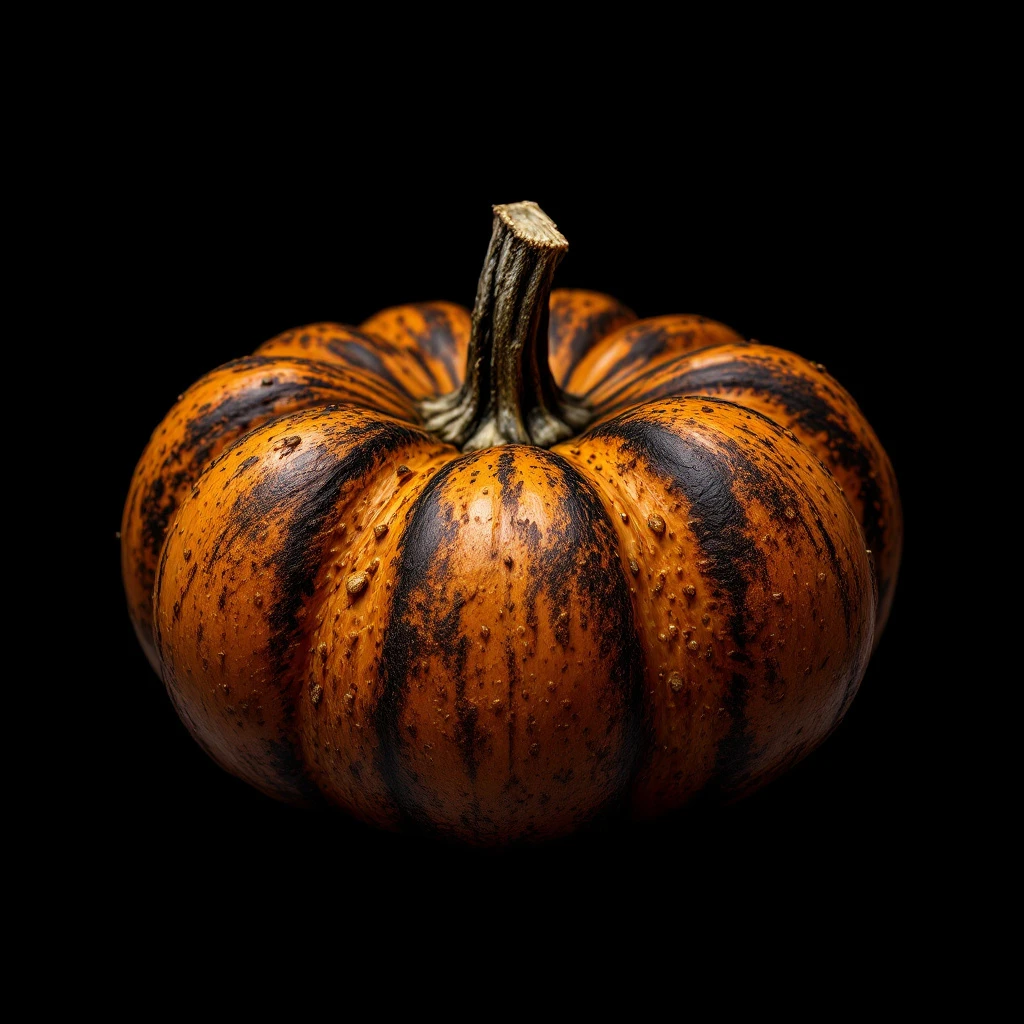
Burnt Pumpkin
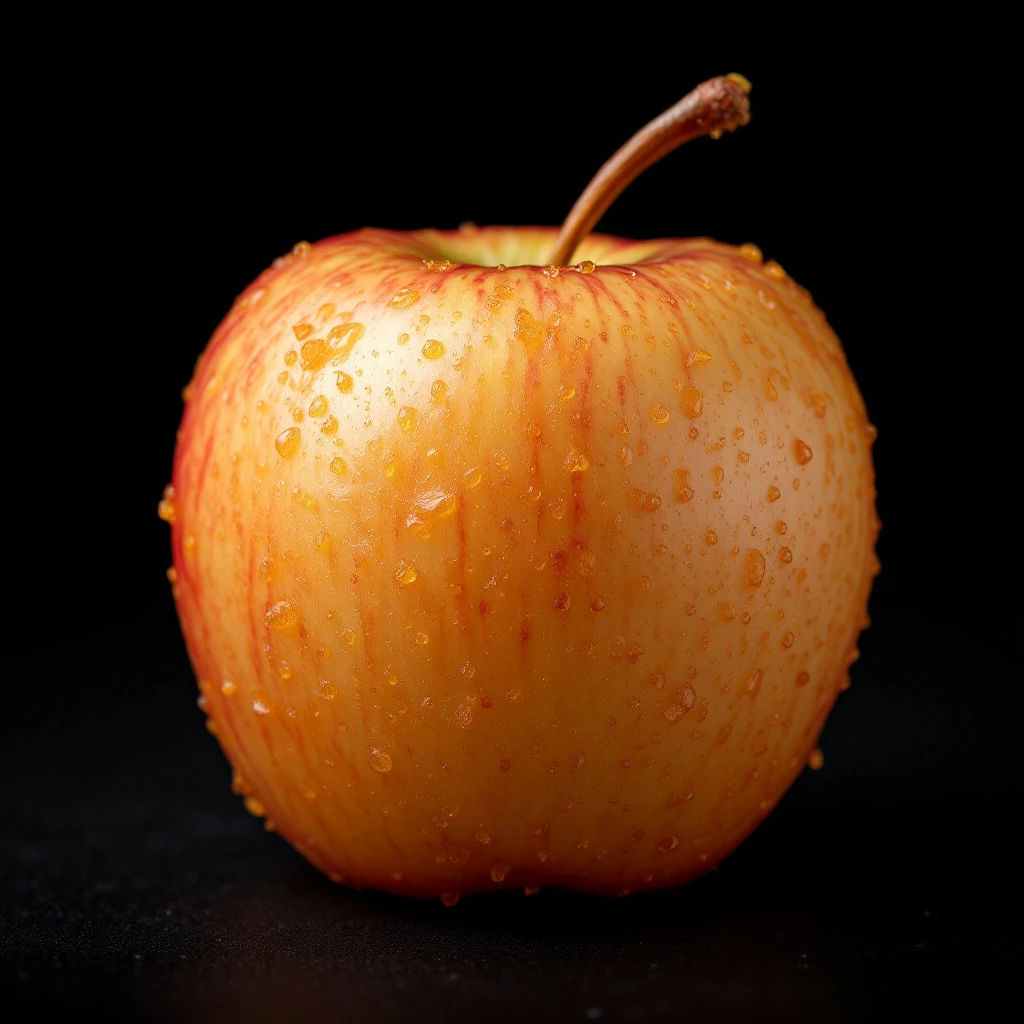
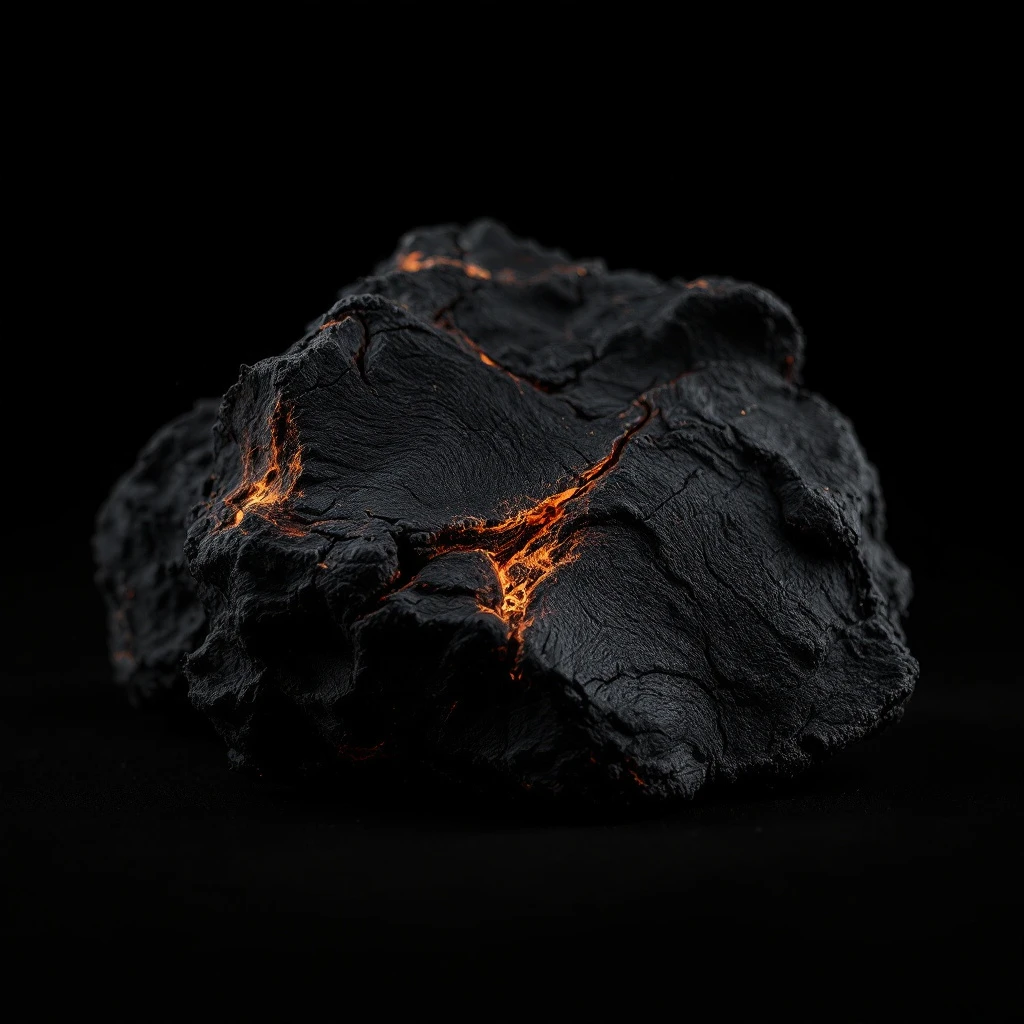
Burnt Pumpkin captures the caramelized sweetness of slow-roasted gourds, layering smoky undertones with warm spice. This gourmand accord evokes autumn hearths and candlelit gatherings, rich with toasted sugar and ambered depth.
Character
How it smells
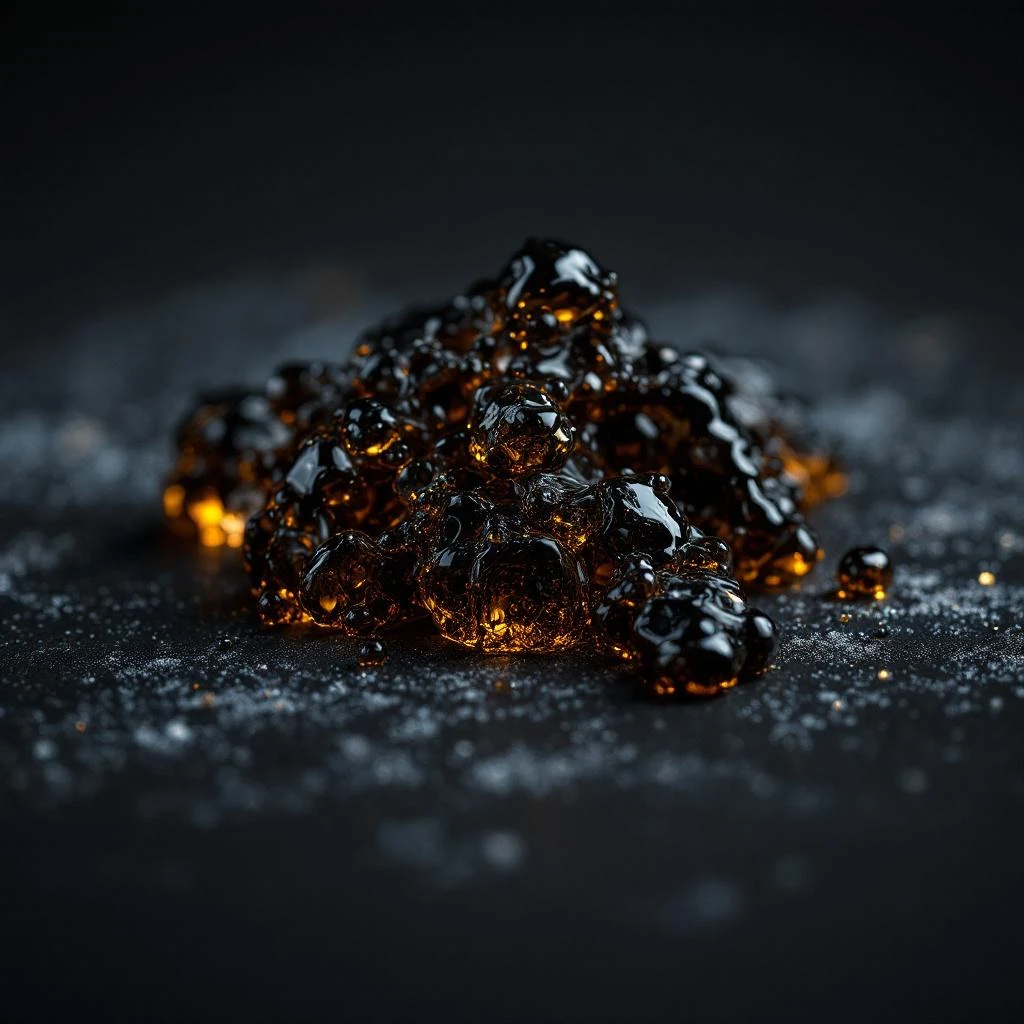
Caramelized warmth with a smoky edge
The Maillard reaction that creates burnt pumpkin's signature flavor produces over 1,000 volatile compounds, yet perfumers typically isolate just a handful to recreate the scent.

Origin
United States
Pumpkin entered European perfumery through culinary tradition rather than botanical medicine, gaining traction in the early 2010s as gourmands surged in popularity. The burnt variation emerged alongside autumnal and seasonal fragrance trends, when perfumers began experimenting with roasted and toasted accords previously confined to flavor chemistry. Before synthetic reconstruction, smoky sweetness in fragrance came primarily from benzoin, opoponax, or cade oil.
Pumpkin itself carried associations with harvest festivals and Thanksgiving imagery in North American culture, making it a natural candidate for nostalgic seasonal launches. By the mid-2010s, burnt pumpkin notes appeared in niche and indie compositions seeking to evoke fireplace warmth and candied gourds. The accord draws on centuries-old traditions of pyroligneous extracts, substances distilled from wood smoke that early American settlers used in folk preparations.
Modern perfumery adapts this lineage, combining food-science aroma compounds with classical balsamic bases.
Wears it best
Fragrances featuring Burnt Pumpkin
Brands
Brands known for Burnt Pumpkin
Good to know
Questions, answered
The essentials on Burnt Pumpkin in perfumery: how it smells, where it comes from, and how it behaves on skin.
What does burnt pumpkin smell like in perfume?
Burnt pumpkin smells like caramelized sugar layered with smoky, roasted depth and warm spice. The accord combines toasted sweetness with ashen undertones, evoking roasted gourds fresh from an oven.
Is burnt pumpkin a natural essential oil?
No natural essential oil of burnt pumpkin exists. The burnt quality results from the Maillard reaction, which perfumers recreate using synthetic aroma compounds like furfuryl mercaptan and cyclotene blended with natural extracts.
What compounds create the burnt pumpkin effect?
Furfuryl mercaptan provides burnt sugar notes, cyclotene adds caramel warmth, and pyrazines contribute roasted depth. Guaiacol and 4-ethyl guaiacol often supply the smoky character found in charred foods.
When did burnt pumpkin first appear in fragrances?
Burnt pumpkin accords emerged in the early 2010s alongside the gourmand fragrance trend. The note gained traction in niche perfumery as houses sought autumnal and seasonal compositions evoking warmth and nostalgia.
Which fragrances feature burnt pumpkin notes?
Burnt pumpkin appears primarily in indie and niche autumnal releases. Houses experimenting with gourmand-smoky hybrids during the 2010s seasonal launches most often incorporated this accord.
Is burnt pumpkin similar to other gourmand notes?
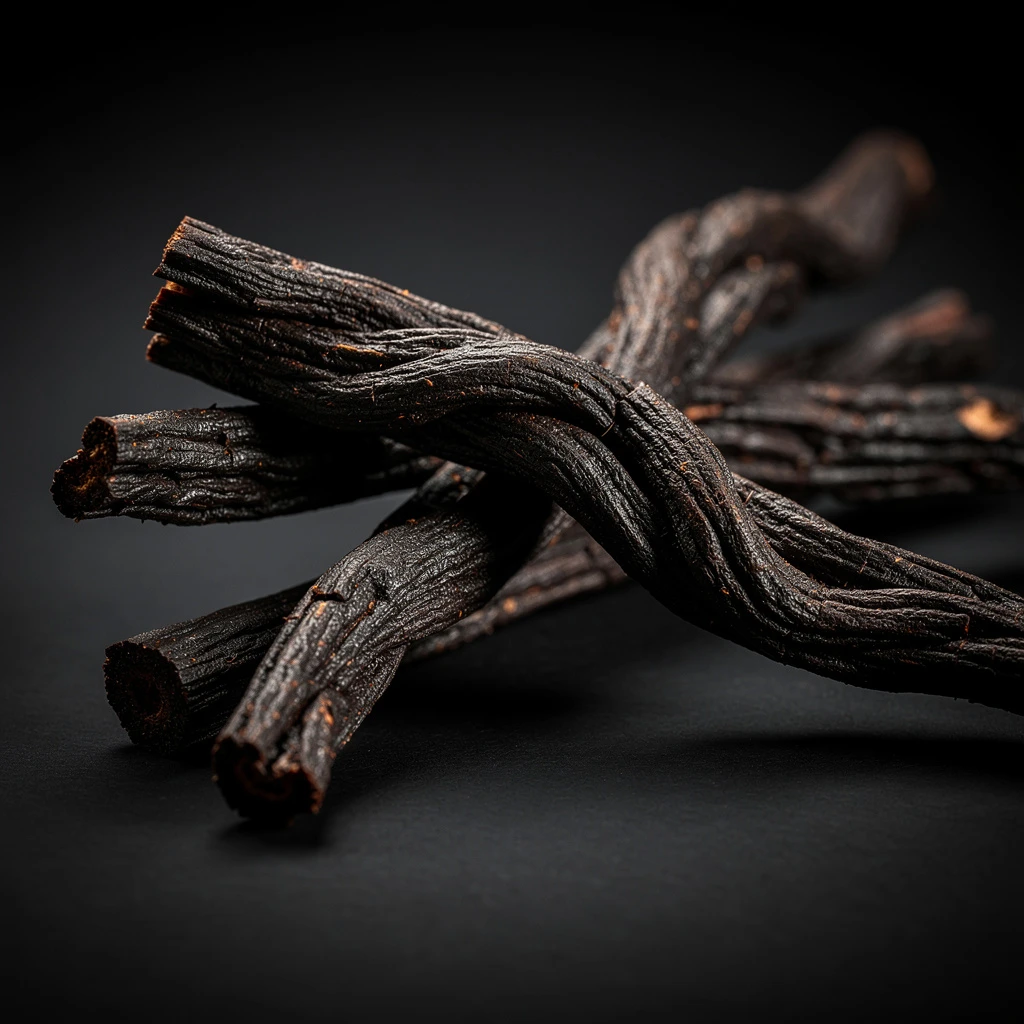
Burnt pumpkin shares caramel sweetness with notes like tonka bean and benzoin but distinguishes itself through pronounced smoky and roasted facets. It sits between burnt sugar and smoldering wood on the gourmand spectrum.
Does burnt pumpkin contain actual pumpkin extract?
Most burnt pumpkin accords are fully synthetic reconstructions. A few perfumers create tinctures from charred pumpkin flesh macerated in alcohol, though this practice remains uncommon due to instability and batch variation.
What seasons or moods does burnt pumpkin suit?
Burnt pumpkin suits autumn and winter compositions, particularly those aiming for cozy, fireside atmospheres. It pairs well with vanilla, cinnamon, and smoky woods for seasonal and gourmand fragrance profiles.