Burnt Fig
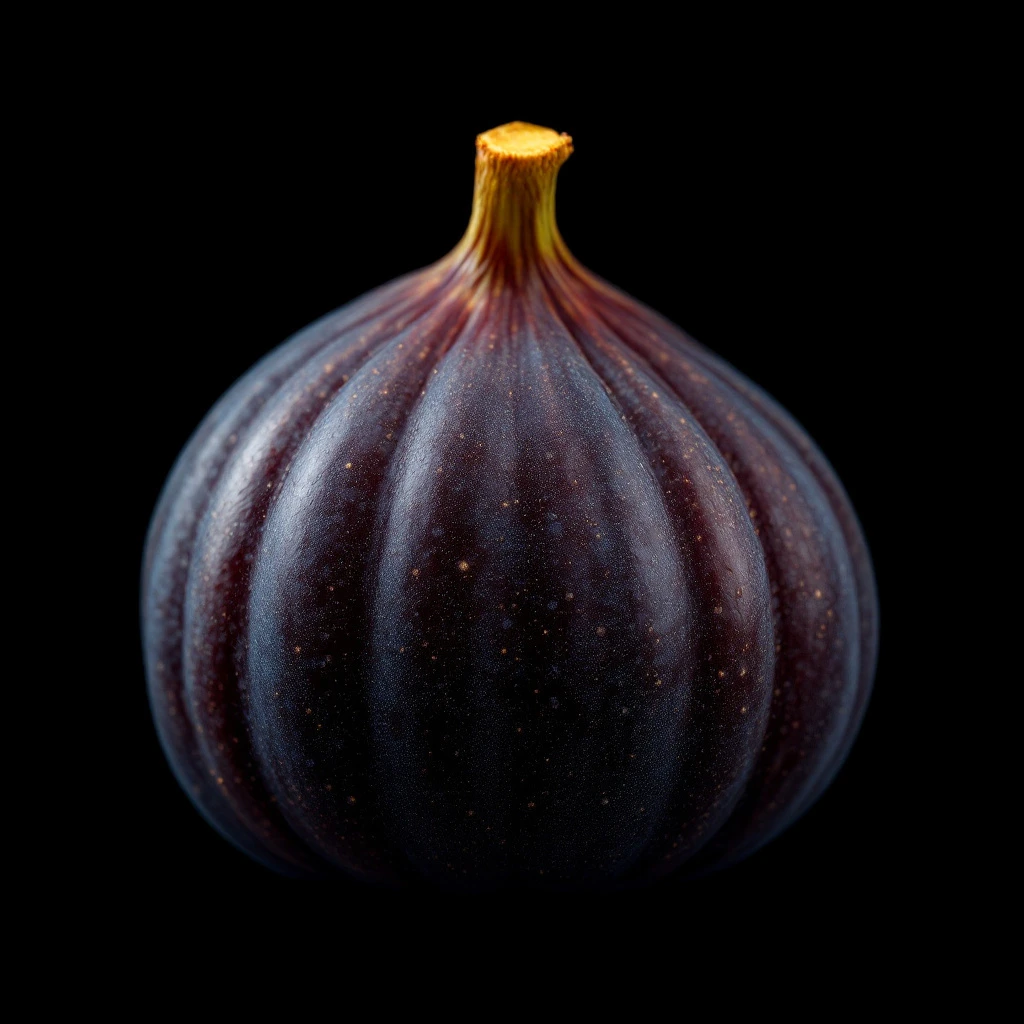
Burnt fig captures the caramelized sweetness of figs scorched over open flame, blending jammy fruit, smoky resin, and a dark, almost molasses-like depth. It evokes autumn orchards and wood-fired kitchens.
Character
How it smells
Caramelized fruit meets smoldering wood
The 'burnt' quality in perfumery is rarely achieved by actually charring figs; perfumers instead layer fig extracts with smoky accords like birch tar or guaiacol to simulate the effect.






Origin
Greece
Figs rank among humanity's oldest cultivated fruits, with archaeological evidence of Ficus carica cultivation dating back over 11,000 years to the Jordan Valley. In ancient Mesopotamia and Egypt, figs appeared in funerary offerings and medicinal preparations, though their primary use was nutritional rather than aromatic.
Fig leaves entered perfumery indirectly through the tradition of fig leaf absolutes developed in the 20th century, particularly in Mediterranean regions where the trees grow abundantly. The burnt fig accord as a distinct perfumery concept emerged in the late 1990s and early 2000s, when niche perfumers began exploring gourmand and smoky territory.
Philosykos by Diptyque, launched in 1996, helped popularize the broader fig-in-perfumery category by capturing the entire tree, though its profile leaned green and milky rather than burnt. True burnt fig interpretations followed as perfumers experimented with combining sweet fruit notes with smoke and tar accords, drawing on culinary traditions of fire-roasted autumn fruit.
Wears it best
Fragrances featuring Burnt Fig
Brands
Brands known for Burnt Fig
Good to know
Questions, answered
The essentials on Burnt Fig in perfumery: how it smells, where it comes from, and how it behaves on skin.
What does burnt fig smell like in perfume?
Burnt fig combines jammy, caramelized fruit sweetness with smoky, resinous undertones reminiscent of wood fire. The accord typically includes lactonic coconut-like facets, dark molasses depth, and phenolic smoke. It reads warmer and more complex than fresh fig, with a gourmand richness that suggests scorched sugar and autumn orchard residue.
Is burnt fig a natural or synthetic fragrance ingredient?
Burnt fig is primarily a synthetic reconstruction. Natural fig extracts lack the intense burnt character on their own, so perfumers layer fig absolutes with smoky molecules like guaiacol or birch tar. This accords-based approach allows precise control over the balance between sweet fruit and char.
Where does the fig tree originate?
The common fig, Ficus carica, originates in the Middle East and western Asia, with earliest cultivation evidence from the Jordan Valley around 9400 BCE. Greece and Turkey remain major producers today, and Mediterranean climates provide ideal growing conditions for both fruit and aromatic leaf harvests.
How is fig absolute made?
Fig absolute is produced through solvent extraction of fig fruit or leaves. The plant material is treated with a solvent like hexane, which dissolves the aromatic compounds into a waxy concrete. Further processing with ethanol yields the pure absolute, capturing the green, milky, and slightly coconut-like facets characteristic of fig.
When was burnt fig first used in perfumery?
The burnt fig accord emerged in the early 2000s as an evolution of broader fig perfumery that gained popularity in the late 1990s. While Philosykos by Diptyque (1996) established the fig category with green, leafy profiles, perfumers later began layering fig notes with smoke and tar accords to create warmer, roasted interpretations.
What fragrance families does burnt fig belong to?
Burnt fig sits at the intersection of gourmand and woody fragrance families. It draws on edible, dessert-like associations through its caramelized sweetness while incorporating smoky, resinous qualities from wood and tar accords. Some compositions also place it within oriental or amber families when paired with resins and spices.
Can you burn figs to make perfume?
No. Actual burning of figs destroys most volatile aromatic compounds and produces inconsistent results. Perfumery uses precise combinations of natural fig extracts and synthetic smoky molecules to replicate the burnt fig effect reliably. This reconstruction approach ensures batch consistency and safety standards.
What notes pair well with burnt fig?
Burnt fig pairs naturally with sandalwood, cedarwood, and oud for woody depth. Vanilla, tonka bean, and benzoin amplify its gourmand warmth. For contrast, perfumers often add green notes like fig leaf, violet leaf, or galbanum, while smoky partners include frankincense, birch tar, and lapsang souchong tea accords.





