Burnt Cedar
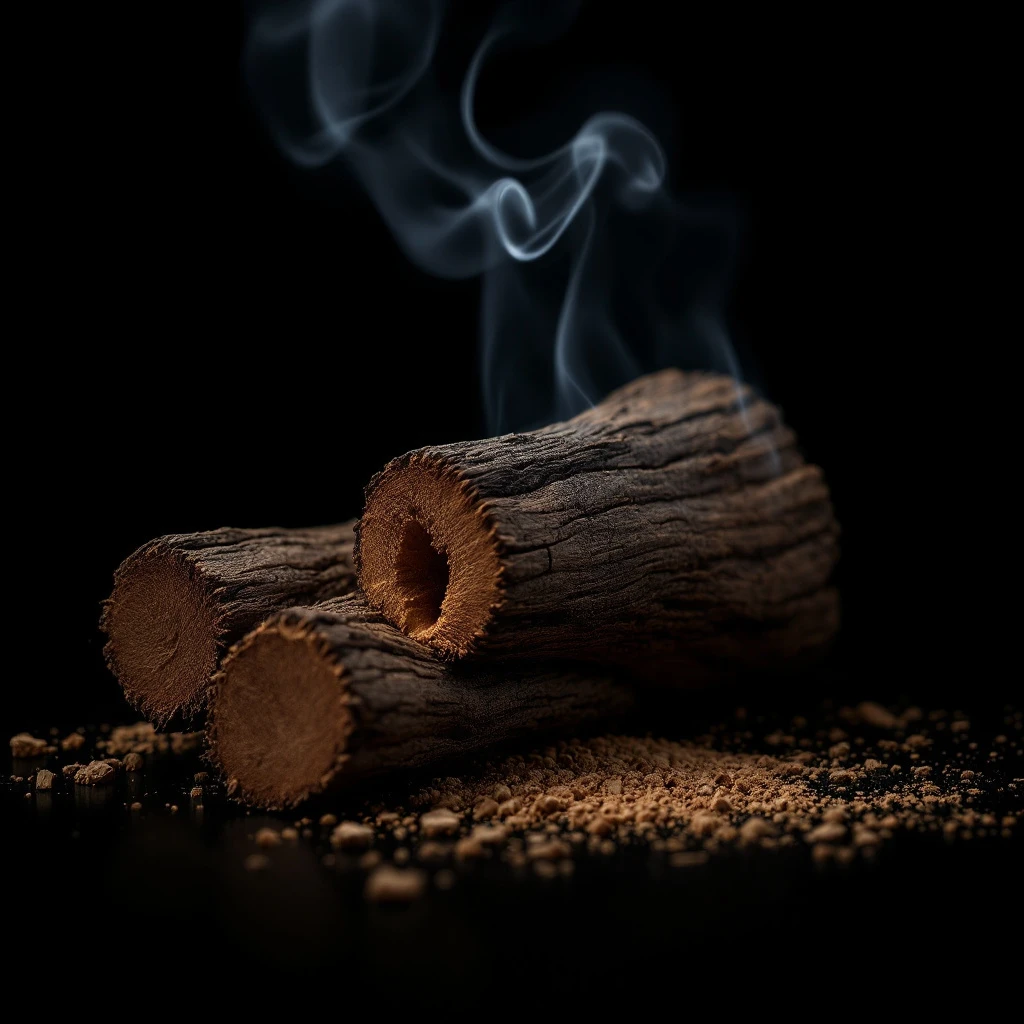
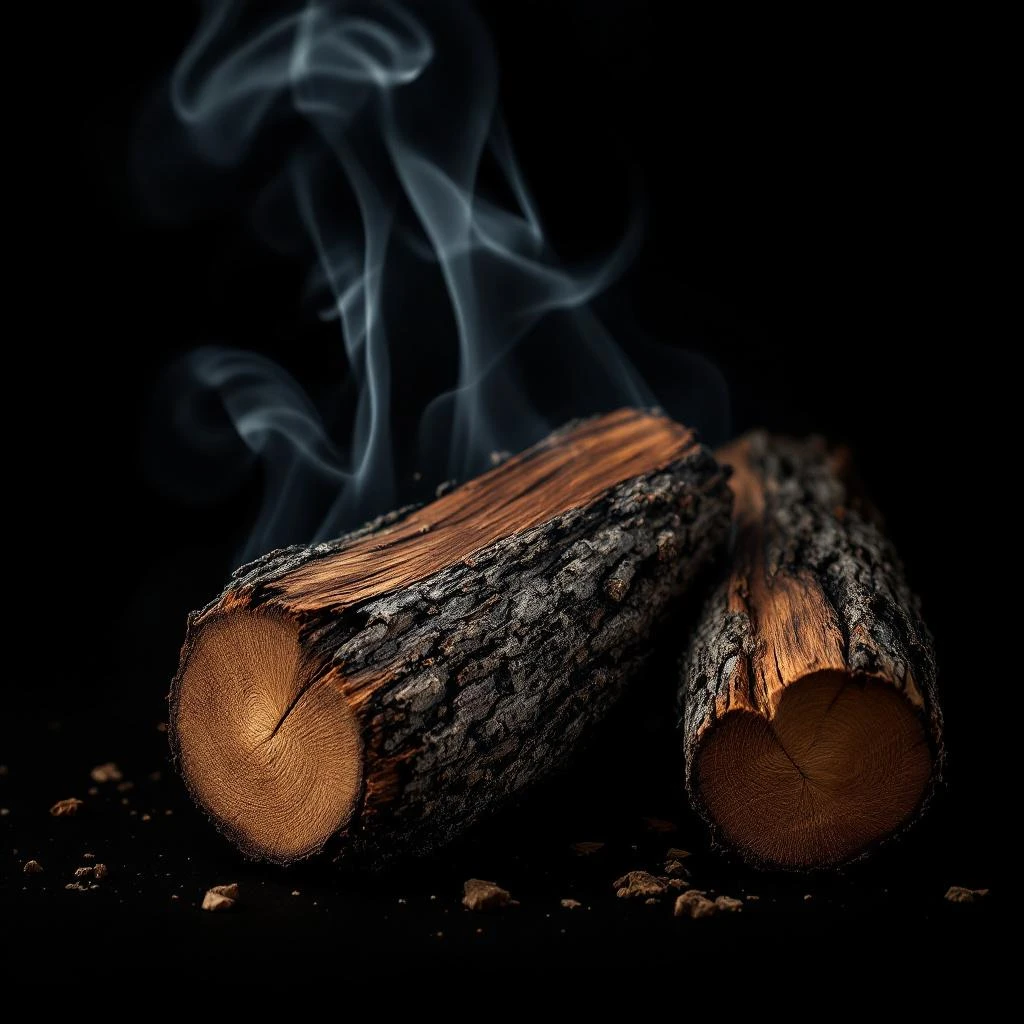
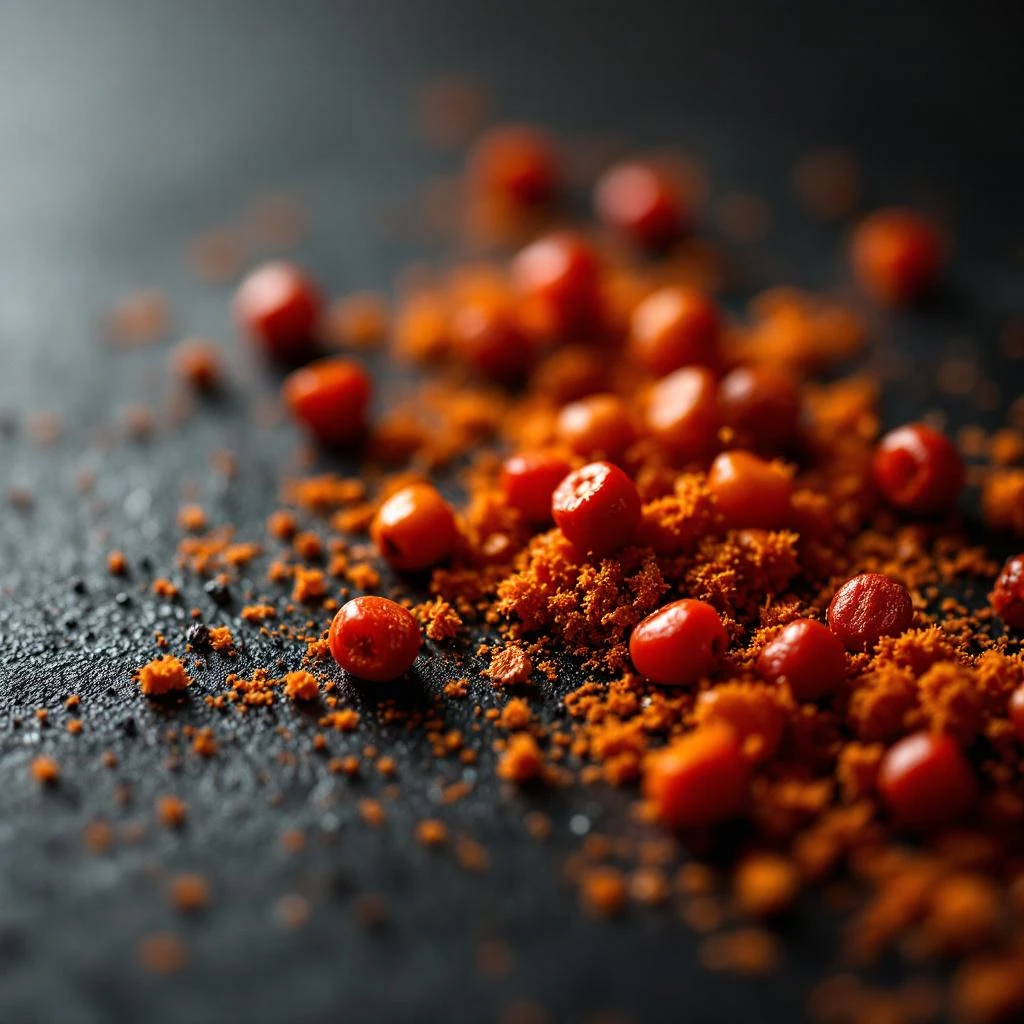
Smoldering charred cedar wood releases a dark, resinous aroma with smoky edges and dry sweetness. This note captures wood after flame transforms it, adding depth and warmth to fragrance compositions.
Character
How it smells
Smoke meets sacred wood.
The practice of burning cedar as incense dates back over 4,000 years to ancient Mesopotamia, where temples filled with its smoke during sacred rituals.


Origin
Lebanon
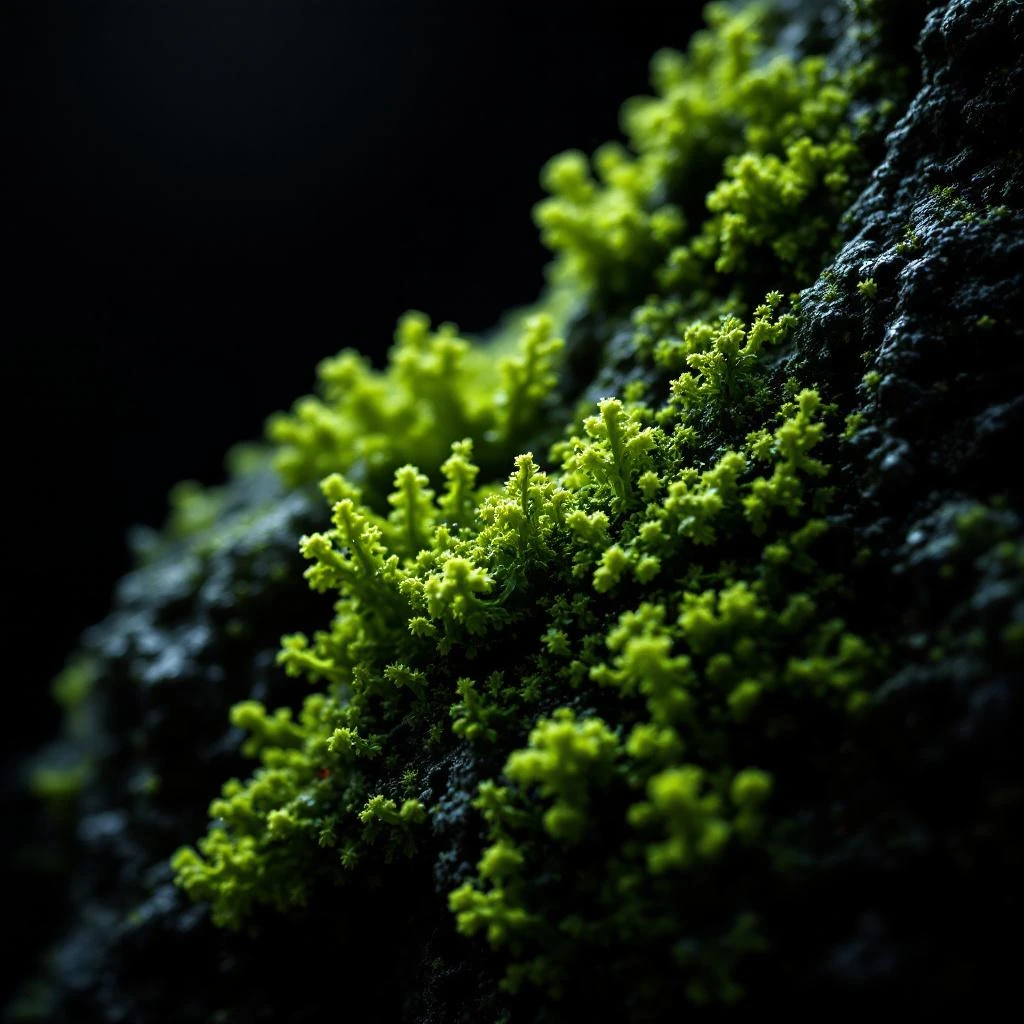
Cedar wood has been burned for its aromatic properties since antiquity. In ancient Mesopotamia, around 2000 BCE, cedar resins and wood formed part of temple incense burned in ritual ceremonies to honor deities. The Egyptians imported cedar from Lebanon for both embalming and sacred smoke, while Native American tribes across the Pacific Northwest burned cedar bark and branches in purification rites called 'smudging.'
The transformation of cedar through fire was not accidental; ancient cultures recognized that burning released a richer, more complex fragrance than the raw wood alone. In traditional Japanese kodo ceremonies, participants burned small fragments of aromatic woods to appreciate their smoke. The modern perfumery interpretation of burnt cedar emerged in the late 20th century as fragrance creators sought to capture atmospheric, evocative scents beyond traditional woody bases.
Today this note appears in compositions designed to evoke warmth, ritual, and the primal comfort of fire.
Wears it best
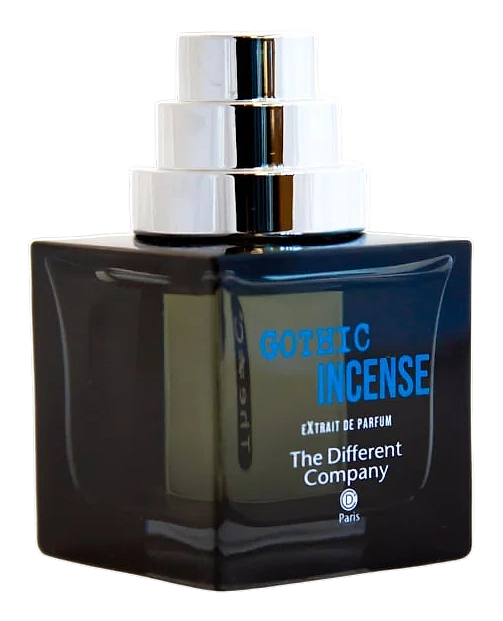
Fragrances featuring Burnt Cedar
Brands
Brands known for Burnt Cedar
Good to know
Questions, answered
The essentials on Burnt Cedar in perfumery: how it smells, where it comes from, and how it behaves on skin.
What does burnt cedar smell like in perfume?
Burnt cedar combines the dry, resinous character of cedarwood with smoky, slightly sweet undertones from the charring process. It evokes campfire embers and sacred incense rather than acrid smoke, offering warmth and depth.
Is burnt cedar a natural or synthetic fragrance note?
It can be both. Natural burnt cedar is produced by charring cedar wood and extracting its compounds, while many modern versions blend cedarwood oil with synthetic smoke molecules for consistency and cost efficiency.
How is burnt cedar different from regular cedarwood?
Regular cedarwood smells dry, clean, and slightly pencil-like. Burnt cedar adds smoky, roasted, and faintly caramelized notes that raw cedar lacks, creating a warmer and more complex profile.
What fragrance families feature burnt cedar?
Burnt cedar appears most often in woody oriental, incense, and leather fragrance families. It also anchors smoky compositions and adds an unexpected edge to gourmand and amber-based scents.
Does burnt cedar last long on skin?
Yes, this note typically has strong longevity due to heavy woody and smoky base compounds that evaporate slowly. It often anchors the drydown phase of a fragrance, persisting for six hours or more.
Is burnt cedar similar to oud or frankincense?
Burnt cedar shares smoky and resinous qualities with both, but it is drier and less animalic than oud. Compared to frankincense, burnt cedar offers a woodier, less citrusy smoke profile.
Where does cedar wood for perfumery come from?
Cedarwood used in fragrance primarily comes from Lebanon (Cedrus libani), the Atlas Mountains of Morocco, and the southeastern United States (Juniperus virginiana). Lebanese cedar carries the most historical prestige.
Can burnt cedar be overwhelming in a fragrance?
In high concentrations, yes. Its smoky intensity can dominate lighter compositions, so perfumers typically use it at 1-5% of a formula, balancing it with softer woods, resins, or sweet vanilla notes.