Bud
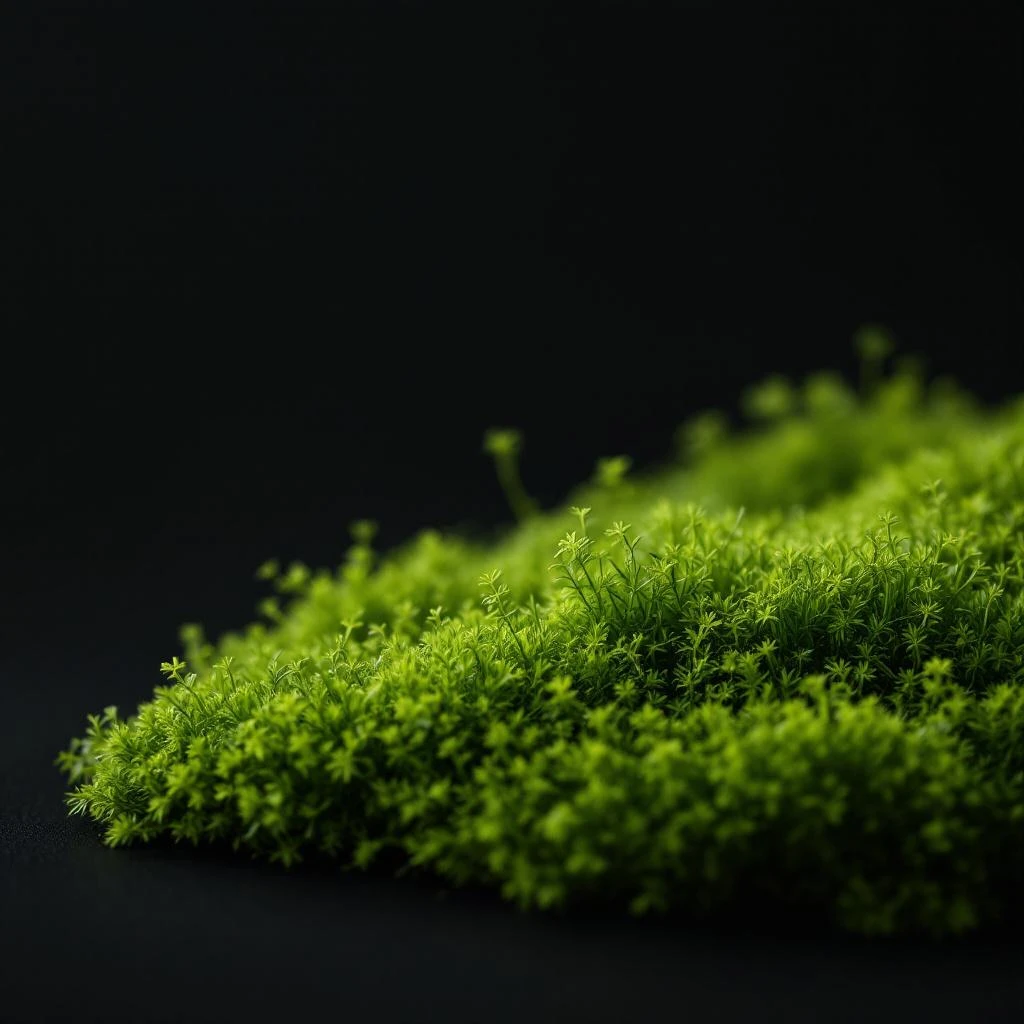
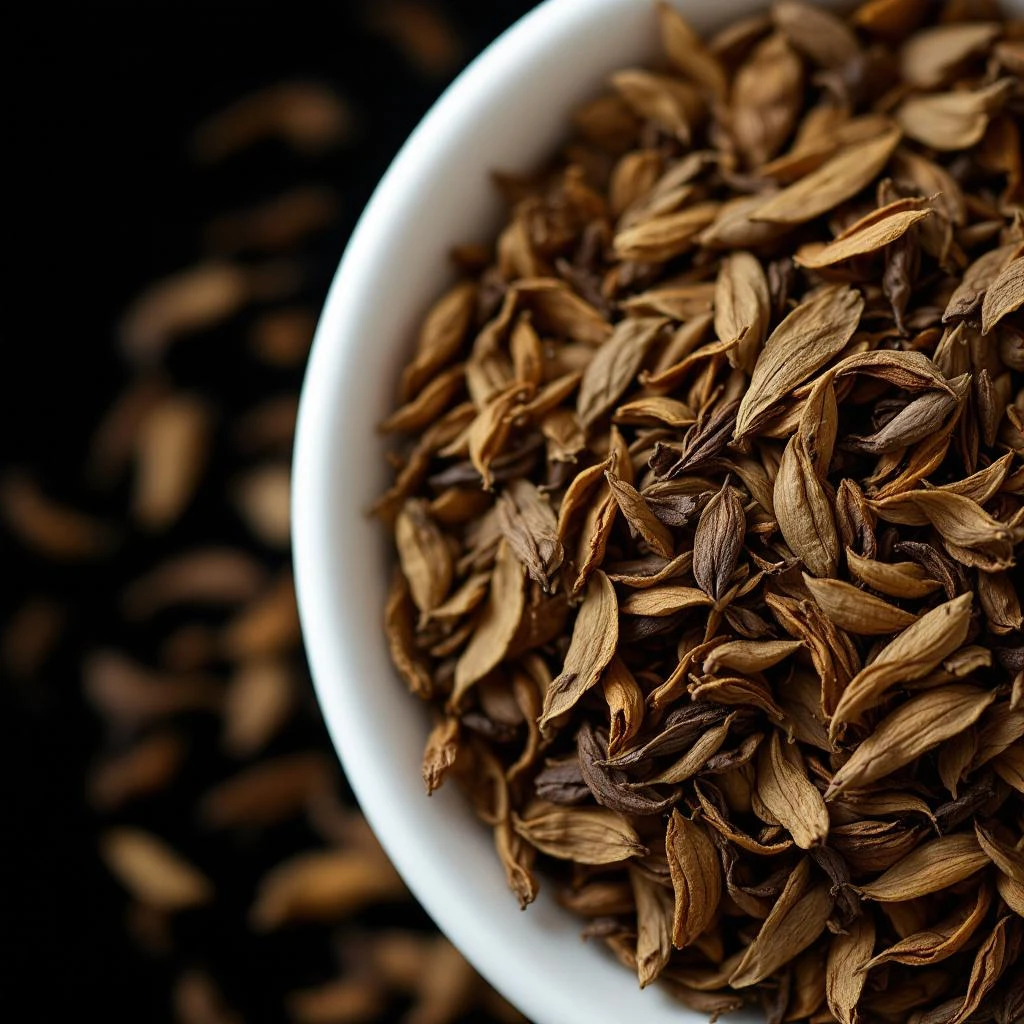
Buds capture a plant at its most concentrated moment of aromatic potential, unopened and brimming with volatile oils. In perfumery, these tight clusters of folded petals and leaves yield some of the most distinctive green, fruity, and herbaceous notes available.

Character
How it smells
Unopened. Unfiltered. Unforgettable.
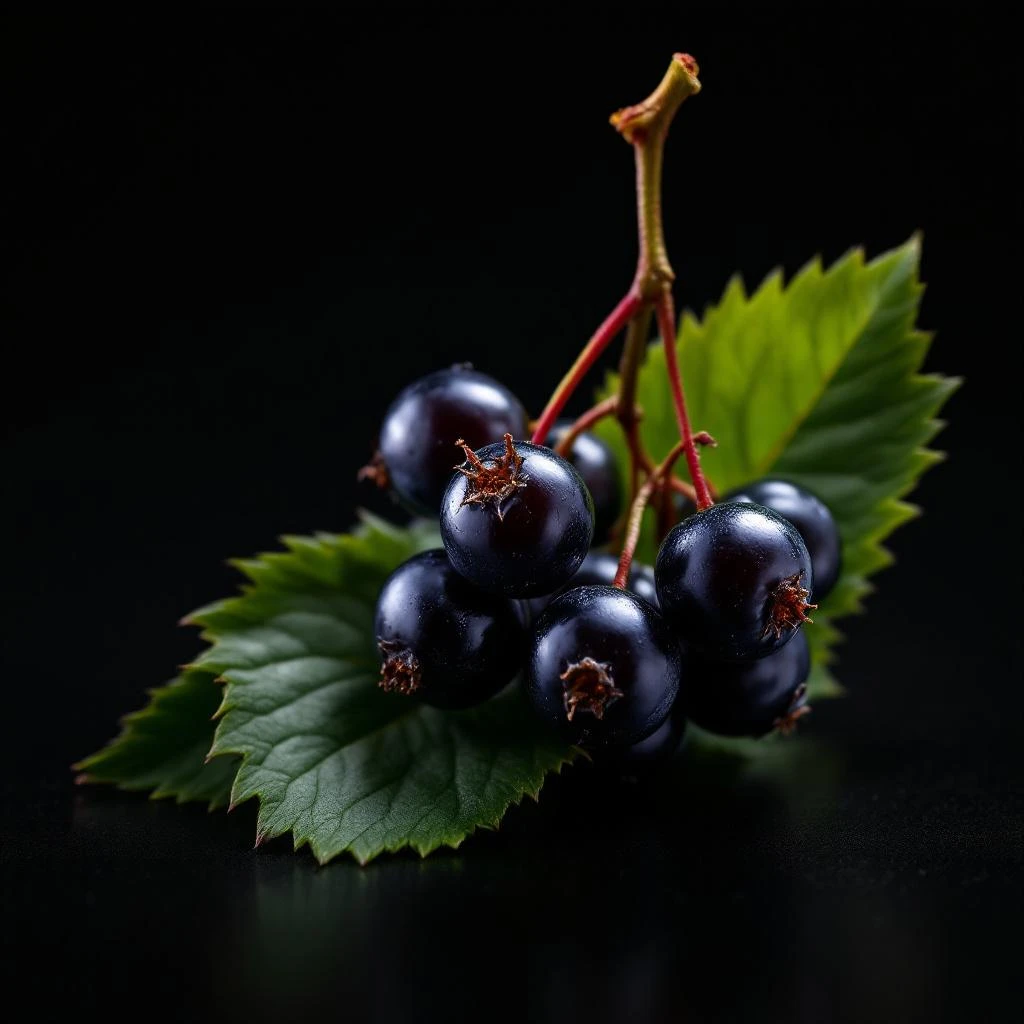
Blackcurrant buds contain a sulfur compound called cat ketone, which at extreme dilution smells of fresh fruit, but at higher concentrations recalls tomcat urine, a startling case of chemistry defying intuition.
Origin
France
The use of buds in perfumery stretches back centuries, though systematic extraction came much later. Ancient perfumers in Egypt, Greece, and Rome worked with flowers, resins, and woods, but the tight, resinous buds of certain shrubs and trees remained largely overlooked until the modern era. Clove buds, harvested from trees native to the Maluku Islands of Indonesia, were among the earliest bud materials to enter global trade by the eighth century, valued as much for medicine and food preservation as for their warm, spicy aroma.
The real breakthrough for buds as a perfumery category came in the 1960s and 1970s, when French perfumers began experimenting with blackcurrant bud absolute. The material delivered a sharp, catty, intensely green-fruity scent unlike anything available through traditional flower absolutes. It opened a new olfactory territory: a note that smelled simultaneously of crushed leaves, ripe fruit, and forest undergrowth.
This distinctive profile quickly found its way into masculine fragrances and green chypres, reshaping how perfumers thought about freshness and naturalness in composition.
Wears it best
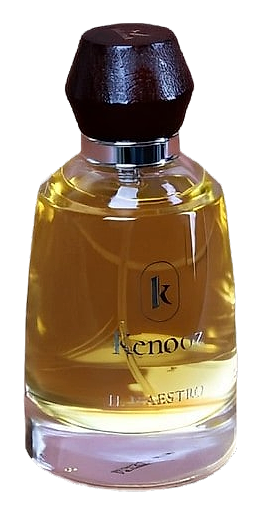
Fragrances featuring Bud
Brands
Brands known for Bud
Good to know
Questions, answered
The essentials on Bud in perfumery: how it smells, where it comes from, and how it behaves on skin.
What does the bud note smell like in perfume?
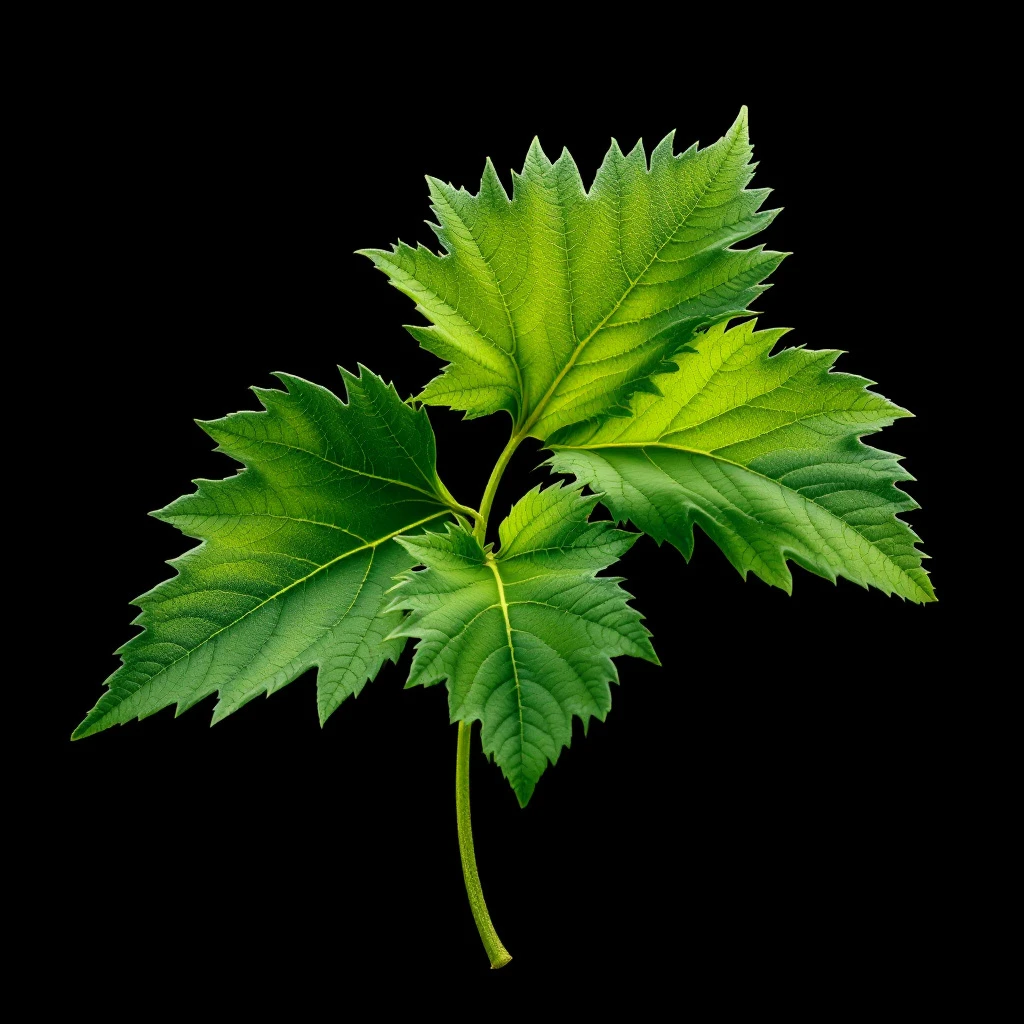
Bud notes typically smell green, fruity, and slightly sharp, with herbal and woody undertones. Blackcurrant bud absolute, the most iconic example, carries a distinctive catty edge at high concentrations that becomes a fresh, jammy fruit aroma once diluted into a fragrance composition.
Which plants produce bud extracts used in perfumery?
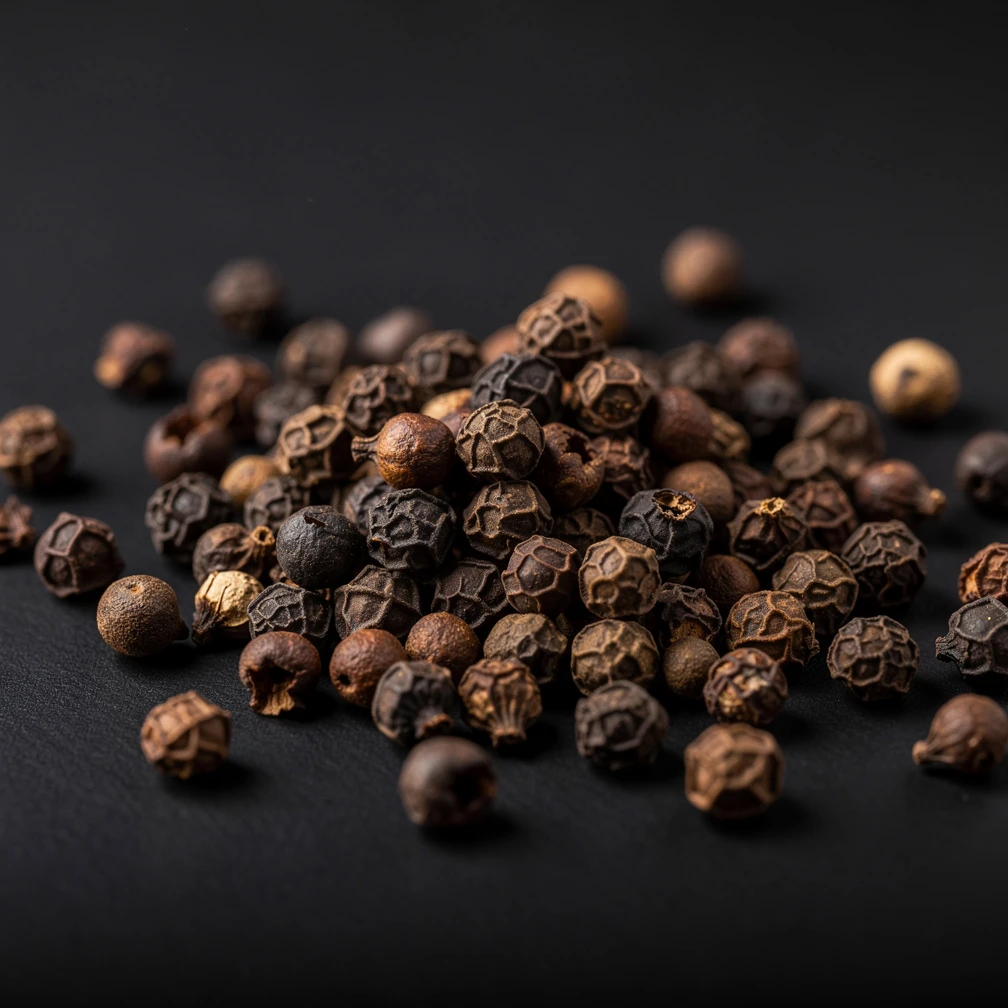
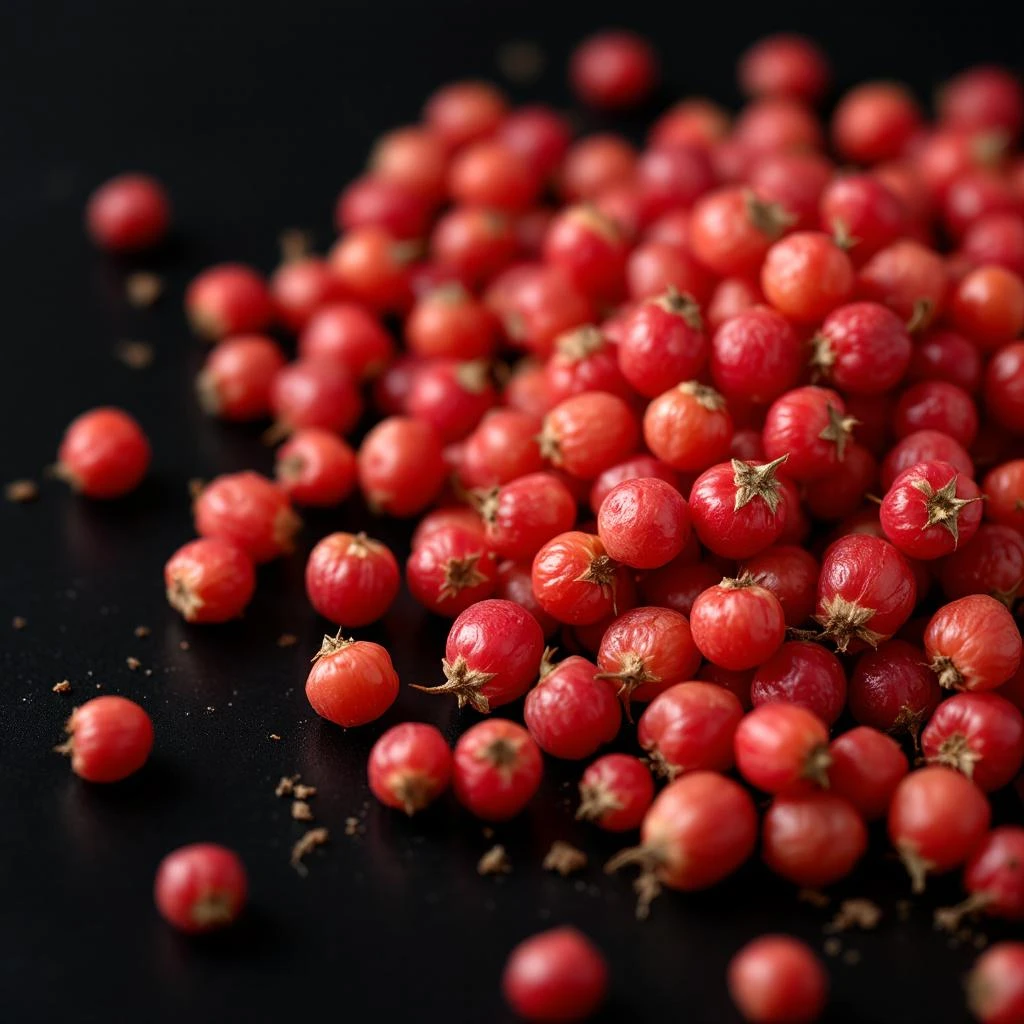
The most commercially significant bud extract in modern perfumery comes from Ribes nigrum, the blackcurrant shrub. Clove buds (Syzygium aromaticum), pepper buds, and certain poplar buds also yield aromatic materials, though they appear less frequently in fine fragrance formulations.
When did perfumers start using bud extracts?
Clove buds entered the spice trade by the eighth century, but buds as a dedicated perfumery note emerged in the 1960s and 1970s. French perfumers pioneered blackcurrant bud absolute during that period, using it to create sharp green-fruity accords in masculine and chypre-style compositions.
How is blackcurrant bud absolute made?
Producers harvest fresh, unopened blackcurrant buds and submerge them in a volatile solvent such as hexane. The solvent dissolves the aromatic compounds, then evaporates, leaving a waxy concrete. A second alcohol wash separates the fragrant molecules from the wax, yielding a concentrated, dark-green absolute.
Why are bud extracts more expensive than flower extracts?
Bud extracts are costly because the plant material yields very little aromatic content per kilogram. Approximately one ton of fresh blackcurrant buds produces only a small quantity of concrete, making the absolute among the more labor-intensive and expensive natural perfume ingredients on the market.
What is the catty note in blackcurrant bud?
The distinctive animalic edge in blackcurrant bud comes from a sulfur-containing molecule called 4-methoxy-2-methyl-2-butanethiol, sometimes called cat ketone. At high concentrations it smells intensely animalic, but perfumers use it in trace amounts to add a realistic, ripe-fruit quality to green compositions.
Can bud notes be replicated synthetically?
Yes. Modern aroma chemistry has identified the key molecules in bud extracts and produces synthetic versions for use in functional perfumery and lower-cost compositions. However, the full complexity of a natural bud absolute, with its dozens of trace compounds, remains difficult to duplicate exactly.
Are bud extracts sustainable to produce?
Sustainability varies by source. Blackcurrant bushes are routinely pruned in commercial fruit production, and the bud material is often a byproduct of that process. Some producers have developed dedicated plantations, but supply remains limited, which keeps prices elevated and encourages ongoing research into synthetic alternatives.