


Heritage
A house, in its own words
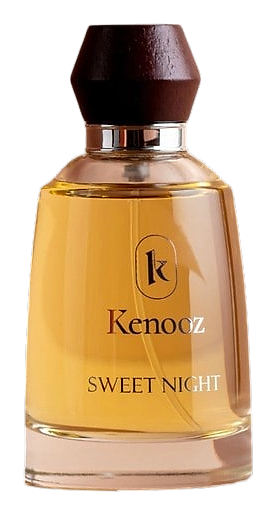
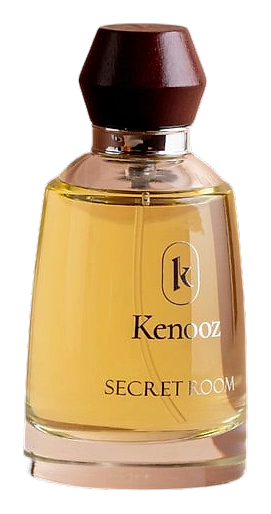
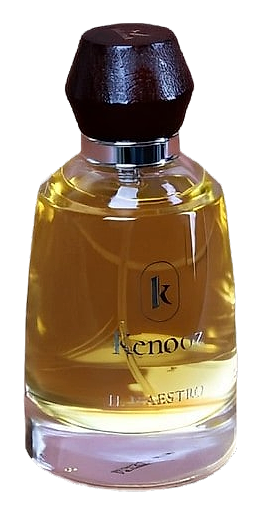
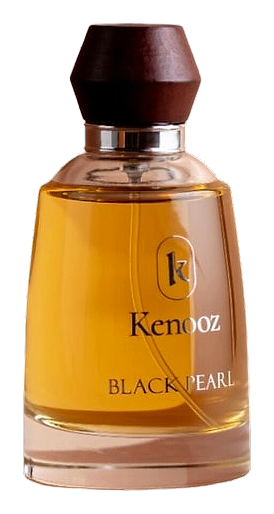
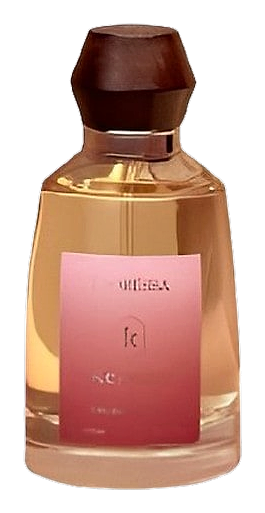
Kenooz traces its identity to Qatar, where the brand describes its inspiration as a meeting point between centuries-old Arabic scent rituals and modern fragrance artistry. Its Arabic name, meaning “treasures,” connects that contemporary business to the region’s long relationship with perfumery, particularly the cultural use of oud, floral oils, resins, spices, and richly layered compositions. The brand’s language emphasizes scent as something that becomes part of an individual’s presence, a personal signature carried beyond the moment of application. That idea appears across its materials, including messaging centered on launching a fragrance brand or creating a recognizable olfactory identity. The available record does not establish Kenooz’s exact founding date, founder, or a documented sequence of early milestones. The company presents Qatar as its place of origin and is also described in industry materials as a UAE-based perfume manufacturer with ISO 22716 certification. Because these origins appear in different contexts, they can be understood as parts of a regional development rather than a single clearly verified timeline. What can be said with confidence is that Kenooz has developed a portfolio that moves between traditional Middle Eastern references and globally familiar fragrance forms. Desert Roses and Sahara Leather draw on culturally resonant materials such as rose and leather, while Citrus & Sun points toward a brighter, more seasonal register. Secret Room, Black Pearl, and Sweet Night explore darker and more enveloping moods. Newer releases, including Il Maestro, Floressa, and Fiamma, add further directions to the catalogue. The brand’s history is therefore best understood through its regional roots, its Arabic identity, and its ongoing expansion across both consumer fragrances and private-label services, rather than through a verified chronology of corporate events. Kenooz’s creative philosophy begins with fragrance as a form of personal authorship. Its messaging repeatedly returns to the idea of a signature scent, presenting perfume not simply as an accessory but as a way to make an impression, express character, and create an atmosphere around the wearer. This approach aligns with the brand’s interest in combining Eastern heritage with modern fragrance artistry. It is not limited to one cultural image, but instead allows different families and moods to coexist. Oud, leather, rose, citrus, chocolate, fruit, and floral notes appear across the range, giving the house room to move between intimate, fresh, sensual, and dramatic compositions. The same philosophy extends into Kenooz’s business-to-business work. By offering private-label fragrance creation, custom development, and bulk manufacturing, the company treats scent creation as a collaborative design process rather than a fixed catalogue alone. Its materials refer to botanical inspiration, refined creation, and distinctive branding, suggesting that the fragrance experience includes the bottle, the visual identity, and the story attached to it. The visual presentation supports this emphasis on signature-making, while the “treasures” concept links the brand’s commercial ambitions to Arabic language and regional perfumery culture. Kenooz does not publicly identify a single perfumer or a fixed creative team in the supplied record, so its point of view is best described through its stated commitment to Eastern references, contemporary composition, and personal identity. The house presents fragrance as a means of leaving a lasting impression, with every composition intended to form part of a recognizable story.