Brown musk
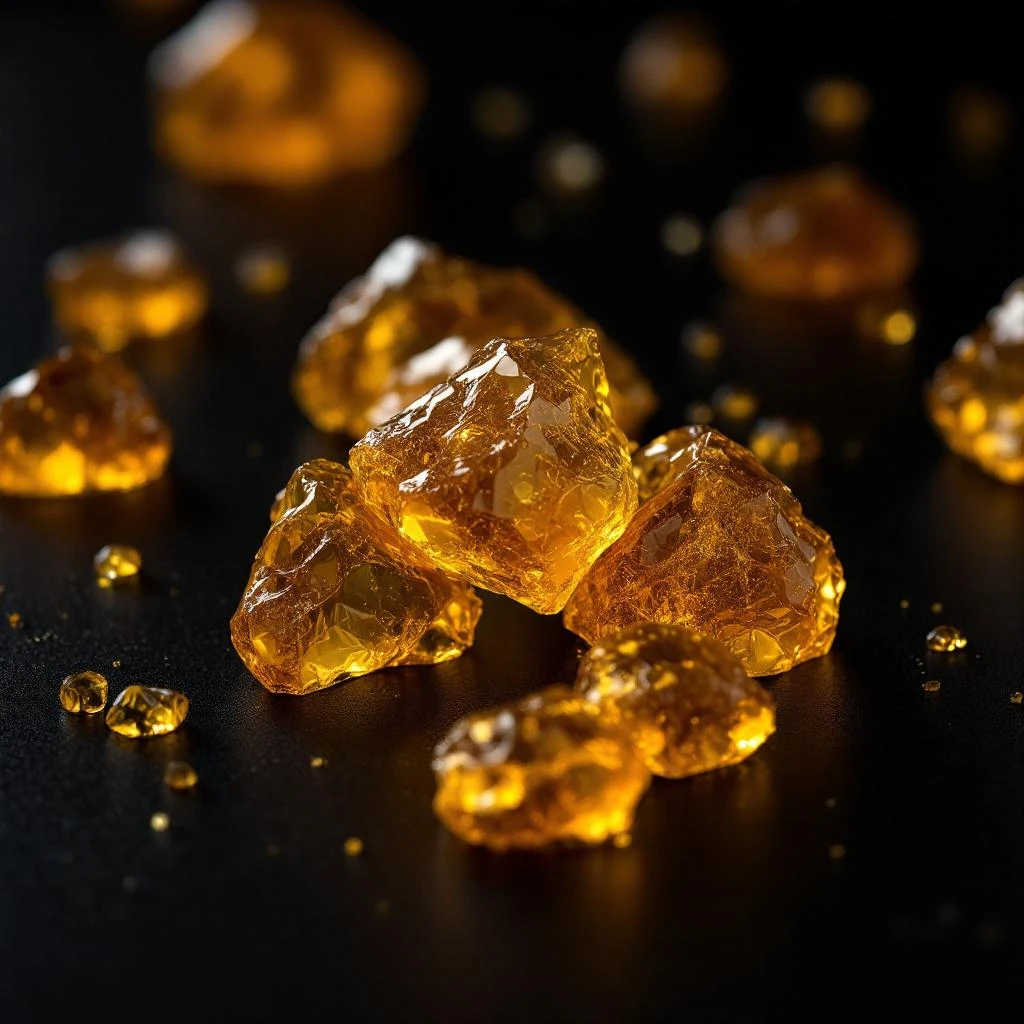
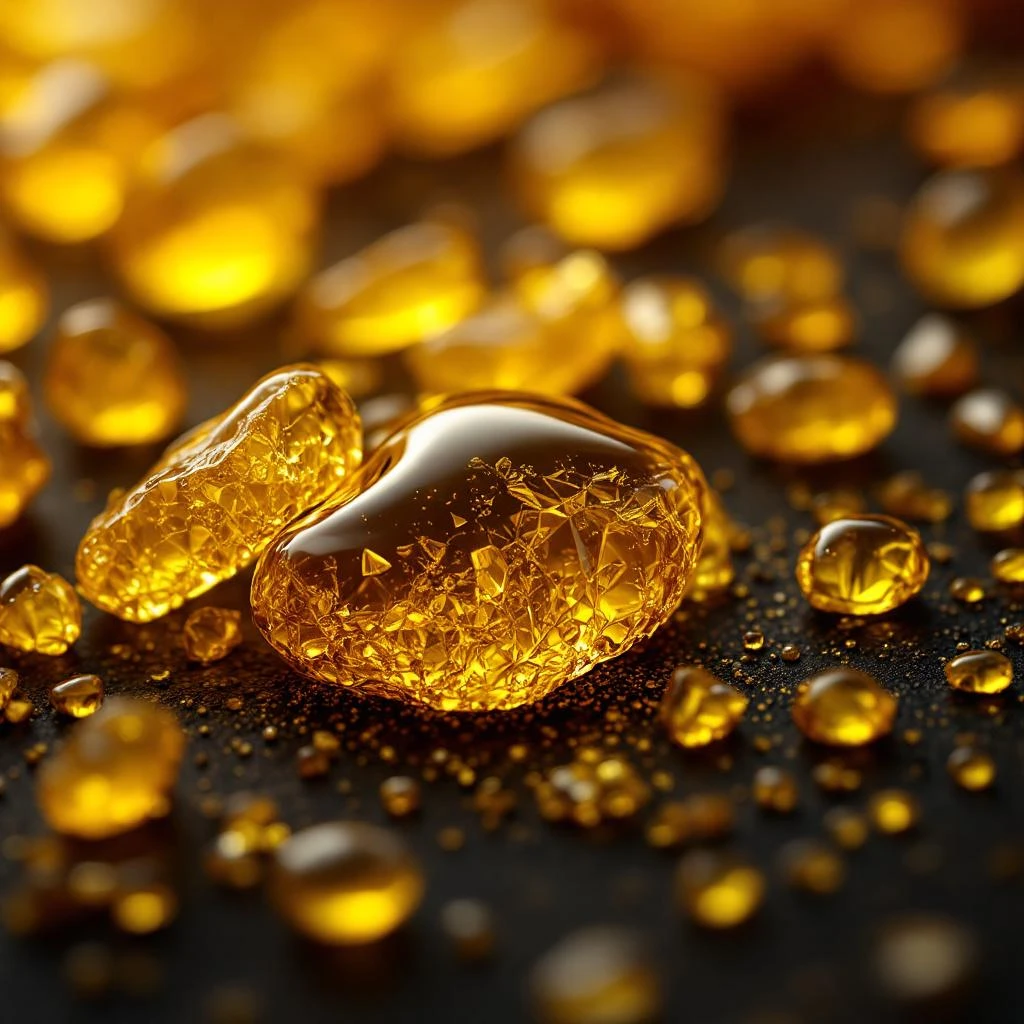
Brown musk refers to raw, unrefined natural musk with a warm, animalic depth that synthetic versions still struggle to fully replicate. This centuries-old ingredient carries an earthy complexity that forms the soul of countless iconic fragrances.
Character
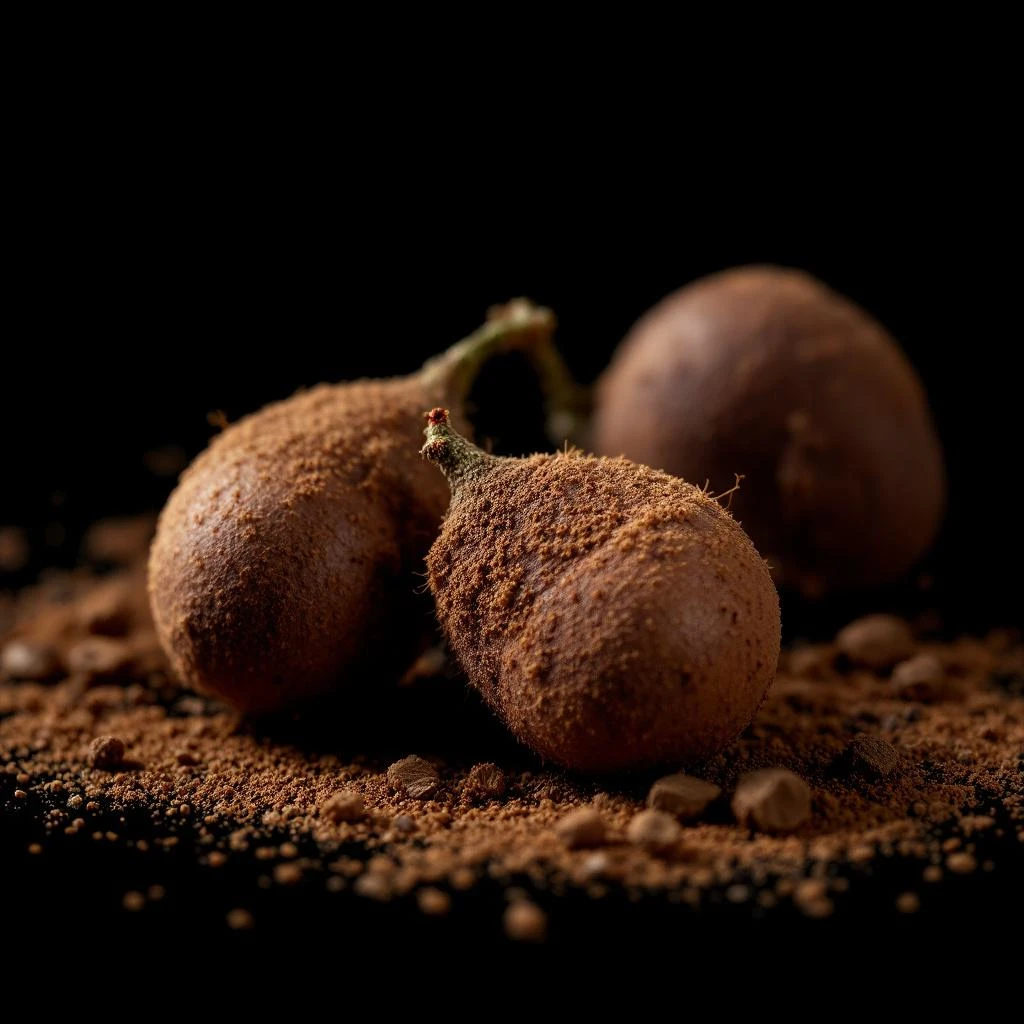
How it smells
The primal warmth that anchors fragrance history.
A single musk pod weighs only about 50 grams but can scent a room for years due to its extraordinary potency.



Origin
Himalayan region (traditional)
Evidence of musk use dates to Sumerian civilization in Mesopotamia around 3000 BC, making it one of the oldest fragrance ingredients in human history. Ancient Egyptians burned musk as incense, while Chinese physicians documented its medicinal properties.
The Arabian Nights mentions musk as a precious commodity traded along ancient spice routes. European perfumers prized musk above all other ingredients for its remarkable fixative properties, helping lighter notes last for hours.
Kings and emperors across Asia used musk as a personal scent and status symbol. The 19th century brought mounting conservation concerns as musk deer populations plummeted from overharvesting, eventually leading to international trade bans and spurring the synthetic alternatives that now dominate the market.
Wears it best
Fragrances featuring Brown musk
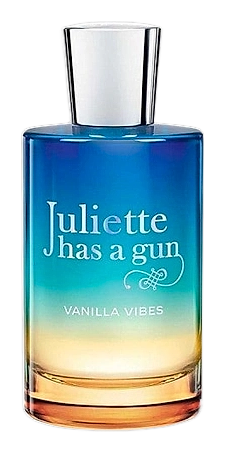
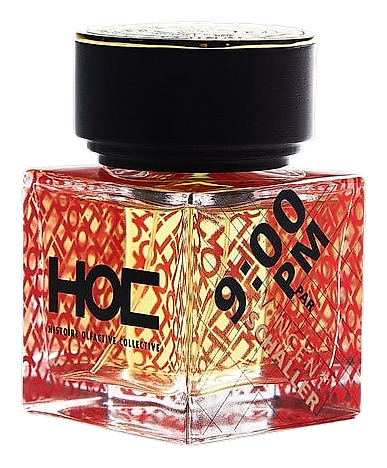
Brands
Brands known for Brown musk
Good to know
Questions, answered
The essentials on Brown musk in perfumery: how it smells, where it comes from, and how it behaves on skin.
What does brown musk smell like?
Brown musk offers a warm, animalic scent with earthy and leathery undertones. It provides depth and staying power that modern white musks often lack.
Is brown musk still made from animals?
Most commercial musk is synthetic today. International trade bans protect wild musk deer populations, making cruelty-free alternatives the industry standard since the early 20th century.
How long has musk been used in perfumery?
Musk has been used for over 5,000 years. Sumerian texts from around 3000 BC document its use, making it one of the oldest continuously used fragrance ingredients.
What makes brown musk different from white musk?
Brown musk typically refers to natural or natural-style musks with warmer, animalic, and earthy characteristics. White musk usually describes cleaner, skin-like synthetic variations popular in modern fine fragrances.
Does brown musk cause allergies?
Like all musk types, brown musk can trigger reactions in sensitive individuals. Synthetic musks generally show lower allergenic potential than their natural counterparts.
Which famous fragrances feature brown musk?
Classic oriental fragrances from houses like Guerlain and Chanel have traditionally featured rich musk bases, though modern formulations typically use synthetic recreations.
Why did perfumers switch to synthetic musk?
Conservation concerns nearly drove musk deer to extinction. Combined with inconsistent natural supplies, synthetic alternatives offered ethical and economical production by the late 1800s.
Can you smell natural musk today?
Legal restrictions and conservation treaties make natural musk extremely rare outside museums. Synthetic recreations capture much of the original character while remaining widely accessible.