Branches
Branch materials in perfumery capture the living architecture of plants, offering green, woody, and resinous qualities that ground fragrances with natural depth and authenticity.
Character
How it smells
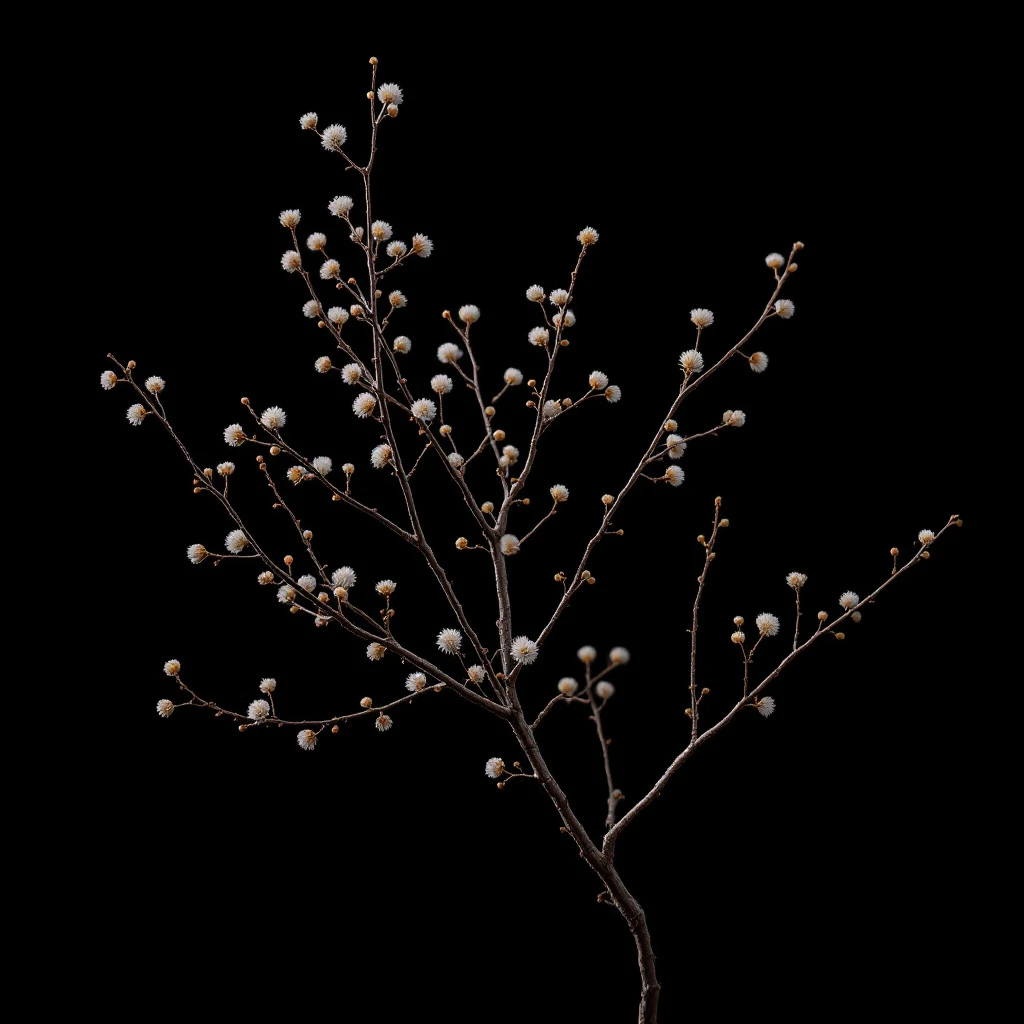
The overlooked architecture of botanical fragrance.
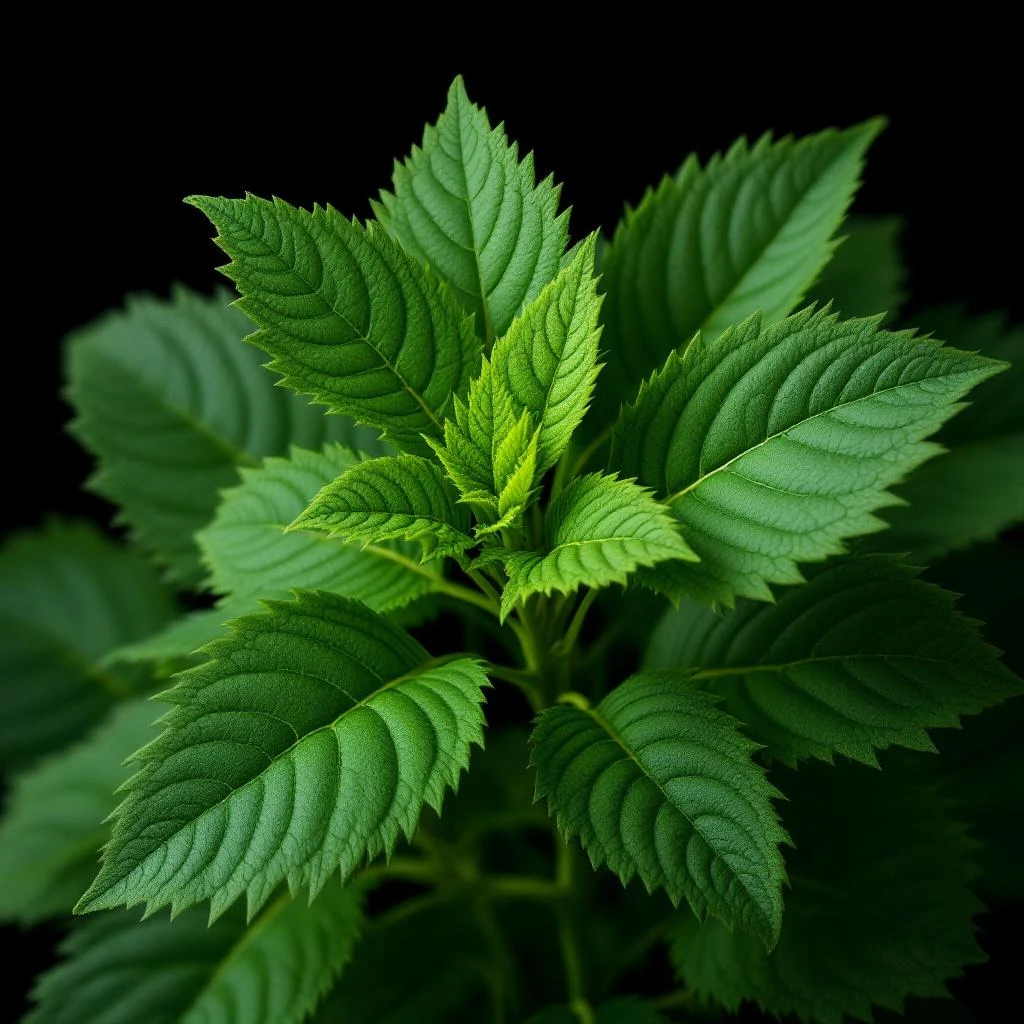
Petitgrain, one of perfumery's most cherished branch materials, comes from the same bitter orange tree that yields neroli and orange oil.


Origin
Paraguay
Ancient civilizations recognized the aromatic potential of plant branches long before modern extraction techniques emerged. Egyptian and Mesopotamian cultures burned wood and branch offerings in religious ceremonies, establishing an early understanding of botanical aromatic properties.
The development of distillation around the 10th century enabled more systematic extraction from branch materials. Petitgrain specifically emerged as a distinct perfumery ingredient during the 18th century in France, when the Grasse region became a center for citrus cultivation and processing.
Growers discovered that processing branches and leaves alongside fruit yielded valuable oil, creating an unexpected resource from what was previously considered waste material. This discovery fundamentally expanded perfumery's botanical vocabulary.
Wears it best
Fragrances featuring Branches
Brands
Brands known for Branches
Good to know
Questions, answered
The essentials on Branches in perfumery: how it smells, where it comes from, and how it behaves on skin.
What fragrance family do branch materials belong to?
Branch materials typically fall into the green or woody fragrance families. They provide fresh, cut-vegetation characteristics that perfumers classify as green top notes or supporting woody elements.
How do branch materials differ from wood and bark ingredients?
Branch materials offer fresher, more herbaceous qualities compared to bark or heartwood extracts. They capture the living portion of the plant, delivering green, slightly bitter characteristics rather than deep, resinous tones.
Can branch materials be synthetically replicated?
Synthetic alternatives exist for some branch-derived aromatics, but they often lack the complex nuance of natural extracts. Natural branch materials contain hundreds of微量 compounds that contribute to their distinctive character.
What plants are commonly used for branch materials in perfumery?
Bitter orange branches yield petitgrain, while cassia comes from cinnamon tree twigs. Fragrant wintergreen, Virginia cedar, and various conifer branches also enter perfumery through distillation.
Do branch materials have aromatherapy applications?
Some branch-derived oils, particularly cedarwood and pine, have traditional aromatherapy uses for grounding and respiratory benefits. Petitgrain oil is used for calming preparations.
How much do branch materials contribute to a fragrance formula?
Branch materials typically function as supporting or heart notes, comprising 5-25% of a fragrance composition. Their role involves adding naturalness and green depth to the overall scent profile.
Which fragrance notes pair well with branch materials?
Branch materials complement citrus, floral, and other green ingredients naturally. They also bridge well between light top notes and heavier base materials like woods and musks.