Bornyl Acetate
A monoterpene ester that captures the crisp air of conifer forests. Bornyl acetate bridges the gap between raw botanical material and refined perfumery, lending its fresh, piney warmth to formulations across the fragrance industry.

Character
How it smells
The fresh, piney heart of the conifer forest.
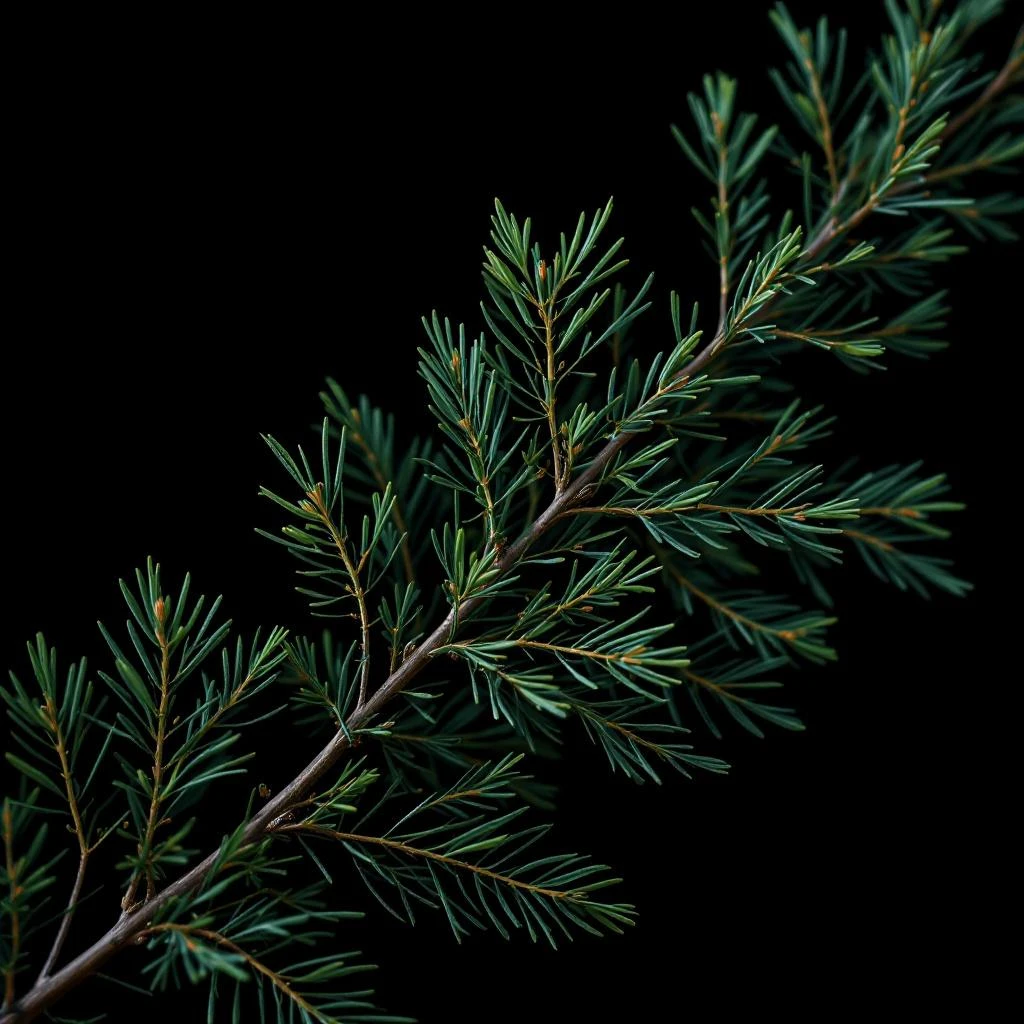
Bornyl acetate appears in both pine needles and culinary herbs like thyme and coriander, linking forest and kitchen through a shared aromatic signature.






Origin
China
Conifer needle oils have served human purposes for thousands of years, with ancient civilizations burning pine resins for ritual and medicinal use. Bornyl acetate likely appeared in these early applications without isolation or identification.
The compound remained unnamed until 19th-century chemists began systematically analyzing essential oils, establishing the foundation for modern fragrance chemistry. Traditional medicine systems across Asia incorporated pine needle preparations for respiratory and muscular complaints, applications now linked to bornyl acetate's anti-inflammatory properties.
The fragrance industry adopted bornyl acetate during the 20th century's shift toward ingredient standardization, replacing whole essential oils with isolated compounds that offered consistency and creative flexibility. Today it represents one of the most traded monoterpene esters globally, bridging traditional botanical knowledge and contemporary perfumery practice.
Wears it best
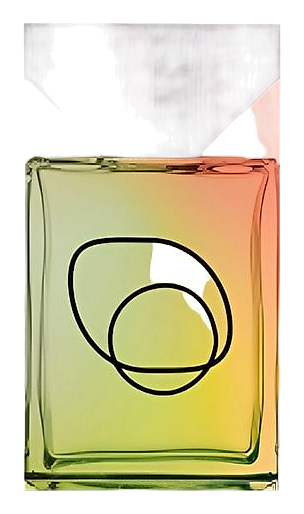
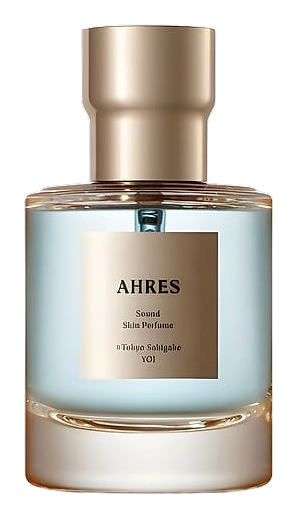
Fragrances featuring Bornyl Acetate
Brands
Brands known for Bornyl Acetate
Good to know
Questions, answered
The essentials on Bornyl Acetate in perfumery: how it smells, where it comes from, and how it behaves on skin.
What does bornyl acetate smell like?
Bornyl acetate has a fresh, piney aroma with woody, camphoraceous undertones and subtle citrus brightness. It recalls the scent of walking through a conifer forest after rain, bringing crisp mountain air into fragrance compositions.
Is bornyl acetate derived from natural or synthetic sources?
Both natural and synthetic forms exist. Natural bornyl acetate comes from steam-distilled conifer needle oils, while synthetic production typically involves esterifying borneol with acetic acid. Most premium fragrance houses prefer naturally-derived material for its more complex olfactory profile.
What products contain bornyl acetate?
Bornyl acetate appears in air fresheners, household cleaners, soaps, and personal care products requiring fresh, forest-like scents. Perfumers also use it as a supporting note in masculine colognes and nature-inspired fragrances, typically at low concentrations between 0.5 and 5 percent.
Does bornyl acetate have any functional properties beyond fragrance?
Research indicates bornyl acetate exhibits anti-inflammatory and antimicrobial properties, which explains its traditional use in folk medicine. These characteristics also make it valuable in functional household and personal care formulations where consumers seek added benefits beyond scent.
How much bornyl acetate is produced globally each year?
Global production reaches into the thousands of tons annually, with demand driven primarily by the fragrance and flavor industries. China and India serve as major production centers due to extensive pine forest resources and established essential oil extraction infrastructure.
Can bornyl acetate be found in plants other than pine trees?
Beyond conifers, bornyl acetate occurs naturally in thyme, rosemary, coriander, and several other aromatic herbs. This widespread distribution reflects its role as a common defense compound in many plants producing fragrant essential oils.
Are there safety concerns with bornyl acetate use in cosmetics?
Regulatory bodies including IFRA and RIFM have evaluated bornyl acetate and found it safe for fragrance use at current exposure levels. The compound appears on multiple positive assessment lists for cosmetic and personal care applications when used according to established guidelines.
What fragrance families pair well with bornyl acetate?
Bornyl acetate harmonizes naturally with citrus oils, other conifer-derived materials like pinene and camphor, woody notes such as cedarwood, and aromatic herbs including lavender and clary sage. It adds freshness and natural character to these fragrance families without overpowering them.