Blackcurrant Puree
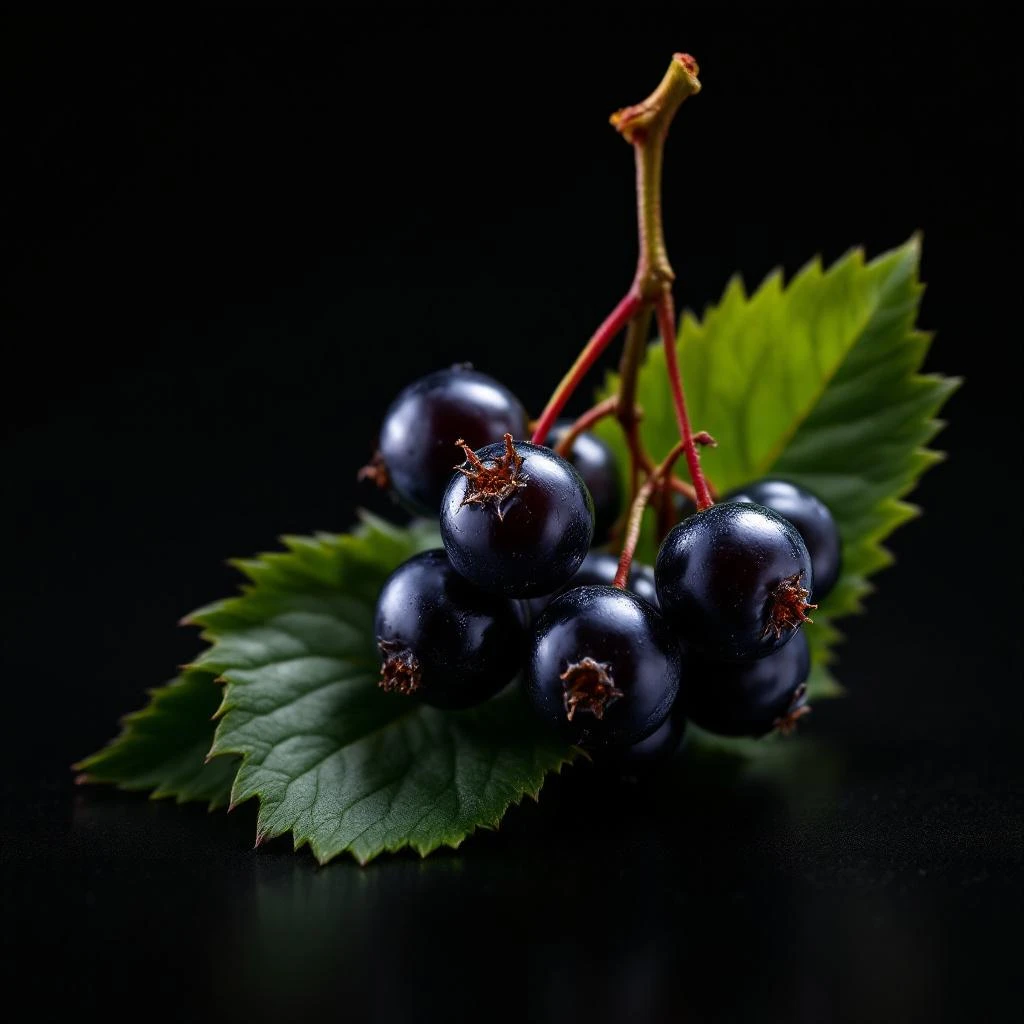
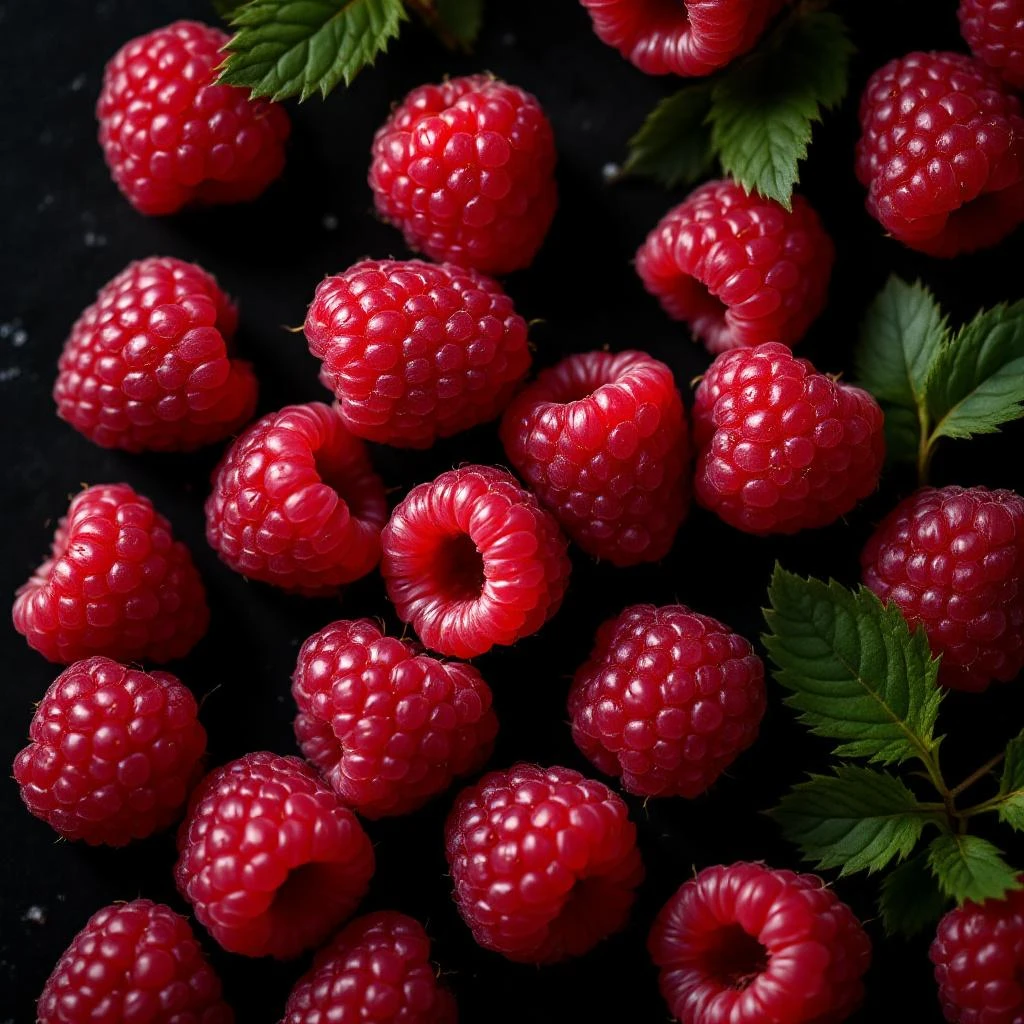
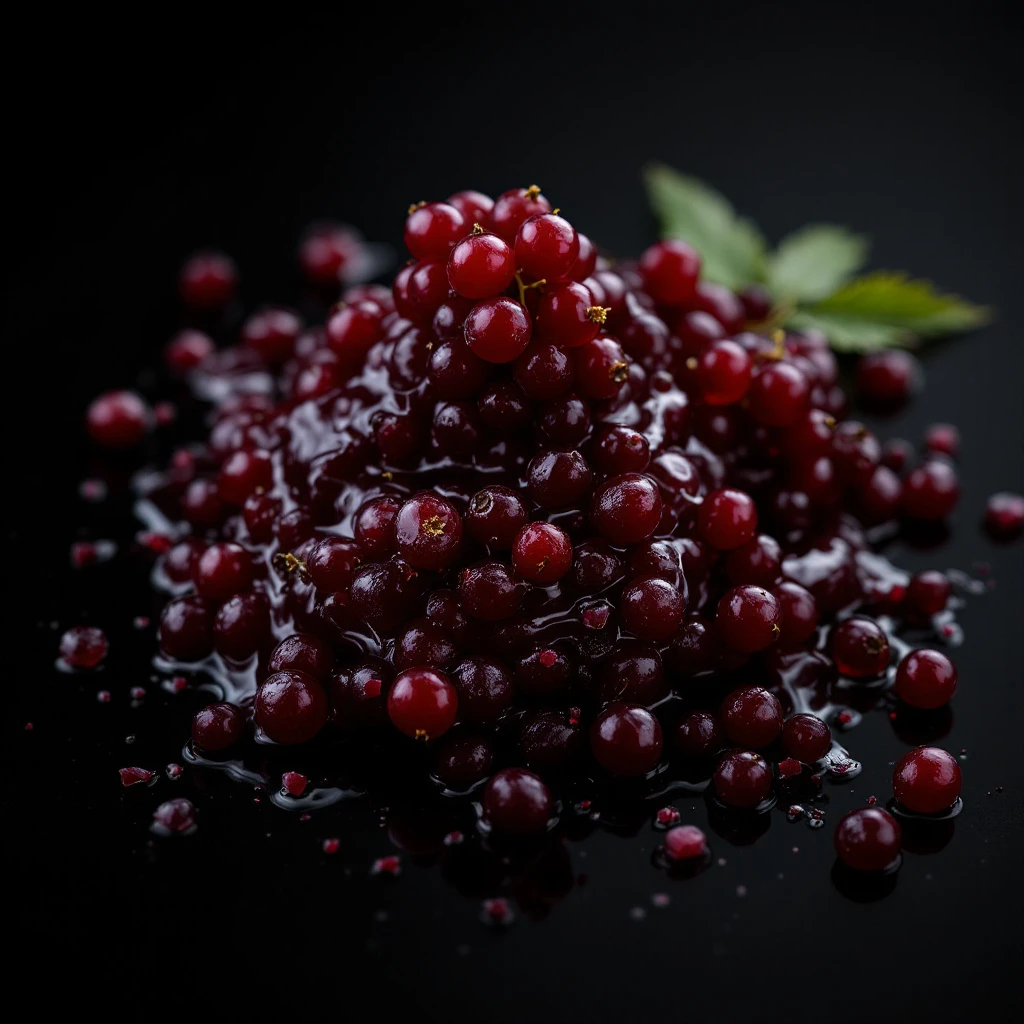
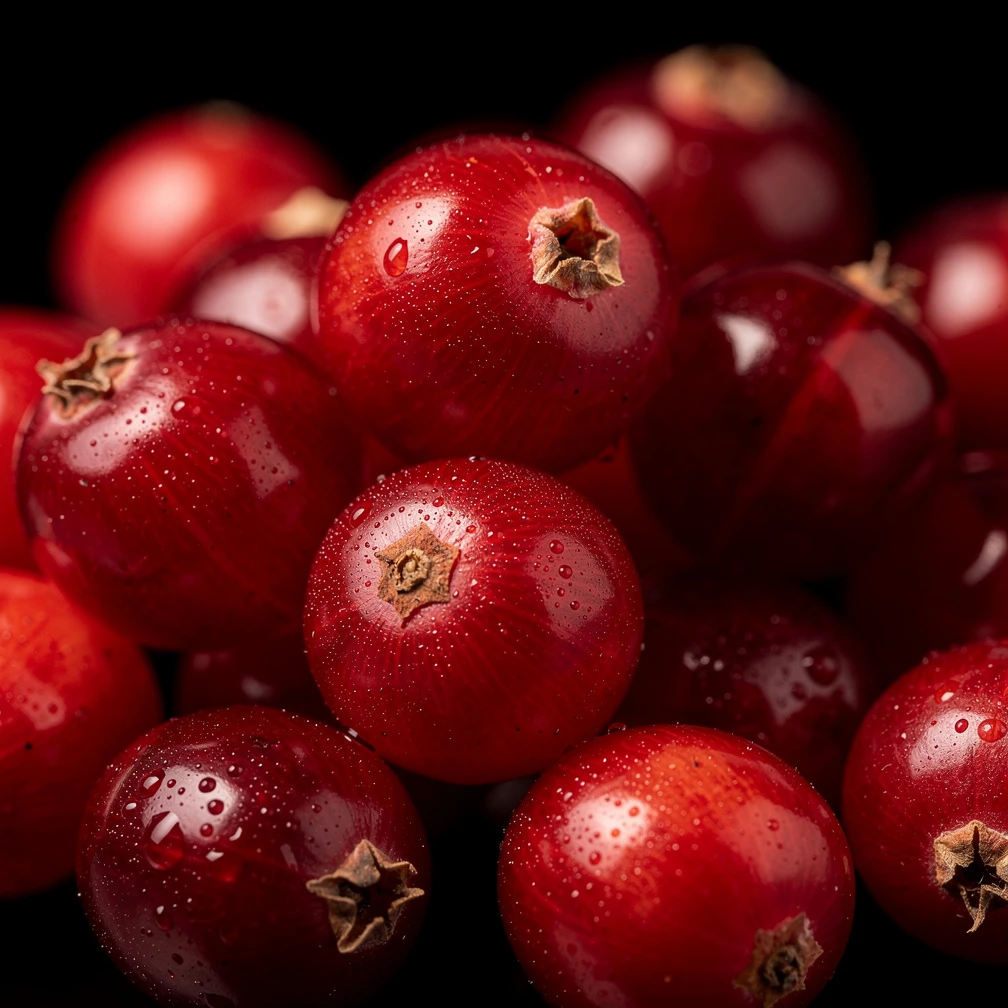
Blackcurrant puree captures the tart, sun-warmed intensity of Ribes nigrum fruit at peak ripeness. It brings a jammy sweetness layered with leafy green sharpness, giving fragrances a vivid, edible brightness.
Character
How it smells
Tart fruit, green leaves, concentrated sunshine
Blackcurrant puree differs from the famous bud absolute; where buds yield a green, catty, sulfurous edge, the fruit itself delivers pure sugary pulp with a leafy undertone.




Origin
France
The blackcurrant plant, Ribes nigrum, has been part of European herbal and culinary tradition since antiquity, though its entry into modern perfumery is recent. The bud absolute, not the fruit puree, pioneered the note: Guerlain placed cassis bud absolute into Chamade in 1969, a landmark composition that introduced perfumery to the sharp, green-catty quality of the plant.
The fruit itself, long prized in French cuisine as cassis, appeared in liqueurs like crème de cassis de Dijon, which carries a protected geographical indication tied to Burgundy. As perfumers sought richer, sweeter interpretations of the cassis theme, fruit-derived materials entered the palette alongside bud extracts.
Today, blackcurrant appears in countless compositions, often in the opening where its tart jammy sweetness and green edge create instant lift. The duality of fruit and bud gives perfumers two distinct voices from a single species: the leafy, sulfurous whisper of the bud and the warm, sugary burst of the berry.
Wears it best
Fragrances featuring Blackcurrant Puree
Brands
Brands known for Blackcurrant Puree
Good to know
Questions, answered
The essentials on Blackcurrant Puree in perfumery: how it smells, where it comes from, and how it behaves on skin.
What does blackcurrant puree smell like in perfume?
Blackcurrant puree smells like ripe fruit: sweet-tart, jammy, and slightly green. It is softer and more sugary than blackcurrant bud absolute, which adds a sharper, catty, almost sulfurous edge. The puree emphasizes the edible, pulpy character of the berry.
Is blackcurrant puree natural or synthetic in perfumery?
Blackcurrant puree can be either. Natural versions come from Ribes nigrum fruit processed into a concentrated extract. Synthetic accords built from esters like ethyl methylbutyrate and green notes replicate the effect when cost or stability rules out the real fruit.
How is blackcurrant puree different from blackcurrant bud absolute?
Blackcurrant puree comes from the ripe berry and smells jammy and sweet. Bud absolute comes from unopened flower buds and smells greener, sharper, with a catty, slightly sulfurous signature. Both originate from Ribes nigrum but deliver distinct olfactory profiles.
When was blackcurrant first used in perfumery?
Blackcurrant entered modern perfumery through Guerlain's Chamade in 1969, where bud absolute was featured. The fruit-derived materials followed as perfumers sought richer, sweeter expressions of the cassis theme already familiar from French liqueurs.
Where is blackcurrant for perfume produced?
Burgundy, France, is the primary region for Ribes nigrum cultivation aimed at perfumery, liqueurs, and juices. Eastern European countries including Poland also produce significant volumes for fragrance and flavor industries.
What fragrance families feature blackcurrant puree?
Blackcurrant puree appears most often in fruity and fruity-floral compositions, frequently anchoring the top notes. It also features in fresh gourmand and chypre-style fragrances where its tart sweetness bridges citrus and heavier base materials.
Why is blackcurrant so popular in fragrance openings?
Blackcurrant's tart-sweet profile adds immediate brightness and lift. Its natural green and catty facets create a recognizable signature that helps a fragrance stand out in the volatile top-note phase before settling into heart and base.
Does blackcurrant puree last long on skin?
Blackcurrant puree is a top to mid note and fades within one to two hours on most skin types. The green, sulfurous facets of bud extracts tend to vanish faster than the jammy fruit sweetness, which persists slightly longer.