Black Soap
A smoke-tinged, mineral-rich base note inspired by West Africa's generational cleansing tradition. Earthy and grounding, it adds unexpected depth to modern fragrances.
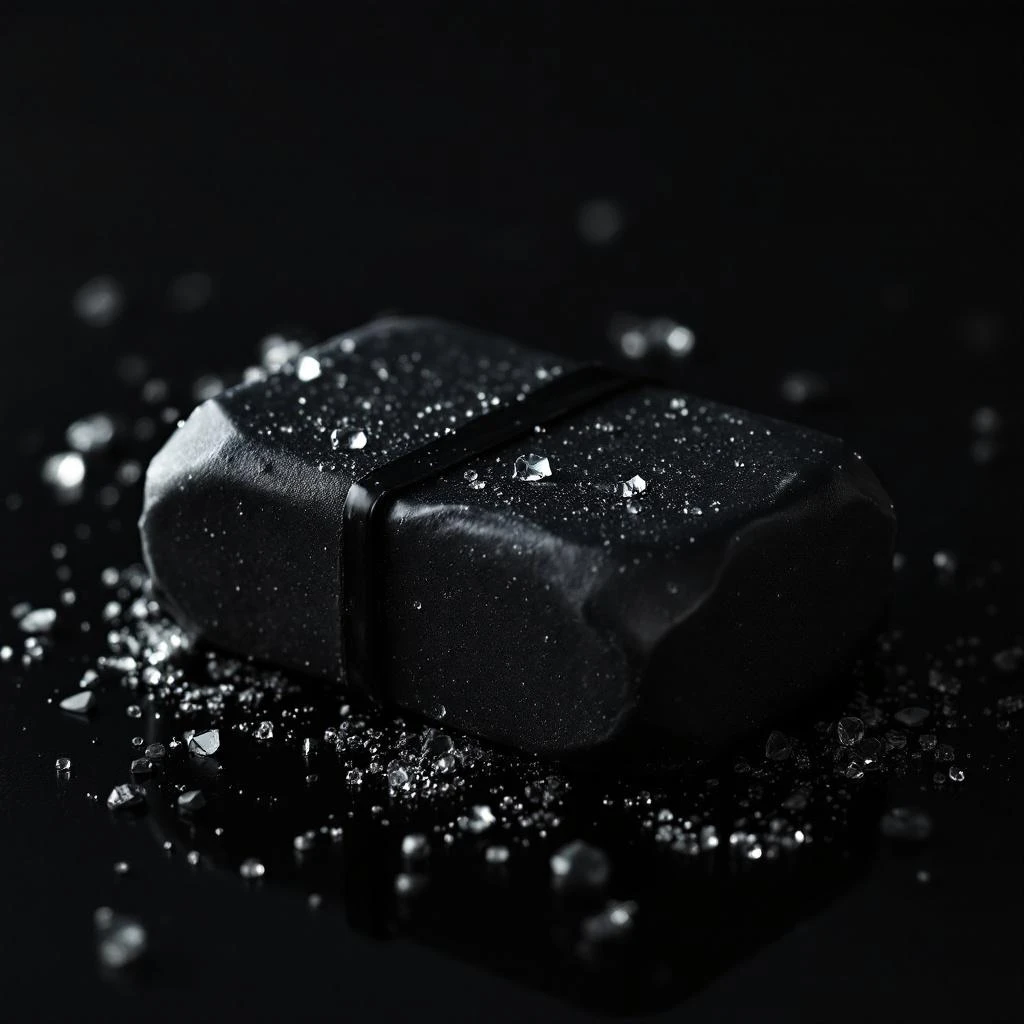
Character
How it smells
Smoke, earth, and centuries of craft.
The Yoruba word for this soap is "ose dudu" — "dudu" simply means black, referring to the plantain ash that gives it its dark color.



Origin
Nigeria
African black soap emerged among the Yoruba people of Nigeria, where women developed this cleansing tradition hundreds of years ago. The craft spread across West Africa to Benin, Togo, and Ghana, becoming a cultural staple passed from mother to daughter through generations.
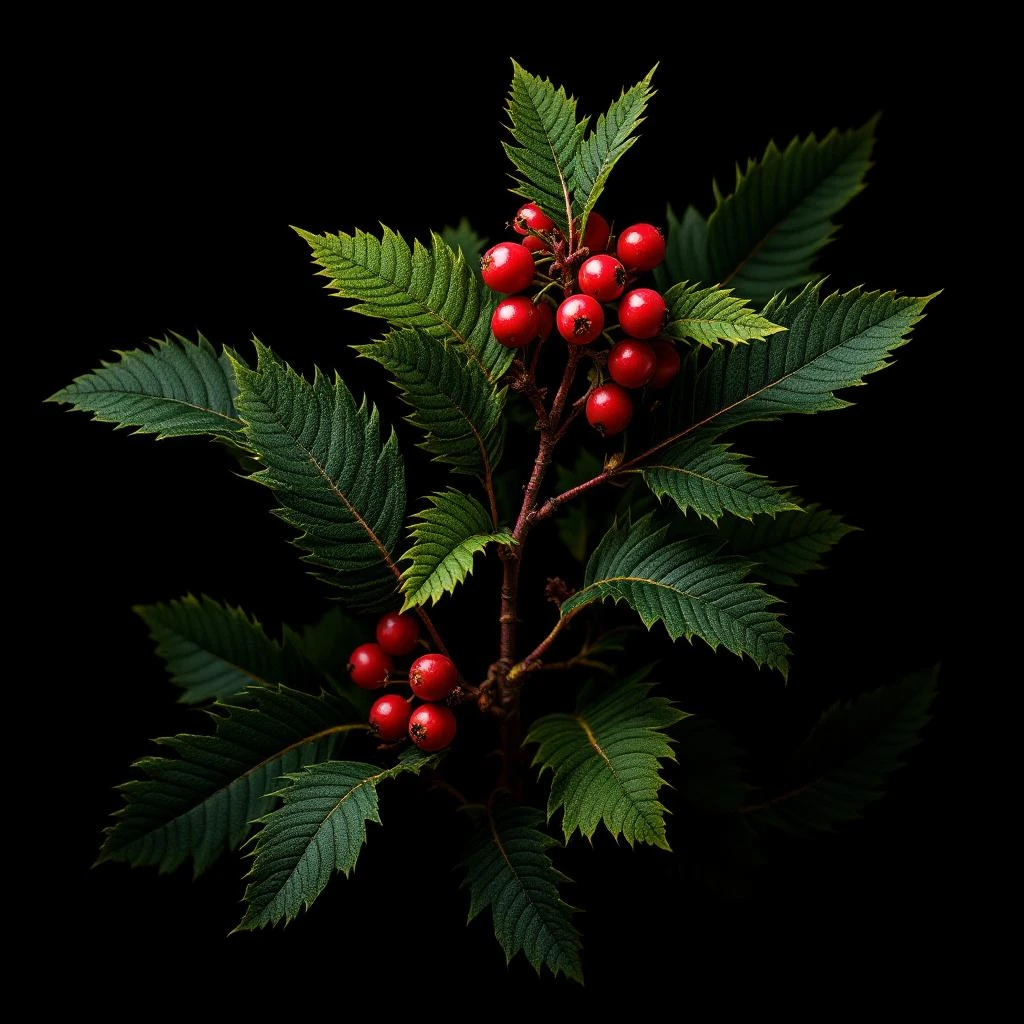
Yoruba healers first incorporated the soap for its skin-purifying properties, using locally harvested plantain, cocoa pods, and palm derivatives. The soap's dark color comes entirely from the burned plant matter, not added dyes.
Early traders carried it along West African coastal routes, and the formula varied by region and family. Each village maintained its own proportions, creating subtle regional differences in texture and scent that persist today.
Wears it best
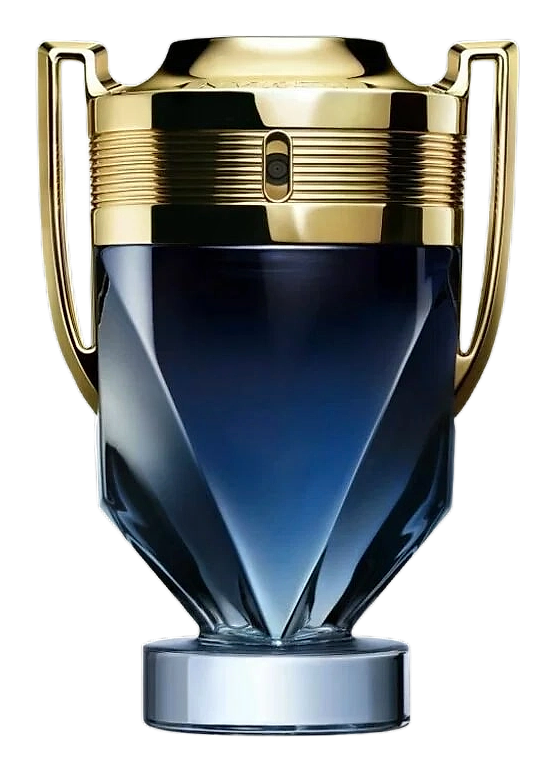
Fragrances featuring Black Soap
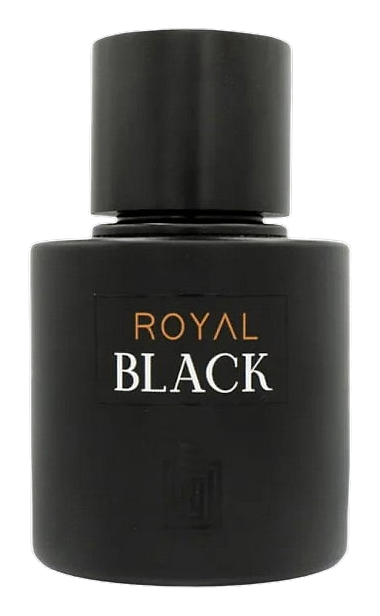
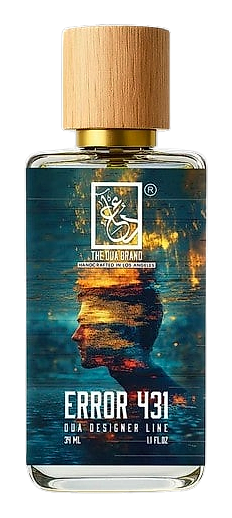
Brands
Brands known for Black Soap
Good to know
Questions, answered
The essentials on Black Soap in perfumery: how it smells, where it comes from, and how it behaves on skin.
What does black soap smell like in fragrance?
Black soap in perfumery typically reads as smoky, earthy, and mineral-rich with subtle cocoa and woodsmoke undertones. It works as a base note that adds a clean yet grounded quality.
Is actual black soap used in perfumery?
Most fragrance houses create accord versions of black soap rather than using the actual soap. They reconstruct the smoky-mineral profile using ingredients like birch tar, cade oil, and synthetic musk.
Where does African black soap originate?
African black soap originated with the Yoruba people of Nigeria. The Yoruba term "ose dudu" translates directly to "black soap."
What gives black soap its dark color?
The dark color comes entirely from burned plantain peel ash. No artificial dyes or colorants are used in traditional production.
How long does traditional black soap take to make?
Traditional production is a multi-day process involving burning plant matter to ash, slowly combining it with oils, and hand-stirring the mixture until it reaches the correct consistency.
What ingredients make up traditional black soap?
Traditional recipes combine plantain peel ash, cocoa pod husk ash, palm kernel oil, and shea butter. Regional variations exist, with some families adding camwood or other local botanicals.
What fragrance families use black soap notes?
Black soap accords appear most often in modern and minimalist fragrances, clean aesthetic perfumes, and unisex compositions that aim for an atmospheric, skin-close quality.
Does black soap have a cultural significance beyond skincare?
Yes. Among Yoruba communities, black soap carries generational significance, with production knowledge traditionally passed from mothers to daughters as part of cultural heritage.