Bengal Nagarmotha
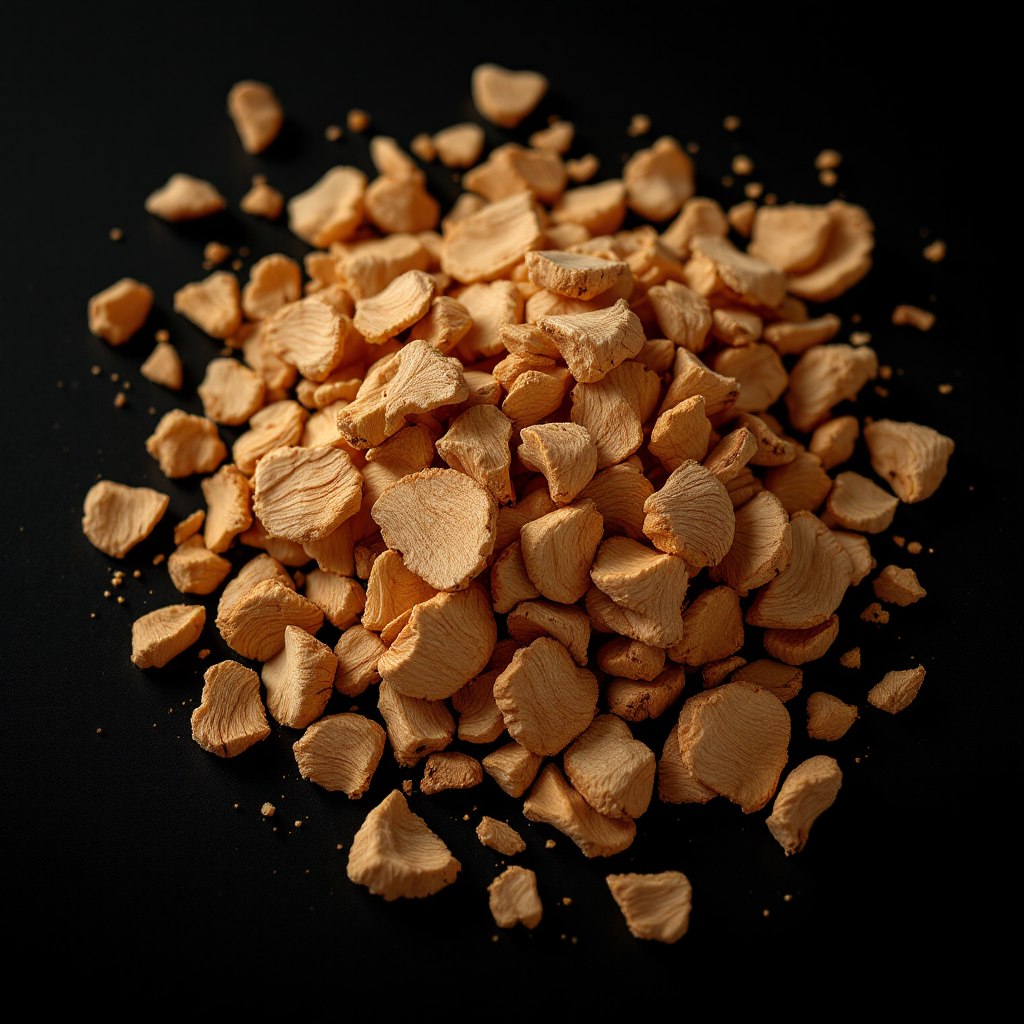
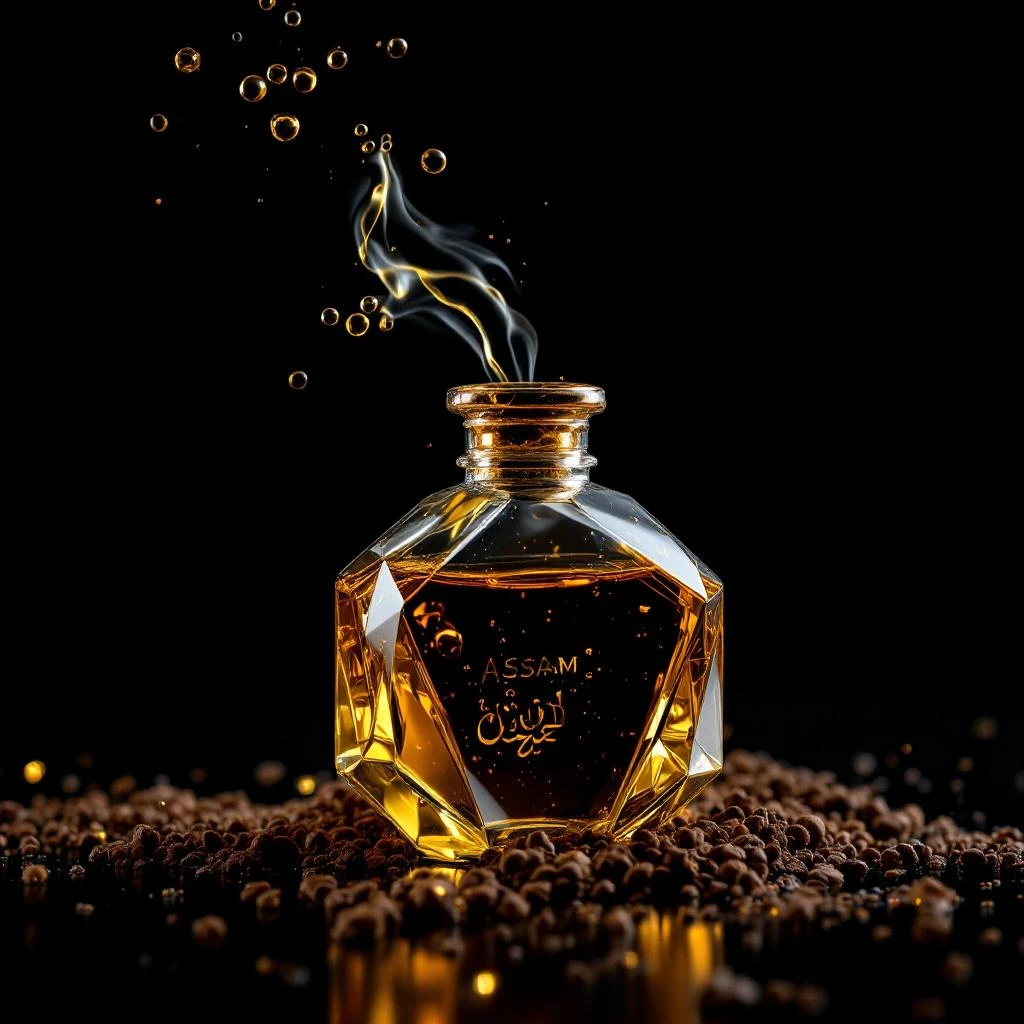
Bengal Nagarmotha, also called Cypriol, comes from the dried roots of a wild sedge native to the Indian subcontinent. Its smoky, leathery, earthy aroma with whispers of vetiver and cedar has anchored perfumery for centuries.

Character
How it smells
Smoke-kissed root with three millennia of stories
Nagarmotha roots are steam distilled to yield an oil that smells nothing like a typical flower, closer to scorched earth, worn leather, and old tobacco leaves.





Origin
India
Nagarmotha, known in Sanskrit as nalada, appears in the Charaka Samhita and Sushruta Samhita, foundational Ayurvedic texts compiled more than three thousand years ago. Physicians prescribed the root for digestive complaints, fever, and skin conditions, while also burning it as incense in temple rituals.
The Mughals carried nagarmotha westward along caravan routes through Persia and Arabia during the sixteenth and seventeenth centuries, where perfumers began incorporating the oil into attar blends and oud compositions. By the Victorian era, European perfumers in Grasse recognized nagarmotha, then called cypriol, as a fixative of remarkable tenacity, capable of anchoring fleeting top notes for days on fabric.
Indian agarbatti manufacturers adopted steam-distilled cypriol oil in the early twentieth century to replace wild-harvested root powder, standardizing incense production across the subcontinent. Today, the oil remains a staple in Indian perfumery, where it forms the smoky backbone of traditional attars and modern niche compositions alike.
Wears it best
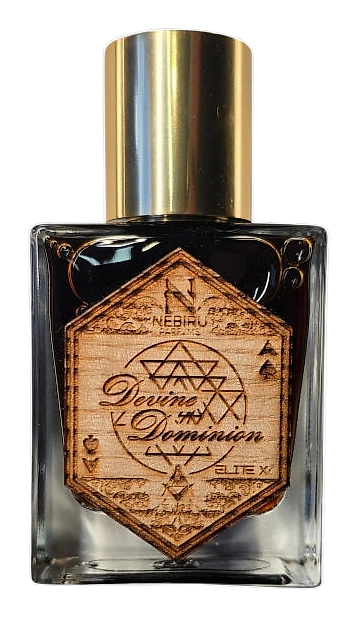
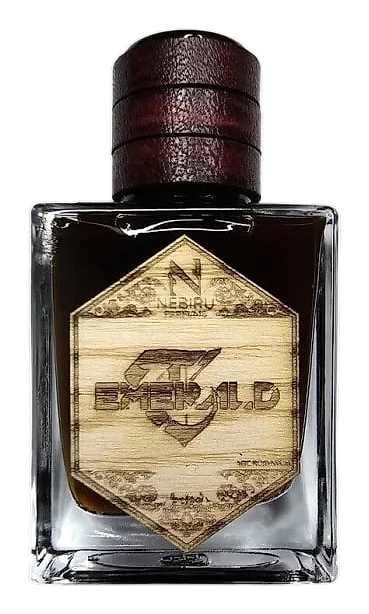
Fragrances featuring Bengal Nagarmotha
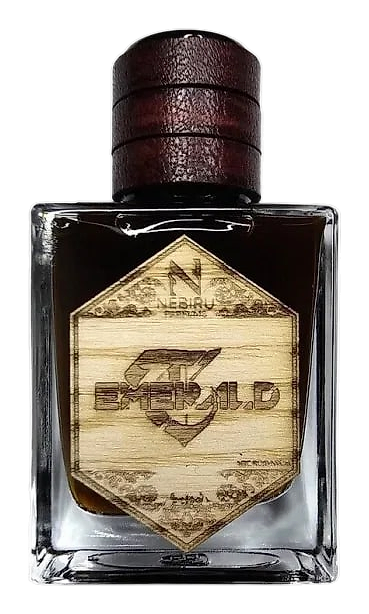
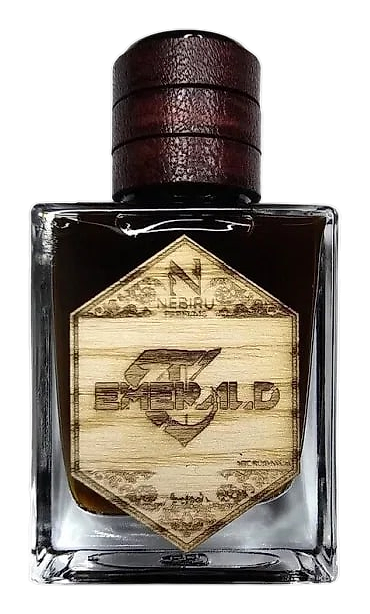
Brands
Brands known for Bengal Nagarmotha
Good to know
Questions, answered
The essentials on Bengal Nagarmotha in perfumery: how it smells, where it comes from, and how it behaves on skin.
What does Bengal Nagarmotha smell like?
Bengal Nagarmotha smells smoky, earthy, and leathery, with dry-woody undertones reminiscent of vetiver and aged cedar. Some detect a faint tobacco or incense quality. The scent is deep, tenacious, and unmistakably mineral, unlike any floral or citrus note in perfumery.
Is Nagarmotha the same as Cypriol?
Yes, Nagarmotha and Cypriol refer to the same ingredient, the essential oil distilled from the roots of Cyperus scariosus. Indian trade and Ayurvedic traditions typically use Nagarmotha, while Western perfumery adopted the French botanical term Cypriol during the colonial era.
Where is Nagarmotha native to?
Nagarmotha grows wild across the marshy grasslands of the Indian subcontinent, particularly in West Bengal, Uttar Pradesh, and parts of Bangladesh. Cyperus scariosus thrives in waterlogged soils where few aromatic plants survive.
How is Nagarmotha oil extracted?
Producers steam-distill sun-dried Nagarmotha roots and rhizomes in stainless steel chambers for up to twenty hours per batch. The resulting amber oil separates naturally from the hydrosol, yielding roughly two to three percent oil by weight of raw root material.
Is Nagarmotha safe for skin?
Nagarmotha oil is generally considered safe in diluted perfume concentrations, typically below one percent in a finished formula. Always patch-test concentrated oil on inner forearm before broader use, as some individuals with sensitive skin may experience mild irritation.
What perfumes contain Nagarmotha?
Nagarmotha appears in traditional Indian attars, oud-forward compositions, and several niche fragrances exploring smoky, woody themes. Its fixative qualities make it a frequent base note in incense-style perfumes and leather-oriented blends across both Western and Eastern houses.
How long does Nagarmotha oil last on skin?
Nagarmotha is one of the most tenacious natural perfume materials available, often lingering on skin for more than twenty-four hours. Its heavy molecular structure acts as a fixative, slowing the evaporation of lighter top and heart notes layered above it.
What is the history of Nagarmotha in perfumery?
Nagarmotha has perfumery roots stretching back over three thousand years to Ayurvedic incense and medicinal preparations. Mughal-era traders carried the oil along caravan routes into Persia and the Middle East, and Victorian Grasse perfumers later adopted it as a fixative.