Beeswax Candle
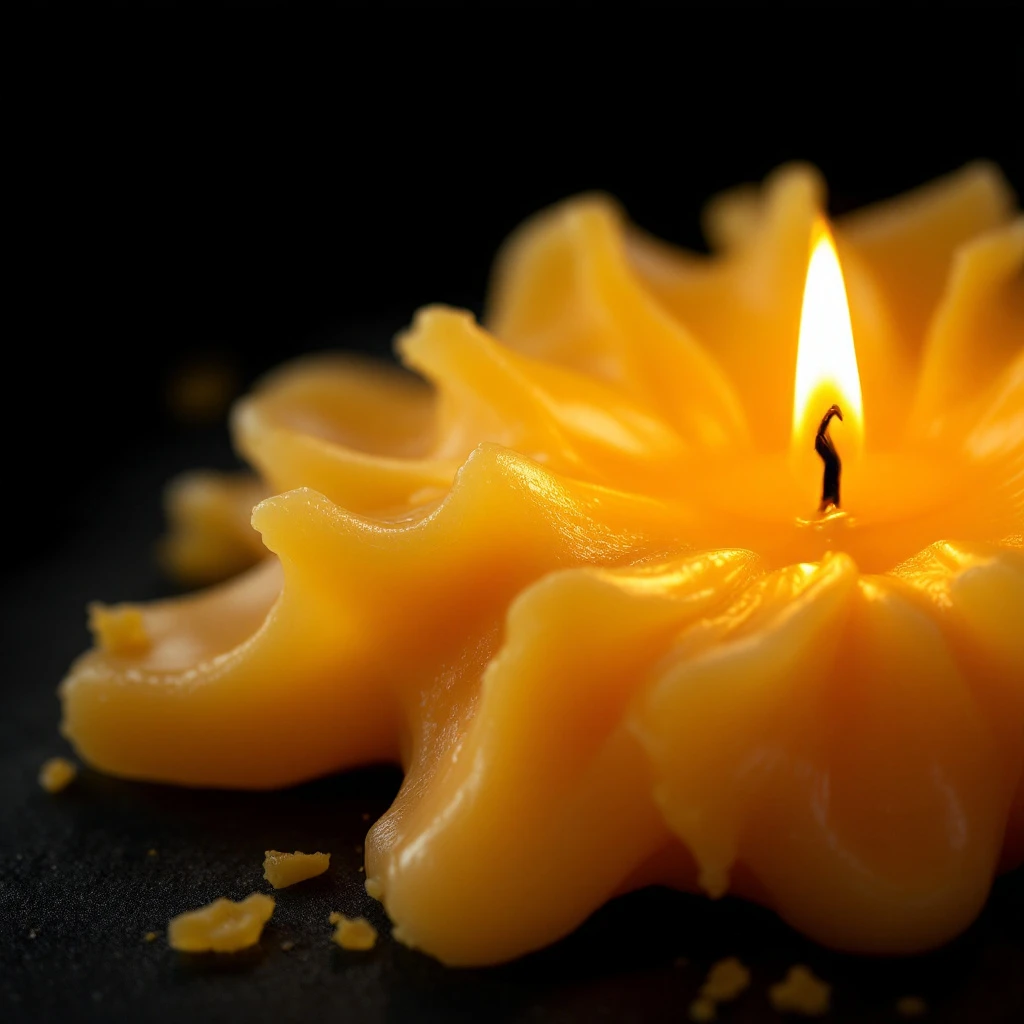
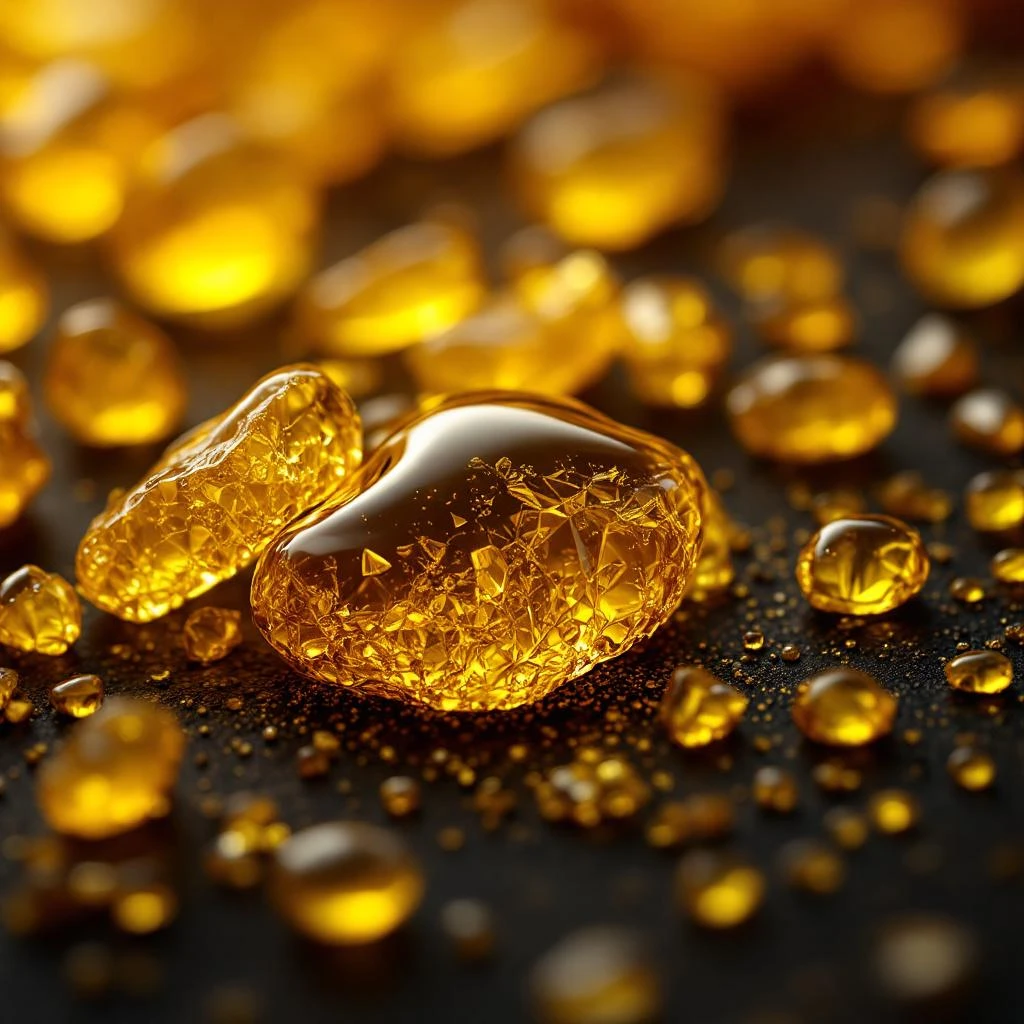
A warm, honeyed note that captures the slow burn of pure beeswax. It carries golden sweetness, faint pollen undertones, and the quiet comfort of a candle burning low on a winter evening.
Character
How it smells
Golden, honeyed warmth in slow burn
Beeswax candles burn brighter and longer than tallow because beeswax has a higher melting point, around 62 to 64 degrees Celsius, producing a cleaner, soot-free flame.

Origin
Egypt
The earliest documented beeswax candles appear in ancient Egypt, where Egyptians dipped rolled papyrus cores into melted beeswax to create torches and ritual lights. By the Middle Ages, beeswax had become the preferred candle material across Europe, prized over tallow for its clean burn, pleasant aroma, and near-complete combustion. The Catholic Church adopted beeswax candles almost exclusively for liturgical use, symbolizing the purity of Christ, while tallow candles remained standard for everyday households.
So valuable was beeswax that medieval European beekeepers paid wax tribute to monasteries. In the 1820s, French chemist Michel Eugène Chevreul isolated stearic acid, enabling the development of stearin candles that gradually displaced beeswax in commercial markets. Despite this shift, beeswax candles retained ceremonial and luxury status.
Today they remain associated with natural, slow-living traditions and Orthodox Christian liturgy, where unadulterated beeswax remains the only acceptable candle material.
Wears it best
Fragrances featuring Beeswax Candle
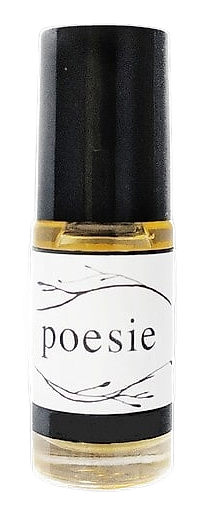
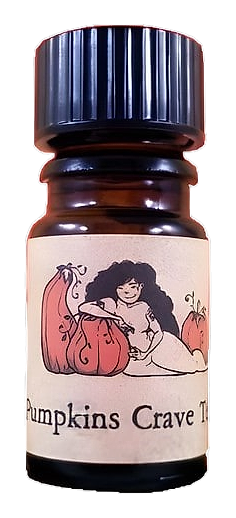
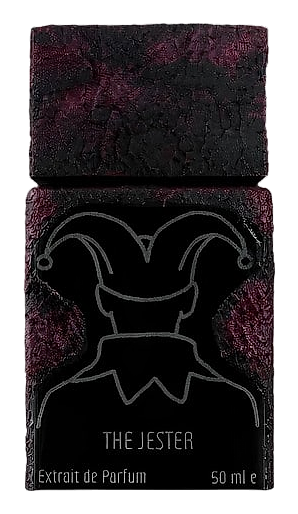
Brands
Brands known for Beeswax Candle
Good to know
Questions, answered
The essentials on Beeswax Candle in perfumery: how it smells, where it comes from, and how it behaves on skin.
What does beeswax candle smell like in perfumery?
Beeswax candle contributes a warm, honeyed, slightly pollen-sweet aroma with soft hay-like undertones. It rarely stands alone in fragrance compositions, instead anchoring gourmand, amber, and resinous accords with a comforting golden base.
Is beeswax candle a natural or synthetic note?
Yes, beeswax candle is a natural note. Perfumers derive it from real honeycomb wax rendered and infused with fragrance oils, or recreate the scent synthetically using compounds like honey absolute and warm aldehydes.
Why are beeswax candles more expensive than paraffin?
Beeswax candles cost more because honey bees must consume roughly eight grams of honey to produce one gram of wax. This low yield, combined with slow rendering processes, raises production costs significantly.
When were beeswax candles first used?
The earliest evidence places beeswax candles in ancient Egypt around 3000 BCE. Egyptians dipped papyrus cores in molten beeswax, creating ritual lights that burned cleaner than available animal-fat alternatives.
Do beeswax candles really burn cleaner than other candles?
Yes. Beeswax has a high melting point around 62 to 64 degrees Celsius and combusts almost entirely, producing minimal soot. Tests show beeswax candles release far fewer airborne particles than paraffin or tallow versions.
What is the difference between white and yellow beeswax?
Yellow beeswax retains natural pollen and propolis traces, giving it a deeper golden hue and richer scent. White beeswax undergoes sun-bleaching or chemical filtration, resulting in a neutral color and milder aroma suitable for fragrance blending.
Are beeswax candles suitable for vegans?
No, beeswax is an animal-derived product secreted by honey bees. Vegans typically choose plant-based candle alternatives such as soy wax, coconut wax, or rapeseed wax instead of beeswax formulations.
How is beeswax used in solid perfume formats?
Perfumers melt beeswax with carrier oils and fragrance oils, then pour the mixture into tins or compacts to solidify. The wax acts as a natural base that holds scent close to the skin, releasing it gradually with body heat.