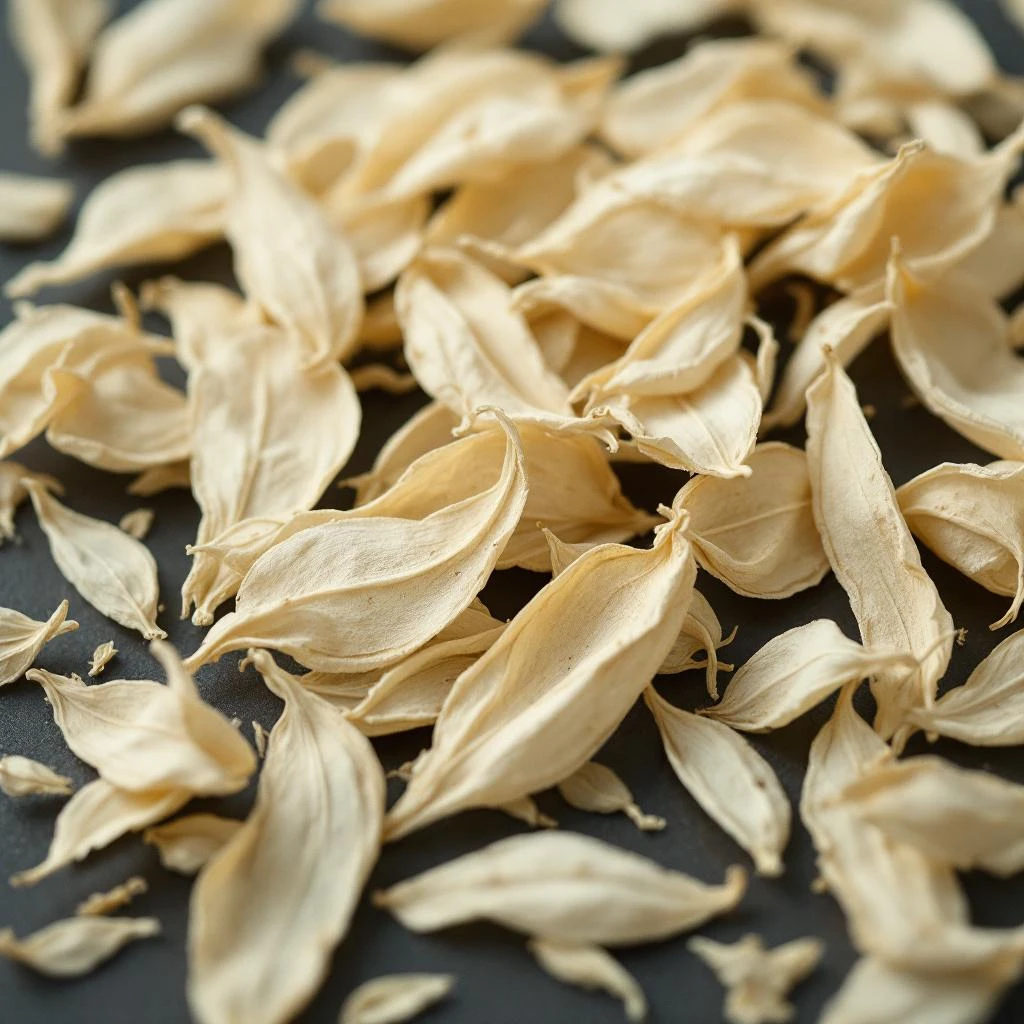
Bushman Candle
A resinous desert succulent whose bark ignites like a torch, Bushman Candle carries the sun-baked, smoky character of Southern Africa's harshest terrain into rare perfumery.

Character
How it smells
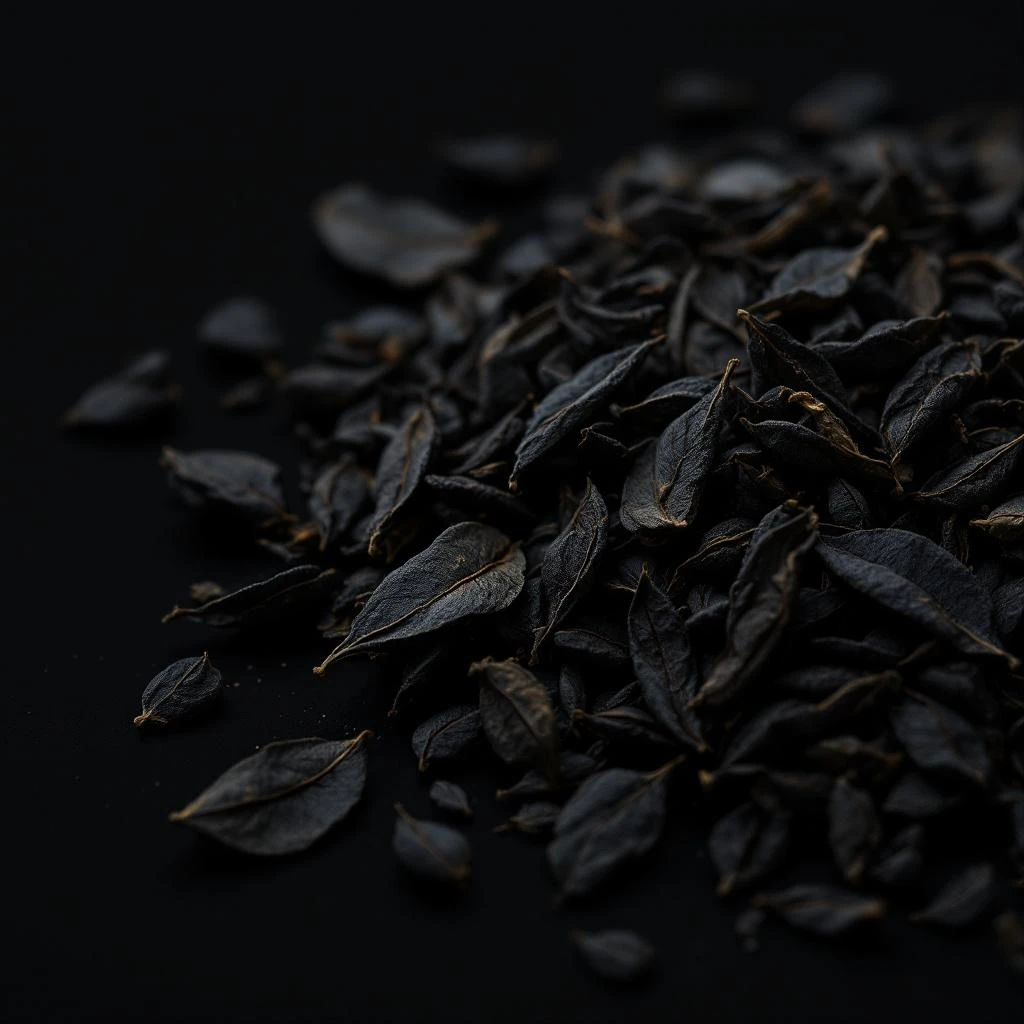
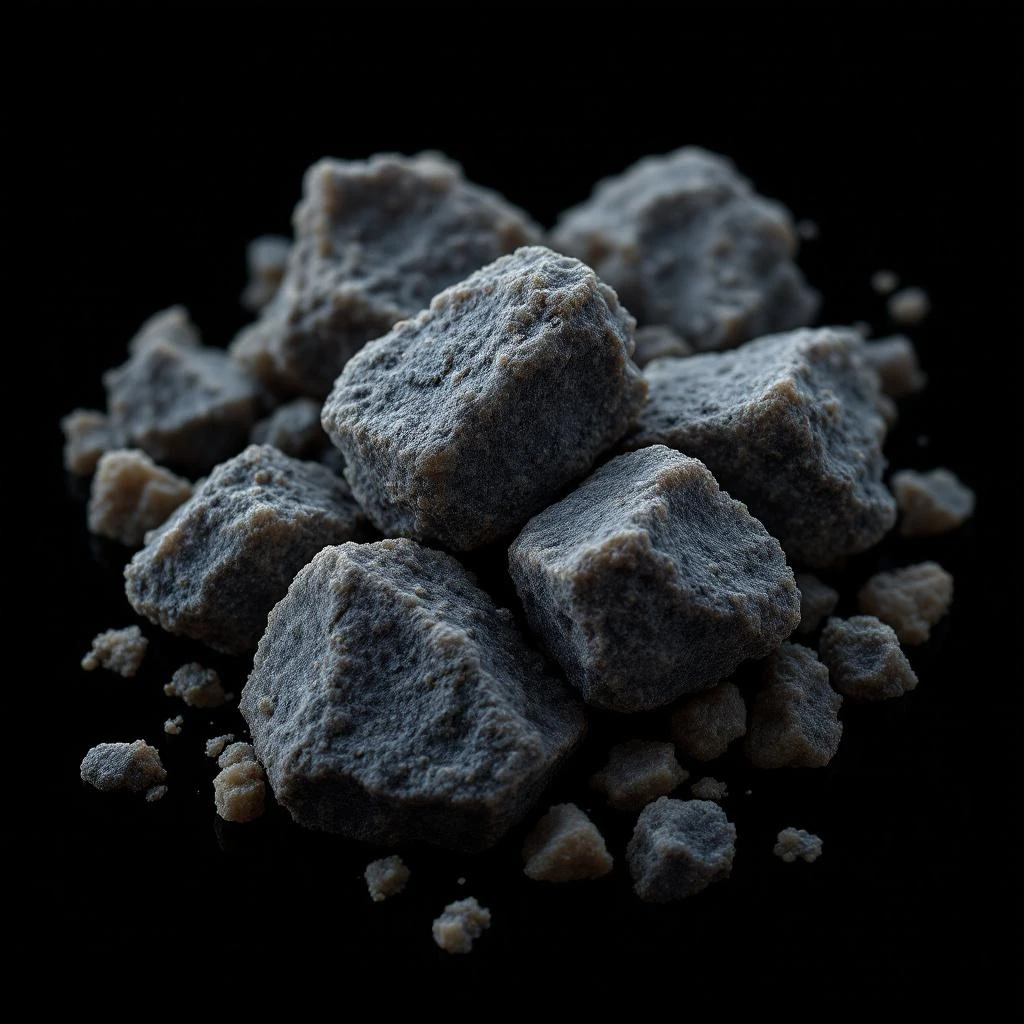
Wax-coated desert bark that burns like incense.
The plant's bark produces so much flammable wax during dry seasons that indigenous peoples have used it as a natural candle and tinder for thousands of years.

Origin
Namibia
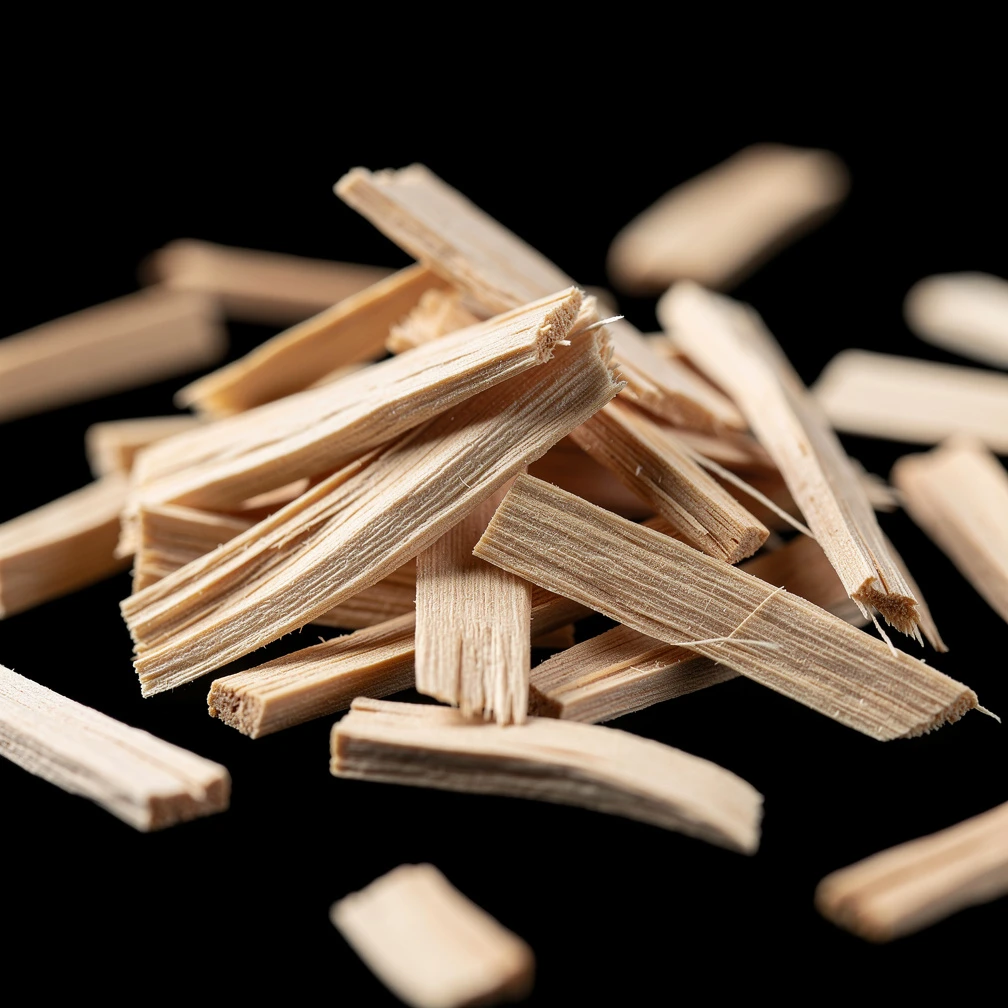
Bushman Candle, known botanically as Sarcocaulon mossamedense, has served the San and other indigenous peoples of Southern Africa for generations. Its common name reflects a striking practical use: the waxy bark burns slowly and steadily, making the plant a natural torch and fire-starter in regions where reliable tinder is scarce. Ethnographic accounts from Namibia and Angola describe hunters carrying sections of the shrub as portable fire sources during long expeditions through arid terrain.
Beyond its use as fuel, the aromatic bark was burned to scent shelters and was sometimes prepared as a salve. The plant belongs to the Pelargonium-confamilial Geraniaceae lineage, thriving in rocky soils where few other shrubs survive. Its appearance is striking, with thick succulent stems covered in peeling, waxy papery bark that protects the living tissue underneath from the punishing sun.
European naturalists documented the species during colonial-era botanical surveys of southwestern Africa, noting its unusual properties. Its move into perfumery remains recent and limited, with only a few artisan perfumers having experimented with the extract. The material represents one of perfumery's most obscure naturals, a living archive of indigenous knowledge sitting at the intersection of survival tool, cultural artifact, and aromatic curiosity.
Wears it best
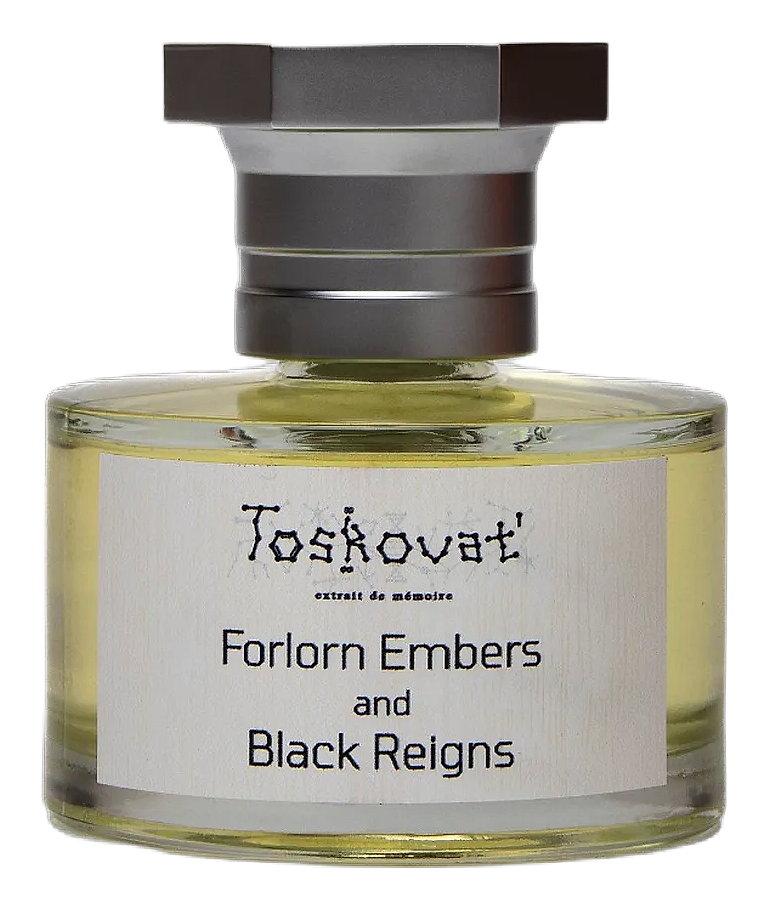
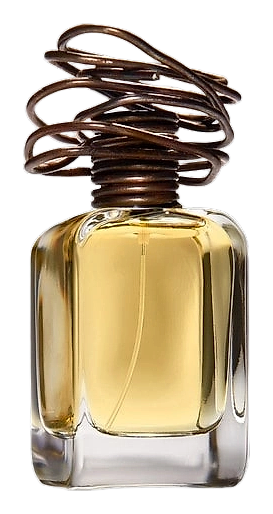
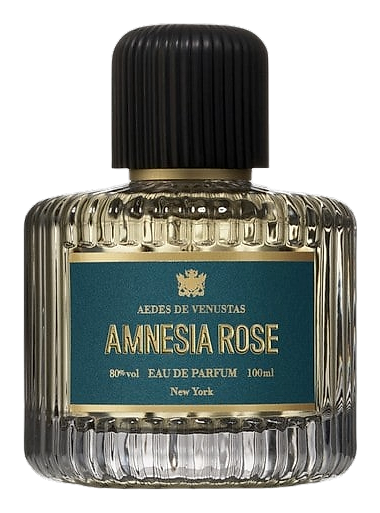
Fragrances featuring Bushman Candle
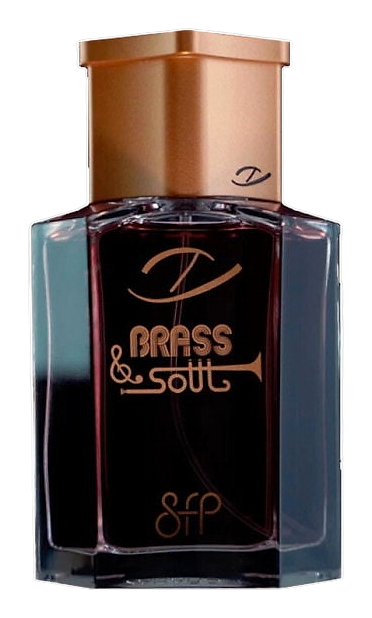
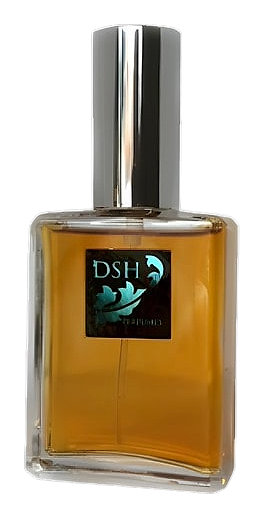

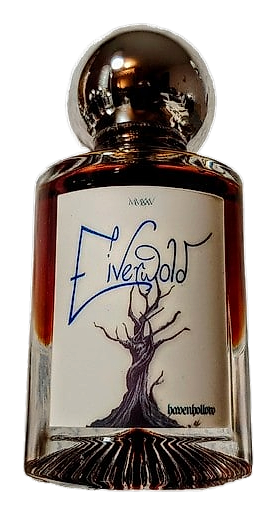
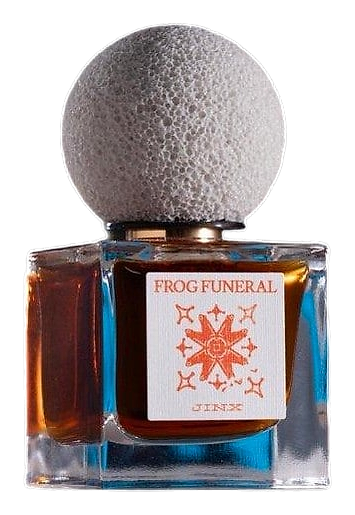
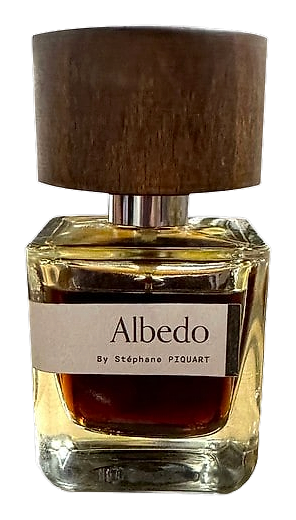

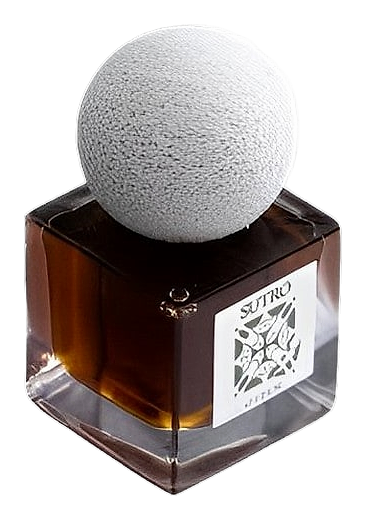
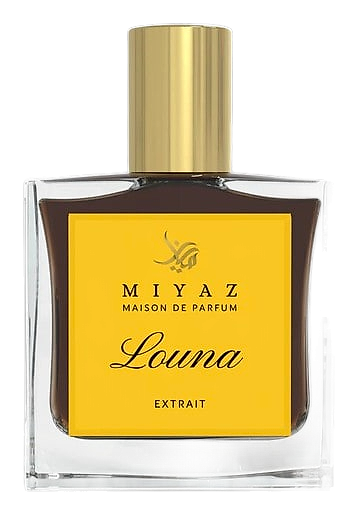
Brands
Brands known for Bushman Candle
Good to know
Questions, answered
The essentials on Bushman Candle in perfumery: how it smells, where it comes from, and how it behaves on skin.
What does Bushman Candle smell like in perfumery?
Bushman Candle produces a resinous, smoky, and slightly waxy aroma with dry hay undertones. The scent reflects the sun-baked desert conditions where the plant grows, giving it an arid, earthy character unlike conventional floral or woody perfumery materials.
Is Bushman Candle commonly used in commercial fragrances?
No. Bushman Candle remains a rare niche natural with only small-scale artisanal extraction in Namibia and Southern Angola. Annual production is minuscule, and most mainstream perfumers have never encountered a commercial sample.
Why is it called Bushman Candle?
The San people of Southern Africa historically used the waxy bark as a natural torch and fire-starter because it burns slowly and steadily. The common English name reflects this practical application dating back thousands of years.
Which plant produces Bushman Candle extract?
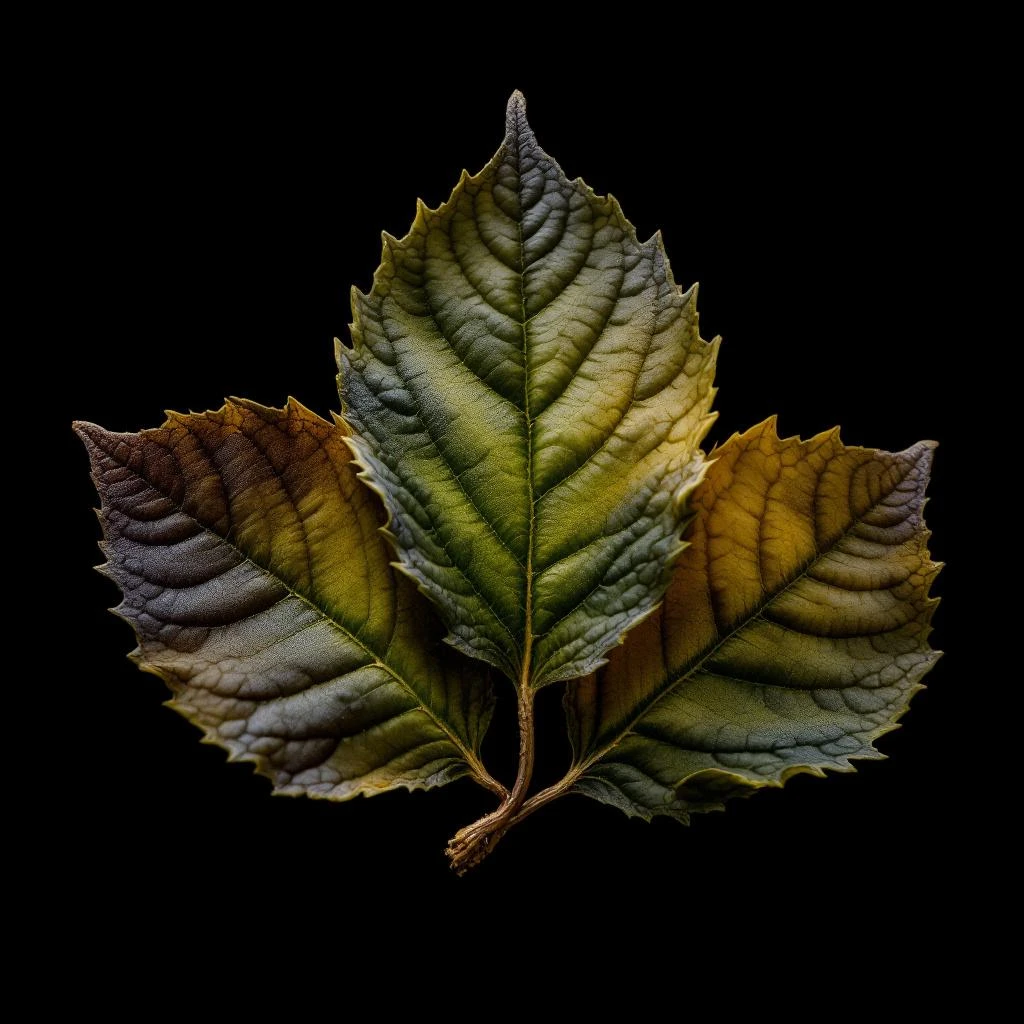
Bushman Candle extract comes from Sarcocaulon mossamedense, a succulent shrub in the Geraniaceae family native to arid regions of Namibia and Southern Angola. The plant develops a thick waxy coating on its bark as it matures.
How is Bushman Candle extract produced?
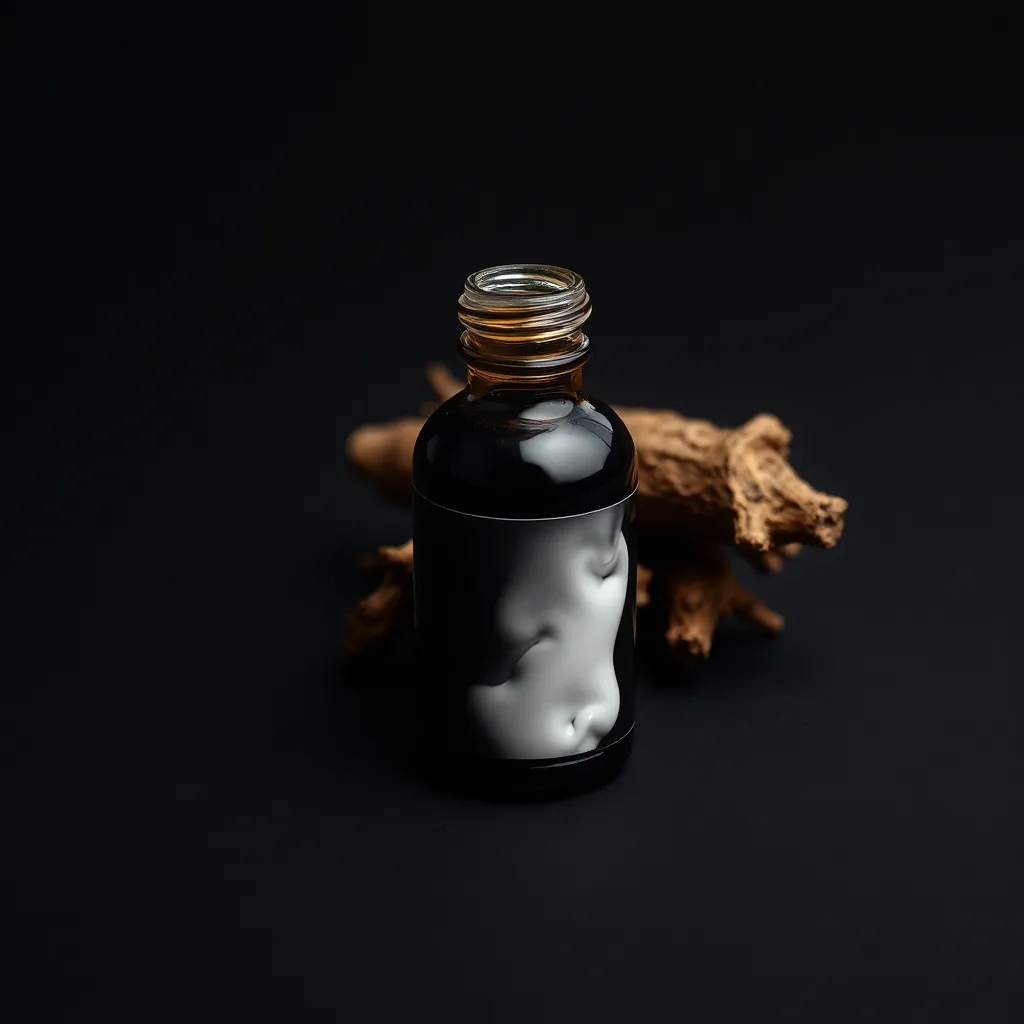
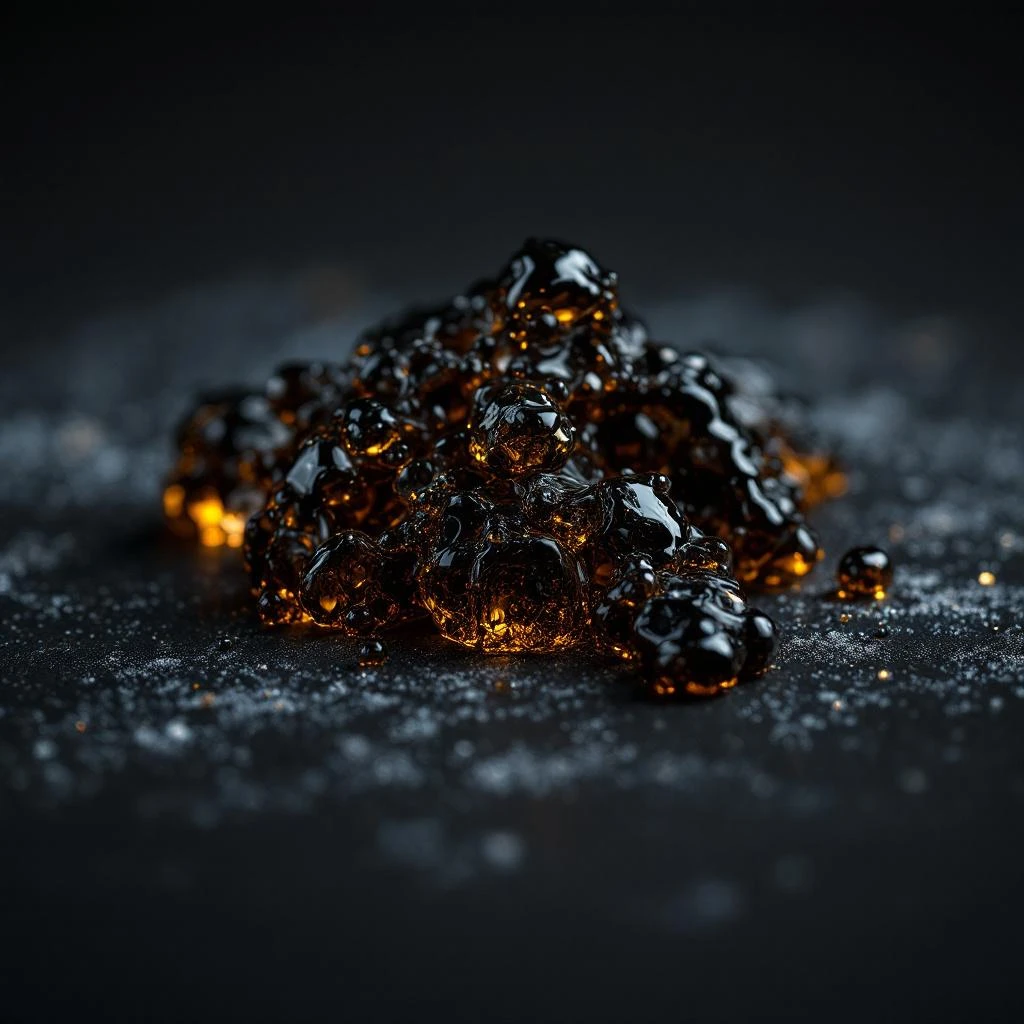
The waxy bark is hand-harvested from wild plants, powdered, and macerated in a solvent to produce a dark, waxy concrete. No large-scale industrial extraction exists for this material.
Can Bushman Candle be synthesized?
No commercial synthetic equivalent exists. The complex combination of waxy, resinous, and smoky compounds in the natural extract has not been successfully replicated in laboratory settings.
Is Bushman Candle sustainable?
Current sourcing is limited to ethical suppliers who harvest mature plants in their native habitat across Namibia and Southern Angola. Due to sparse plant populations, quotas are strictly enforced to prevent ecosystem damage.
Which perfumes feature Bushman Candle?
Bushman Candle appears almost exclusively in independent artisan releases and bespoke perfumery projects. It has never been a featured note in mainstream designer or niche commercial launches due to extreme supply limitations.