The Story
Why it exists.
The beginning
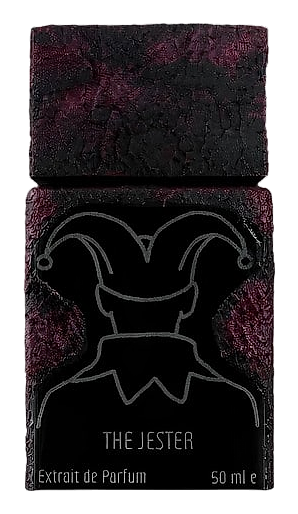
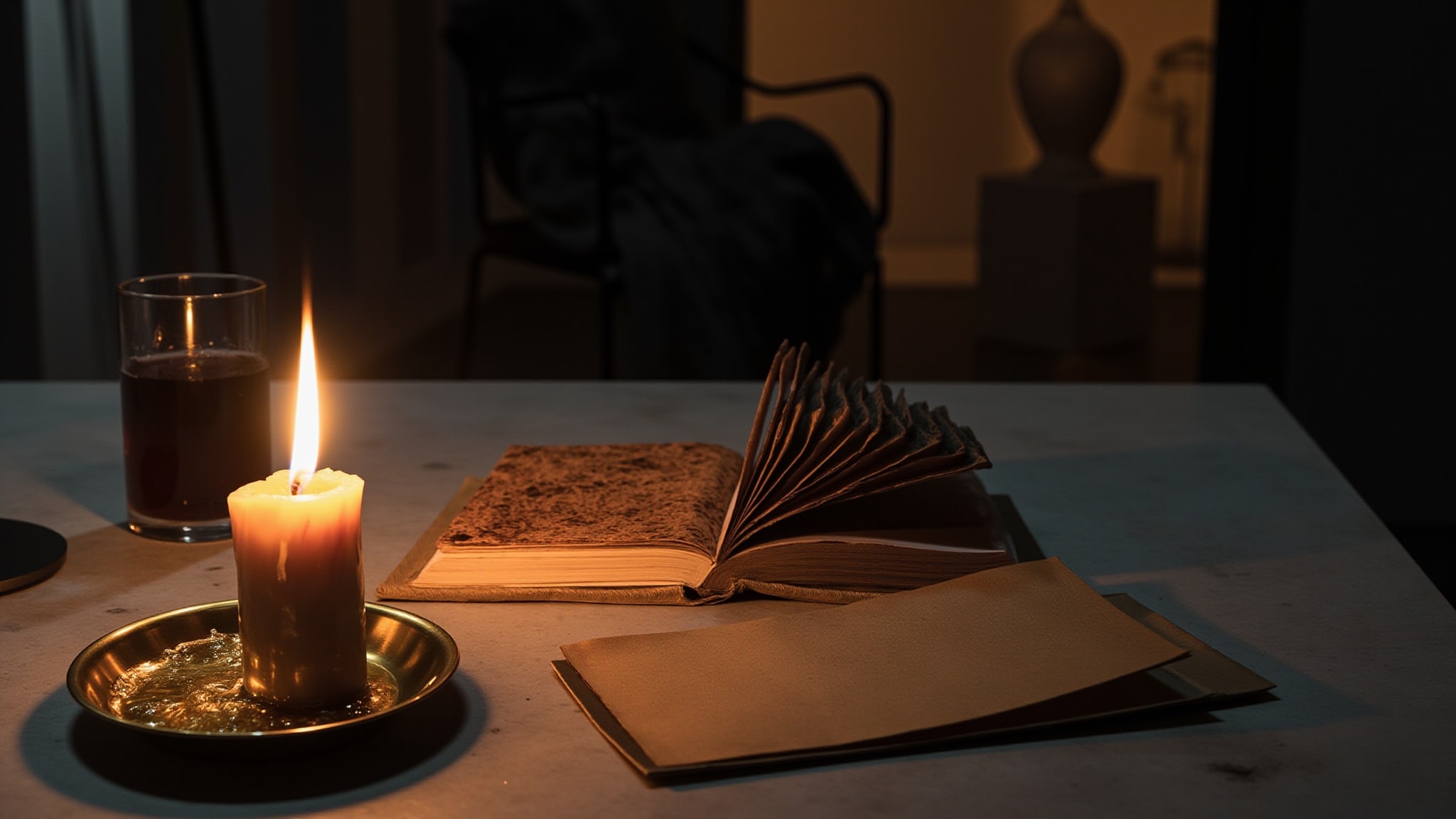
The Jester enters as a new addition to the Antagonist catalog, a house that has been releasing fragrances framed as narrative pieces exploring different archetypes through scent. The Lover, The Stranger, The Void, and others each offered a distinct character study in olfactive form. The Jester adds the trickster to the cast, the one who reads the room and flips the script. The composition reads like a court scene staged by candlelight: mulled wine poured into leather, tobacco curling from an open page, raspberry offering the only sweetness in an otherwise serious room. It's a fragrance built on contrasts, wit set against weight, mirth layered over melancholy. The house's process digs into ingredients with documented histories and repositions them for contemporary wear.
What makes The Jester unusual is how it stacks materials that don't typically share a stage. Beeswax candle and velvet aren't standard middle notes. Parchment usually lives in the base. Here they sit in the heart, giving the composition a tactile, almost literary texture. The base is where Antagonist commits: six materials (cedarwood, incense, oak, patchouli, saffron, sandalwood) carrying the full weight of the drydown. That's a dense foundation for any release, and it explains why the tobacco and leather from the opening read warmer and slower than you'd expect.
The evolution
The first 20 minutes are loud and specific: spiced red wine, leather, and raspberry arriving together, less a blend than a collision. The tobacco settles in early, grounding the fruit before it gets too playful. There's a sweetness here, but it's the kind that comes from reduction, not sugar. By the one-hour mark, the wine retreats and the heart takes over. Beeswax and parchment take turns showing up, one moment waxy and golden, the next dry as old paper. Black tea arrives without ceremony, adding a tannic edge that keeps the velvet from feeling too plush. This is the phase that divides people. Some wearers find it rich and textural. Others report a dusty, almost cosmetic flatness, the kind of smell that reads "men's deodorant" rather than niche composition. The drydown is where Antagonist's choices pay off.
Cultural impact
The Jester fits the house's brief with its theatrical, contrast-heavy composition, but early community response is divided. Some wearers praise the rich, candlelit warmth; others find the heart phase reads more like a drugstore men's deodorant than a niche creation. That polarization is notable, though not unique to this release: the fragrance community has always held strong opinions about unconventional compositions, and The Jester's deliberate rejection of easy appeal guarantees it won't find universal favor.