Parchment
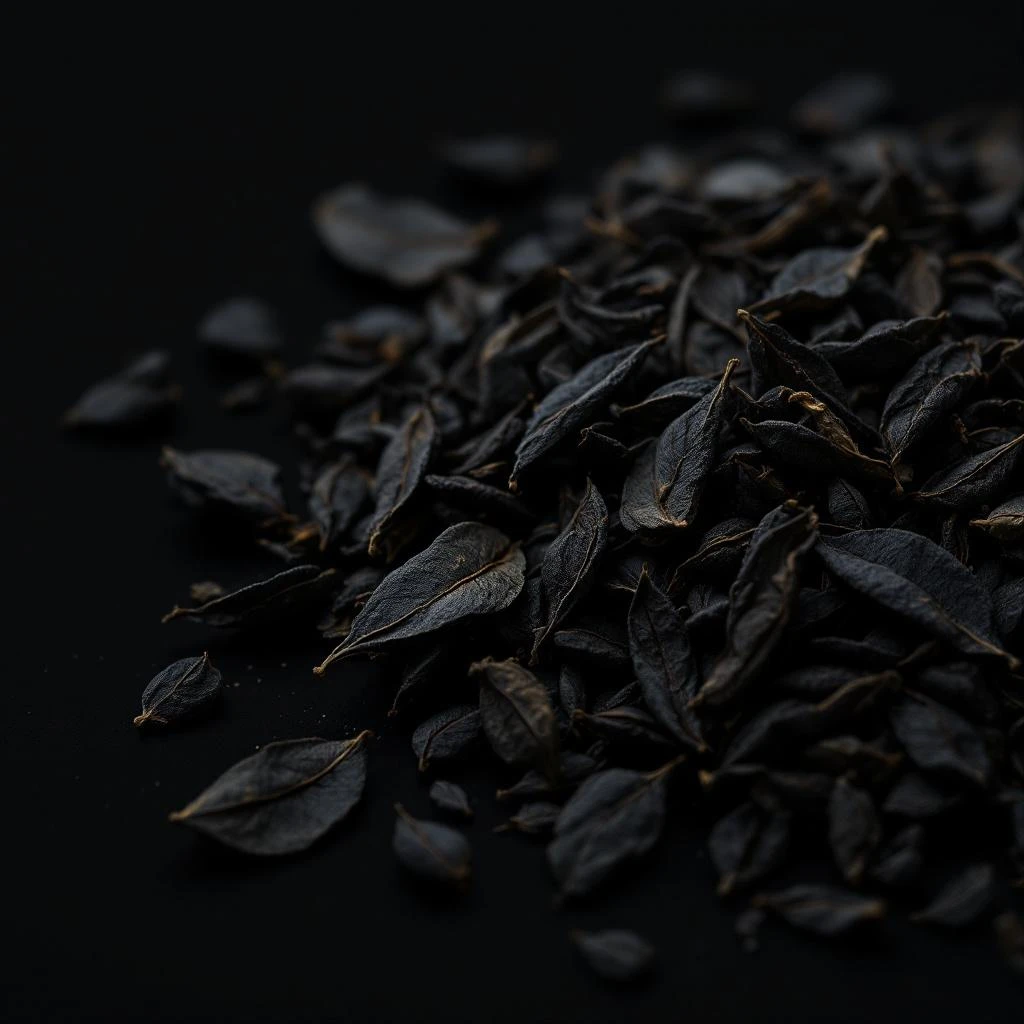
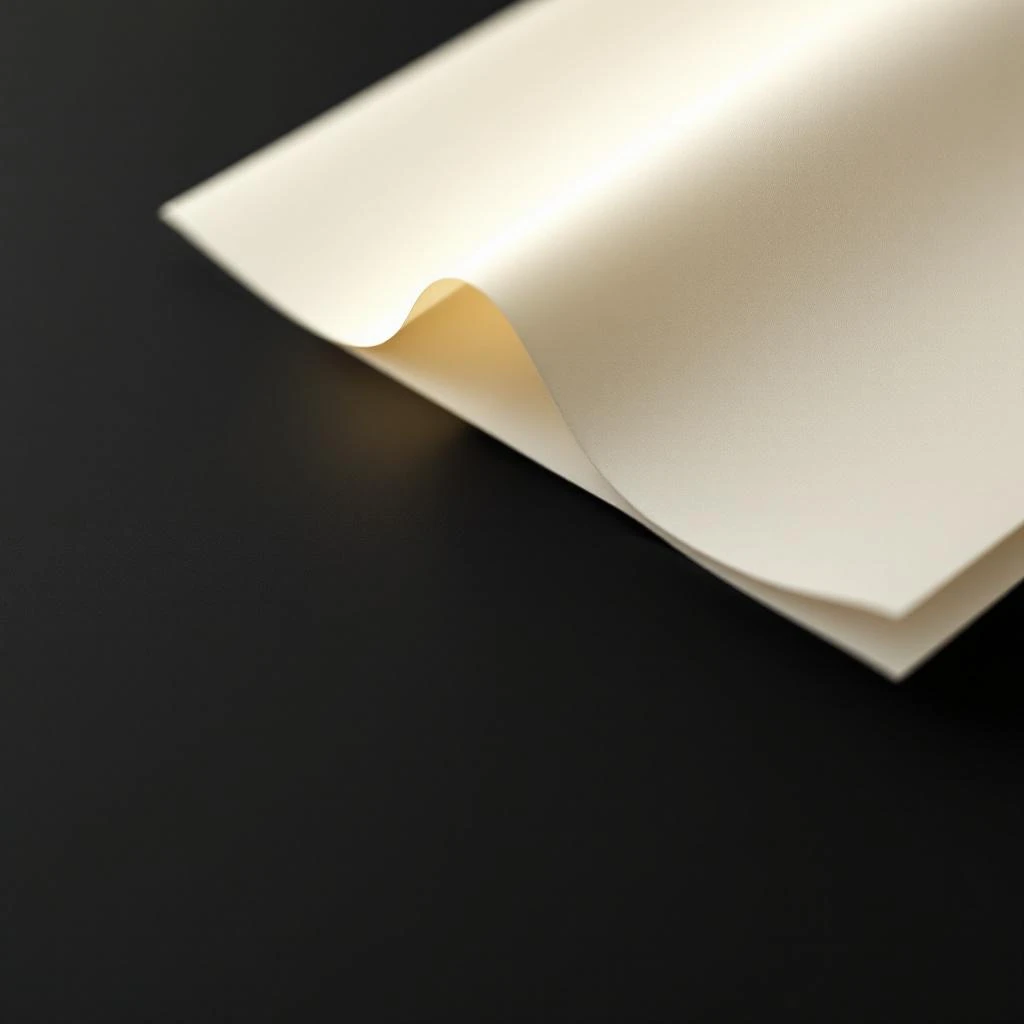
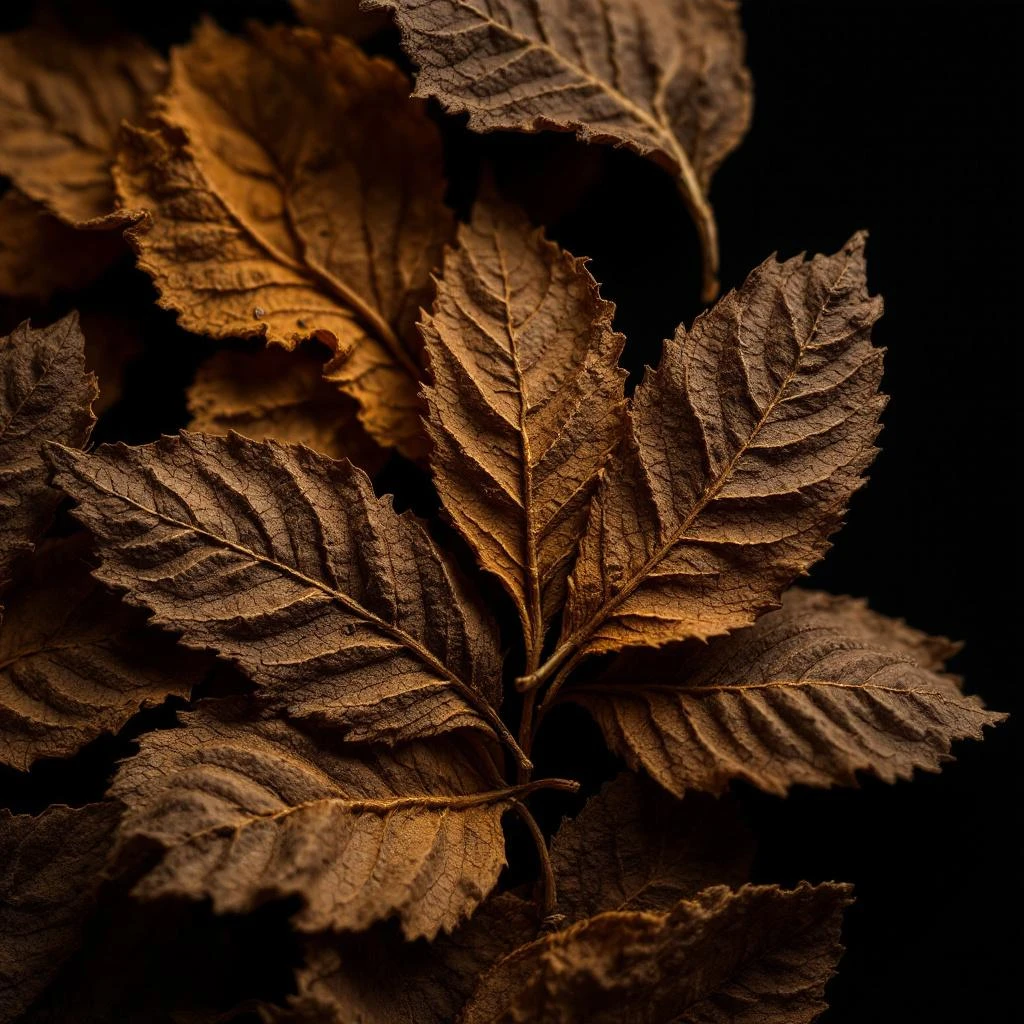
In perfumery, parchment is not a plant but a captured memory: the quiet aroma of aged paper, library dust, and slow time.
Character
How it smells
Dry, quiet, ancient. The smell of preserved time.
Before synthetic aromatics existed, perfumers used actual aged parchment to introduce dry, papery effects into fragrance compositions.



Origin
France
Parchment as a perfumery note emerged from the 19th-century shift toward scientific fragrance creation. As perfumers began analyzing the chemical composition of aged materials, they discovered what made old paper smell the way it does. But the relationship between parchment and perfume runs deeper.
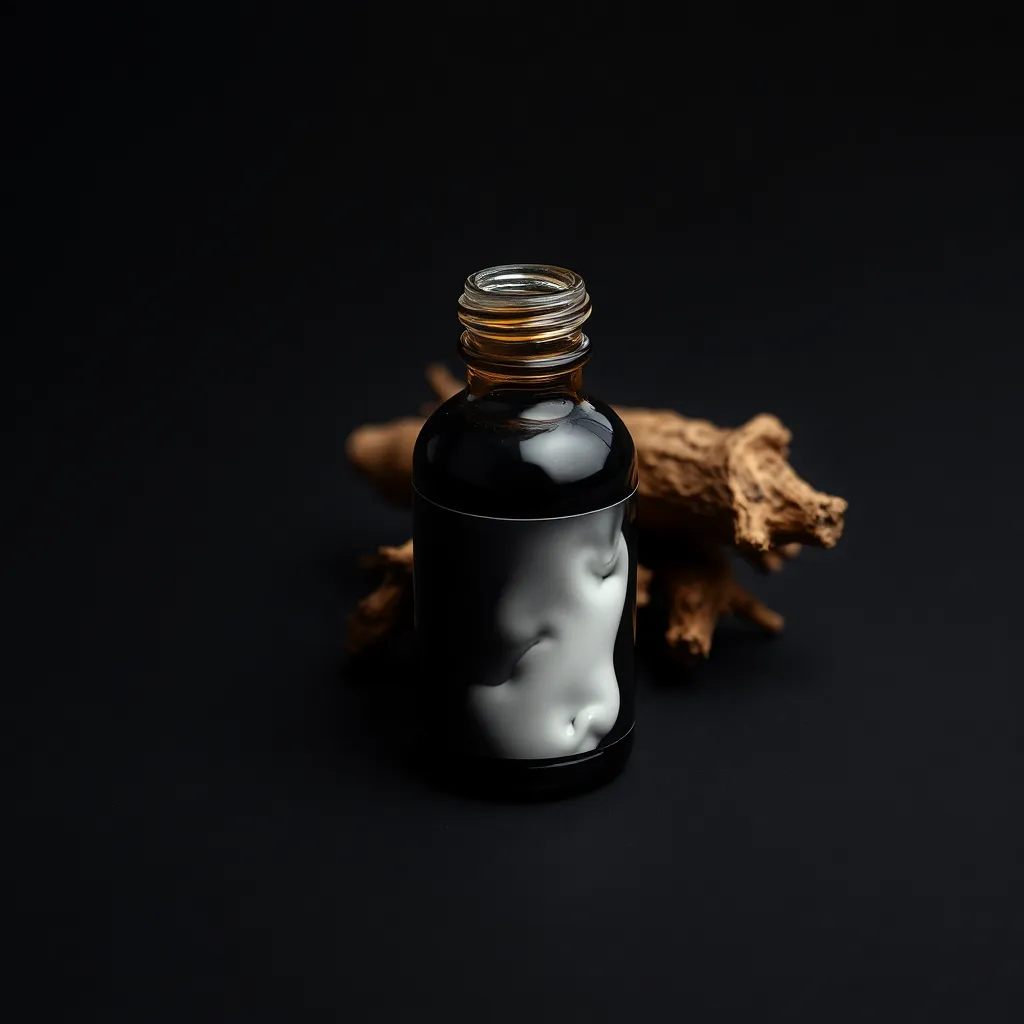
Ancient scribes in Egypt and Rome sometimes perfumed their parchment with cedarwood oil and other aromatics to mask the animalic smell of the treated skin. Medieval Islamic scholars developed techniques for perfuming writing materials to preserve documents. By the Renaissance, libraries and private collections became symbols of refinement, and scented parchment signified both age and cultivation.
Modern perfumers inherited this legacy when they began constructing parchment accords from synthetic materials in the late 1800s. Today the note connects contemporary fragrances to centuries of aromatic tradition involving documents, books, and the quiet scent of time itself.
Wears it best
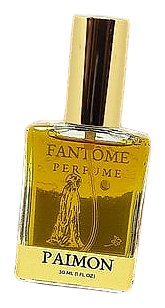
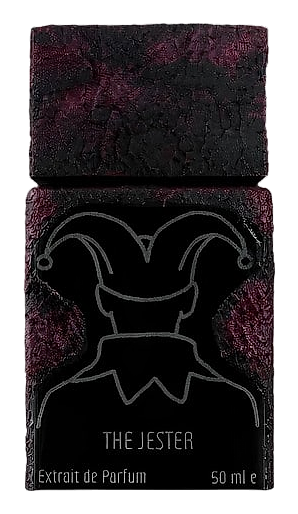
Fragrances featuring Parchment
Brands
Brands known for Parchment
Good to know
Questions, answered
The essentials on Parchment in perfumery: how it smells, where it comes from, and how it behaves on skin.
What is parchment in perfumery?
Parchment is a fragrance note that captures the smell of aged paper and old books. It is dry, slightly sweet, and subtly woody, creating a quiet, nostalgic quality. Perfumers construct this note from aromatic compounds like vanillin, coumarin, and lignin derivatives that together reproduce the scent of old manuscripts and libraries.
How do perfumers create parchment notes?
Perfumers create parchment notes by blending synthetic aromatic compounds. They analyze the chemical composition of aged paper to identify key smell components like vanillin for warmth and coumarin for dryness. Combining these materials in precise ratios reproduces the dry, slightly sweet scent of old manuscripts and library rooms.
What does parchment smell like?
Parchment smells like aged paper, old books, and dusty library shelves. The note is dry with subtle sweetness, faint woodiness, and a gentle warmth reminiscent of manuscripts left untouched for decades. It evokes the quiet sensory experience of handling historical documents.
What fragrance family uses parchment notes?
Parchment appears across chypre, oriental, leather, and woody fragrance families. The note works particularly well in compositions that aim for vintage, archival, or sophisticated character. It adds a sense of age and quiet depth to modern fragrances.
Is parchment a natural or synthetic ingredient?
Parchment is primarily synthetic. Natural parchment does not have a specific aromatic extract. Perfumers construct the note from aromatic compounds like vanillin, coumarin, and lignin derivatives to reproduce the smell of aged paper reliably and consistently.
How does parchment behave in a fragrance composition?
Parchment functions as a base note, providing dry, woody, slightly sweet character that adds longevity and depth. It works as a fixative element that anchors lighter notes while contributing its quiet, archival quality to the overall composition.
What notes pair well with parchment?
Parchment pairs well with cedarwood and sandalwood for woody warmth, vanilla and tonka bean for sweetness, amber and labdanum for depth, iris for powdery elegance, and musk for smooth skin-like qualities. These combinations enhance its vintage, document-like character.
Which famous perfumes feature parchment notes?
Parchment notes appear in several niche and artisan fragrances known for their vintage aesthetic. The note has gained popularity in gender-neutral compositions that aim for quiet sophistication. Check individual fragrance listings for specific formulations and ingredient disclosures.