Oak Gall Ink
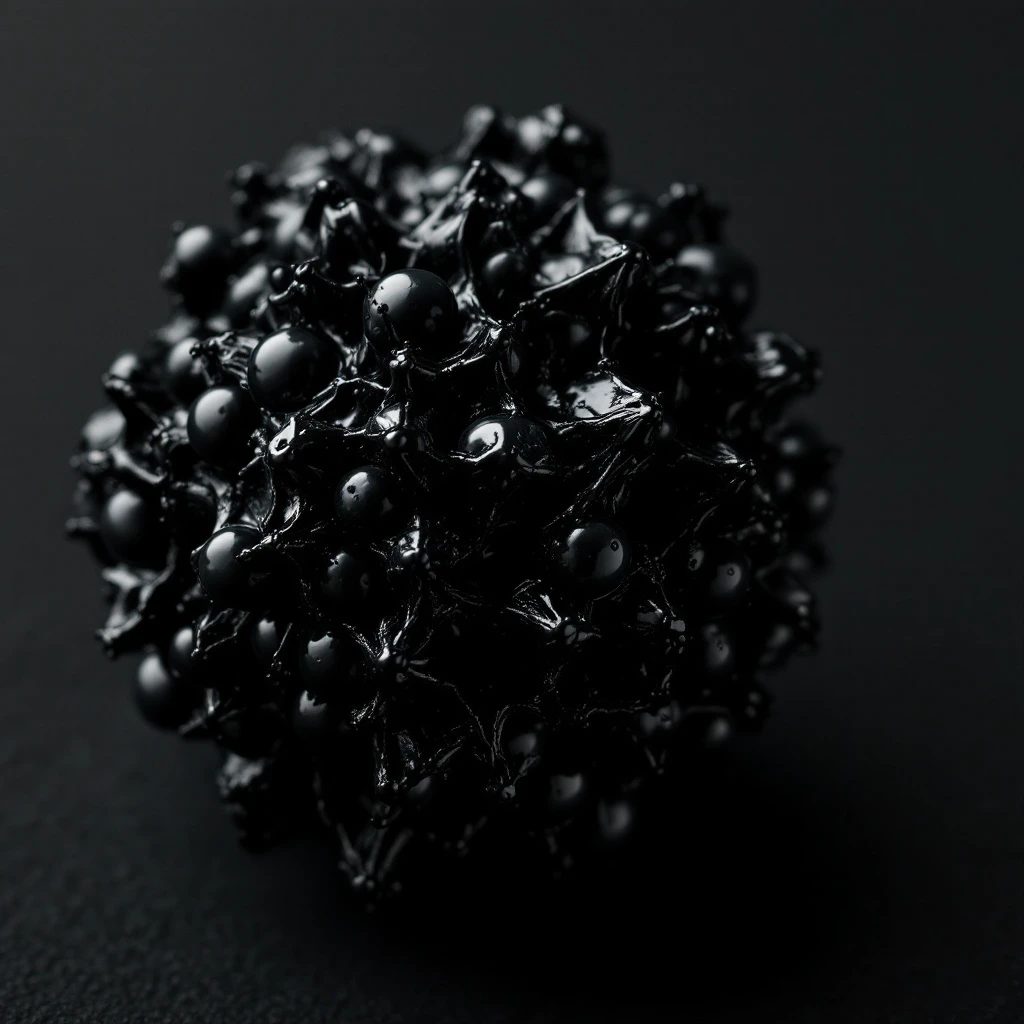
Oak gall ink emerges from a parasitic wasp's strange gift to the oak. These woody spheres contain concentrated tannins that transform into a writing fluid prized for centuries.
Character
How it smells
The ink that wrote history itself
The Book of Kells, Magna Carta, and Leonardo da Vinci's notebooks all share one common element: iron gall ink made from oak galls.





Origin
Mediterranean region
Oak gall ink shaped human history in ways few other materials did. Pliny the Elder documented early recipes in the first century AD, establishing the foundation for an ink that would dominate European writing for nearly two millennia. Monasteries and scriptoria became centers of ink production during the medieval period, developing sophisticated methods to meet growing demand for texts, legal documents, and correspondence.
The Book of Kells from around 800 AD, the Magna Carta from 1215, and countless literary manuscripts including works attributed to Shakespeare all contain this ink. The U.S. Declaration of Independence was written with it. By the nineteenth century, chemically-produced inks finally displaced oak gall ink, though conservators and calligraphers still prepare small batches today for historical accuracy and restoration work.
Wears it best
Fragrances featuring Oak Gall Ink
Brands
Brands known for Oak Gall Ink
Good to know
Questions, answered
The essentials on Oak Gall Ink in perfumery: how it smells, where it comes from, and how it behaves on skin.
What chemical reaction gives oak gall ink its characteristic black color?
The reaction between gallotannic acid and iron sulfate creates the deep black. When iron sulfate joins the tannin-rich gall extract, it forms iron tannate complexes that oxidize on exposure to air, producing the permanent black color that distinguishes this ink.
How long has oak gall ink been used for writing?
Oak gall ink has served as the dominant writing fluid for approximately 1,700 years. Pliny the Elder recorded the first written recipes in the first century AD, and iron gall ink remained the primary ink in Europe until chemically-produced alternatives emerged in the 1800s.
Which famous historical documents were written with oak gall ink?
Many foundational texts of Western civilization used this ink. The Book of Kells, Magna Carta, Leonardo da Vinci's notebooks, and the U.S. Declaration of Independence all contain oak gall ink. Its permanence made it ideal for recording history.
Why do some documents written with oak gall ink appear faded today?
Fading occurs when iron compounds in the ink react with paper fibers over centuries. The resulting acidic oxidation slowly degrades the cellulose, leaving behind faint brown outlines where the original text once appeared clearly.
What does oak gall ink smell like?
Freshly made oak gall ink carries a subtle metallic scent mixed with tannic and vegetable notes, similar to damp hay or dried leaves. The gall itself contributes an earthy, slightly astringent quality that diminishes once the ink dries.
Which oak tree produces the galls used for ink?
The Aleppo oak in the Mediterranean basin produces the most prized galls for ink making. These trees develop spherical growths when female gall wasps deposit eggs in their developing buds, triggering the tree's defensive response that creates the gall structure.
Is oak gall ink still produced today?
Artisanal producers still craft oak gall ink for specialized purposes. Paper conservators use traditional recipes when restoring historical documents. Calligraphers prepare small batches for period accuracy. Modern producers source galls from oak trees in Europe and North America.
Why did oak gall ink remain the primary ink for over a millennium?
Three qualities sustained its dominance: permanence through the iron-tannin oxidation process, affordability since oak galls were abundant and free, and practical handling since it flowed smoothly without clogging quills or early metal nibs.




