
The Story
Why it exists.
The beginning
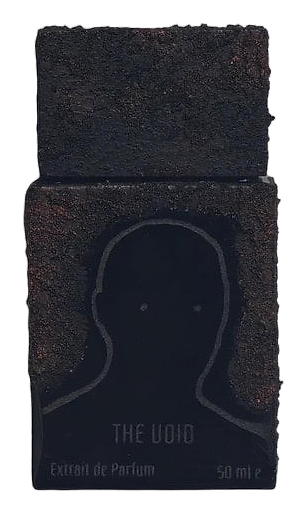
The Void arrived last, and the brief was simple: destruction as a starting point, not a warning. The brand describes it as 'a chapter about what remains when everything else is gone.' No origin myth, no travel inspiration, just a name that implies absence, and a composition that earns it. The opening hits with an immediate assault of gasoline and smoke, gunpowder punctuating the air like something uninvited. It doesn't build so much as arrive, fully formed and unwilling to wait for permission. As it develops, the harshness softens into something more contemplative, myrrh and frankincense emerging through the haze, but the smoke never fully retreats. It's a fragrance that refuses to become pleasant, that wears its destruction openly.
What makes The Void work isn't a single dominant material but the architecture of contradiction. Gasoline and myrrh should fight, one volatile and industrial, the other ancient and sacred. Instead they coexist in a strange equilibrium, each making the other stranger. The hemp and metallic notes in the heart aren't decorative; they're the structural tension that keeps the composition from settling into something predictable. Even the ash in the base isn't passive, it's the evidence that something burned, and that burning is ongoing.
The evolution
The opening hits within seconds, gasoline, then smoke, then gunpowder arriving like a third voice in a conversation already too intense to follow. Within twenty minutes the gasoline recedes but doesn't disappear; it becomes the ground beneath everything else. The heart develops in place: hemp gives it an organic undertow, incense and coal fill the space between, and metallic notes catch light like something rusting in slow motion. By hour three, the myrrh and frankincense have taken over and the smoke has become inseparable from the wearer's skin. The longevity of this fragrance is impressive, the scent lingers far longer than most, becoming ash and air and something that smells like a room after the fire department left. The burnt rubber in the base ensures it doesn't become pretty. It doesn't. Not once.
Cultural impact
The Void occupies territory most mainstream releases avoid entirely. Its petrol-smoke-gunpowder combination reads as a deliberate statement: this isn't a fragrance for people who want to smell pleasant. It's for people who want to smell like something happened, like an event left its mark on the air. The scent of aftermath, of what remains when the fire goes out but the air still carries the heat. It asks for commitment from the wearer, and it finds an audience willing to give it.