Airy Note
An olfactory illusion crafted by perfumers to evoke the sensation of open space and morning light. Airy Note uses molecules like aldehydes and ozonic compounds to simulate the feeling of breathing fresh air at elevation. It creates perceived space within a fragrance composition, lifting heavier elements and adding luminous transparency.

Character
How it smells
Capturing the invisible: the scent of open space and morning light
No natural ingredient is called "air" in perfumery. The airy sensation comes entirely from synthetics like Calone (discovered 1951) and aldehydes, molecules that exist nowhere in nature as a standalone scent.









Origin
Laboratory origin (France/USA)
The concept of "airy" as a perfumery accord emerged from two distinct innovations. First, aldehydes entered fine fragrance in 1921 with Chanel No. 5, where Ernest Beaux used them to create a soapy, clean sparkle that suggested pristine air. Second, and more directly, Pfizer introduced Calone (BTPE) to the fragrance industry in 1951, opening the door to true ozonic, atmospheric accords.
Before these synthetic breakthroughs, perfumers achieved airy effects through natural materials alone. Neroli, certain petitgrain varieties, and high-top-note jasmine fractions provided brightness and lift. However, these naturals could not fully simulate the spatial sensation that modern aromachemicals deliver. The post-war synthetic revolution fundamentally changed what "airy" could mean in fragrance.
Contemporary perfumers routinely construct airy accords as a standard tool in their palette. The accord has become especially prominent since the 1990s marine and aquatic fragrance wave, but its roots extend to the earliest modernist fragrances that sought to capture abstraction rather than botanical mimicry.
Wears it best
Fragrances featuring Airy Note


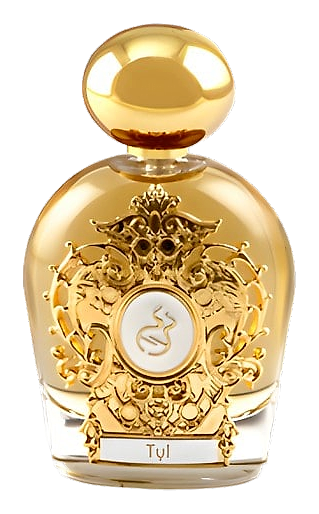
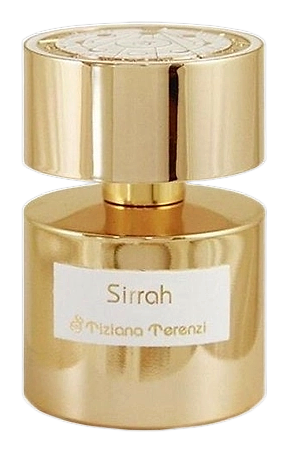
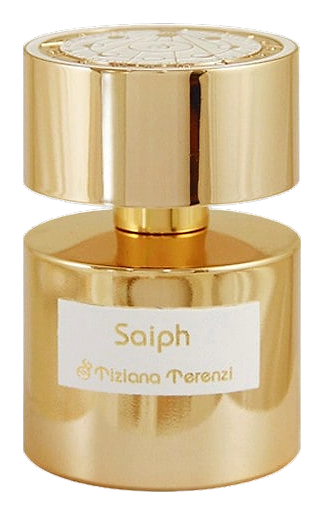
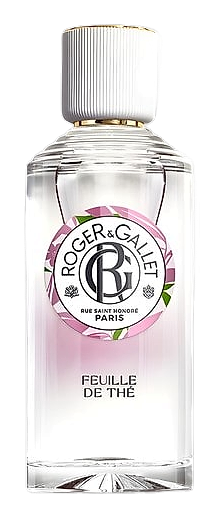

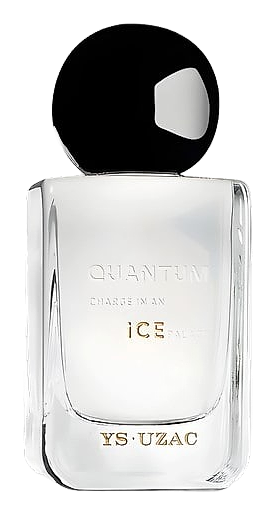

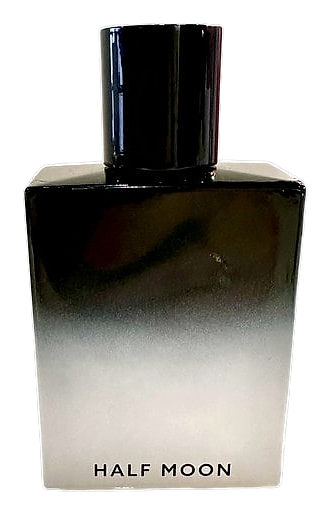
Brands
Brands known for Airy Note
Good to know
Questions, answered
The essentials on Airy Note in perfumery: how it smells, where it comes from, and how it behaves on skin.
What does Airy Note smell like in perfume?
Airy Note smells like the sensation of open space, described as clean, transparent, and spatially expansive. Think morning air at elevation, the breath after a rain shower, or the feeling of opening a window. It combines ozonic freshness with subtle metallic and watery undertones.
Why is Airy Note used in perfumery?
Perfumers use Airy Note to create perceived space and lift within a fragrance. It elevates heavier base notes, prevents cloying sweetness, and adds luminous transparency. Approximately 15-20% of modern fragrances deploy explicit airy or ozonic accords in their composition.
Is Airy Note in perfume natural or synthetic?
Airy Note is entirely synthetic. It is a perfumery reconstruction or concept accord, not a naturally extracted material. Key molecules include Calone (BTPE), aldehydic fractions, and transparent musks. No natural ingredient carries the name "airy" in its botanical identity.
What famous perfumes contain Airy Note?
Calone, a primary component of airy accords, debuted in 1951 and appears in over 100 commercial fragrances. Chanel No. 5 (1921) established aldehydic freshness. Modern examples include aquatics like Davidoff Cool Water and marine-florals that explicitly market their ozonic, airy character.
Is Airy Note a top note, heart note, or base note?
Airy Note functions primarily as a top note or opening impression, contributing 15-30 minutes of initial freshness. However, certain transparent musks within the accord provide enduring airy qualities that persist through the heart. The ozone-like character typically evaporates fastest.
What notes pair well with Airy Note in perfume?
Airy Note pairs naturally with citrus (bergamot, lemon, grapefruit), marine/sea salt, green notes (galbanum, fig leaf), and light florals (jasmine, lily of the valley). These combinations reinforce the transparent, open-air quality rather than competing with the airy accord.
How is Airy Note extracted?
Airy Note is not extracted at all. It is a reconstructed accord built from synthesized aromachemicals. Ozonic materials like Calone were discovered by Pfizer in 1951 through industrial chemical synthesis, not botanical extraction. This makes the accord a purely modern perfumery construction.
Is Airy Note used in men's or women's fragrances?
Airy Note is gender-neutral in modern perfumery. Initially appearing in masculine aquatic fragrances of the 1980s and 1990s, it now appears across men's, women's, and unisex fragrances equally. An estimated 12% of all fine fragrances launched in the past decade feature prominent airy accords.