Burnt rubber
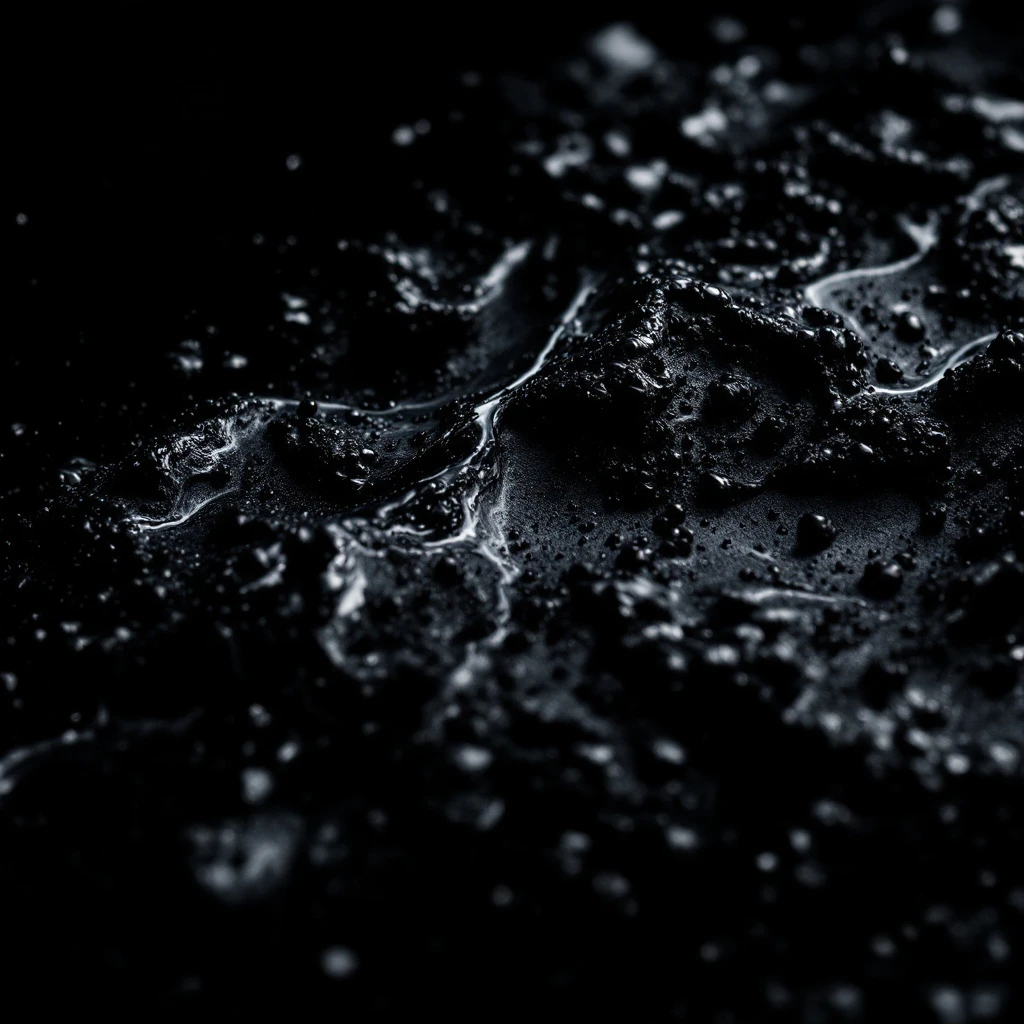
A visceral, industrial note that registers in the back of the throat. Charred, acrid, almost physical. Evokes heated tires, smoldering asphalt, or a struck match.
Character
How it smells
The scent of aftermath.
Perfumers create this accord by combining phenols, guaiacol derivatives, and trace sulfur compounds in precise ratios to achieve that characteristic burnt, ashy quality without becoming overpowering.






Origin
Global production
The burnt rubber note emerged as a signature element of modern perfumery in the early 20th century, reflecting the industrial age's sensory landscape. As synthetic chemistry advanced in the late 1800s, perfumers gained access to new molecular structures that could evoke industrial and urban aromas previously absent from the perfumer's palette.
The note gained prominence in 1920s avant-garde compositions that sought to capture the raw energy of the machine age. Leather-focused fragrances like Tabac Blond (Caron, 1919) explored these industrial textures, while later innovators continued pushing the boundaries of what perfumery could represent.
The burnt rubber accord became a signature of rebellious, non-conformist fragrance design throughout the latter half of the 20th century, appearing in masculine orientals and leather compositions that challenged conventional notions of pleasantness. Today, the note remains a marker of radical creativity, used sparingly to add unexpected depth and a sense of controlled chaos to sophisticated compositions.
Wears it best
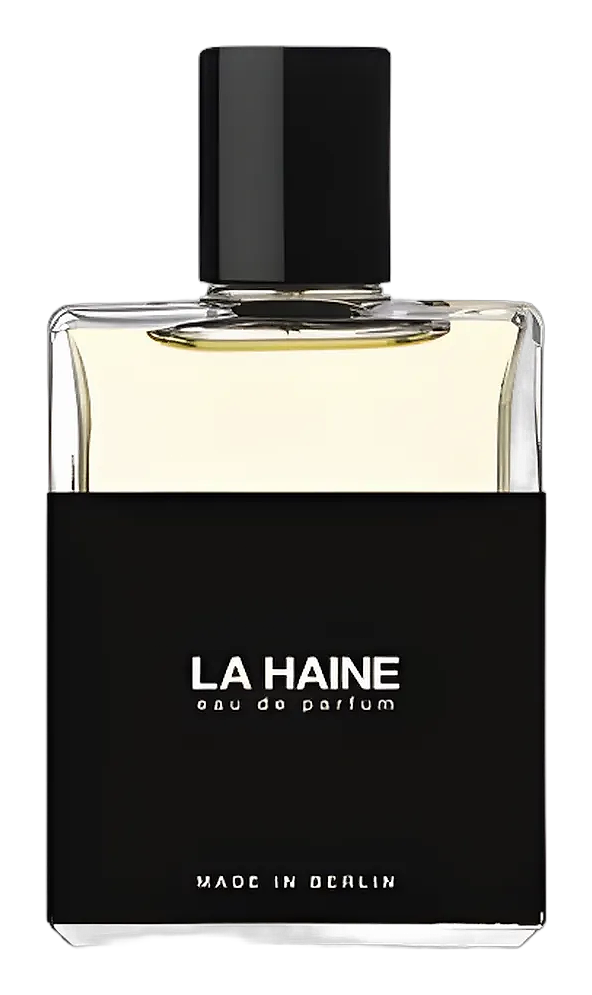
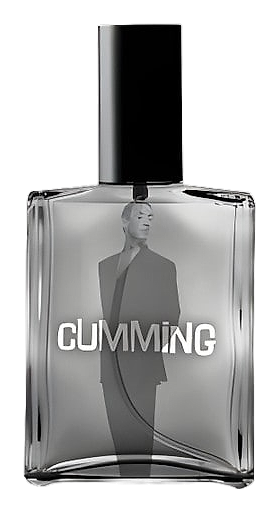
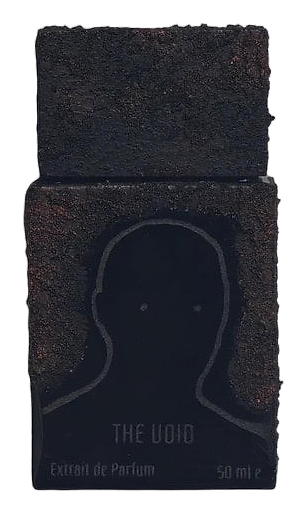
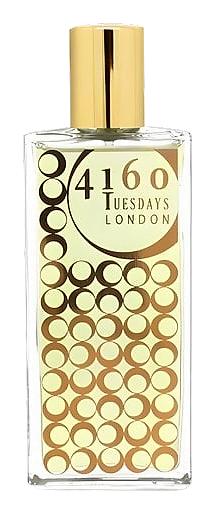
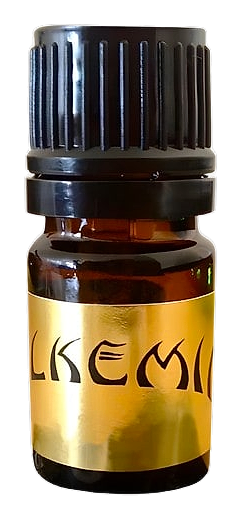
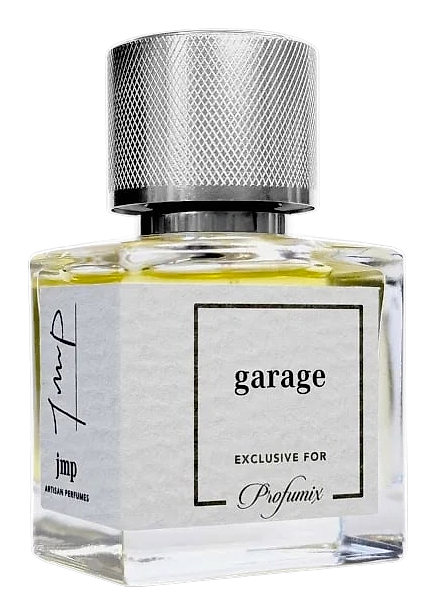
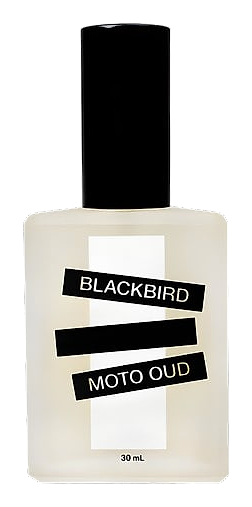
Fragrances featuring Burnt rubber
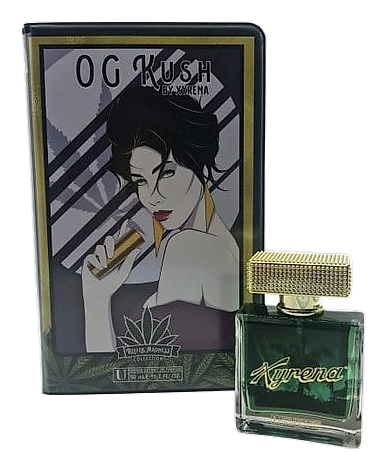
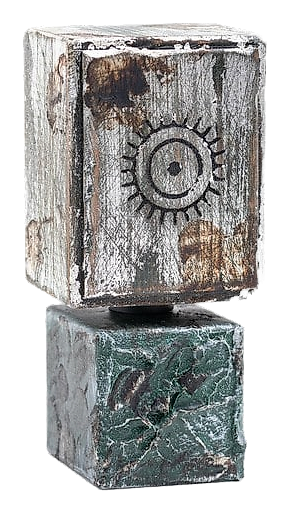

Brands
Brands known for Burnt rubber
Good to know
Questions, answered
The essentials on Burnt rubber in perfumery: how it smells, where it comes from, and how it behaves on skin.
What is burnt rubber in perfumery?
Burnt rubber is a synthetic aromatic note that recreates the smell of heated or charred rubber. Perfumers construct it by combining phenols, guaiacol derivatives, and trace sulfur compounds rather than extracting it from actual rubber.
Does burnt rubber come from real rubber?
No. Real rubber produces different volatile compounds when burned. The burnt rubber note in perfumery is created entirely through synthetic chemistry, typically combining guaiacol, creosol, and other aromatic structures.
What does burnt rubber smell like?
The note presents as charred, acrid, and industrial. It recalls heated tires, smoldering asphalt, or a struck match. The character registers as both smoky and slightly sweet beneath the acrid surface.
Which fragrances feature burnt rubber?
Tabac Blond (Caron, 1919) pioneered the note in perfumery. Contemporary examples include Hivore (Molinard), Hacivat (Nishane), and Gummi (Ulrich Lang), which pushes the note into an almost cartoonish extreme.
Is burnt rubber safe for skin wear?
When formulated by professional perfumers using approved materials, the synthetic burnt rubber accord meets IFRA safety standards. Concentrations remain controlled, and the raw, unrefined tar materials that posed historical concerns are no longer used directly.
How do perfumers create the burnt rubber accord?
Guaiacol serves as the primary structural molecule, providing the smoky, phenolic base. Perfumers layer additional compounds including creosol derivatives, trace sulfur molecules, and有时候 pyridine structures to add sharpness and complexity.
Can I find burnt rubber in natural ingredients?
Birch tar oil contains compounds similar to the burnt rubber character and is produced through destructive distillation of birch bark. However, natural tar materials present safety and regulatory challenges, making synthetic recreation the standard approach.
What fragrance families use burnt rubber?
Leather accords, oriental fragrances, and masculine chypres frequently incorporate the note. It also appears in avant-garde compositions and tobacco interpretations as a contrast element against sweeter components.