Balinese Jasmine Sambac
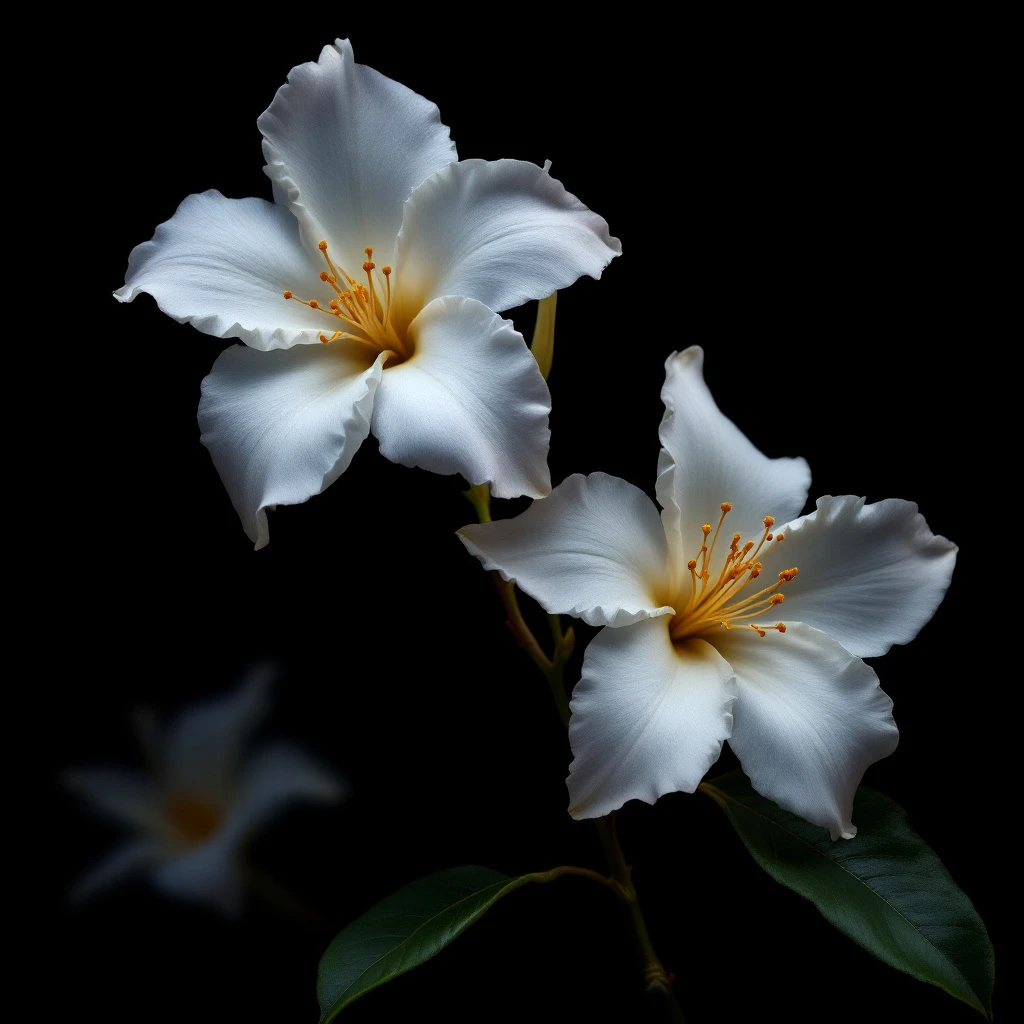
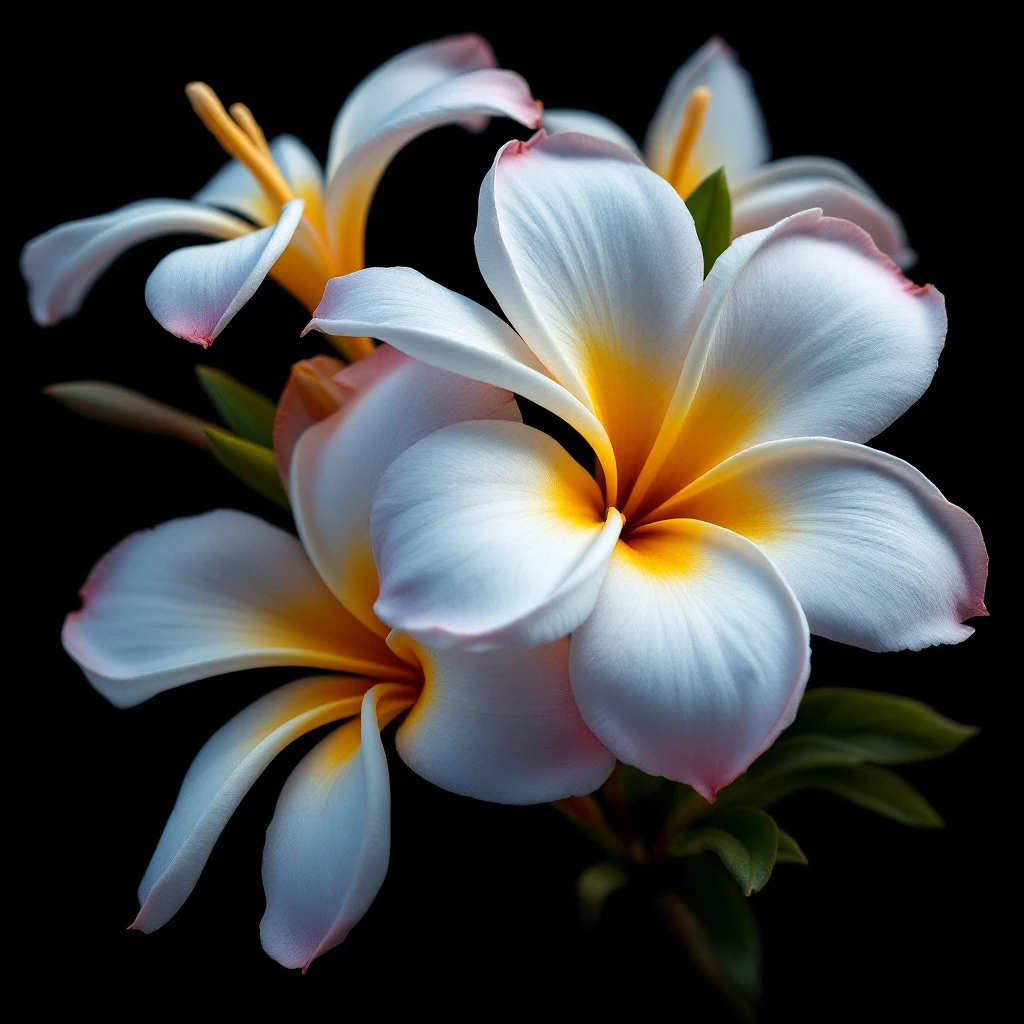
Jasmine Sambac from Bali carries a denser, almost fruity sweetness compared to its Indian counterparts. The island's volcanic soil and humid microclimate shape a floral absolute prized for its indolic warmth.
Character
How it smells
Bali's tropical nights, bottled.
Sambac flowers must be picked before dawn; once sunrise hits, the blossoms close and their precious volatile compounds evaporate within hours.





Origin
Indonesia
Jasminum sambac traces its botanical origins to the eastern Himalayas, spreading southward and eastward through trade routes into Southeast Asia centuries ago. The flower became deeply woven into Balinese Hindu ritual culture, where it serves as a sacred offering (canang sari) presented daily to spirits at household shrines.
This continuous ceremonial use preserved living genetic stock across the island long before commercial perfumery arrived. Indonesian jasmine sambac gained international recognition in the early 2000s when researchers confirmed measurable distinctions between geographical varieties: Indian, Chinese, Pakistani, and Indonesian chemotypes each carry distinct aromatic signatures shaped by terroir.
Balinese cultivation, in particular, emerged as a premium category during the 2010s as artisan perfumers sought alternatives to traditional Indian and Egyptian supply chains. Today the flower supports both local spiritual practice and a growing niche export market rooted in smallholder farming.
Wears it best
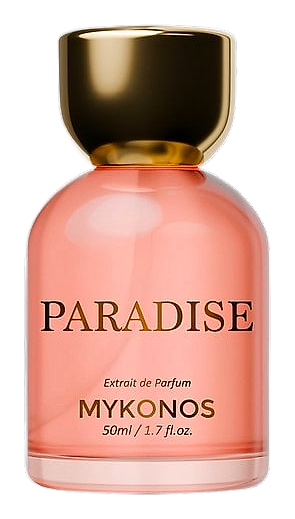
Fragrances featuring Balinese Jasmine Sambac
Brands
Brands known for Balinese Jasmine Sambac
Good to know
Questions, answered
The essentials on Balinese Jasmine Sambac in perfumery: how it smells, where it comes from, and how it behaves on skin.
What makes Balinese jasmine sambac different from Indian jasmine?
Balinese jasmine sambac carries a fruitier, denser sweetness with pronounced indolic warmth. A 2021 comparative study confirmed that geographical origin measurably alters the volatile compound profile, with Indonesian chemotypes showing distinct marker molecules absent in Indian harvests.
Is jasmine sambac from Bali sustainably sourced?
Most Balinese jasmine comes from smallholder family gardens that have cultivated the flower for generations. Continuous demand for ceremonial offerings ensures active cultivation, though standardized sustainability certifications remain rare in this fragmented supply chain.
How is Balinese jasmine sambac extracted?
Producers primarily use solvent extraction with hexane or ethanol to capture the full range of volatile compounds. Small artisan operations occasionally use enfleurage, layering fresh petals onto coconut oil–smeared frames over 24 to 48 hours.
Why is jasmine sambac so expensive?
Approximately 8,000 freshly picked blossoms yield just one gram of absolute. Hand harvesting must occur before dawn, since the flowers close and lose aromatic potency once exposed to direct sunlight.
What does Balinese jasmine sambac smell like?
The scent profile leans rich, fruity, and intensely indolic with warm, almost apricot-like undertones. Compared to grandiflorum, sambac feels denser and sweeter, with a heavier animalic warmth on the drydown.
Where exactly in Bali is jasmine sambac grown?
Cultivation concentrates in the island's central and eastern highlands, where volcanic soil retains moisture and altitude moderates tropical heat. Gianyar and Bangli regencies remain core production zones.
Can jasmine sambac be grown outside Indonesia?
The plant grows across tropical and subtropical regions, including India, the Philippines, and southern China. However, soil composition, humidity, and elevation produce measurably different aromatic profiles in each region.
Is Balinese jasmine sambac used in religious ceremonies?
Yes. The flower is a core component of daily Balinese Hindu offerings (canang sari), placed at household and temple shrines. This longstanding ritual use helped preserve traditional cultivation knowledge across generations.





