Balinese Frangipani
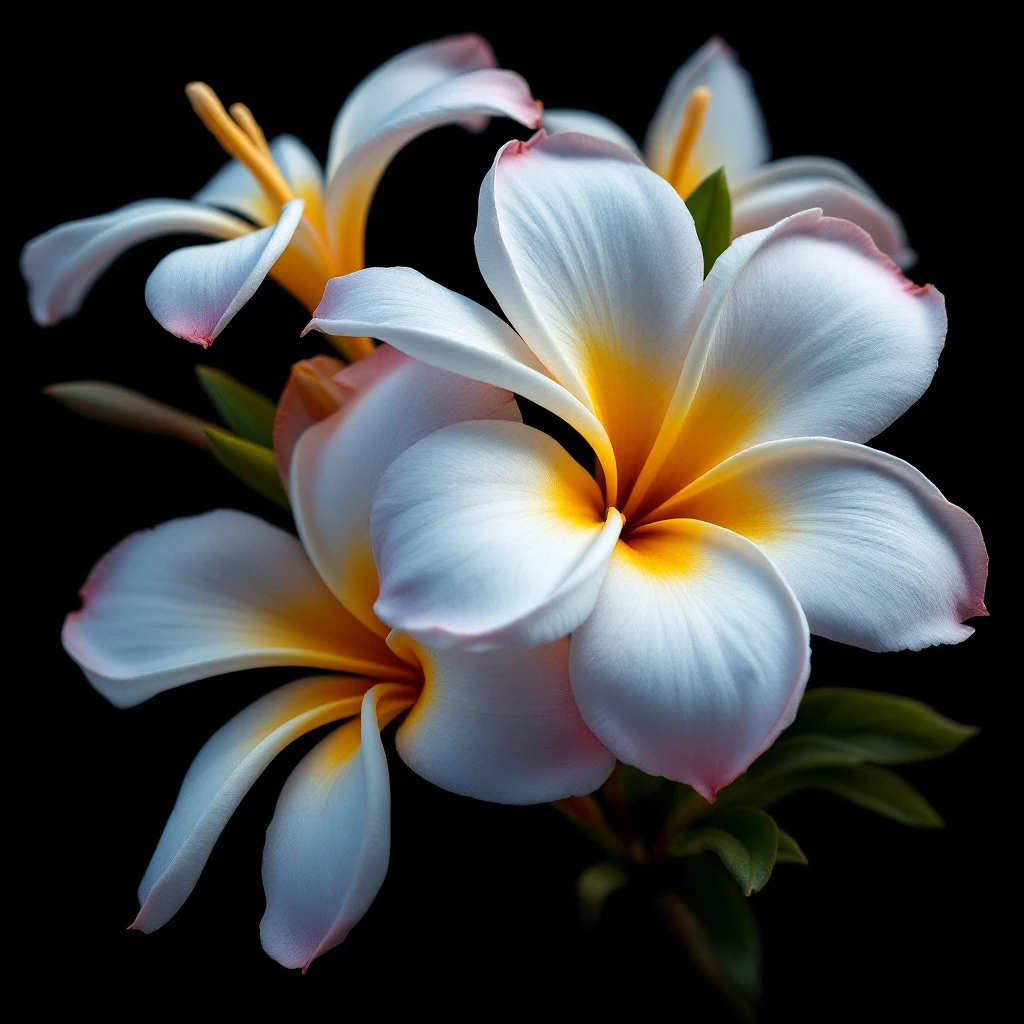
Balinese Frangipani captures the creamy, sun-warmed sweetness of plumeria blossoms gathered in Indonesia's tropical highlands. A lush, tropical floral note with apricot, peach, and subtle coconut undertones.
Character
How it smells
Sun-warmed tropical blossoms in a single breath
The frangipani flower yields almost no natural essence through steam distillation, forcing perfumers to reconstruct its scent from individual aroma molecules.





Origin
Indonesia
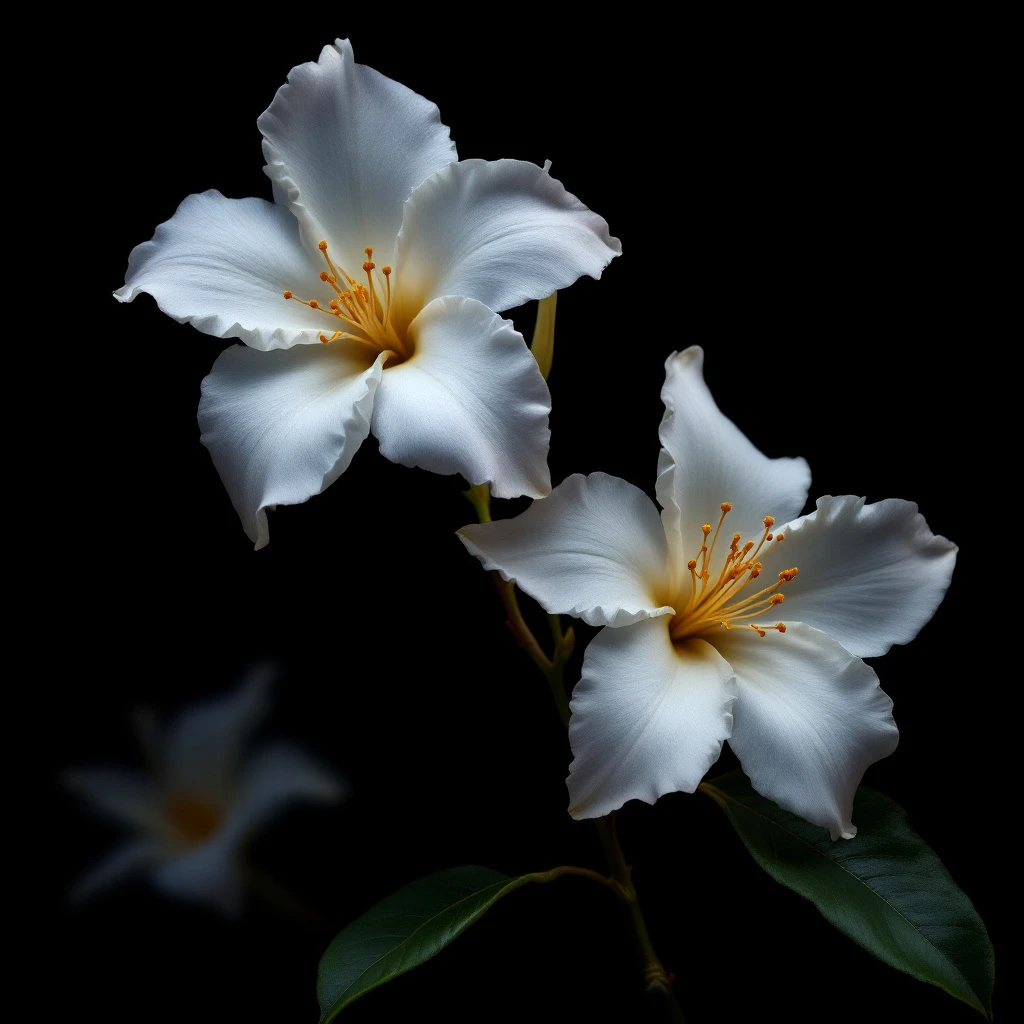
The plumeria genus carries deep roots across tropical civilizations. In Bali, frangipani garlands mark sacred Hindu ceremonies, draped around temple shrines and worn in hair during offerings to the gods. The flower arrived in Indonesia centuries ago, carried across maritime trade routes from Central America, and adapted effortlessly to the island's volcanic soil.
European perfumers first encountered the scent in the 16th century through the famous Frangipani family of Rome, who scented gloves with a blend of iris and spices meant to evoke the tropical flower's aroma. This early association, documented in 1532, gave the flower its common European name, long before its botanical identity was established. Charles Plumier, a 17th-century French botanist, formally classified the genus as Plumeria in 1700.
Today, Bali's frangipani fields remain living archives of cultural memory, where the blossoms serve both spiritual and aromatic purposes across generations.
Wears it best
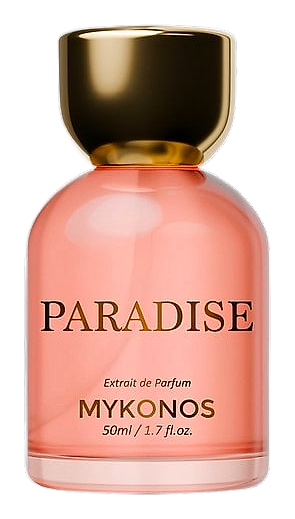
Fragrances featuring Balinese Frangipani
Brands
Brands known for Balinese Frangipani
Good to know
Questions, answered
The essentials on Balinese Frangipani in perfumery: how it smells, where it comes from, and how it behaves on skin.
What does Balinese Frangipani smell like?
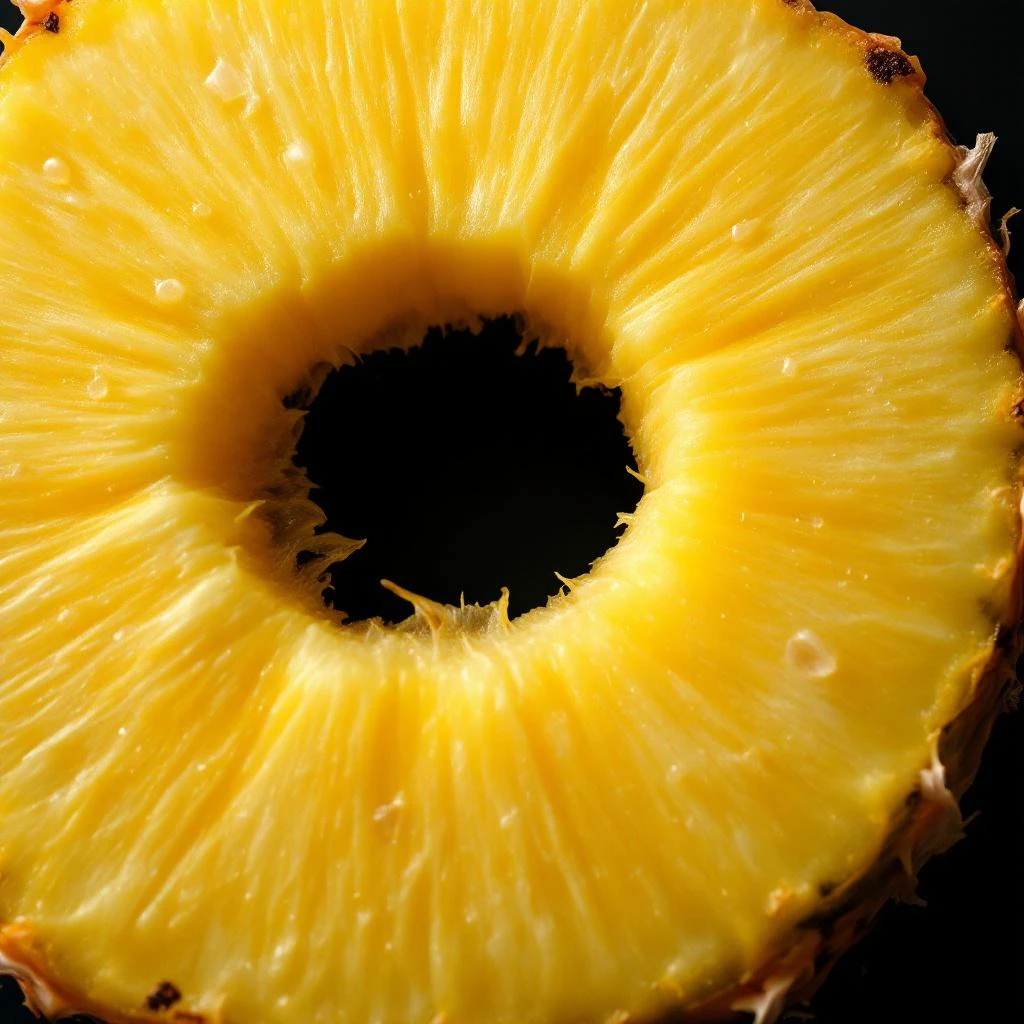
Balinese Frangipani smells creamy, sweet, and tropical, with distinct apricot and peach notes layered over a soft coconut-like warmth. The accord captures the sun-warmed quality of fresh plumeria blossoms gathered in Indonesia's tropical climate.
Can Frangipani be naturally extracted?
True natural extraction is rare and costly. The flowers contain minimal essential oil, so most Frangipani notes are reconstructed in labs using synthetic aroma molecules that mimic the flower's profile.
Where does Balinese Frangipani come from?
Balinese Frangipani refers to plumeria flowers cultivated in Bali, Indonesia. The island's volcanic soil and tropical climate produce especially lush, fragrant blooms used in both ceremonial garlands and perfume compositions.
Is Frangipani safe for skin?
Reconstructed Frangipani accords are generally safe in finished fragrance concentrations. However, the natural absolute can cause sensitization in some individuals and should be patch tested before direct skin application.
What is the difference between Frangipani and Plumeria?
There is no botanical difference. Plumeria is the official genus name, while Frangipani is the common name derived from a 16th-century Italian noble family who created a similar-scented perfume blend.
Why is Frangipani expensive in perfumery?
Genuine Frangipani absolute is costly because extracting usable oil requires massive quantities of hand-harvested flowers. One kilogram of absolute can demand thousands of fresh blooms, driving artisan prices significantly higher.
Does Frangipani have spiritual significance in Bali?
Yes. In Balinese Hindu tradition, frangipani garlands are offered at temple shrines and worn during ceremonies. The flowers symbolize devotion, purity, and the connection between the physical and spiritual realms.
What other notes pair well with Frangipani?
Frangipani pairs naturally with coconut, ylang-ylang, and sandalwood for tropical compositions. It also blends smoothly with white tea, neroli, and light musks, adding creamy depth without overwhelming softer accords.





