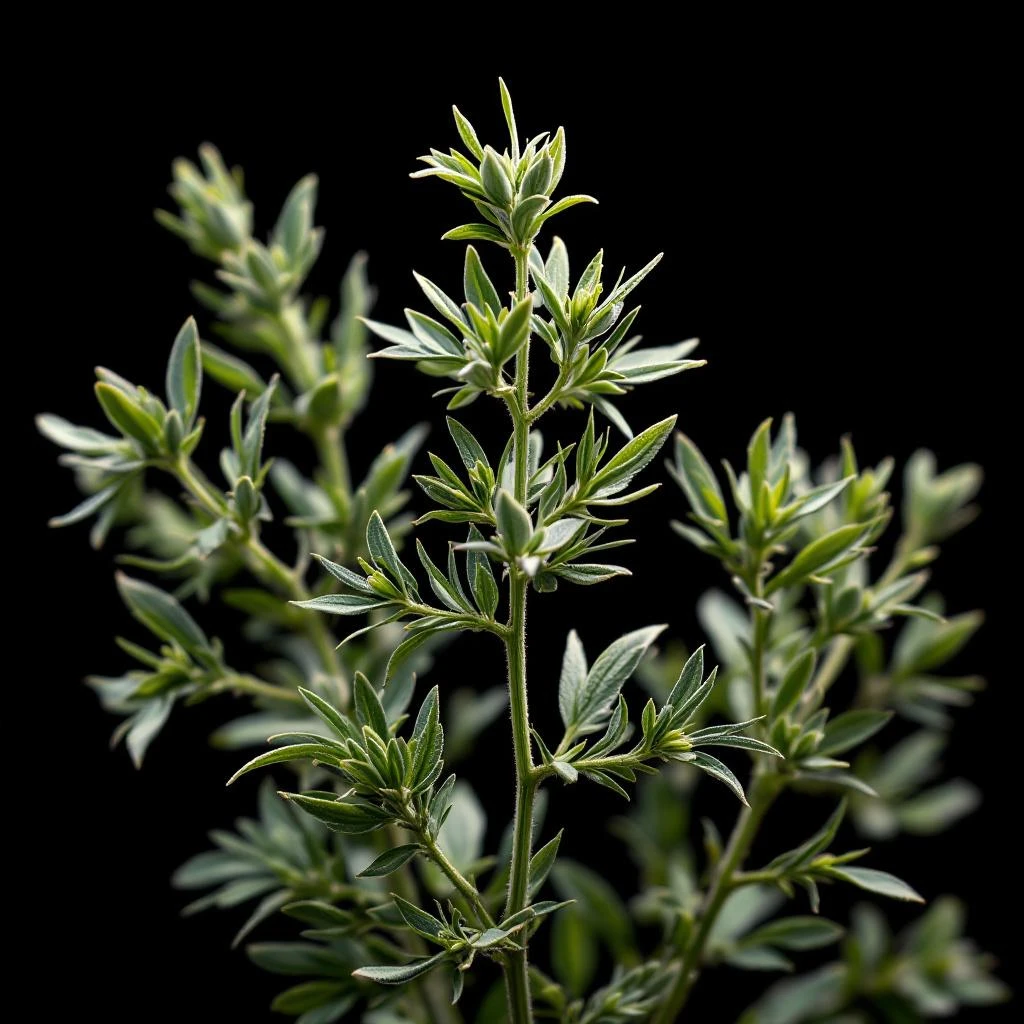
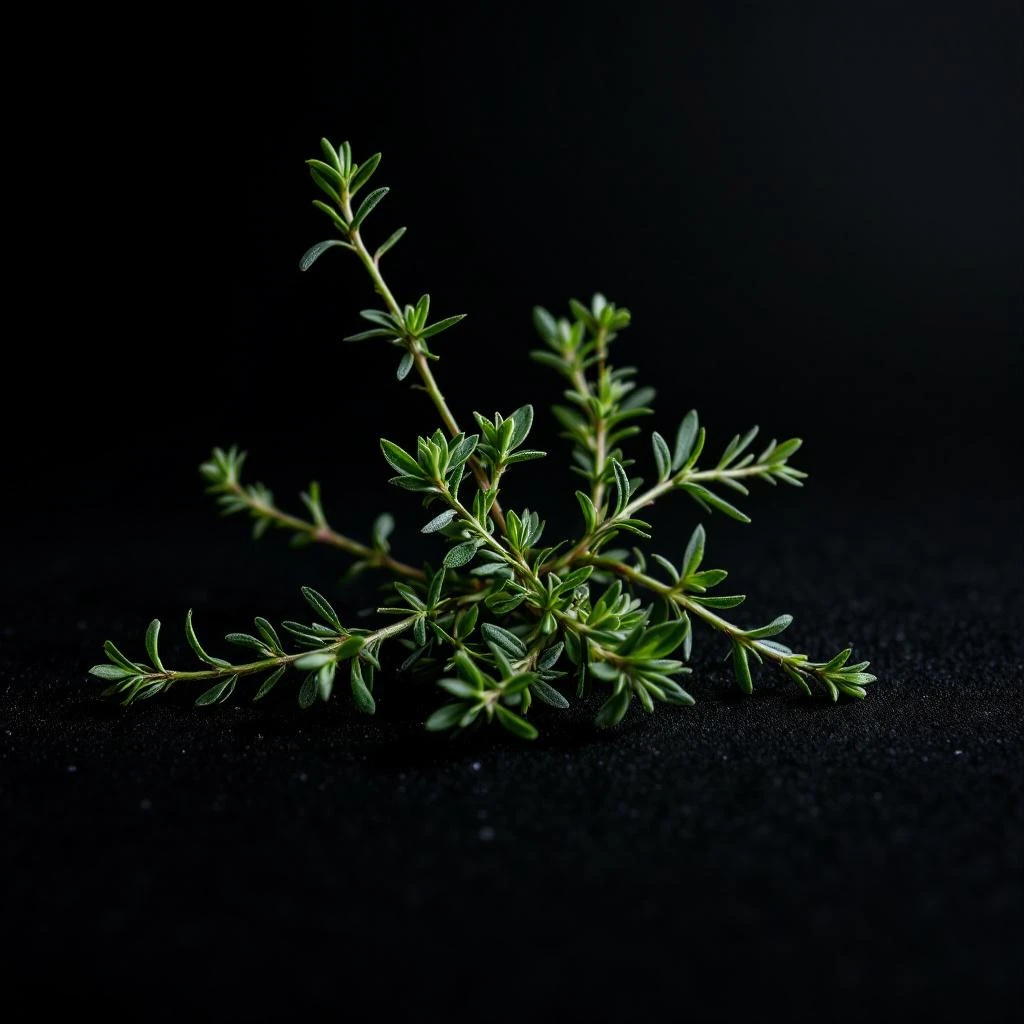
Austrian Sage
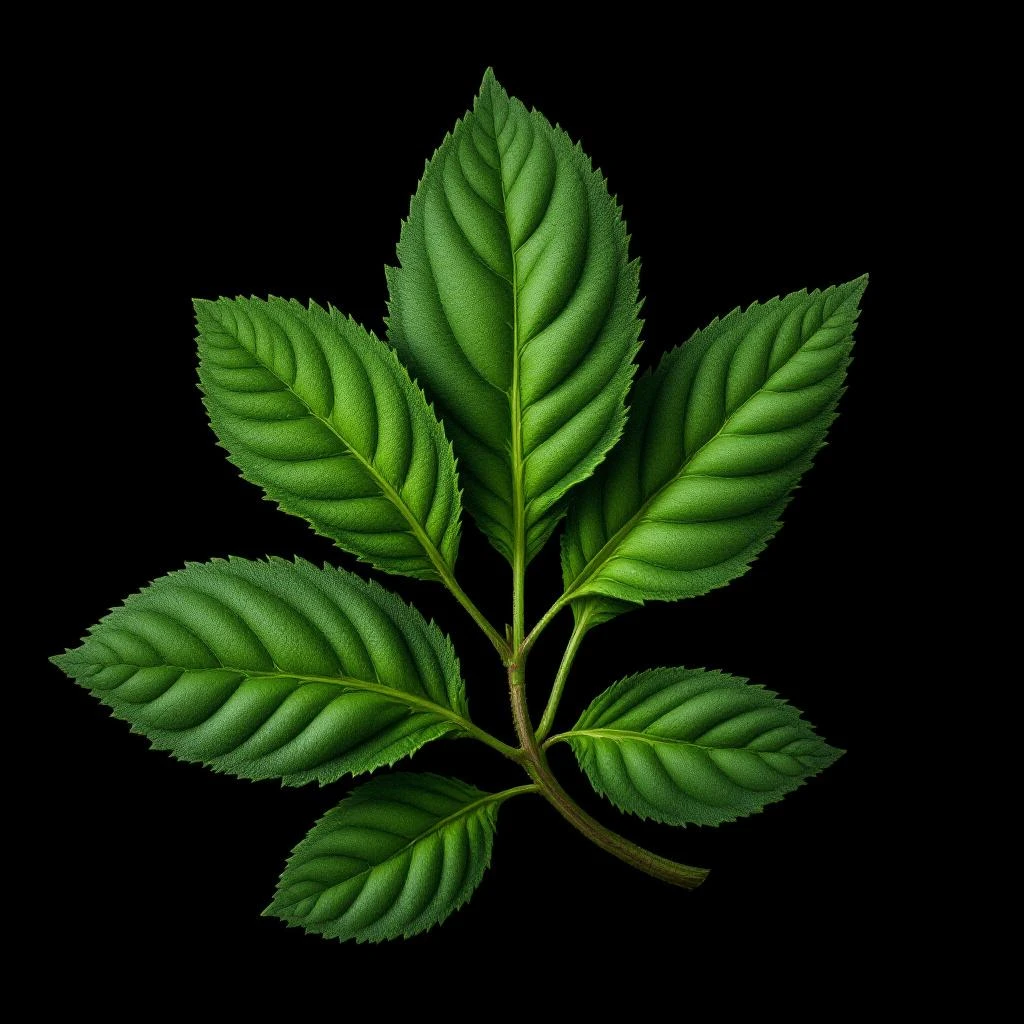
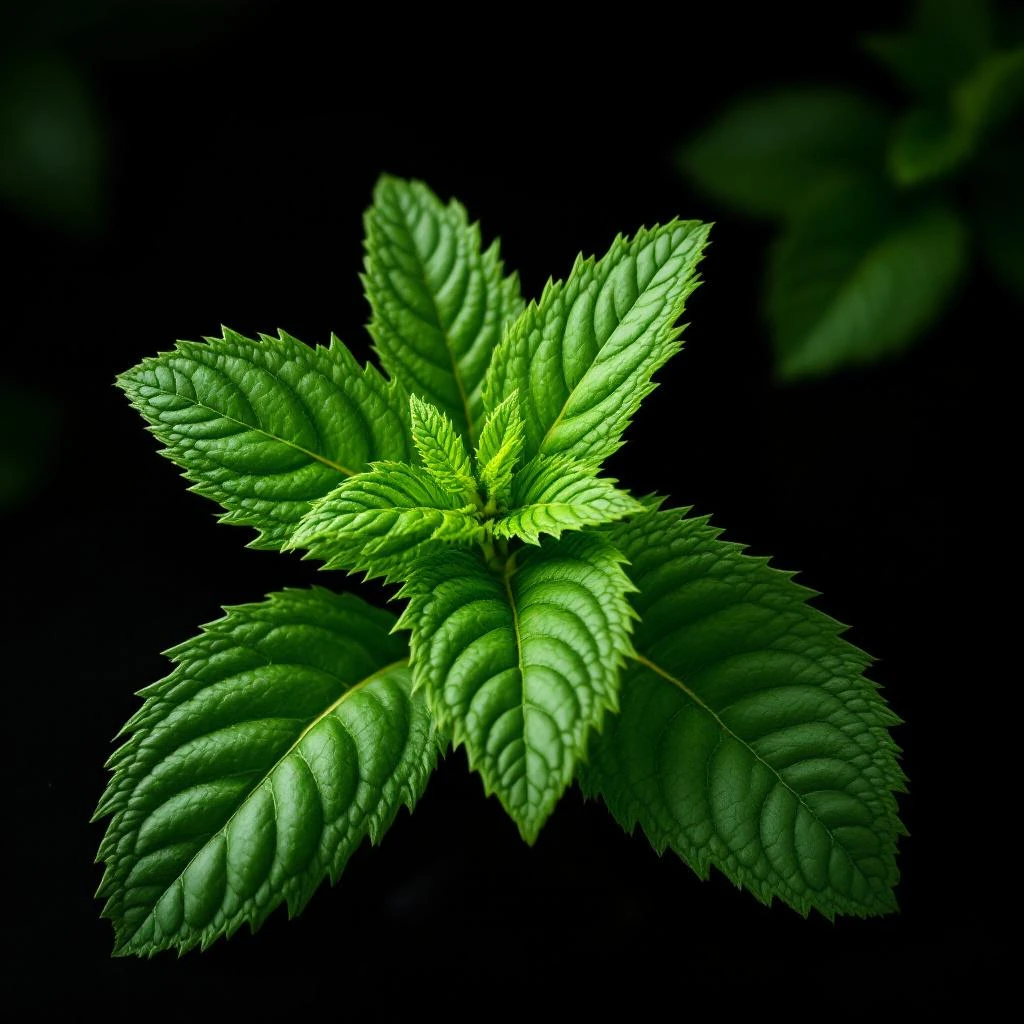
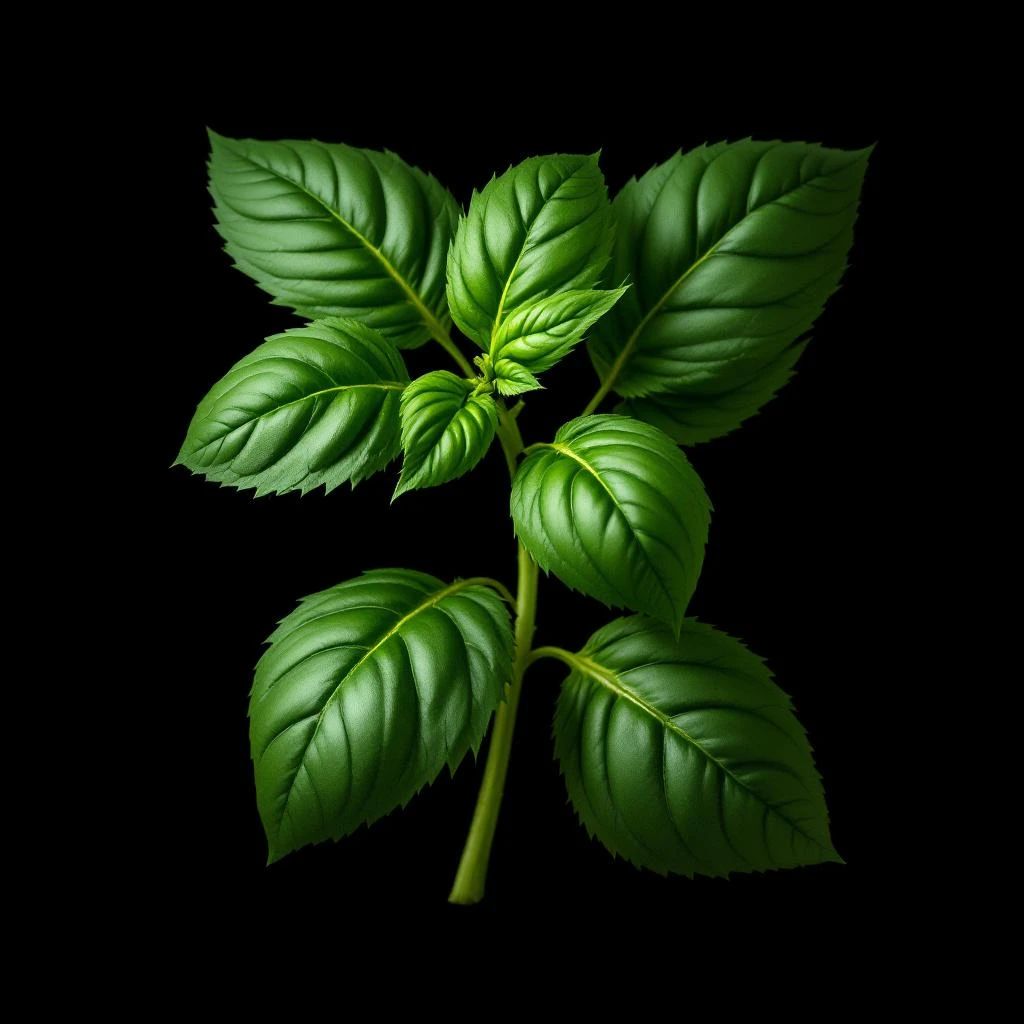
Austrian Sage delivers a crisp, herbaceous intensity that sets it apart from milder Mediterranean varieties. Its essential oil carries sharp camphoraceous top notes underpinned by a warm, earthy resinous base favored in structured aromatic compositions.
Character
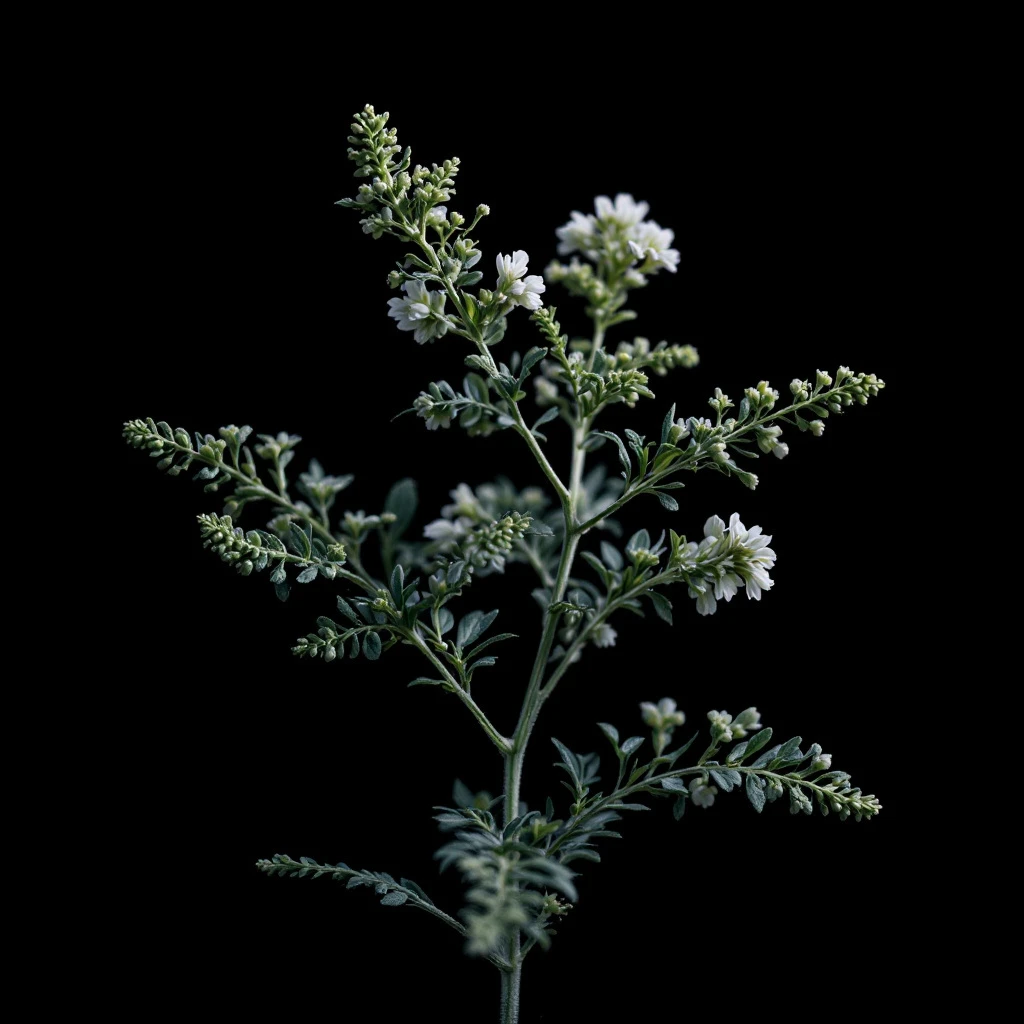
How it smells
Alpine herbs with an aromatic edge
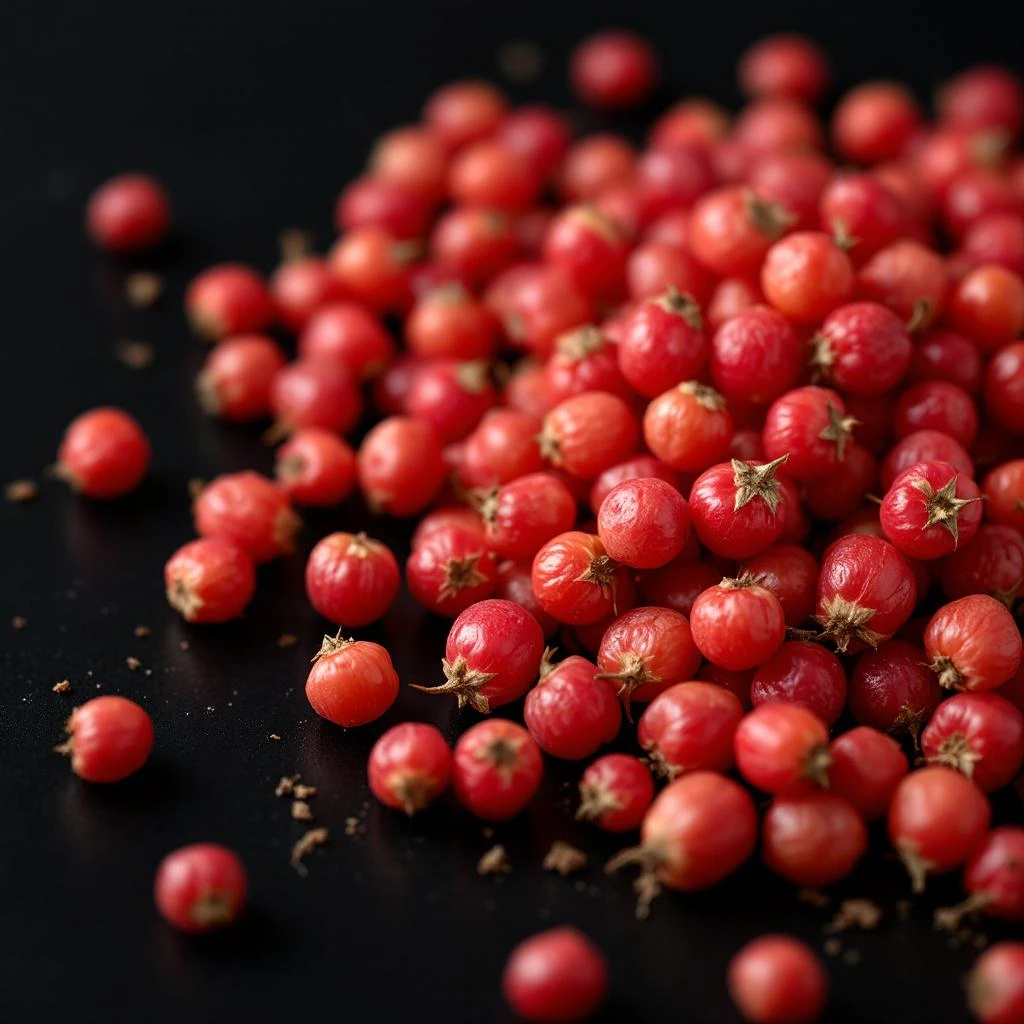
Austrian Sage grows at elevations above 800 meters in the Austrian Alps, where cooler nights concentrate its essential oil yield by up to 30% compared to lowland cultivars.







Origin
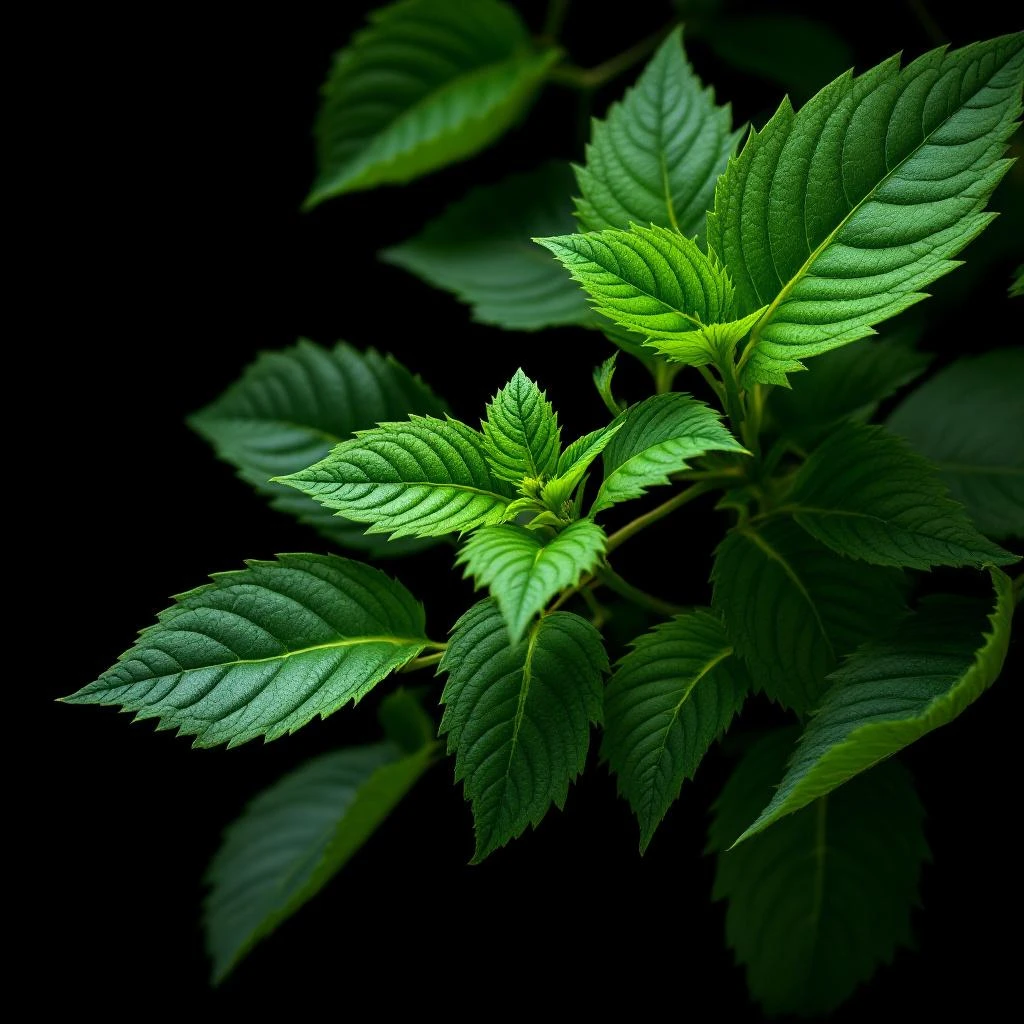
Austria
Salvia officinalis has perfumed monastic pharmacopoeias across Central Europe since the 9th century, when Benedictine abbeys cultivated sage in medicinal plots across what is now Austria. The name Salvia derives from the Latin salvere, meaning to save or to heal, reflecting the plant's longstanding role in European herbalism.
Austrian distillation traditions took shape in the Tyrolean valleys during the 16th century, where small-scale alchemist-distillers refined essential oil techniques originally documented in Hieronymus Brunschwig's Liber de Arte Distillandi (1500). By the 18th century, Viennese apothecaries classified Austrian Sage as a distinct chemotype from its Mediterranean counterparts, noting its sharper, more camphoraceous profile.
The 19th century shift from natural to synthetic perfumery, particularly the commercial synthesis of linalool and linalyl acetate, reduced reliance on sage distillates in mainstream formulations. Today, Austrian Sage persists as a niche perfumery ingredient, with annual production centered in the Wachau and Tyrolean regions where traditional steam-distillation cooperatives still operate.
Wears it best
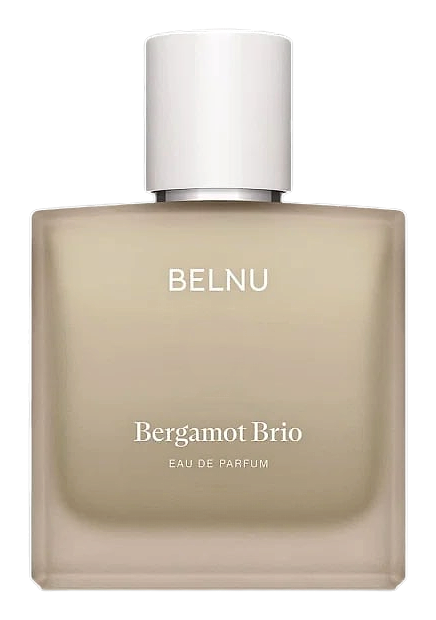
Fragrances featuring Austrian Sage
Brands
Brands known for Austrian Sage
Good to know
Questions, answered
The essentials on Austrian Sage in perfumery: how it smells, where it comes from, and how it behaves on skin.
What does Austrian Sage smell like in a fragrance?
It offers a sharp, herbaceous character with prominent camphor, eucalyptus-like 1,8-cineole, and a dry earthy undertone. Perfumery references note its intensity reads more medicinal and penetrating than Dalmatian Sage.
How is Austrian Sage essential oil extracted?
Producers use steam distillation, passing pressurized steam through freshly harvested flowering tops. The vapor condenses into a pale-yellow oil typically yielding 1.5 to 2.5 percent by weight of plant material.
What distinguishes Austrian Sage from common sage?
Austrian chemotypes grown in alpine climates show higher thujone and camphor concentrations than Mediterranean varieties. Cooler nighttime temperatures at elevation concentrate these volatile compounds in the leaf glands.
Is Austrian Sage safe for skin application?
At typical perfumery dilution levels (under 1%), Austrian Sage oil is considered safe for cosmetic use. Its high thujone content means it should never be ingested in concentrated form.
Which fragrance families use Austrian Sage?
It anchors aromatic and fougère compositions, where its camphoraceous lift supports herbal accords of lavender, rosemary, and oakmoss. It also appears in structured masculine colognes needing a clean green opening.
Where is Austrian Sage primarily cultivated?
Commercial cultivation centers on the Tyrolean Alps and Wachau Valley. The plant thrives in well-drained limestone soils at elevations between 600 and 1,200 meters.
Can Austrian Sage be used in natural perfumery?
Yes. Because it requires no synthetic modification, steam-distilled Austrian Sage qualifies for natural and organic certification standards, making it valuable in artisan perfumery formulations.
How long does Austrian Sage last in a perfume formulation?
Its camphor and 1,8-cineole components give it moderate longevity, typically 2 to 4 hours on a blotter. It performs best as a top-to-middle note bridge rather than a base anchor.