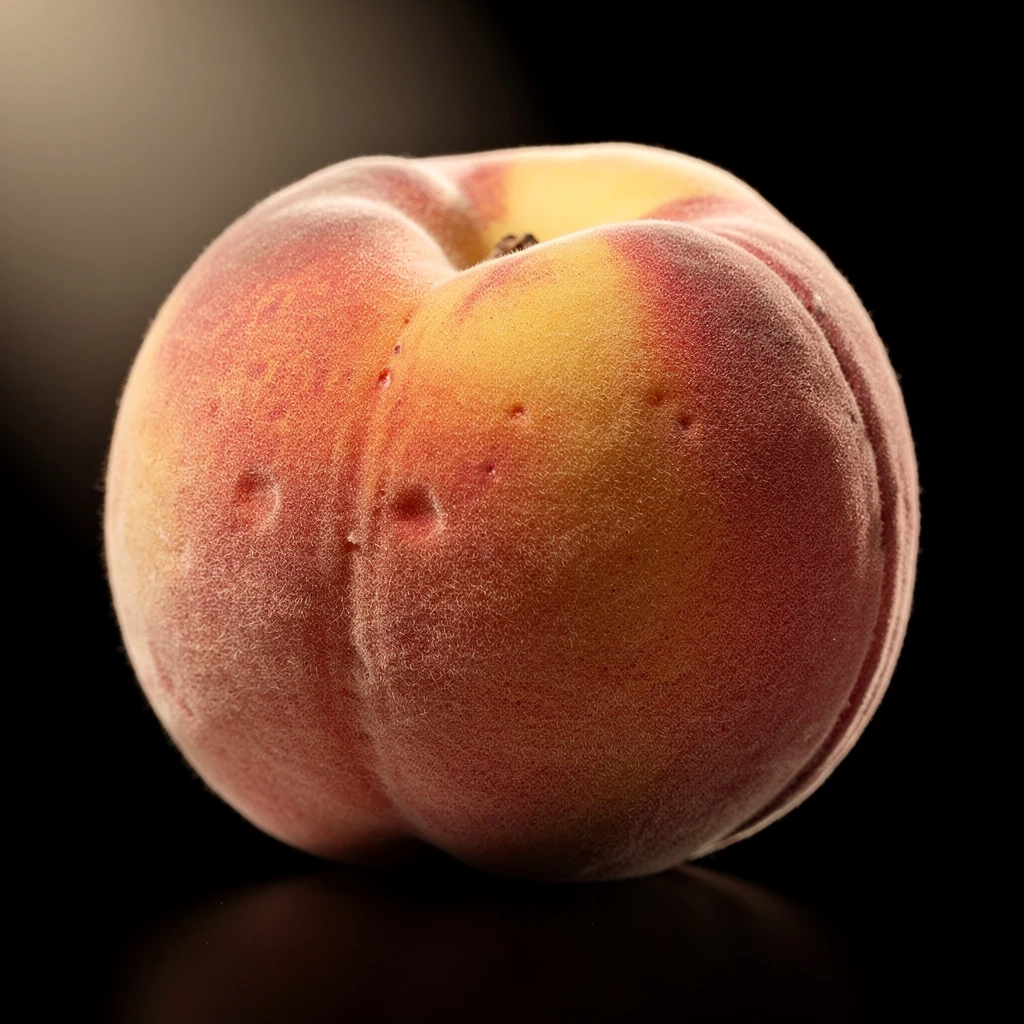
Apricot Jelly
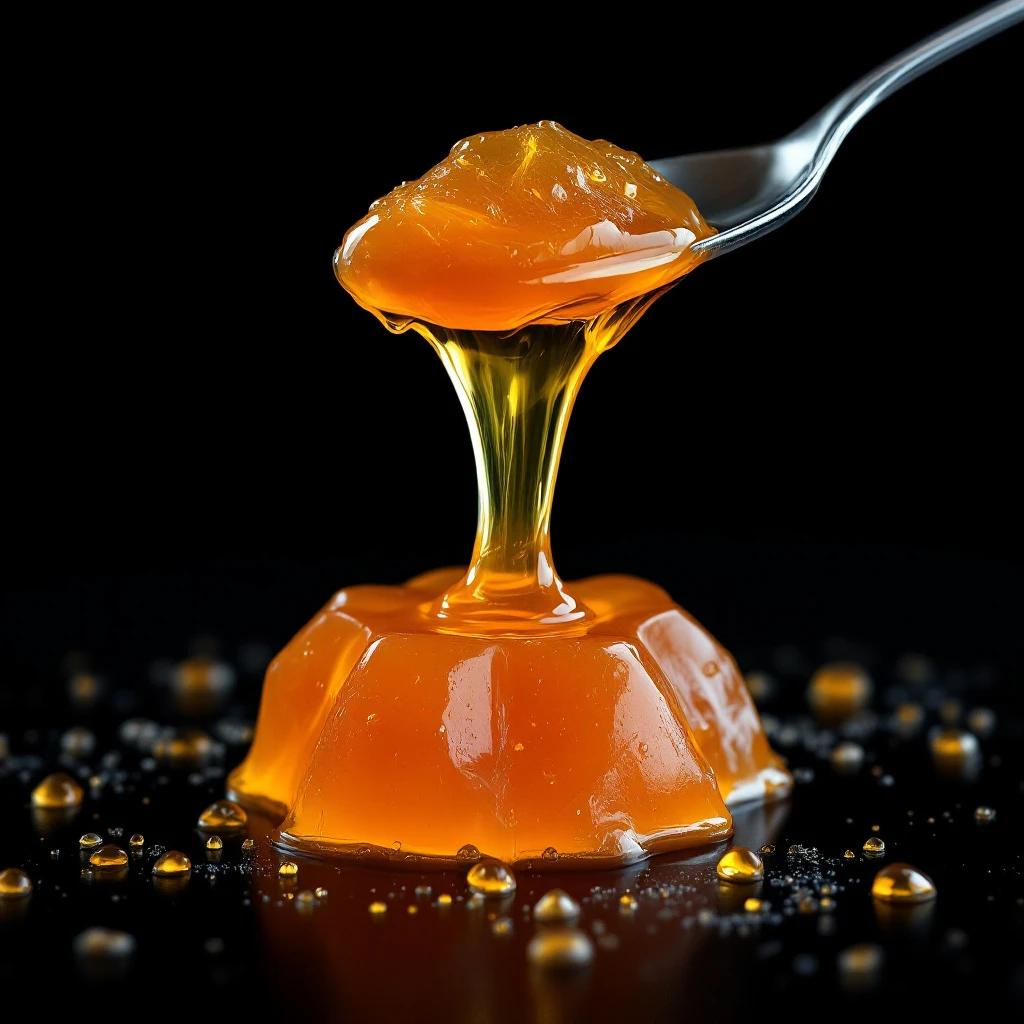
Apricot jelly in fragrance captures a soft, golden sweetness. The note carries preserved fruit, warm sugar, and a plush, jammy depth that gives compositions a sunlit, edible warmth.
Character
How it smells
Preserved fruit, golden sweetness
Apricot has no essential oil. Its scent is rebuilt entirely through aroma molecules in the lab, which is why 'apricot jelly' notes smell remarkably consistent across different fragrances.




Origin
China
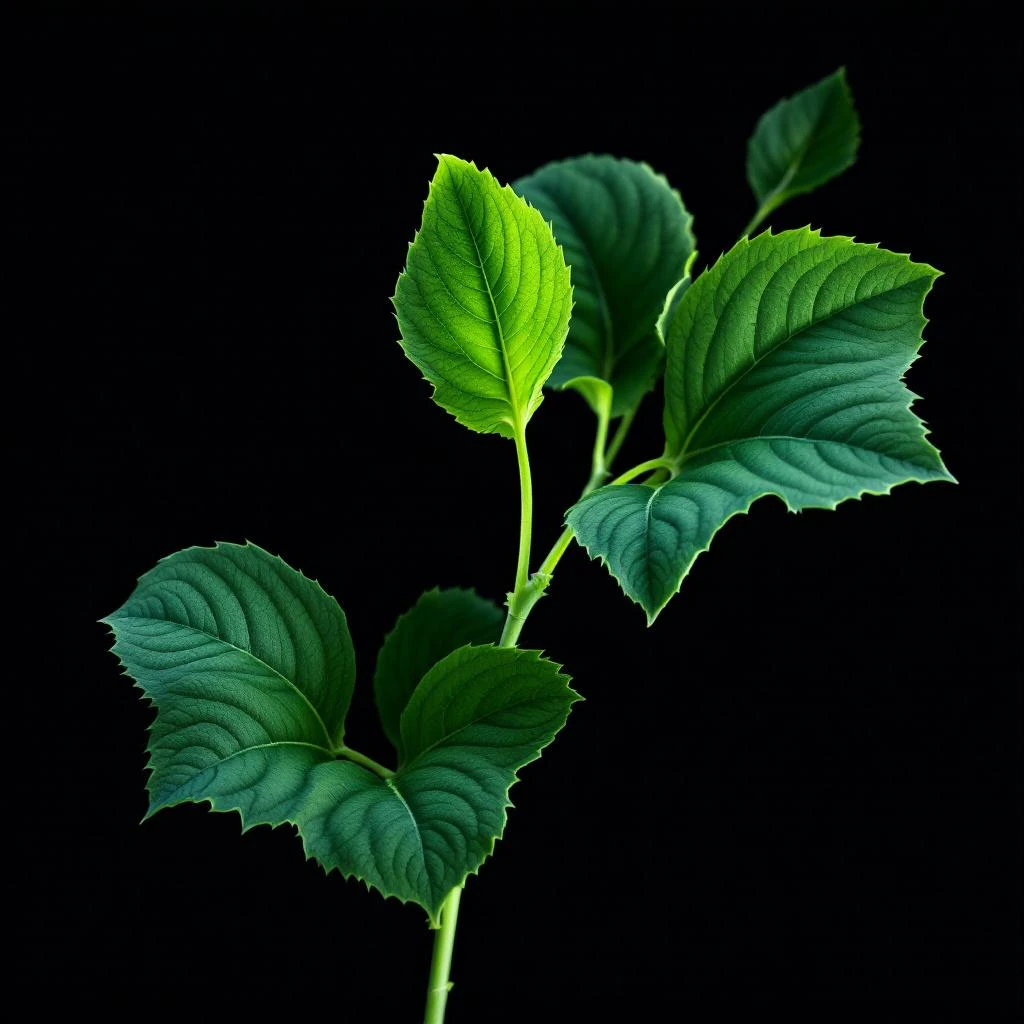
Apricots first took root in northwestern China over 4,000 years ago, spreading westward along Silk Road trading routes into Persia, the Mediterranean, and eventually Europe. By the medieval Islamic Golden Age, apricot had entered formal perfumery practice. Al-Kindi, the 9th-century philosopher and chemist, documented its use in early fragrance recipes recorded in his writings on distillation and aromatics.
In early perfumery, the actual fruit mattered less than apricot kernel oil, pressed from the seeds and valued for its skin-softening properties. Modern perfumers inherited an impossible challenge: replicating a fruit that resists traditional extraction. The arrival of synthetic aroma chemistry in the late 19th and 20th centuries solved this puzzle.
Today, the warm jammy note of apricot remains a fixture in gourmand and fruity-floral compositions, a centuries-old ingredient finally made possible by modern science.
Wears it best
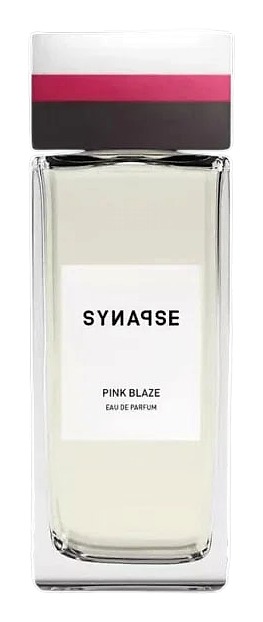
Fragrances featuring Apricot Jelly
Brands
Brands known for Apricot Jelly
Good to know
Questions, answered
The essentials on Apricot Jelly in perfumery: how it smells, where it comes from, and how it behaves on skin.
What does apricot jelly smell like in perfume?
Apricot jelly in fragrance smells like sweet preserved fruit, warm sugar, and soft golden nectar. It is a plush, jammy note that lends compositions a cozy, edible sweetness without sharpness.
Is apricot jelly a natural fragrance ingredient?
No. Real apricots yield no usable essential oil through distillation or pressing. The scent is built entirely from synthetic aroma molecules, most notably gamma-undecalactone.
How is the apricot scent recreated if there's no essential oil?
Perfumers combine synthetic lactones, esters, and sugar-like molecules such as ethyl maltol to imitate warm, jammy fruit. This reconstruction technique became standard in 20th-century gourmand perfumery.
What fragrance families use apricot jelly notes?
Apricot jelly appears most often in gourmand and fruity-floral compositions. It also softens oriental and amber bases, adding warmth and a sunlit sweetness that bridges floral and edible facets.
Where did apricots originally come from?
Apricots were first cultivated in northwestern China over 4,000 years ago. They spread westward through Persia and the Mediterranean via ancient Silk Road trade, reaching Europe by the classical era.
Is apricot kernel oil used in perfumery?
Apricot kernel oil is cold-pressed from apricot pits and occasionally used as a light carrier oil. It is valued for its mild scent and skin feel rather than for contributing fragrance character.
Which molecules create the apricot jelly effect?
Gamma-undecalactone (aldehyde C-14) provides the creamy, fruity sweetness, while ethyl maltol adds sugary warmth. Supporting fruity esters round out the jammy, preserved-fruit impression.
Who first used apricot in perfume history?
The 9th-century Arab philosopher Al-Kindi recorded apricot in early perfume recipes. Centuries later, modern chemists finally unlocked the ability to recreate its scent using synthetic aroma molecules.