

Heritage
A house, in its own words
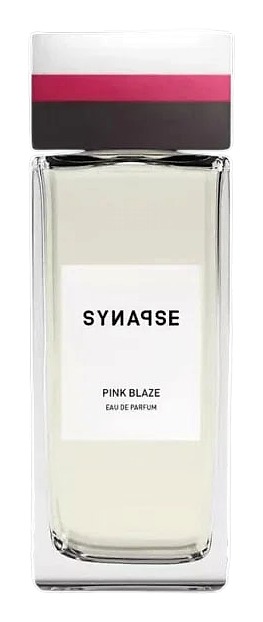
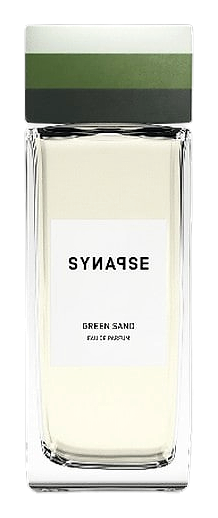
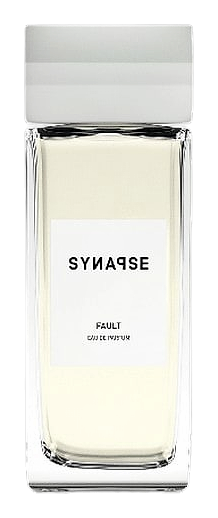
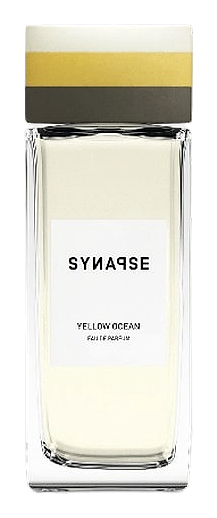
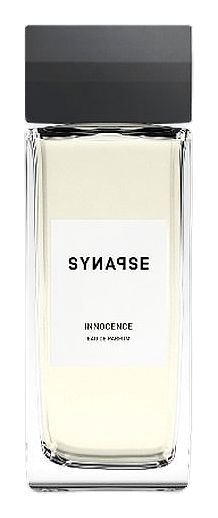
The origins of Synapse remain largely undocumented in accessible sources. The brand emerged in 2022 with a catalog of seven fragrances released simultaneously, a launch strategy that presented a complete vision rather than incremental releases typical of established houses. This approach suggests a deliberate artistic statement over commercial gradualism. The choice of the name Synapse references the neural junction where electrical signals pass between brain cells, implying a focus on the psychological and neurological dimensions of scent perception. Unlike heritage houses with centuries of documented history, Synapse arrived without公开的历史叙事, offering instead a conceptual framework centered on sensory memory and emotional connection. The absence of named perfumers in available information distinguishes the brand from the attribution-heavy model of traditional perfumery, positioning the fragrances as works defined by their conceptual identity rather than individual creator craft. Whether this reflects a collective or anonymous creation process cannot be confirmed through current sources. The brand's founding location, team composition, and business structure are not documented in accessible third-party materials. The brand describes its fragrances as existing between memory and sensation, functioning as bridges that connect sensory experience to emotional recall. The name Synapse itself indicates a foundational belief that fragrance operates not merely as pleasant accompaniment but as active neurological trigger, capable of reopening pathways to past experiences and feelings. This approach places psychological impact above descriptive scent categorization. Rather than presenting fragrances as combinations of note pyramids, Synapse frames its seven color-titled scents as emotional territories, each inviting personal interpretation rather than dictating specific aromatic narratives. The conceptual framework suggests that the relationship between scent and memory is the actual product, with the aromatic materials serving as the medium through which this connection occurs. This positions Synapse closer to art practice than consumer goods marketing, though the practical implications for wearer experience remain abstract without detailed scent descriptions or third-party reviews. The absence of perfumer attribution implies the brand considers the conceptual identity more central than individual craft expertise.