Apple Peel
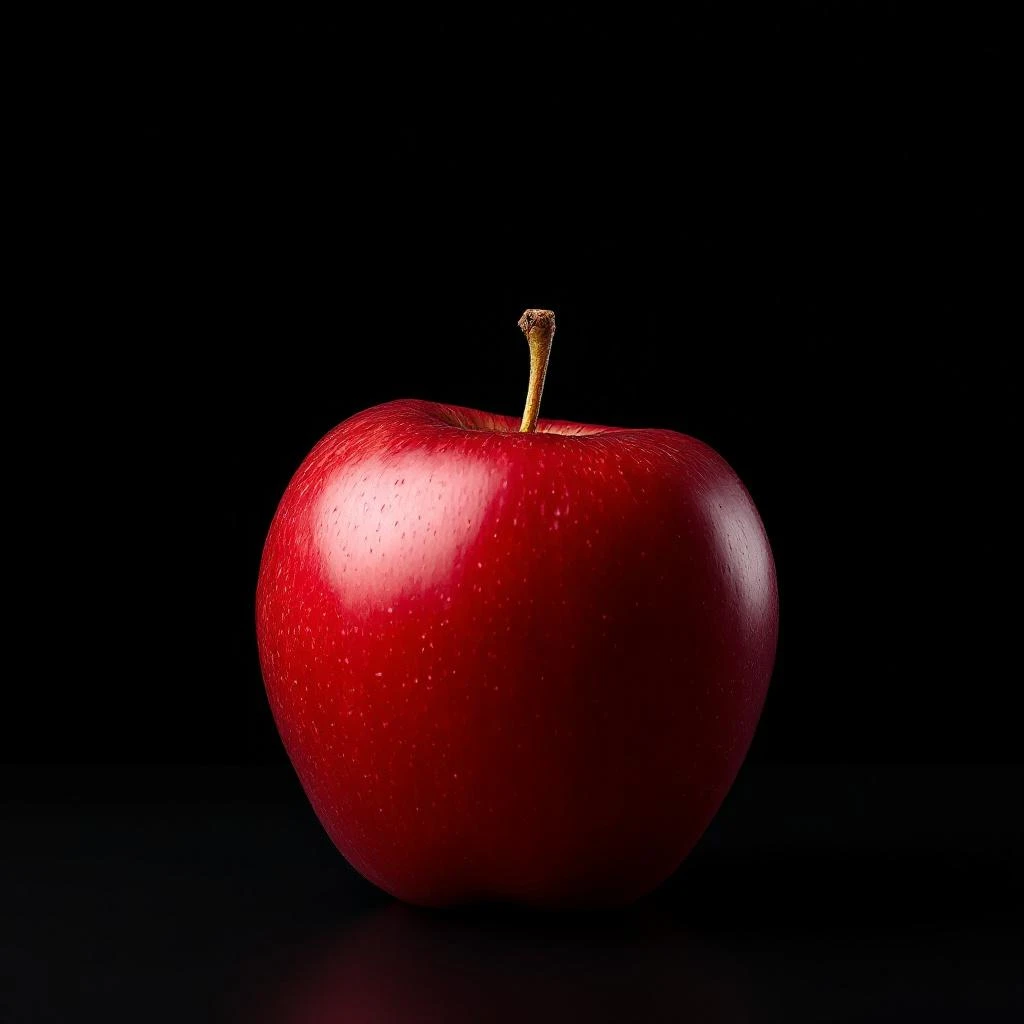
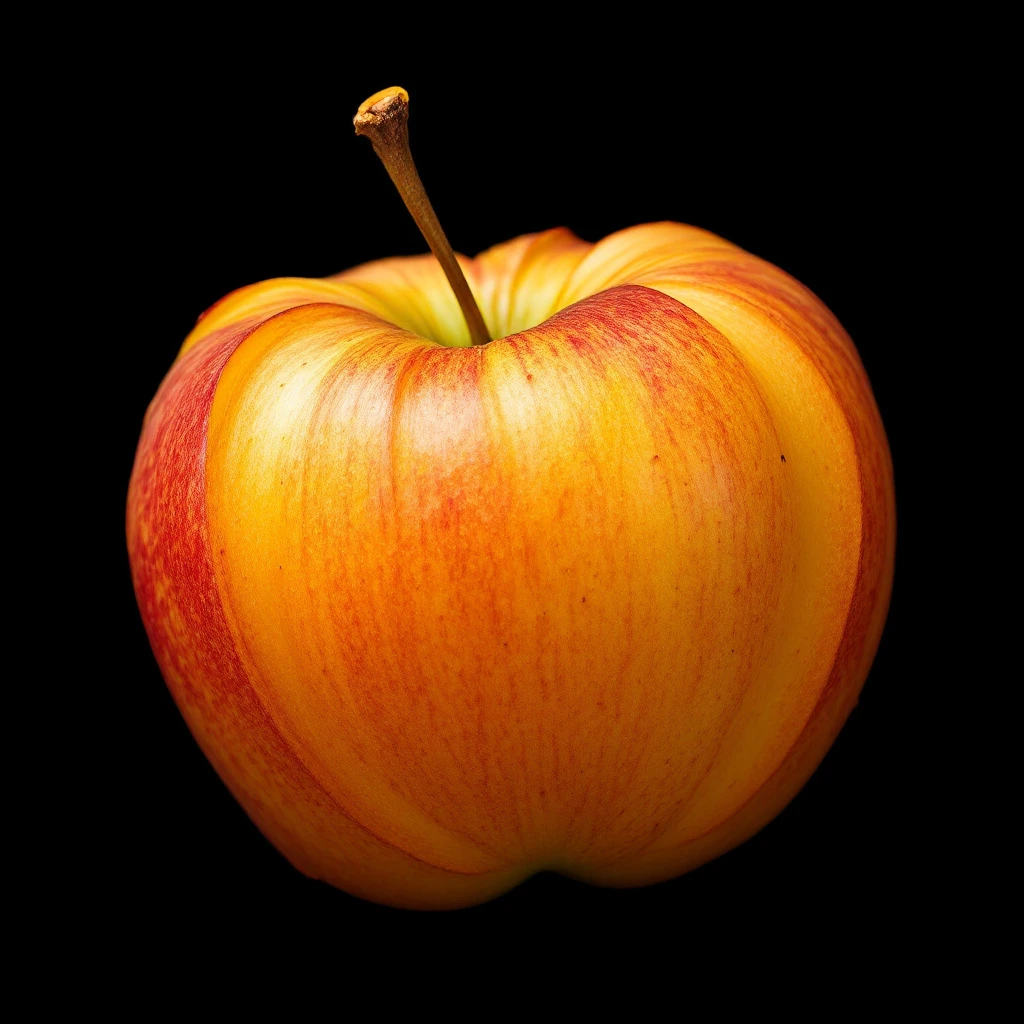
Apple Peel brings crisp orchard fruit to perfume: bright, juicy flesh edged with a clean, slightly bitter skin note and a restrained green freshness.
Character
How it smells
Orchard-bright fruit with a clean, gently bitter edge.
Apples do not yield a commercially practical essential oil for perfumery, so apple peel accords are often built from carefully selected aroma molecules.

Origin
United States
Apple has a long history as a cultured fruit, but its use in modern perfumery is primarily technical rather than traditional. For centuries, perfumes relied largely on plant materials such as resins, spices, flowers, and citrus peels. As modern chemistry expanded the available aroma materials from the nineteenth century onward, perfumers gained greater control over fruit effects, including notes that suggest apple without relying on a single natural extract.
Apple remains associated with autumn orchards, confectionery, and domestic freshness, but its fragrance profile is usually reconstructed rather than taken directly from the peel. In contemporary formulations, Apple Peel can suggest ripe fruit, crisp skin, and green orchard air while fitting neatly into contemporary fruit accords.
Wears it best
Fragrances featuring Apple Peel
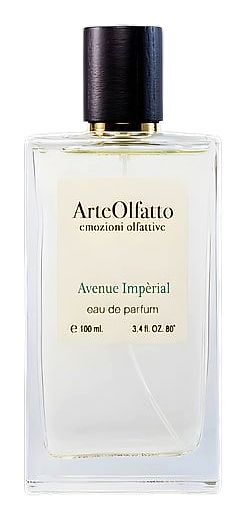
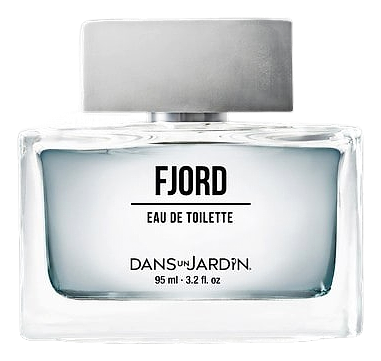
Brands
Brands known for Apple Peel
Good to know
Questions, answered
The essentials on Apple Peel in perfumery: how it smells, where it comes from, and how it behaves on skin.
What does Apple Peel smell like in perfume?
It smells like fresh apple skin: crisp, lightly juicy, faintly green, and sometimes gently bitter. Perfumery often adds supporting fruit and green notes to make the effect feel rounder.
Is Apple Peel made from real apple peel?
Usually, it is a constructed fragrance note rather than oil pressed directly from peel. Apple Peel accords commonly combine selected aroma molecules, though some formulations may also use apple-derived extracts.
Does apple produce an essential oil for perfumery?
Apple does not produce a commercially practical essential oil or absolute commonly used in perfumery. Its aroma is recreated with blends of molecules derived from the fruit’s characteristic volatile compounds.
What gives apple peel its characteristic scent?
Its character comes from a mixture of fruity, green, waxy, and slightly bitter compounds found around the skin and flesh. The balance changes depending on the apple variety and its ripeness.
Is Apple Peel the same as Granny Smith apple?
No. Apple Peel is a broader perfumery note describing apple skin, while Granny Smith is a specific apple variety with a sharper, greener tartness. A Granny Smith effect usually appears more tart and crisp.
How is Apple Peel usually produced for fragrance?
It is usually produced by blending carefully selected synthetic aroma molecules, sometimes with natural extracts. This gives perfumers control over the note’s freshness, fruitiness, and skin-like bitterness.
When is Apple Peel most noticeable in a fragrance?
It is most noticeable when placed near the opening, where its crisp fruit impression can register clearly. In later positions, it may become softer as other materials develop around it.
Can Apple Peel be used in natural perfume?
A formula labeled natural may include apple-derived extracts, but a straightforward apple peel essential oil is not generally available. Natural formulations often rely on other fruit extracts and carefully balanced natural aroma materials.