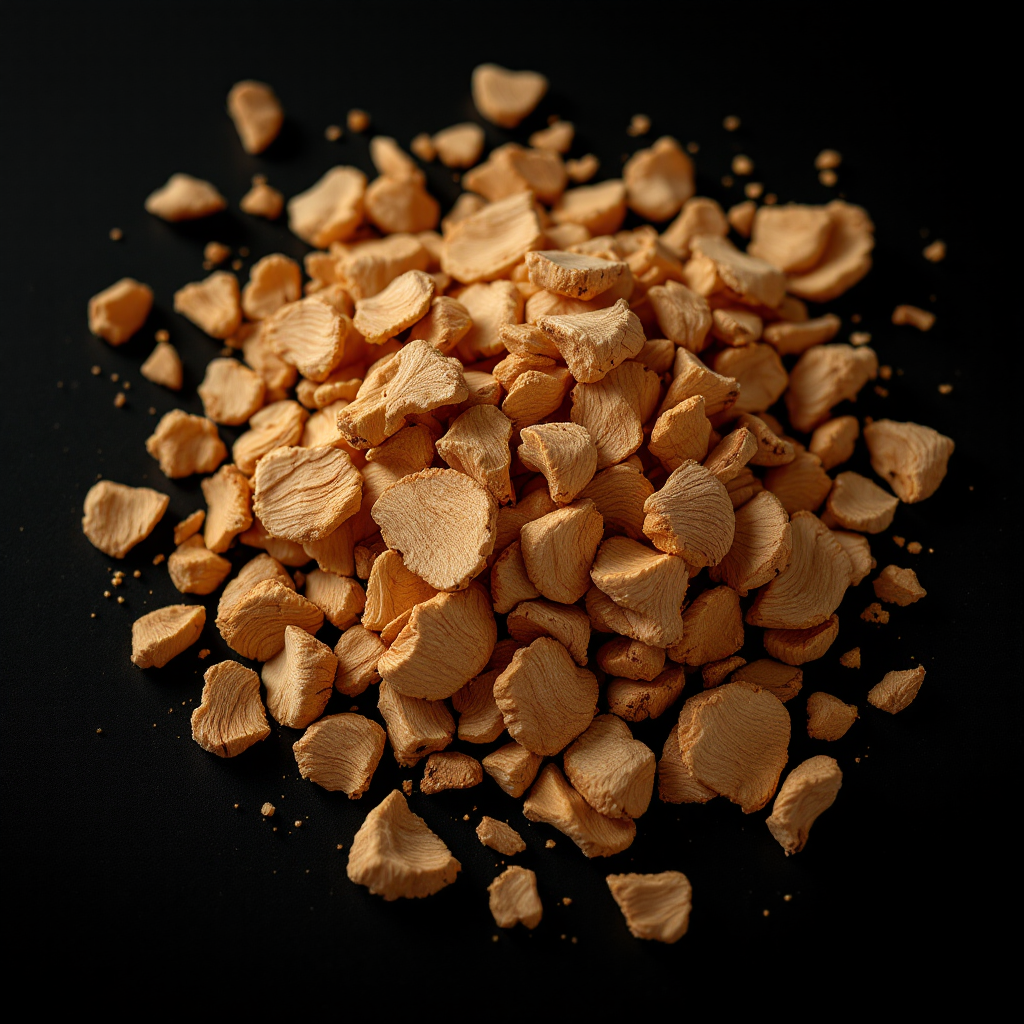
American Birch
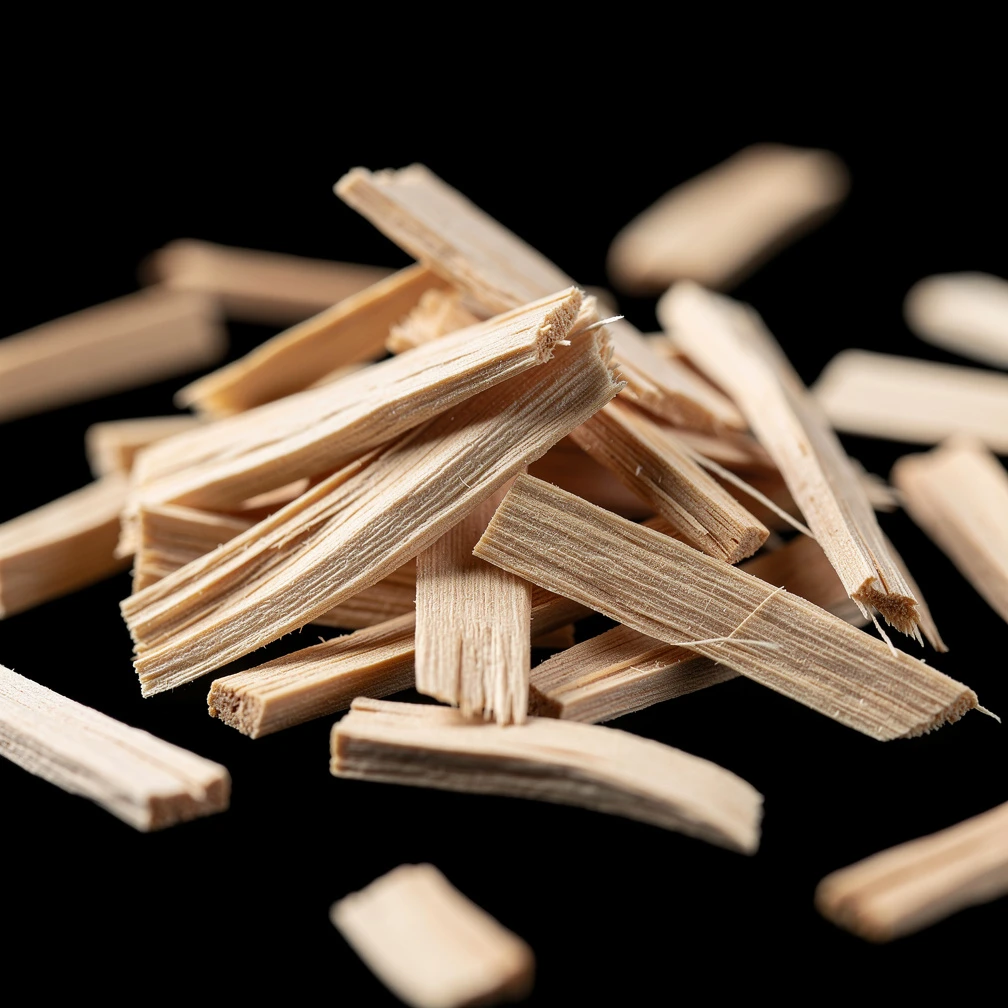
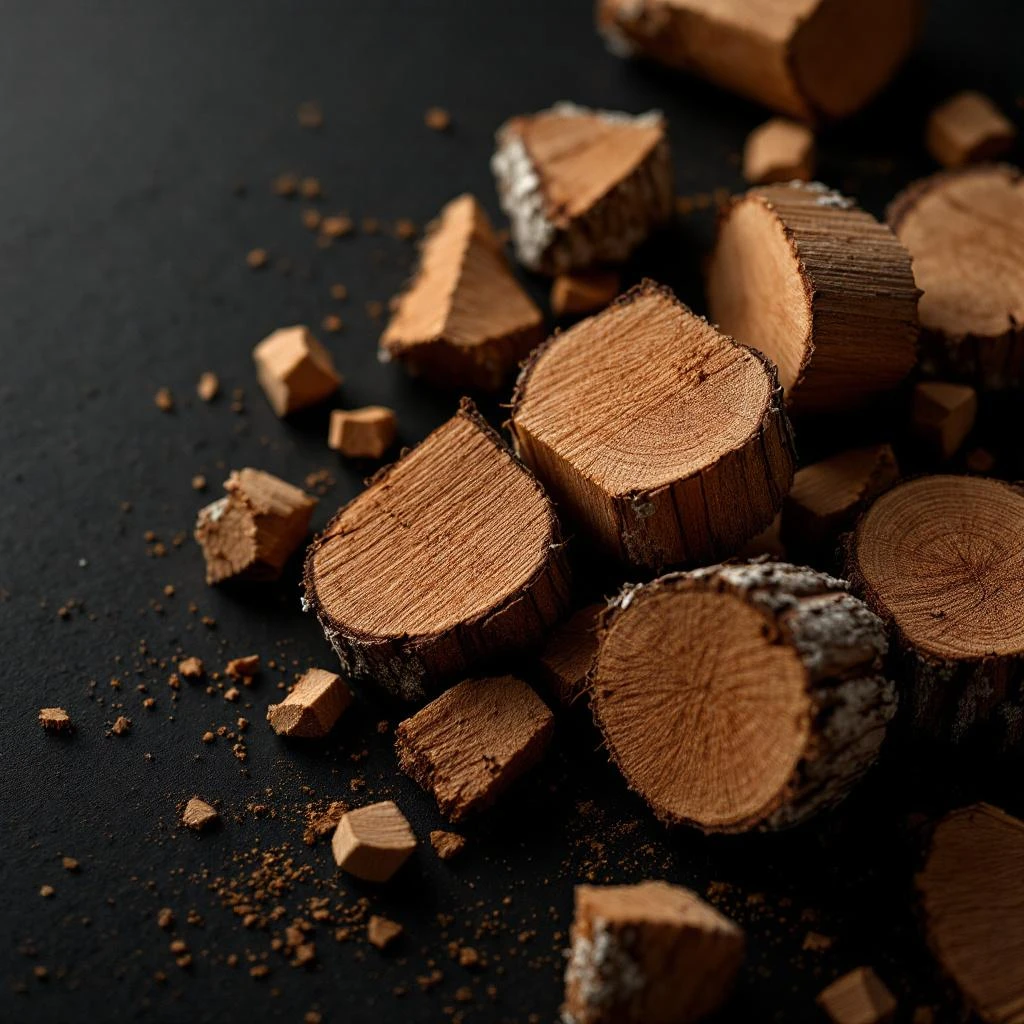
American birch brings a crisp woodland character to fragrance, pairing aromatic bark, dry woods and a subtle smoky edge.
Character
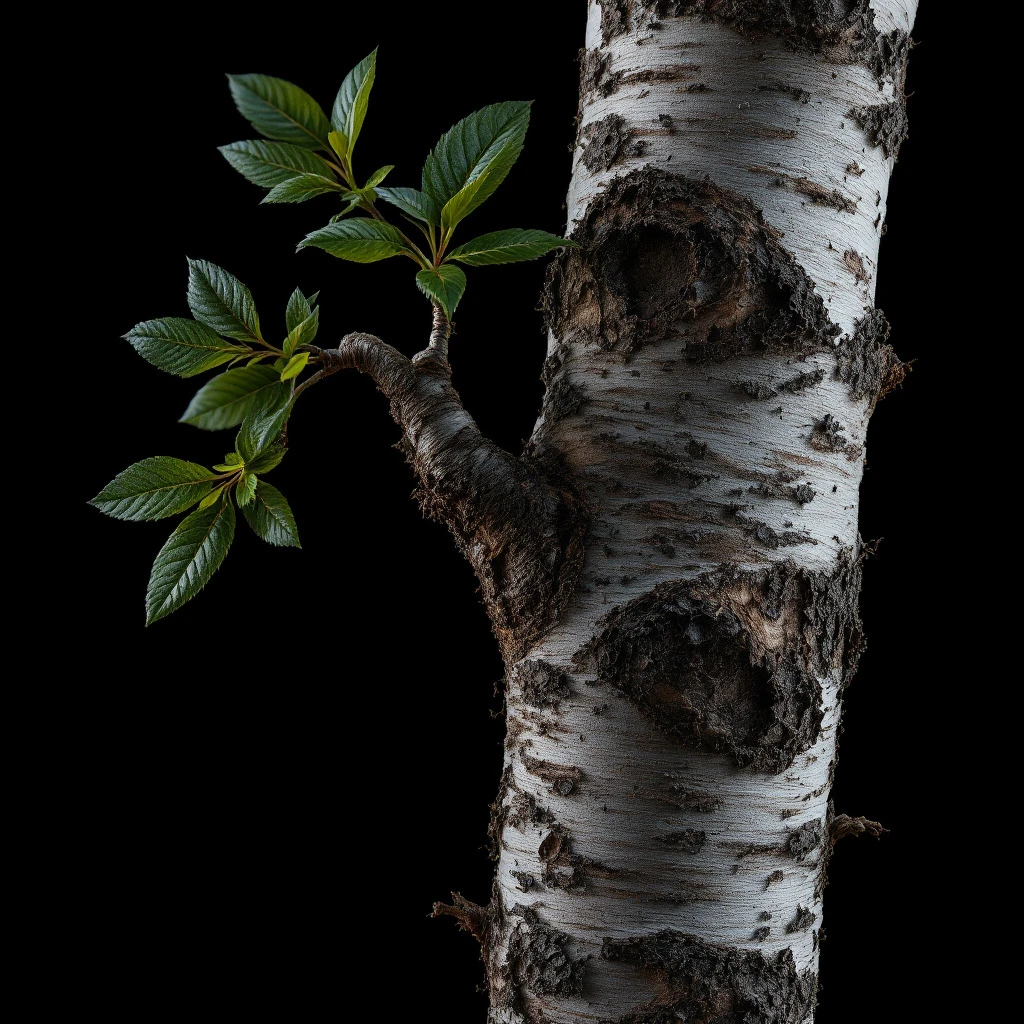
How it smells
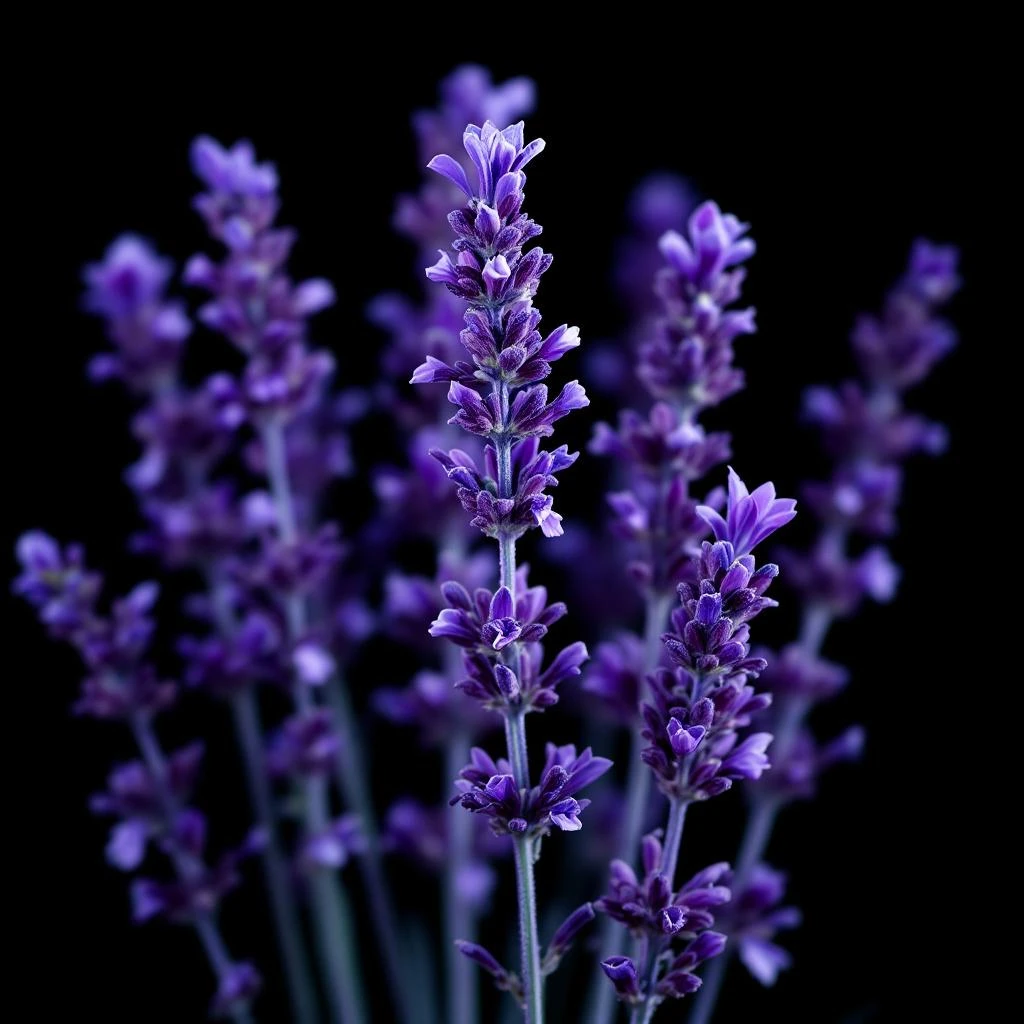
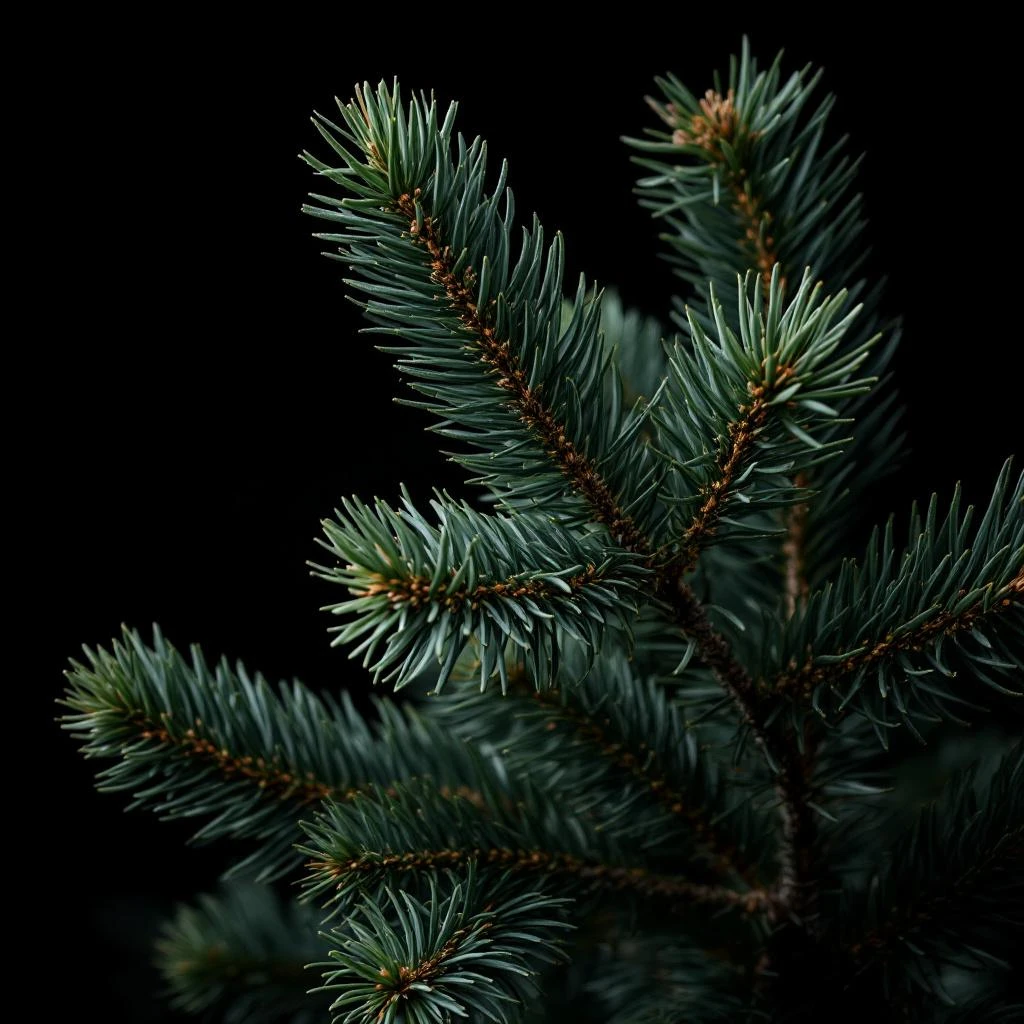
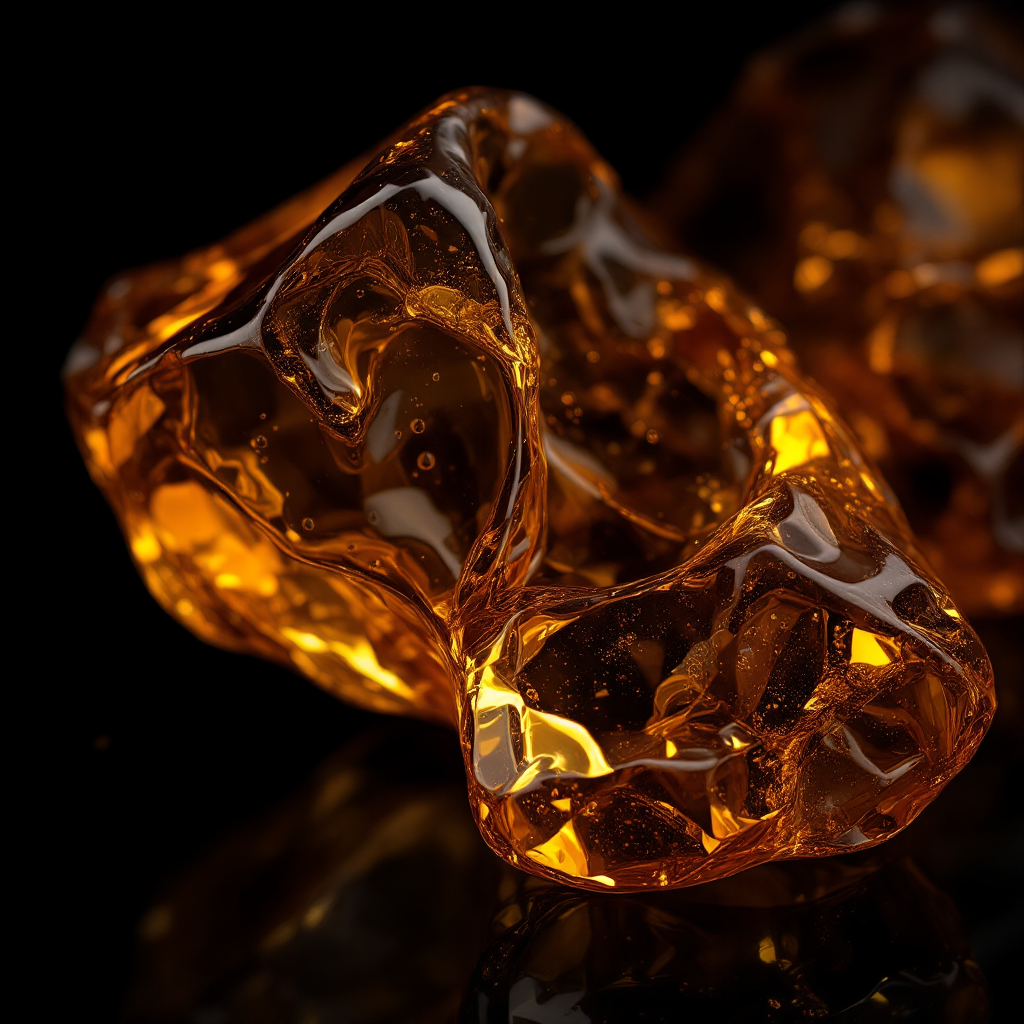
Bark, resin and the clean scent of northern woods.
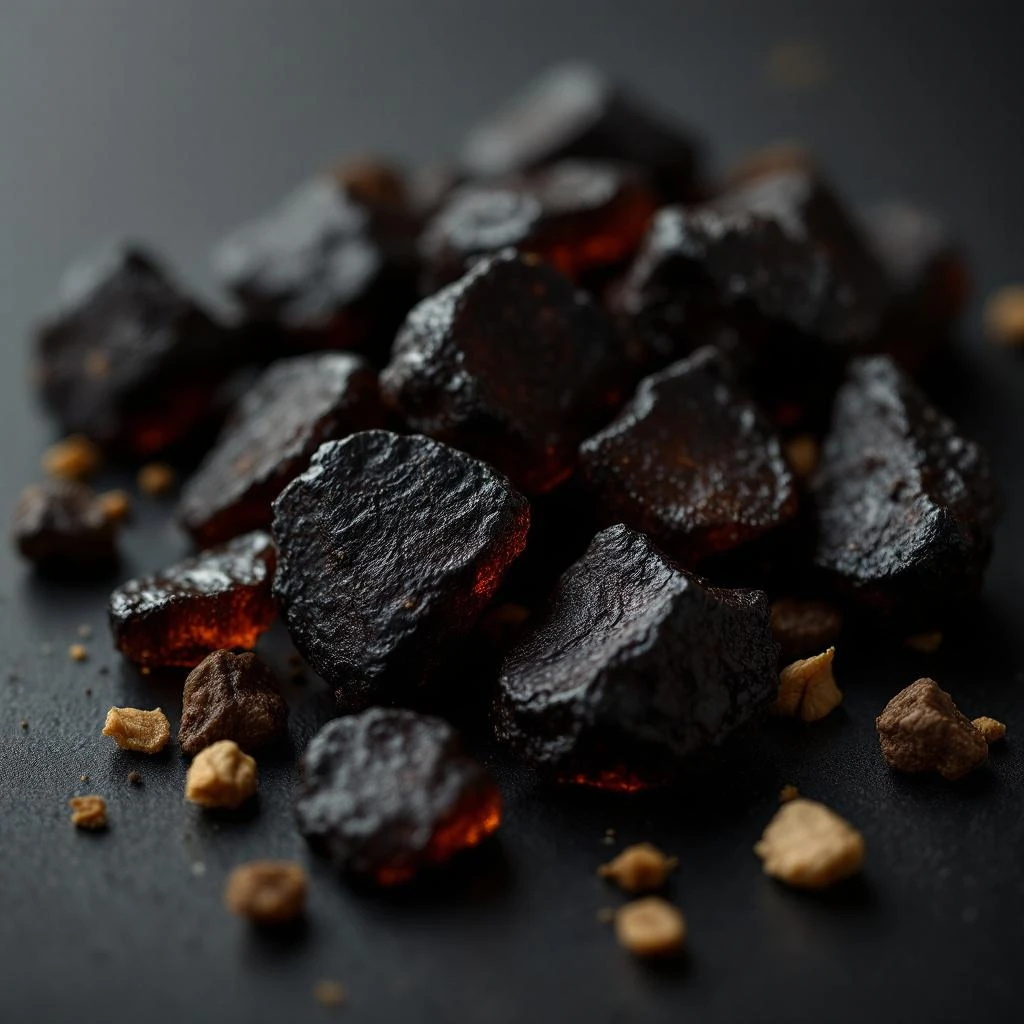
Birch compounds, including birch tar and methyl salicylate, help create both the characteristic bark note and a gentle winter-green effect.
Origin
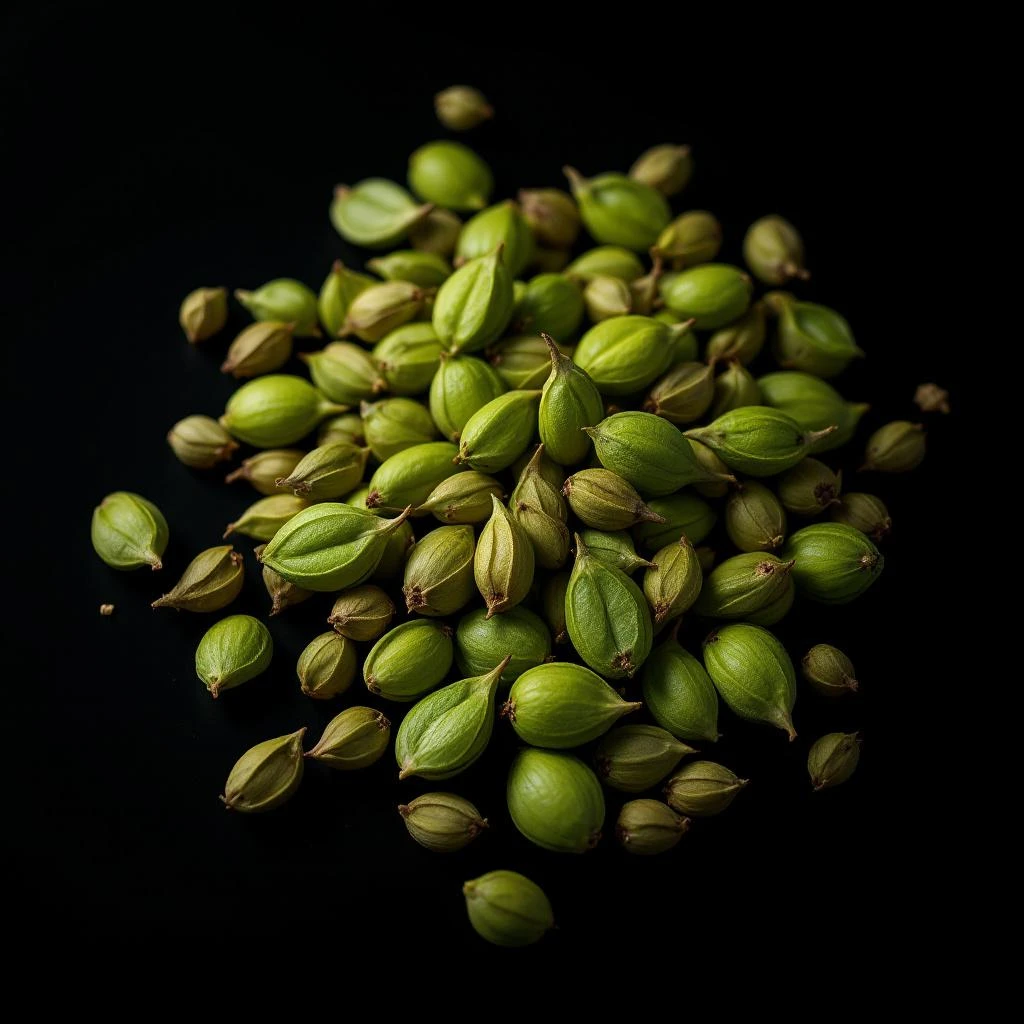
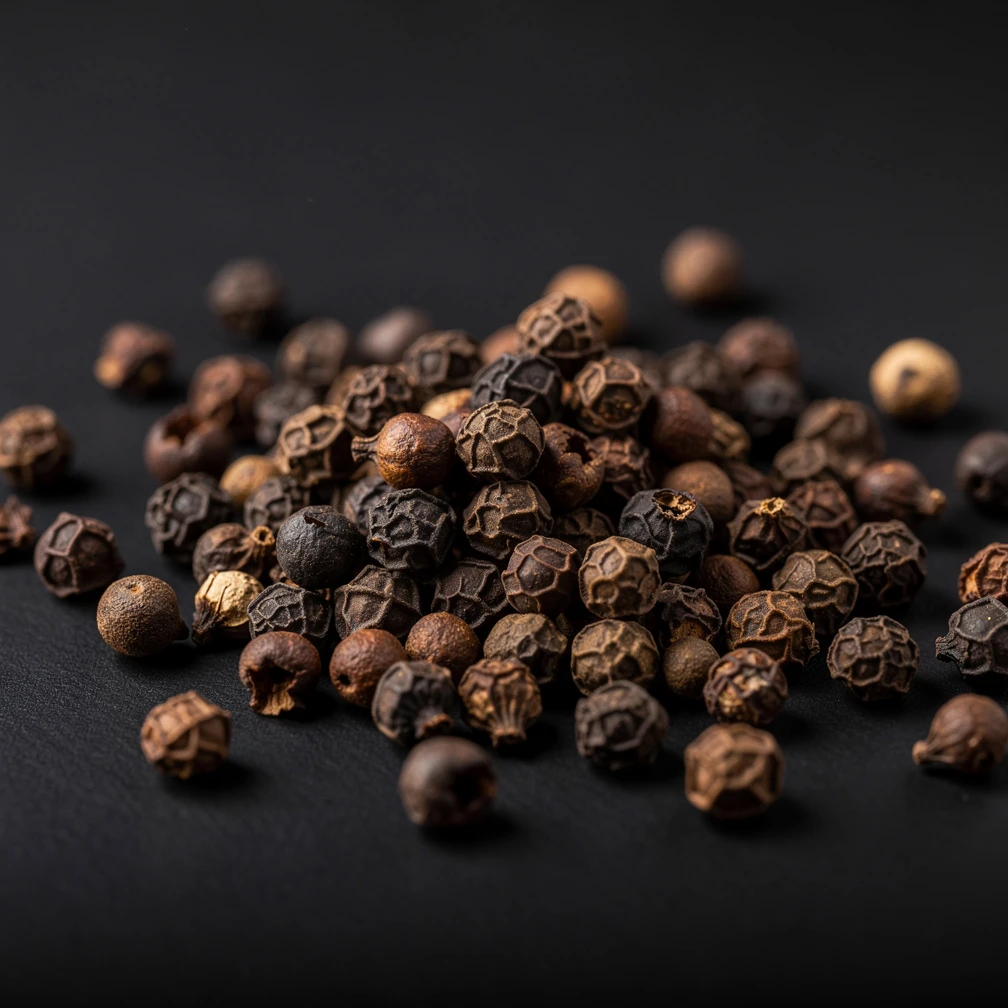
United States
Birch has a long history of use in aromatic preparations, particularly in northern Europe and North America, where birch trees occupy cold forests and their bark carries a distinctive sweet-woody scent. Birch bark has been used in folk preparations, smoking mixtures and topical products long before modern perfumery organized it into a named fragrance note. The development of extraction methods in the nineteenth century allowed perfumers to study and reproduce natural aromas more consistently.
Synthetic aroma chemistry later made it possible to construct parts of the birch profile with greater control, including clean winter-green, woody and smoky facets. Historically, birch is not associated with the lavish origin of many classic perfume materials. Its significance comes from its place in practical traditions and its ability to suggest a specific environment: cool bark, resinous woods and the lingering smoke of a winter fire.
In modern fragrance, that grounded character gives compositions an unusual combination of freshness and weight.
Wears it best
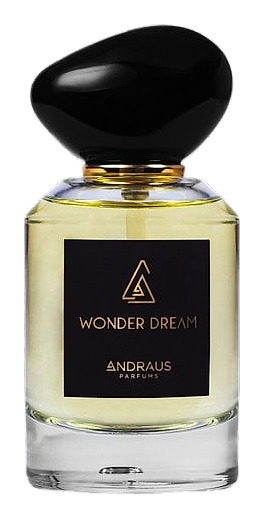
Fragrances featuring American Birch
Brands
Brands known for American Birch
Good to know
Questions, answered
The essentials on American Birch in perfumery: how it smells, where it comes from, and how it behaves on skin.
Why is birch used in modern perfume?
Birch adds a clear woody structure that can connect fresh citrus or aromatic notes to resinous, smoky base materials. It also gives compositions a recognizable forest character without relying on the sweetness commonly associated with many tree-derived notes.