Siberian Stone Pine
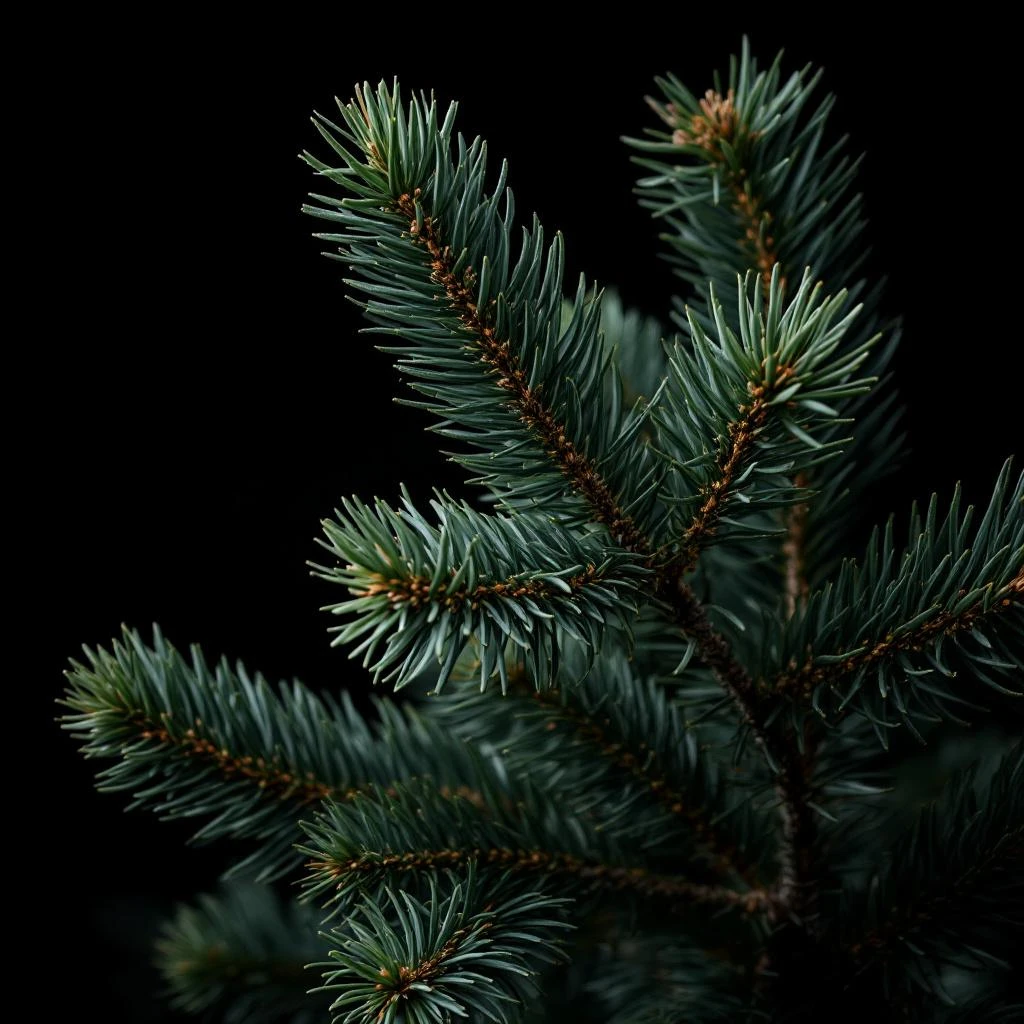
Siberian stone pine distills the ancient forests of northern Asia into liquid form. Its essential oil captures a landscape of towering conifers, condensing cool mountain air and resin-rich needles into an olfactory experience that connects modern perfumery to millennia of botanical tradition.
Character
How it smells
The ancient soul of Siberian forests, captured in every drop.
Siberian stone pines commonly live for 500 years, with documented specimens exceeding 1,000 years old in their native taiga habitat.








Origin
Russia
Pinus sibirica has grown across the Siberian taiga for thousands of years, long before regional communities recognized its olfactory value. Mesopotamian civilizations used pine resins in temple rituals around 2000 BCE, while the Greeks documented pine's antiseptic properties in medical texts. Trade routes carried pine products from Central Asian forests to Mediterranean markets, where Babylonian perfumers blended pine needles with cedar and frankincense.
European physicians relied on pine preparations through the Middle Ages for respiratory ailments. The development of steam distillation in the Islamic Golden Age refined extraction methods, making Siberian pine accessible to Western perfumery by the 18th century.
Wears it best
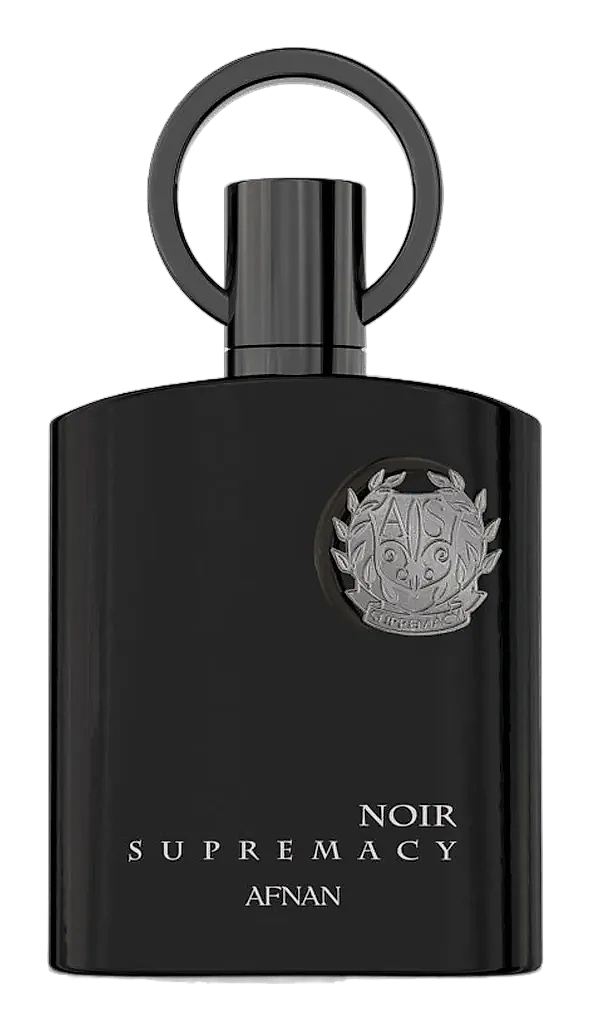
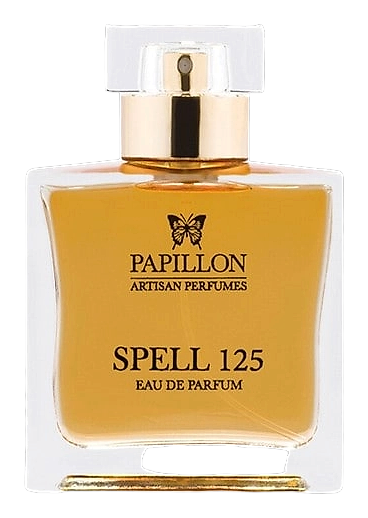
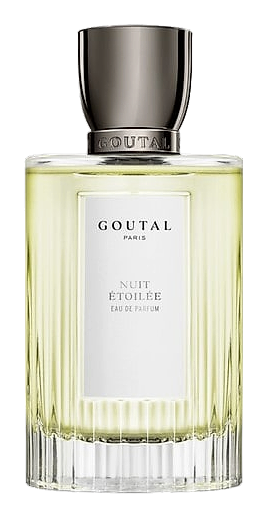
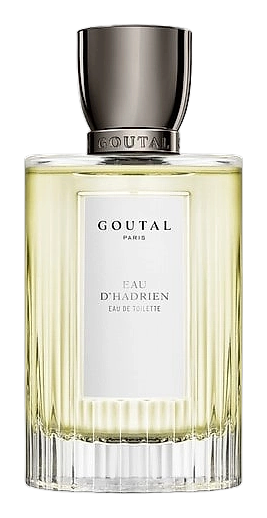
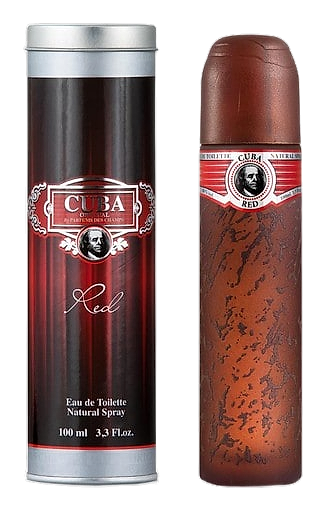
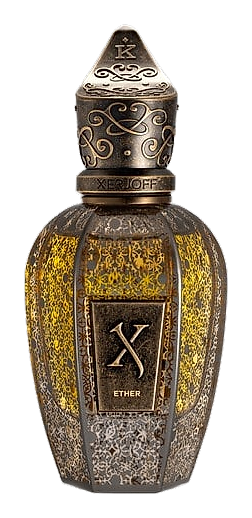
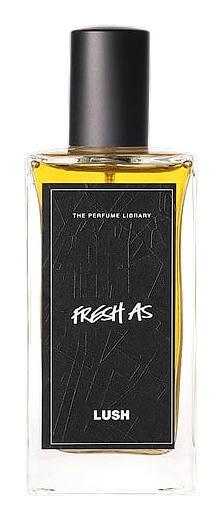
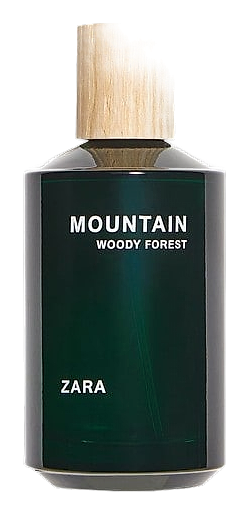
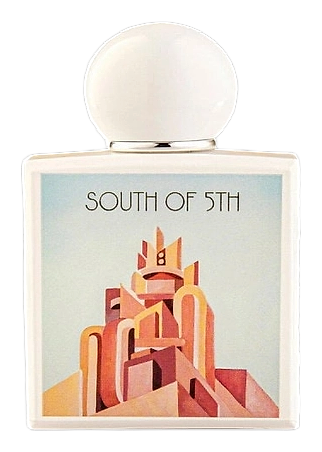
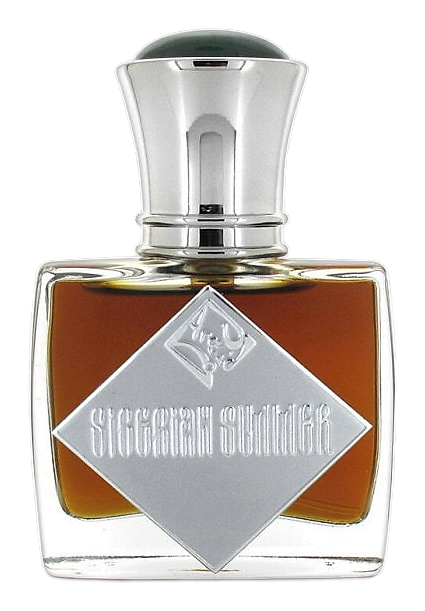
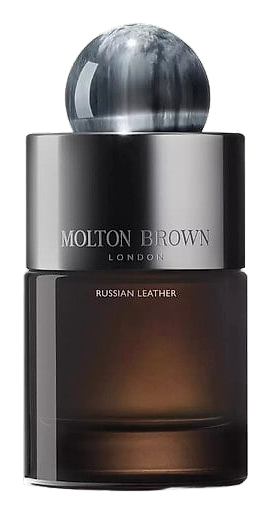
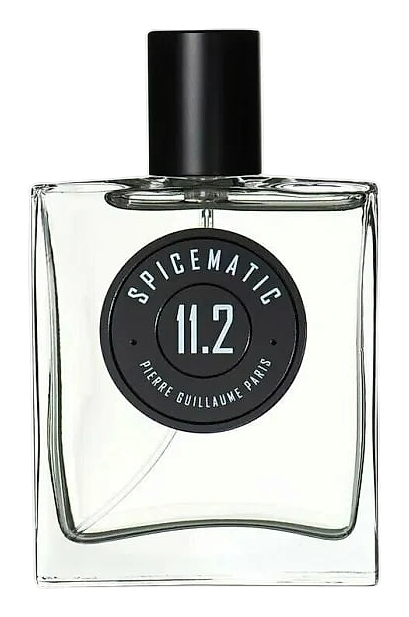
Fragrances featuring Siberian Stone Pine
Brands
Brands known for Siberian Stone Pine
Good to know
Questions, answered
The essentials on Siberian Stone Pine in perfumery: how it smells, where it comes from, and how it behaves on skin.
What does Siberian stone pine smell like?
Siberian stone pine oil delivers fresh conifer notes with distinct woody and earthy undertones. The scent evokes forest canopy and damp needle beds, finishing with a subtle smokiness characteristic of high-altitude specimens.
Is Siberian stone pine a natural or synthetic ingredient?
Siberian stone pine is a natural ingredient derived from Pinus sibirica needles through steam distillation. Some fragrance houses offer synthetic analogues for consistency, but natural pine oil remains widely available.
What fragrance families pair well with Siberian stone pine?
Siberian stone pine complements woody and herbal materials including cedarwood, cypress, juniper, and fir needle. Resinous notes like frankincense and labdanum deepen its conifer character, while citrus top notes brighten the blend.
How long has Siberian stone pine been used in perfumery?
Documented use of pine in perfumery extends to ancient Mesopotamia around 2000 BCE. Active trade networks then spread pine products to Egyptian, Greek, and Roman markets, establishing a continuous 4,000-year perfumery history.
Where does Siberian stone pine grow?
Pinus sibirica thrives across the Siberian taiga and Altai Mountains at elevations between 1,000 and 2,400 meters. Russia remains the primary source, with limited cultivation in Mongolia and Kazakhstan.
What perfumery note classification does Siberian stone pine hold?
Siberian stone pine functions as a heart and base note in fragrance composition. Initial impact is moderate, with the scent developing gradually as top notes dissipate, revealing deeper conifer and earthy facets.
Does Siberian stone pine have regulatory restrictions in perfumery?
The oil's high limonene content triggers IFRA guidelines recommending antioxidant preservation if not used immediately. No outright bans exist, but practitioners should follow standard handling protocols for conifer absolutes.
Can Siberian stone pine trigger allergic reactions?
Limonene and alpha-pinene in Siberian stone pine oil are known contact allergens under IFRA standards. Fragrance formulations must declare these compounds when exceeding established threshold concentrations.