Amburana Bark
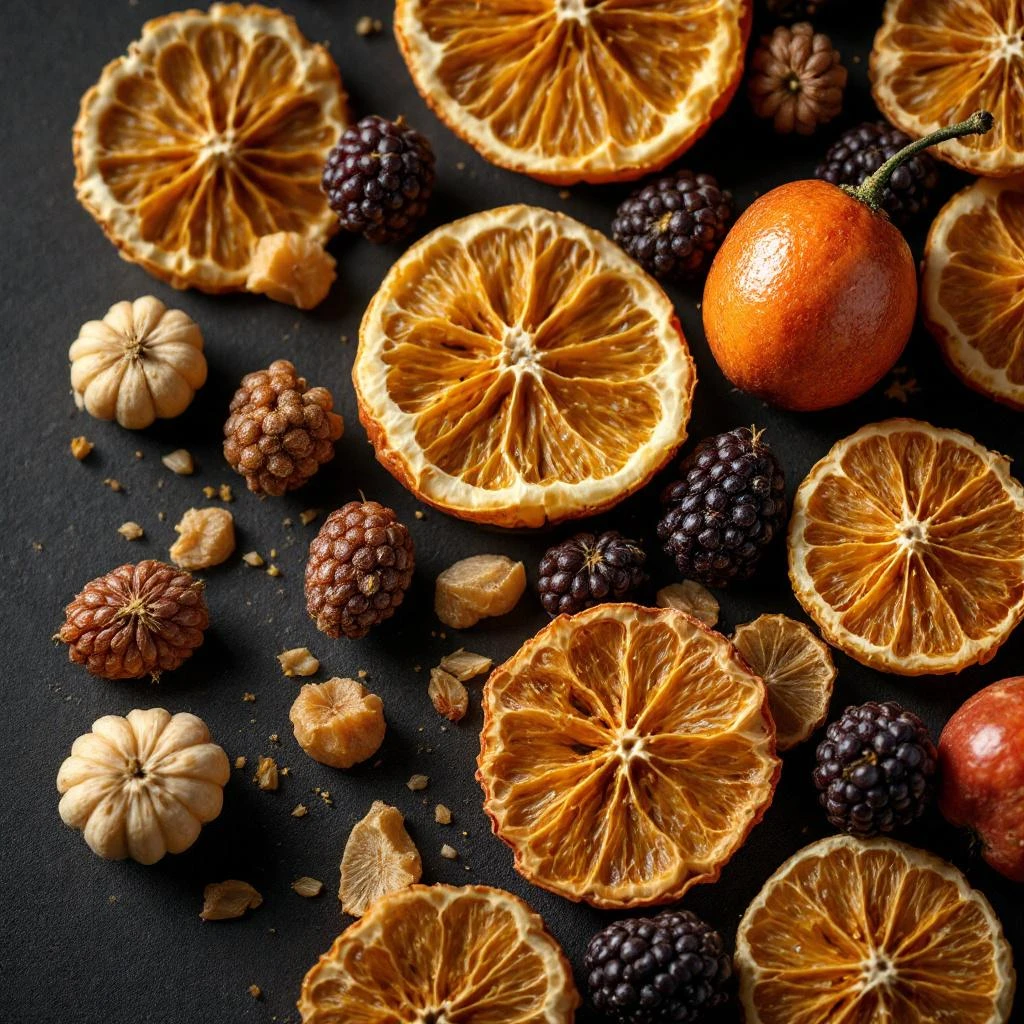
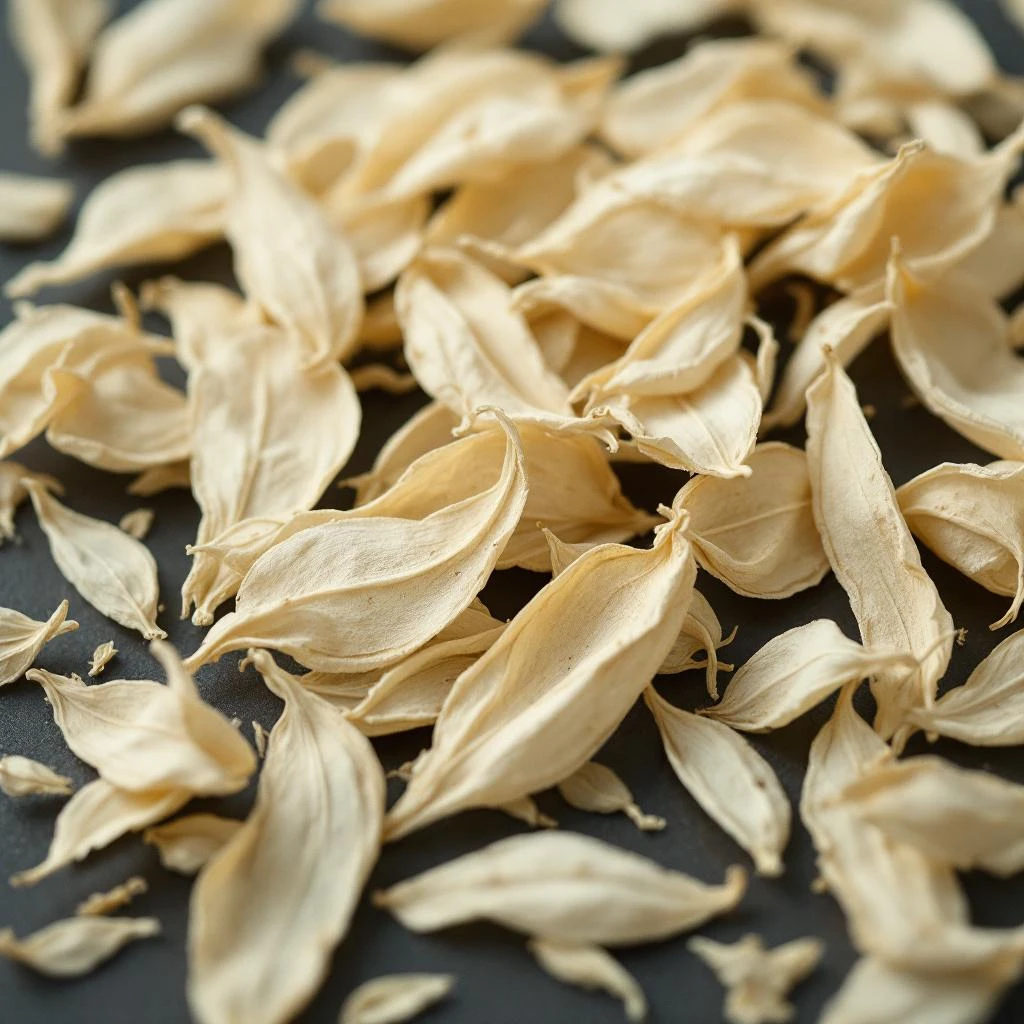
Amburana bark brings a warm, honeyed wood note with golden sweetness and a faint vanilla-like softness, lending depth to amber compositions.
Character
How it smells
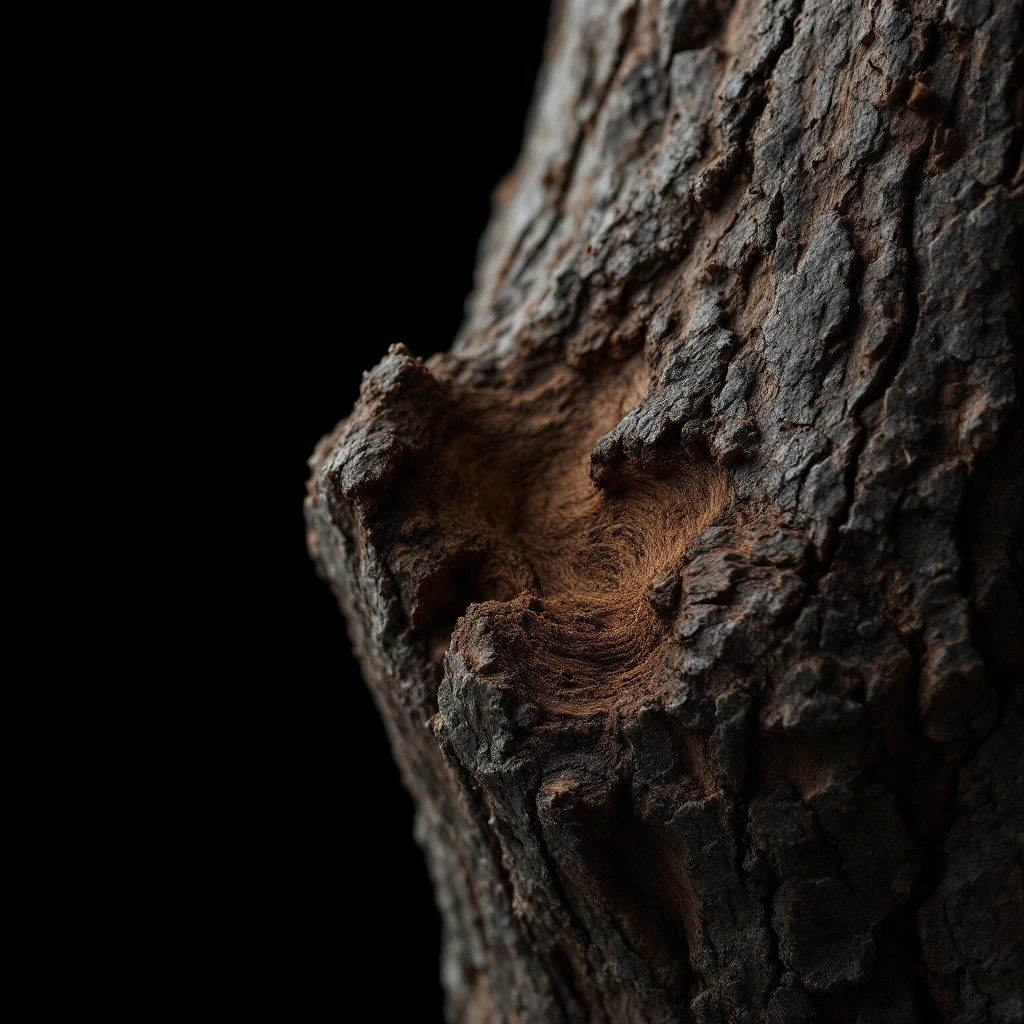
A South American wood with a naturally golden, honeyed scent.
Amburana is valued for the aroma of its saturated heartwood, which develops sweet, woody notes without the resinous character typical of many barks.
Origin
Brazil
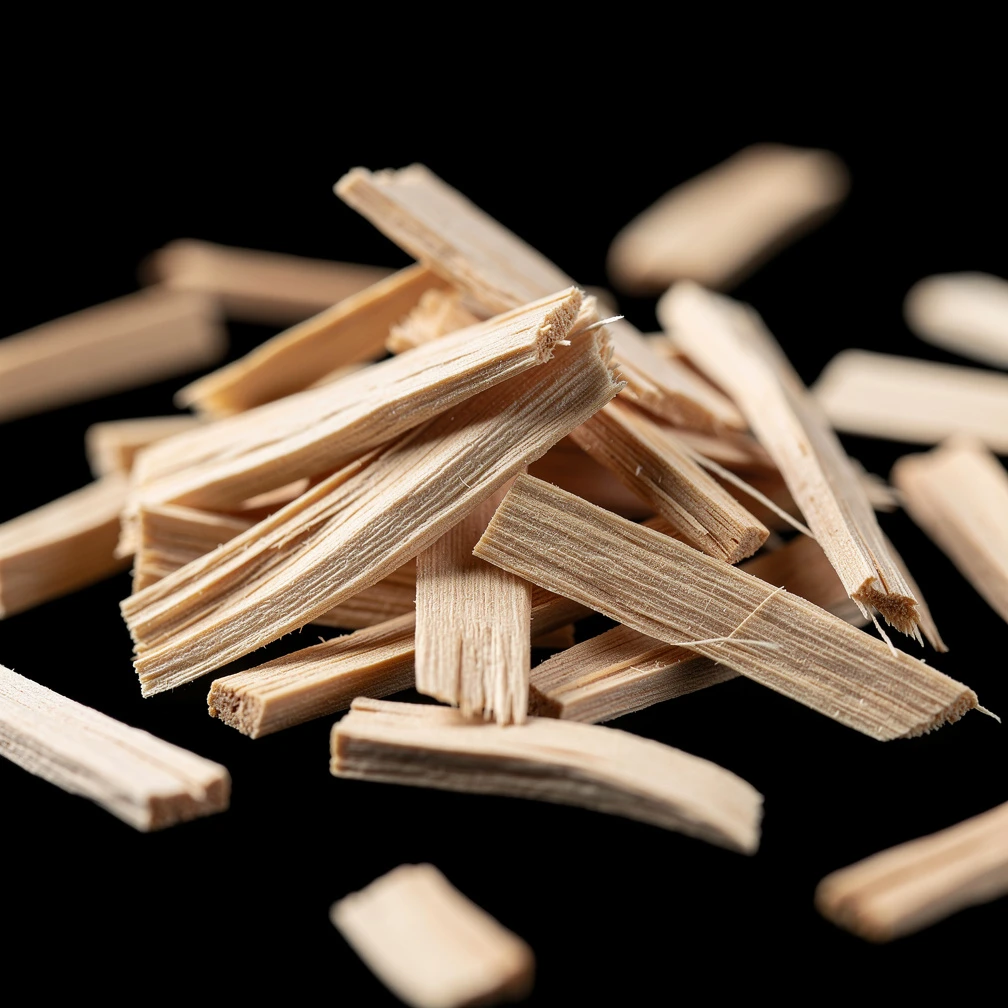
Amburana wood belongs to a long tradition of plant materials used to create fragrance, where scent has been gathered from flowers, gums, roots, resins, and woods for centuries. The species is native to South America and has been valued as a timber for its distinctive grain and richly colored heartwood.
Its naturally fragrant wood later became relevant to modern perfumery as an aromatic material rather than only a structural resource. In compositions, its honeyed wood character helps connect brighter citrus and spice notes with deeper amber, vanilla, and resinous materials.
Historical records do not establish a single ancient Amburana perfume tradition, so its place in fragrance history is best understood through its botanical origin and modern use as a distilled wood ingredient. Today, it remains a specialty material appreciated for the balance of dry wood, sweetness, and soft warmth it brings to a formula.
Wears it best
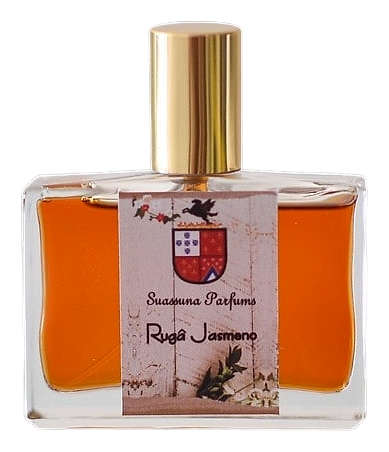
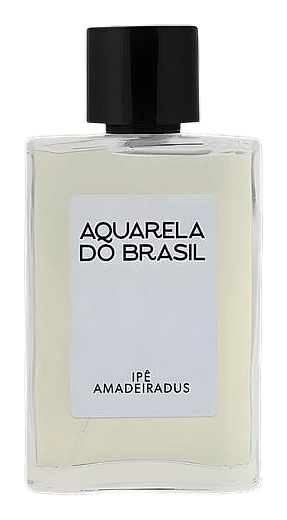
Fragrances featuring Amburana Bark
Brands
Brands known for Amburana Bark
Good to know
Questions, answered
The essentials on Amburana Bark in perfumery: how it smells, where it comes from, and how it behaves on skin.
What does Amburana bark smell like?
Amburana bark is commonly described as warm, woody, and honey-sweet, with soft vanilla-like facets. Its character comes primarily from the fragrant heartwood rather than from a resinous bark exudate.
Is Amburana the same as amber?
No. Amber is an aged resinous aromatic material, while Amburana is a botanical wood from Amburana cearensis. In perfumery, its honeyed wood profile can visually and compositionally resemble amber without being amber itself.
Where does Amburana wood come from?
Amburana cearensis is native to South America, with Brazil serving as its primary listed origin in this ingredient profile. It is a timber tree whose heartwood develops a distinctive aromatic character as it matures.
How is Amburana wood extracted for perfume?
Perfumers generally use steam distillation on seasoned Amburana heartwood chips or shavings. The method releases volatile compounds into steam, which is condensed to produce a fragrant woody extract.
Can Amburana bark be used like cork?
Not sustainably for repeated harvesting. Amburana is a timber tree, so obtaining its heartwood generally requires cutting the tree, unlike cork, which can be harvested repeatedly from the living bark. Responsible sourcing is therefore important.
What fragrance notes pair with Amburana?
Vanilla, amber, balsams, soft woods, and subtle resins pair especially well with Amburana. Citrus and spice can add brightness, while its honeyed heartwood gives those notes a warmer, rounder base.
Is Amburana a natural or synthetic ingredient?
Amburana wood extract is a natural fragrance ingredient obtained from a plant. Synthetic alternatives may reproduce similar woody facets, but they are not the same botanical material.
Why is Amburana wood important in perfumery?
It contributes both wood structure and sweetness in one plant material. This combination can give amber and vanilla compositions a smooth, rounded character while adding a distinctive South American woody identity.