Alder
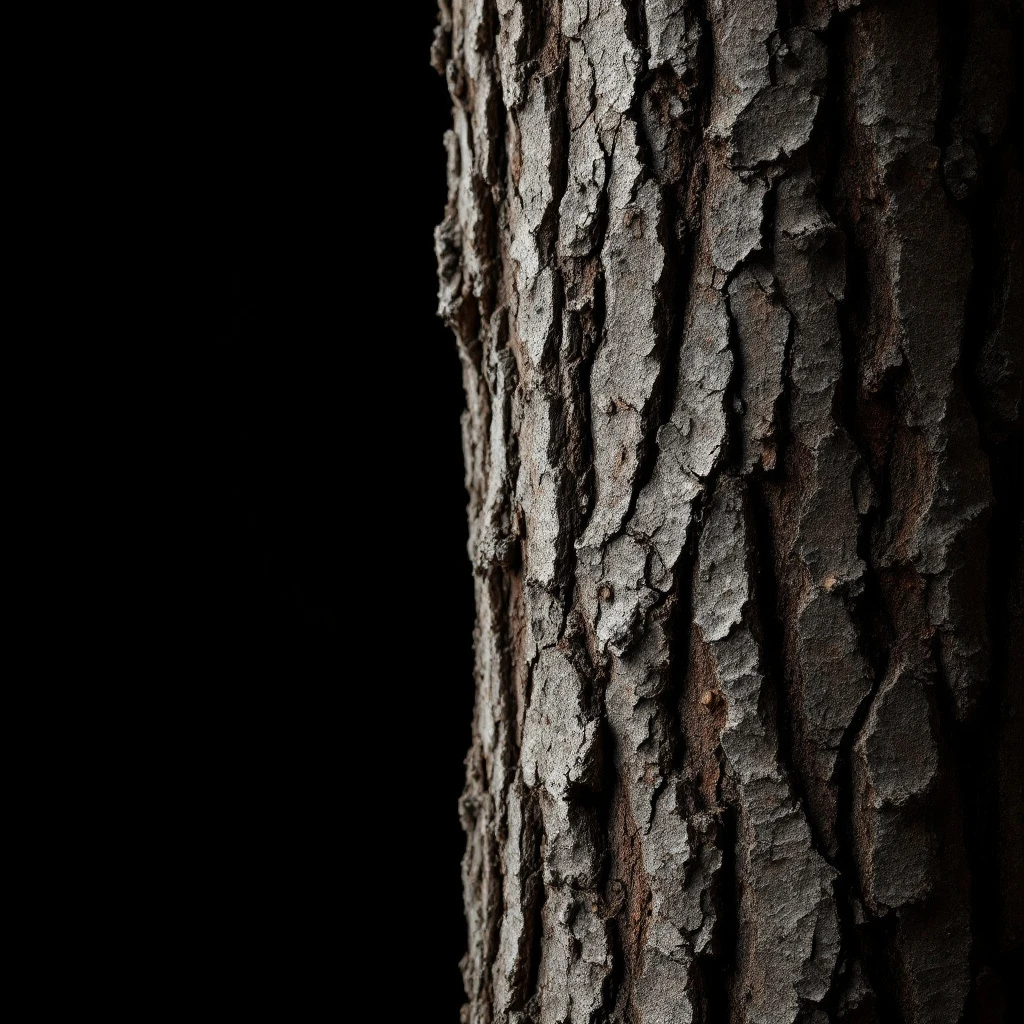
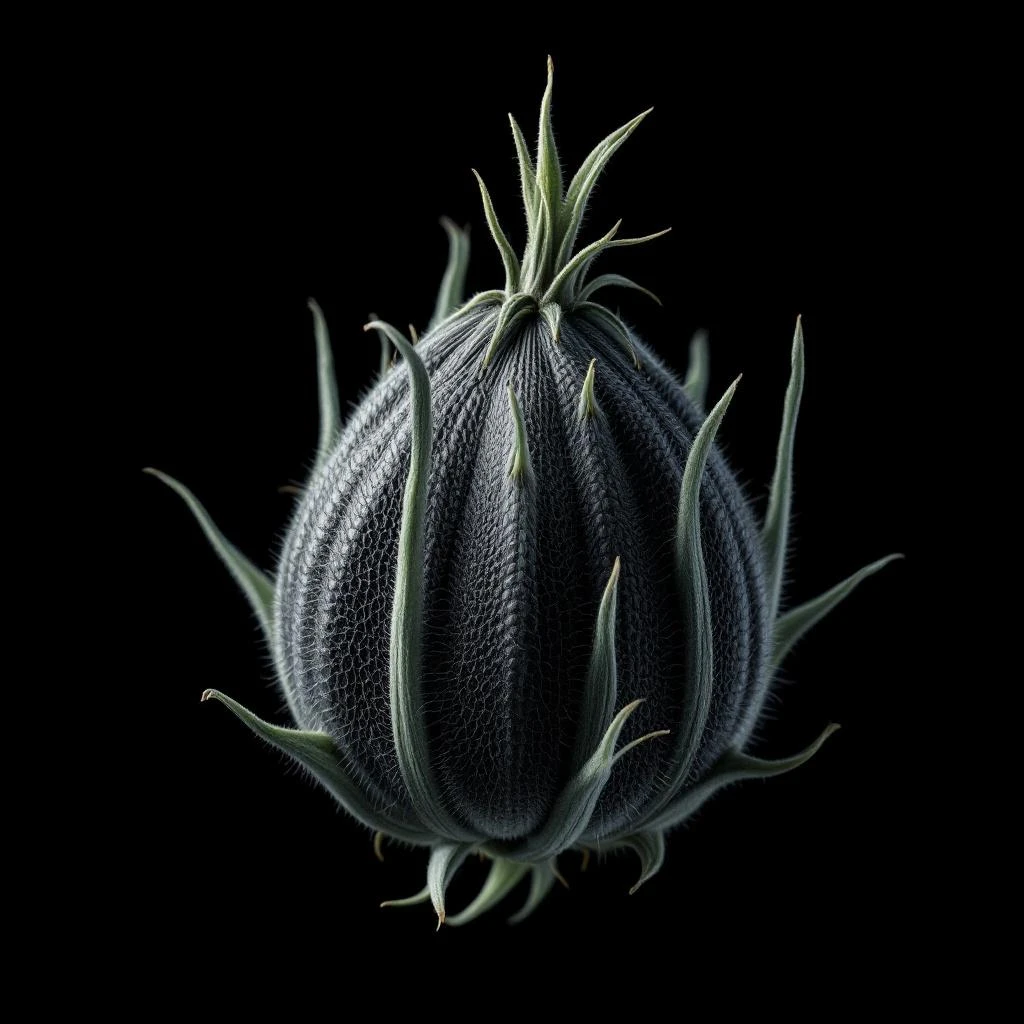
Alder bark whispers through forest undergrowth with cool, watery, slightly bitter accents. Rare in modern perfumery, this material brings an introspective woodland character to compositions seeking green and metallic nuances.
Character
How it smells
Bark from the riverbank, bottled.
Red alder trees can fix nitrogen in soil through root nodules, enriching forests while quietly harboring aromatic compounds in their bark.



Origin
United States
Alder rarely takes center stage in perfumery chronicles, yet its wood has shaped human industry since the Bronze Age. Ancient Venetians drove thousands of alder pilings into lagoon mudbeds to support their republic's foundations, a construction tradition that persisted for centuries. The bark found early applications in leather tanning across Northern Europe, where its high tannin content earned it value beyond mere fuel.
Medicinal records from medieval England reference alder bark decoctions for treating inflammation and fevers, suggesting herbalists recognized its bioactive properties well before chemists isolated any aromatic components. Alnus rubra, or red alder, served Pacific Indigenous peoples as a dye source yielding red-orange pigments. Its transition into fragrance came late and remained modest.
Twentieth-century perfumers occasionally referenced its cool green facets when seeking alternatives to oakmoss or vetiver, but commercial extraction infrastructure never fully developed. Today, alder survives in the perfumer's palette as a quiet specialist note.
Wears it best
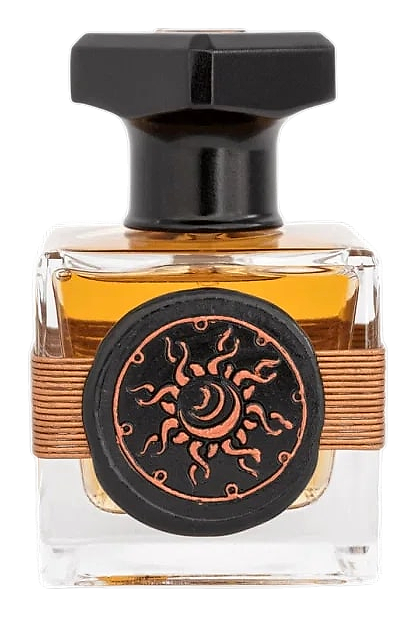
Fragrances featuring Alder
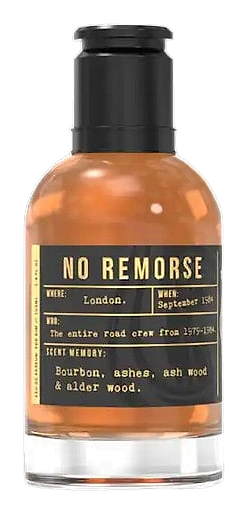
Brands
Brands known for Alder
Good to know
Questions, answered
The essentials on Alder in perfumery: how it smells, where it comes from, and how it behaves on skin.
What does alder smell like in perfume?
Alder presents a cool, green, slightly bitter aroma with watery and metallic facets. It evokes damp bark and forest undergrowth rather than sweetness. The scent leans introspective, functioning as a subtle modifier in compositions.
Is alder commonly used in modern fragrances?
Alder remains uncommon in mainstream perfumery due to limited harvest volumes and challenging extraction economics. Most appearances occur in artisan or niche compositions where its green-woody signature justifies supply complications.
Where does alder for perfume come from?
Alder bark for fragrance primarily originates in the Pacific Northwest, particularly Oregon and Washington. Small European sources also exist. Red alder dominates commercial supply due to its bark composition and regional abundance.
How is alder bark harvested for fragrance?
Harvesters strip bark from dormant trees during winter months when sap flow is minimal. This timing protects tree health and preserves volatile compounds. Sustainable operations typically harvest from managed forests or fallen timber.
Can alder be confused with other woody notes?
Alder differs from sandalwood and cedar through its cooler, greener character and absence of creamy lactonic facets. Its watery profile sits closer to birch tar or metallic oud interpretations rather than classical warm woods.
Does alder have any symbolic meaning?
In Celtic and Northern European folklore, alder trees symbolized resilience and protection, often growing at river edges. Ancient Britons left alder branches at gravesites for spiritual transition, reflecting the tree's liminal woodland associations.
Is alder safe for skin in perfumery?
Properly distilled alder bark extract shows low sensitization potential at typical fragrance concentrations. However, patch testing remains advisable for individuals with tree-bark sensitivities, particularly those reactive to birch or similar species.
What perfume families suit alder best?
Alder performs naturally within green, aquatic, and chypre families where its cool watery facets complement mossy bases. It also enriches forest-inspired compositions and pairs effectively with vetiver, oakmoss, and mineral accords.



