The Story
Why it exists.
The beginning
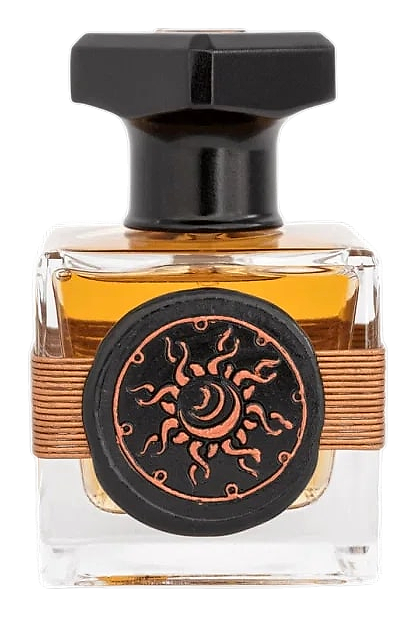
Biały Płomień means white flame in Polish, and it's the title Alan Balewski gave to a fragrance that takes fire as both subject and structure. Released as part of Bale Perfumes' catalog, the composition treats the blaze not as the headline but as the aftermath. Not the fire itself, but what persists after the last resin has burned away. The cooling metal. The dying heat. The quiet that settles once the wood has surrendered everything it had to give. Balewski built the scent from materials that carry that specific gravity: frankincense tracing the slow curl of smoldering incense, alder and leather closing the door behind you once the room has emptied of light.
The metallic opening isn't decorative. It's the smell of a struck match, of cooling iron after the forge goes quiet. That mineral cold serves as counterweight to what follows, because without it the frankincense and leather would simply smell like any number of churchy-smoke compositions. The alder in the base is the unusual move, carrying a greener, sweeter char than the woods most smoke-forward fragrances reach for. Think riverbank campfire rather than fireplace.
The evolution
First 30 minutes: the metallic and ember accord does something almost jarring, like pressing your hand against a radiator that's just been turned off. Cold heat. The sillage sits close here, the frankincense hasn't fully woken up yet, and the composition reads as austere and mineral, almost industrial. From 30 minutes to 2 hours: the smoke thickens and rounds out. Frankincense takes over the middle register, its resinous sweetness cutting the metallic edge without erasing it. Rose appears not as a floral note but as a darkening agent, a bruised sweetness that pulls the smoke toward something almost edible. The air around you starts to carry it. From 2 hours onward: leather and alder settle into the base, and the composition shifts from campfire to the leather jacket hung nearby. Warm, dry, faintly waxy. The metallic note never fully leaves.
Cultural impact
Only 30 pieces were made of The White Flame, which places it firmly in the territory of micro-batch independent perfumery where numbered bottles and small allocations define the offering. Wearers describe it as 'a full ashtray on a leather sofa' and 'campfire wood crackling with sweet smoke,' imagery that captures the unusual balance between domestic comfort and elemental rawness. The metallic opening divides opinion: some find it electrifying, others too cerebral.