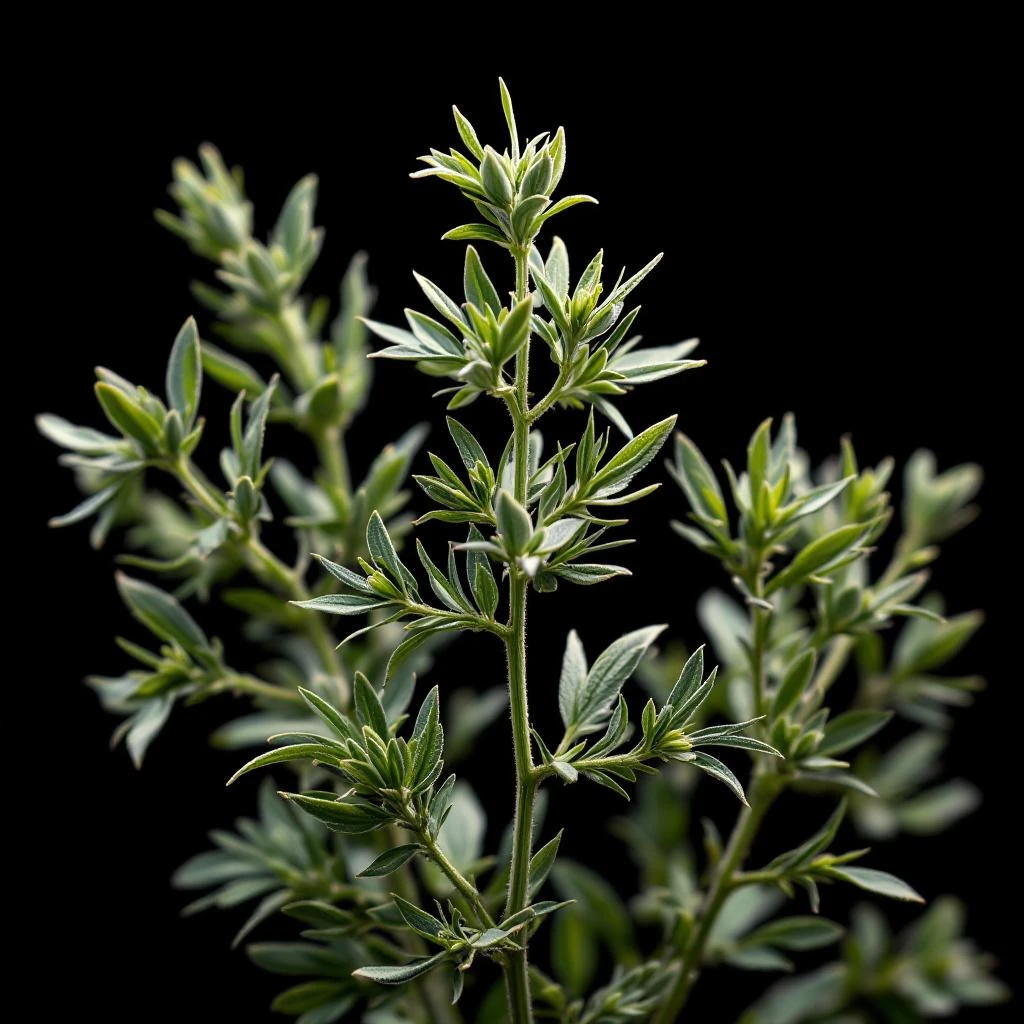
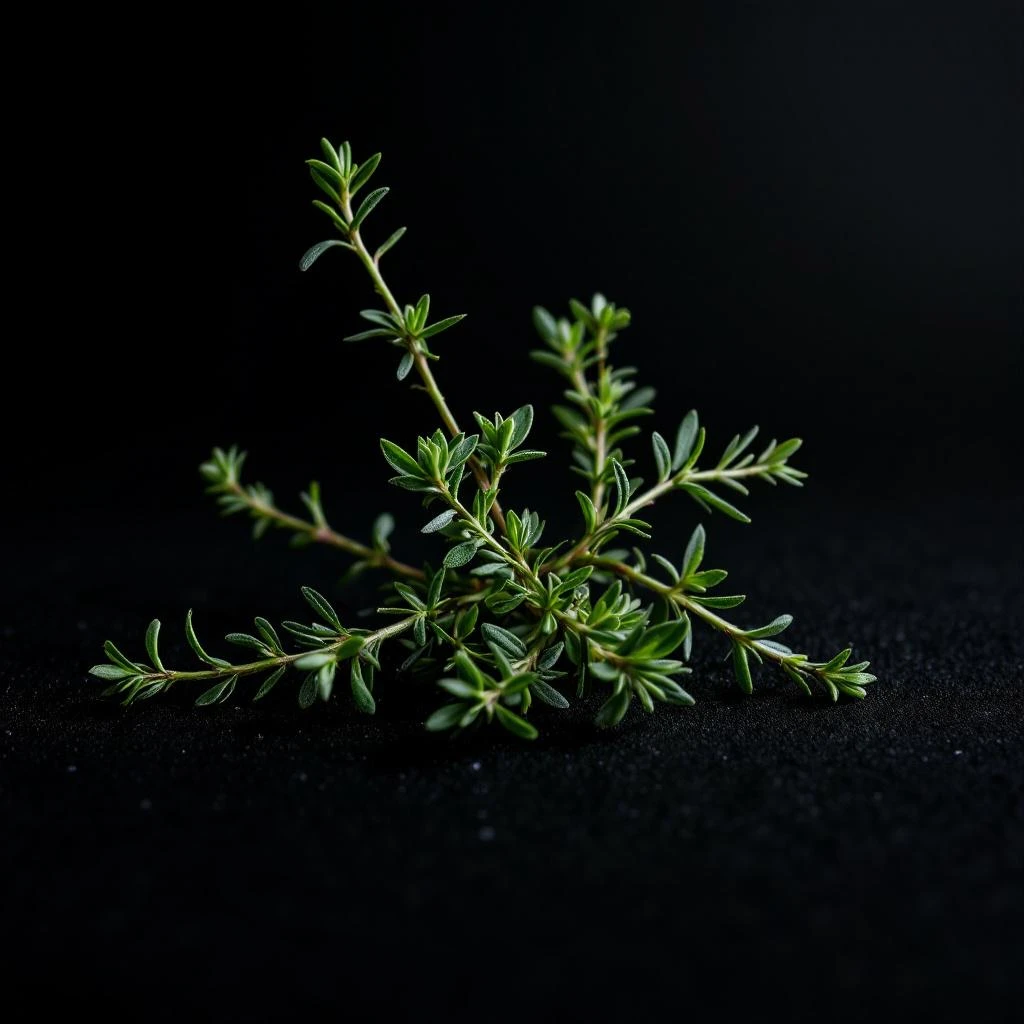
Achillea Olympus
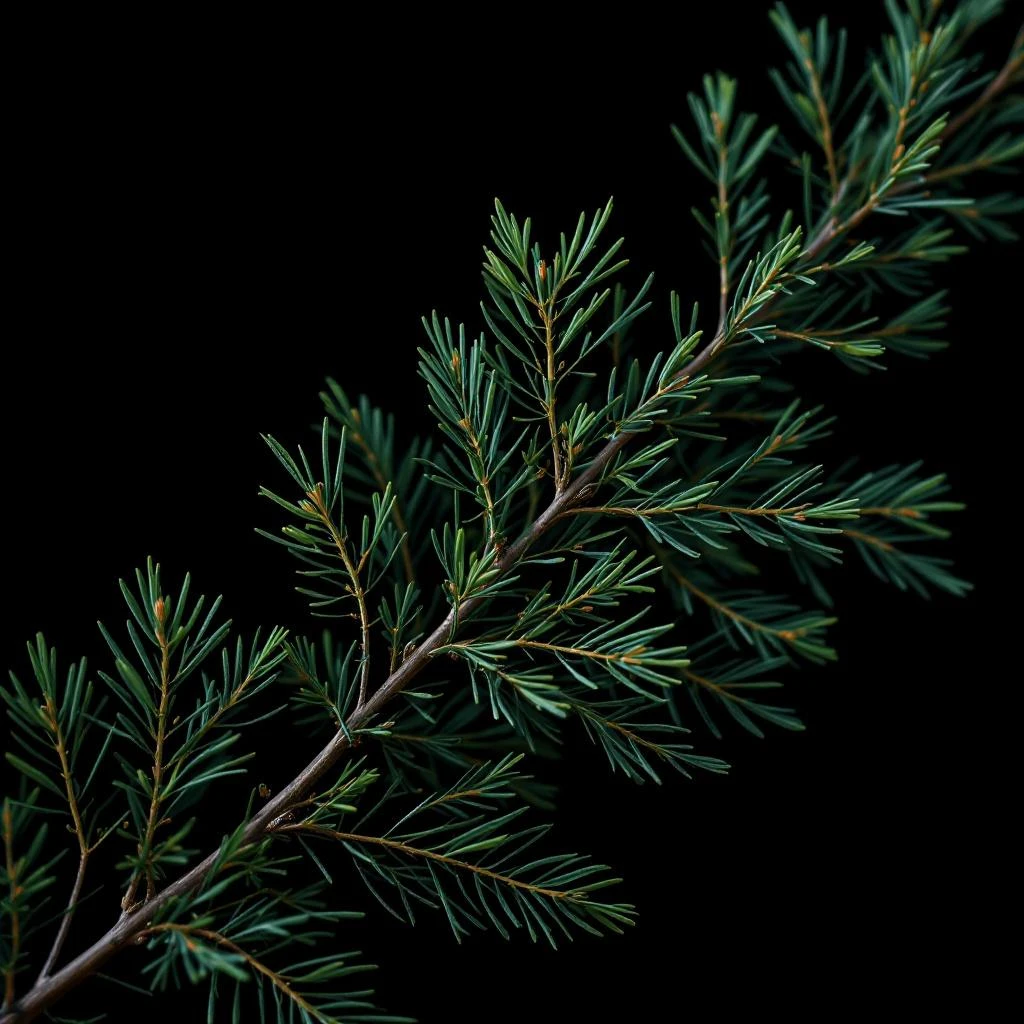
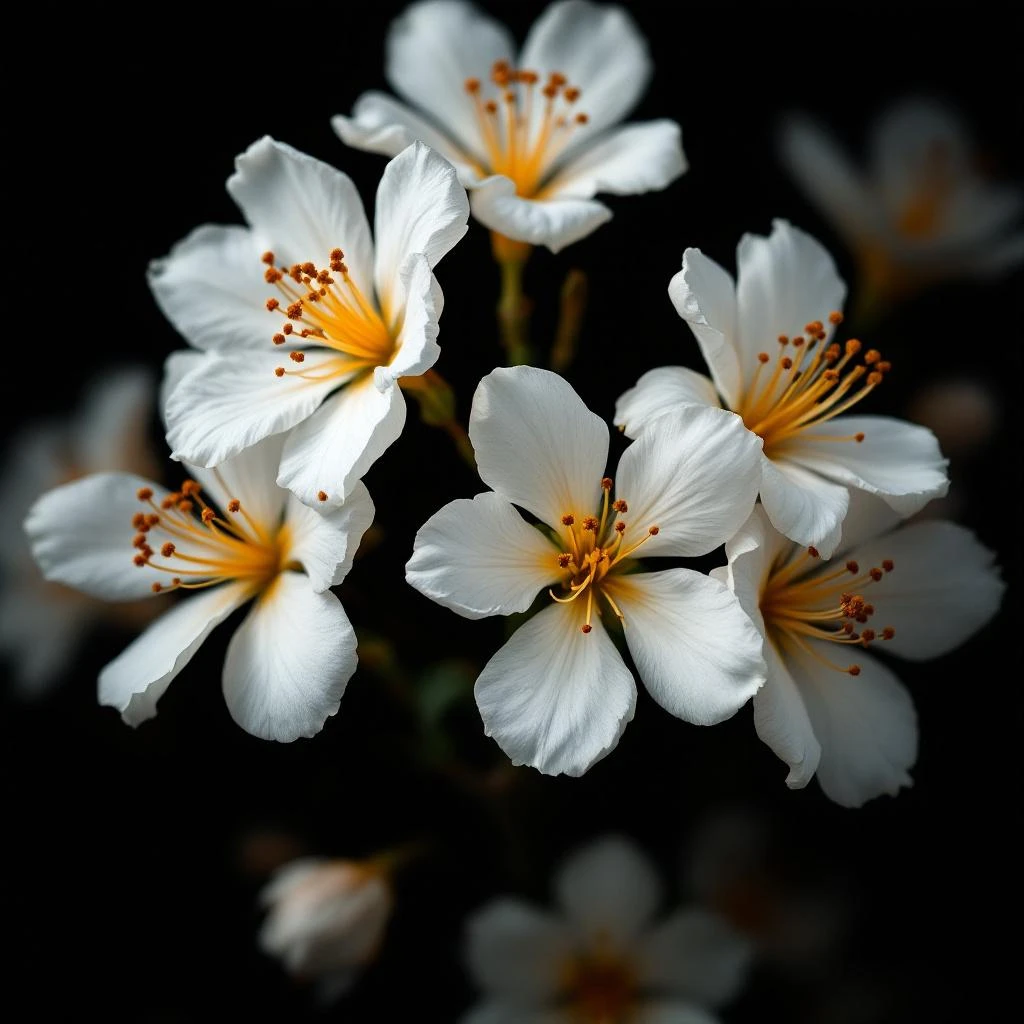
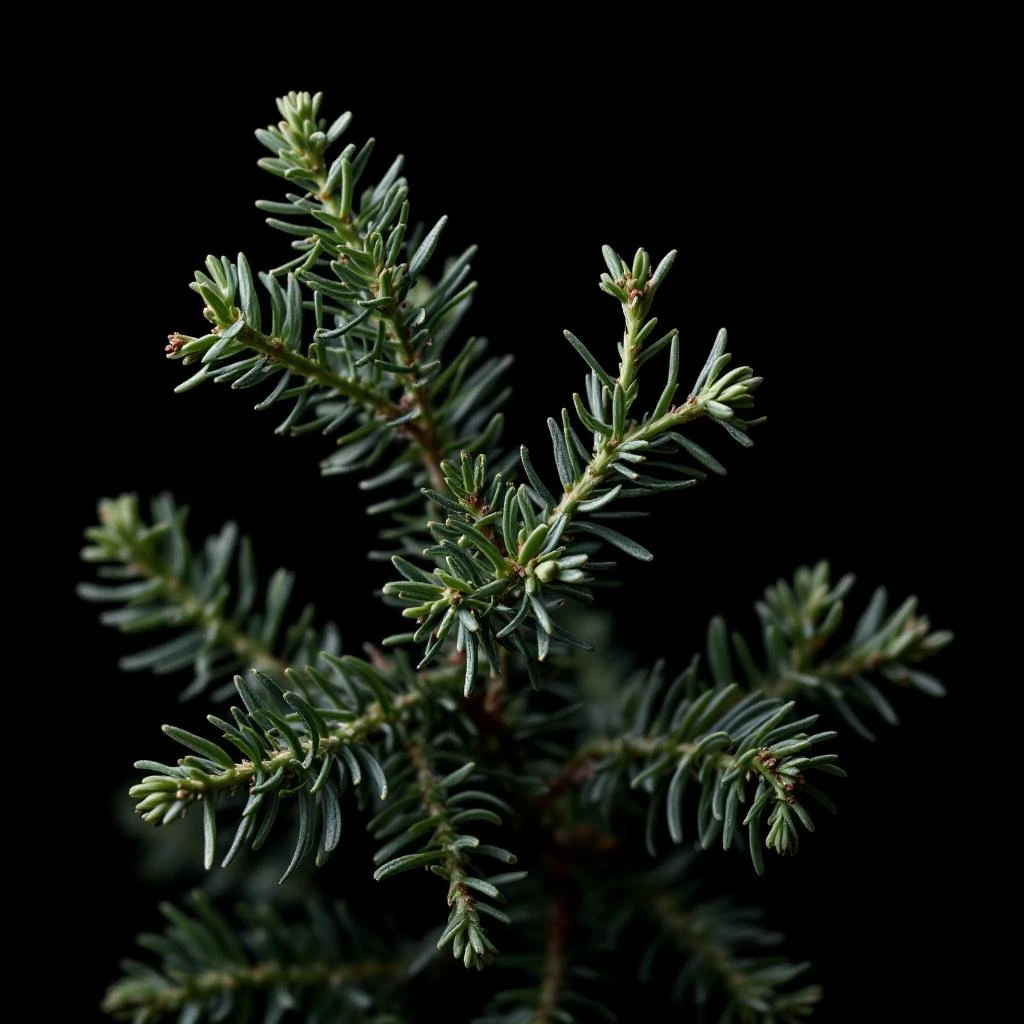
Achillea Olympus captures the high-altitude character of Mount Olympus, a white yarrow grown at elevations above 1,500 meters in the Pindus range. Its aroma reads cool, herbal, and slightly bitter, with a clarity that marks terroir-driven botanicals.
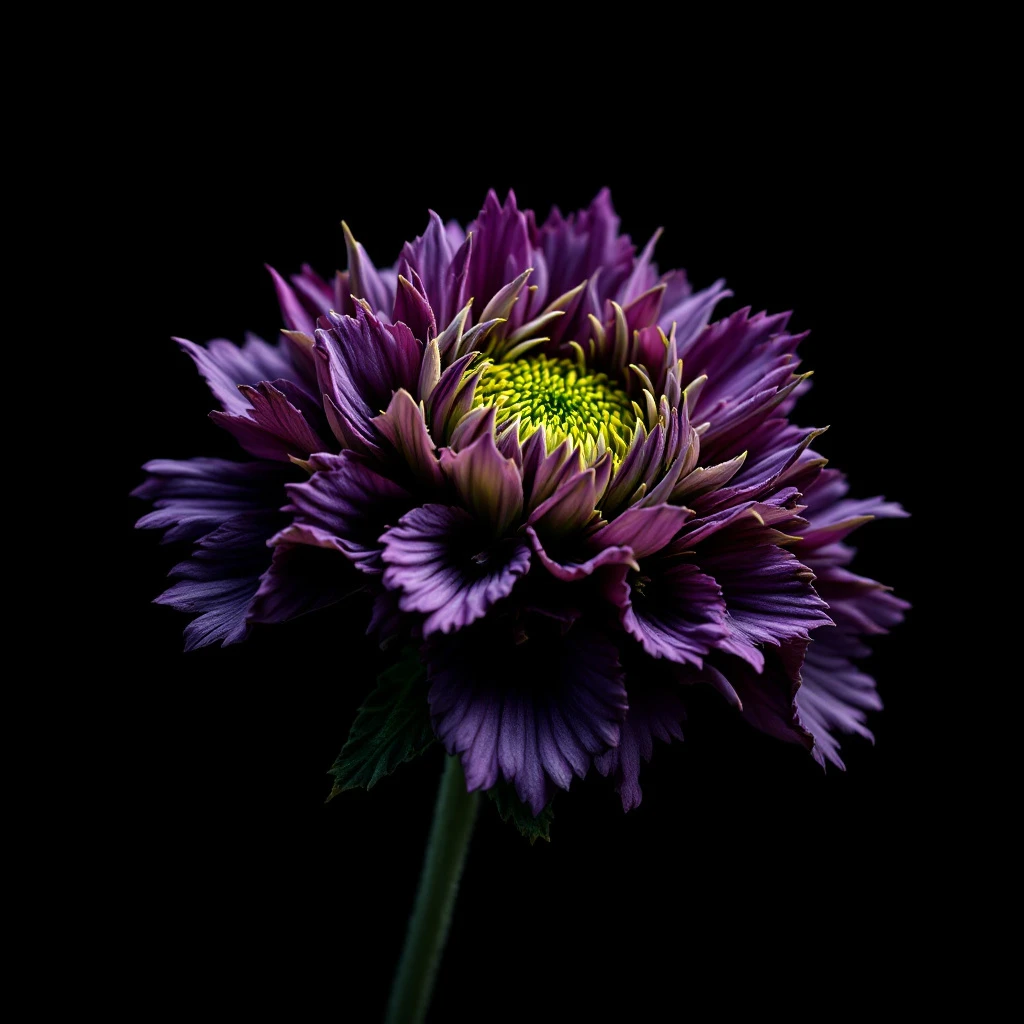
Character
How it smells
Alpine yarrow, bottled at the roof of Greece.
Yarrow's name traces to the hero Achilles, who reportedly used the plant to staunch the bleeding wounds of his soldiers during the Trojan War.
Origin
Greece
The genus name Achillea honors Achilles, the Greek hero of the Iliad, according to legend, he used yarrow to heal his soldiers' wounds on the plains of Troy. Pliny the Elder documented the plant's medicinal virtues in Naturalis Historia around 77 AD. Greek mountain communities have gathered wild yarrow from Olympus's lower meadows for centuries, primarily as a folk remedy for fevers, wounds, and digestive complaints.
The plant's transition into perfumery began later. European perfumers rediscovered yarrow in the late 19th century, drawn to its chamazulene-rich blue oil and unusual cooling effect within herbal accords. Greek extraction efforts focused on Olympus populations specifically because high-altitude stress on the plants produces a higher chamazulene concentration than lowland counterparts. The first commercial distillations of Olympus yarrow emerged from small Thessalian producers in the early 2000s, supplying niche perfumers who wanted an authentic Greek mountain note. Today it remains a regional specialty, tied to a specific terroir and a plant with a 3,000-year recorded history of human use.
Wears it best
Fragrances featuring Achillea Olympus
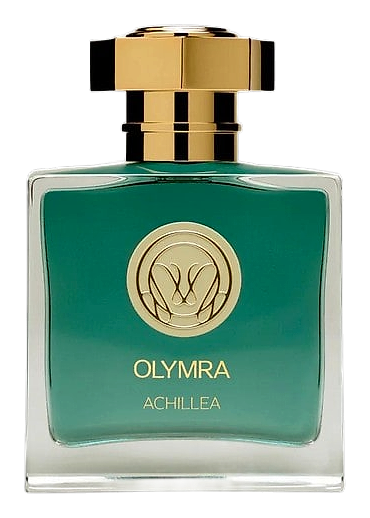
Brands
Brands known for Achillea Olympus
Good to know
Questions, answered
The essentials on Achillea Olympus in perfumery: how it smells, where it comes from, and how it behaves on skin.
What does Achillea Olympus smell like?
It carries a cool, herbaceous aroma with chamomile-like sweetness, faint camphor, and a dry, slightly bitter finish. The high-altitude origin produces an unusually clean profile compared to lowland yarrow oils.
Where is Achillea Olympus grown?
It is wild-harvested on the slopes of Mount Olympus and the surrounding Pindus range in Thessaly, Greece, typically above 1,500 meters of elevation.
Is Achillea Olympus the same as regular yarrow?
No. It refers specifically to yarrow populations from the Olympus terroir. Higher elevation stress increases chamazulene content, giving the oil its signature blue color and cooler aroma.
What extraction method is used?
Steam distillation, traditionally in small copper alembics. The oil retains chamazulene, which forms naturally during distillation and gives the product its deep blue hue.
Why is it named after Achilles?
The genus name honors the Greek hero of the Iliad, who according to legend treated soldiers' wounds with this plant. Pliny the Elder recorded the association in Naturalis Historia around 77 AD.
Is Achillea Olympus sustainable?
Wild yarrow regenerates from persistent root stocks, and regulated harvest above 1,500 meters typically allows populations to recover. Sustainable sourcing depends on rotation and altitude limits.
How much plant material produces one kilo of oil?
Steam distillation yields roughly 0.3 to 0.5 percent oil by weight. That means several hundred kilograms of fresh flowering herb are needed per kilogram of essential oil.
When was Olympus yarrow first distilled for perfumery?
Small Thessalian producers began commercial distillation in the early 2000s, supplying niche perfumers seeking an authentic Greek mountain note unavailable from standard yarrow sources.