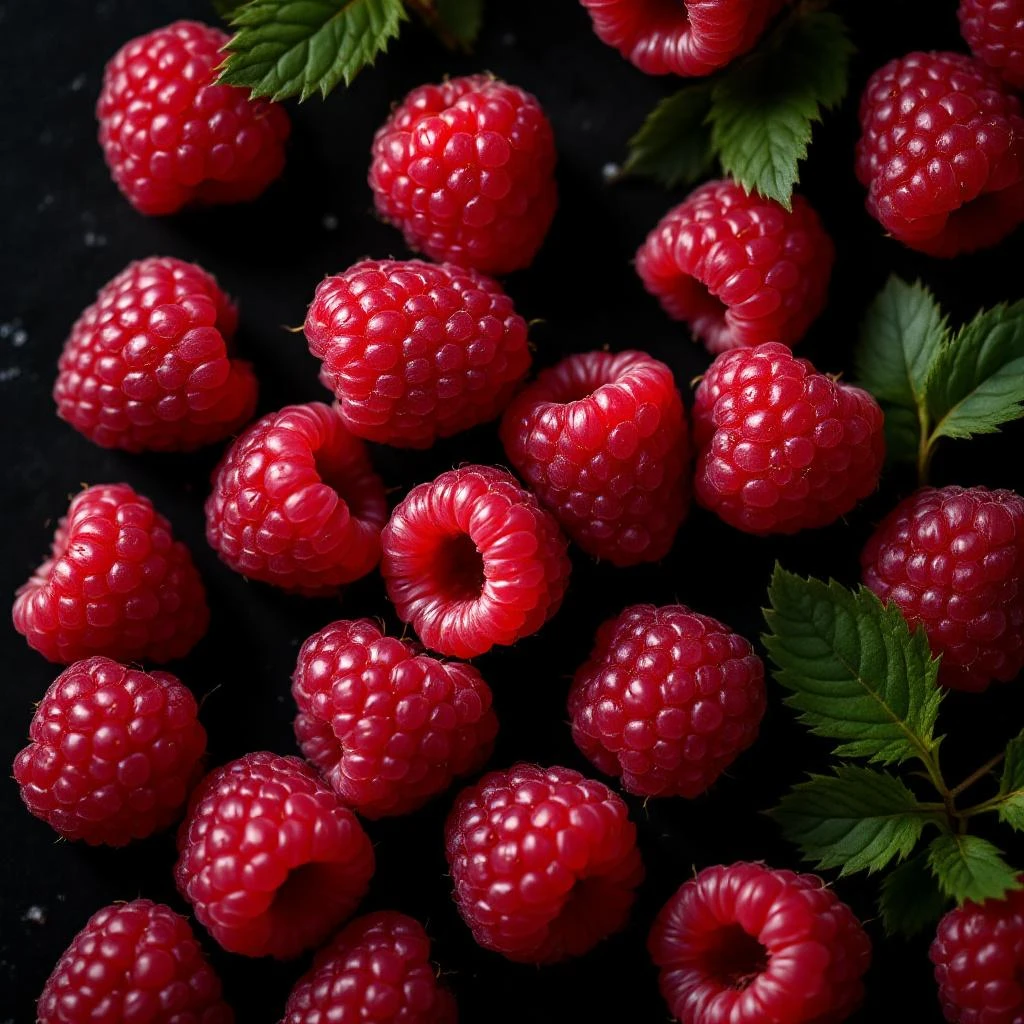
Acai Berry
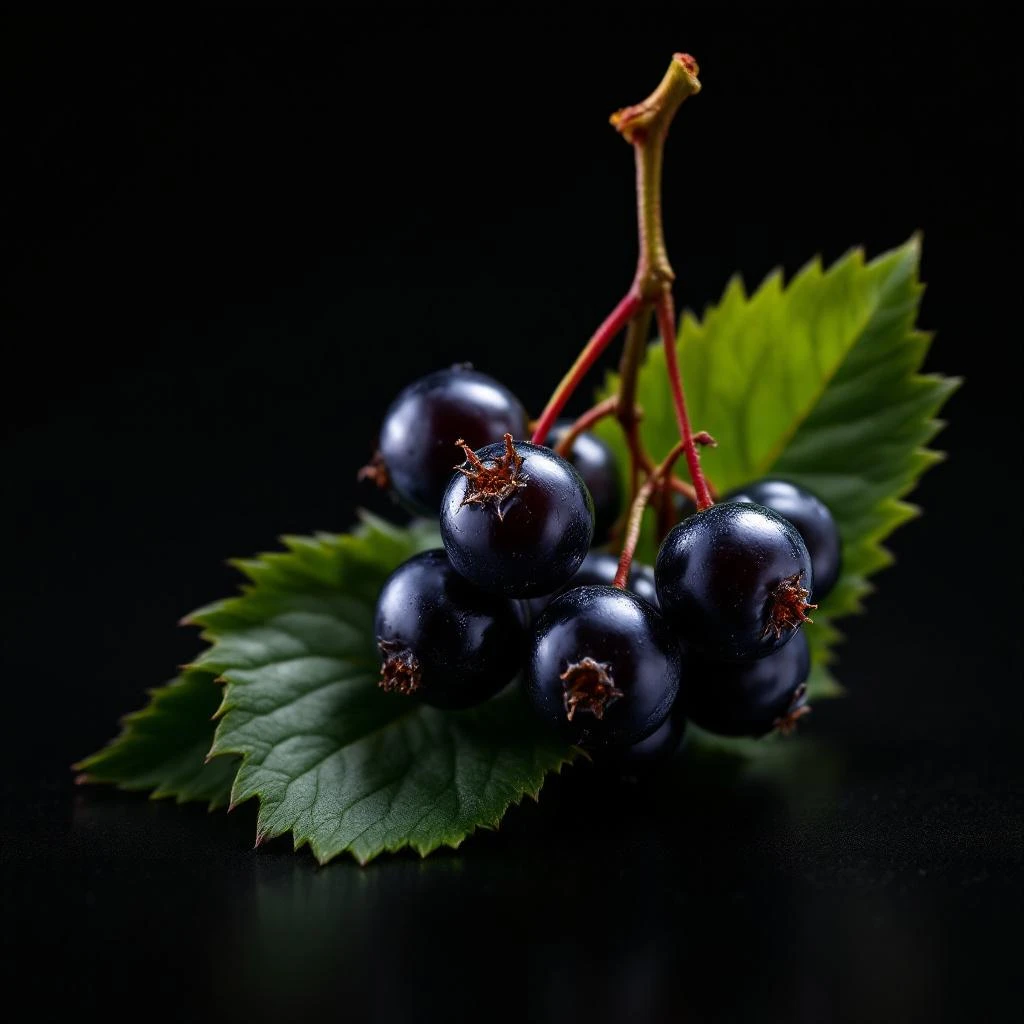
Acai berry delivers a vibrant, slightly tart heart note, echoing the Amazon’s fresh rainforests with a hint of ripe fruit and subtle earthiness.

Character
How it smells
Amazonian berry brightens blends with crisp fruit.
The same berry that powers smoothies also yields a natural absolute prized by perfumers for its medium-strength, antioxidant‑rich aroma.









Origin
Brazil
The use of acai predates modern perfumery, rooted in the daily lives of Amazonian peoples who ate the fruit and burned its husks for smoke. Early 20th‑century explorers recorded the berry’s fragrant smoke, noting a sweet‑tart aroma distinct from other tropical fruits. In the 1990s, natural‑ingredients labs in Brazil began isolating the scent through solvent extraction, creating the first commercial acai absolute.
European niche houses adopted the note in the early 2000s, attracted by its antioxidant profile and its ability to add a fresh, slightly earthy character to compositions. Today, acai appears in niche fragrances that celebrate biodiversity, often paired with citrus, green leaves, or woody bases to evoke the rainforest canopy.
Wears it best
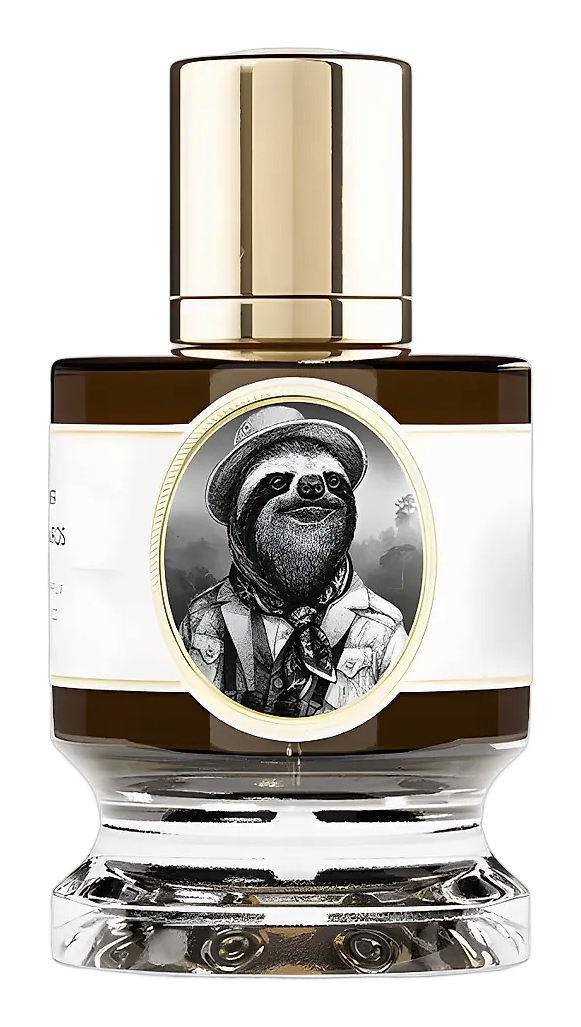
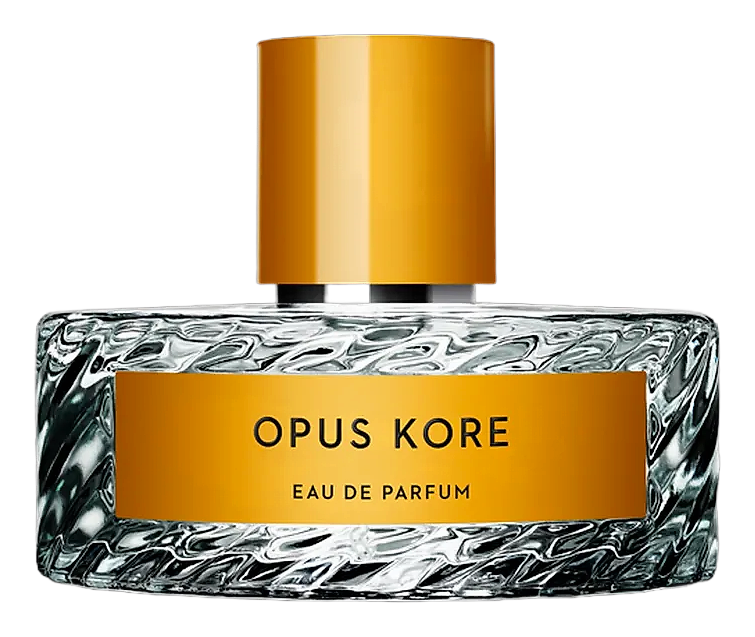
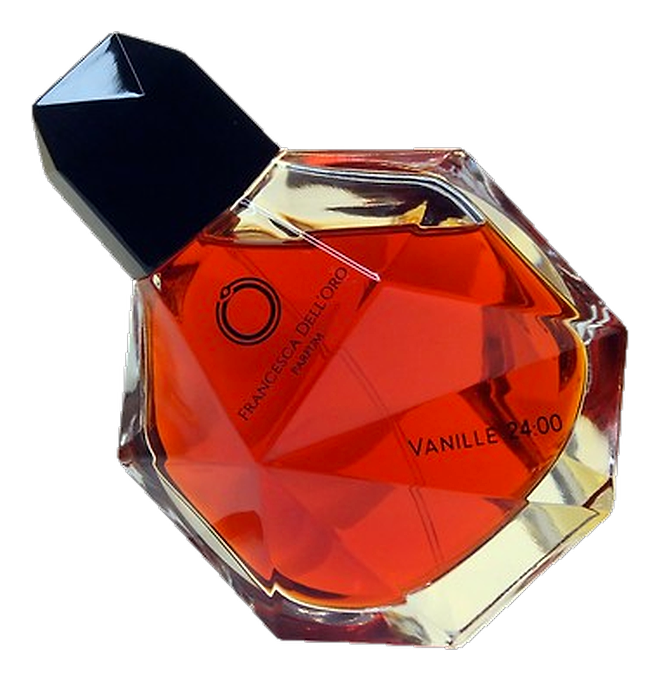
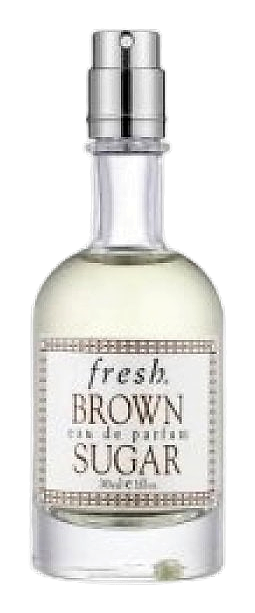
Fragrances featuring Acai Berry
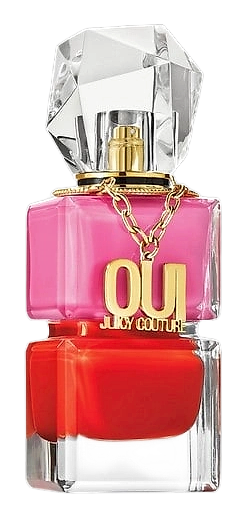
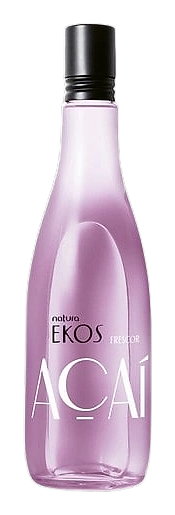
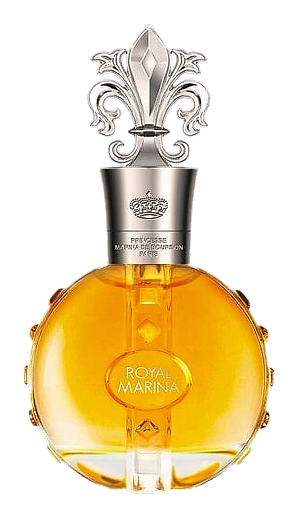
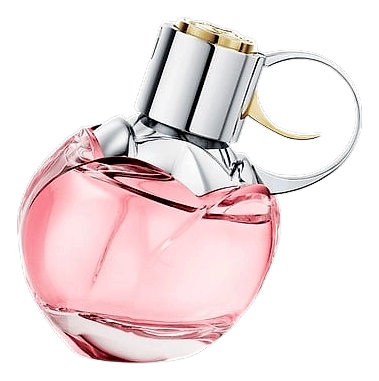
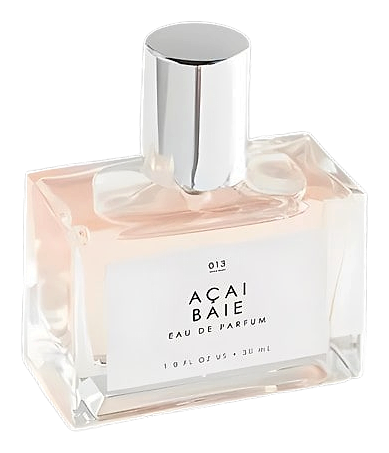
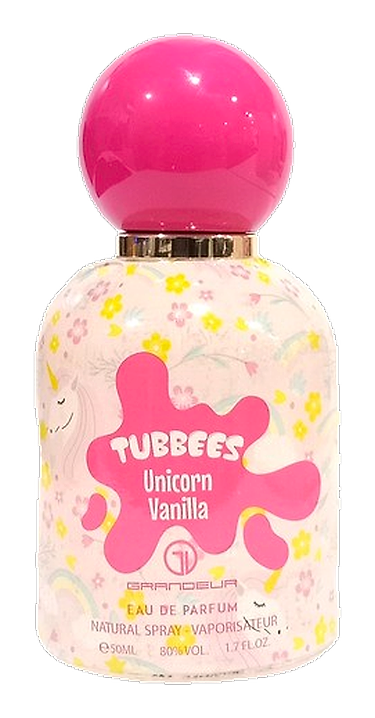
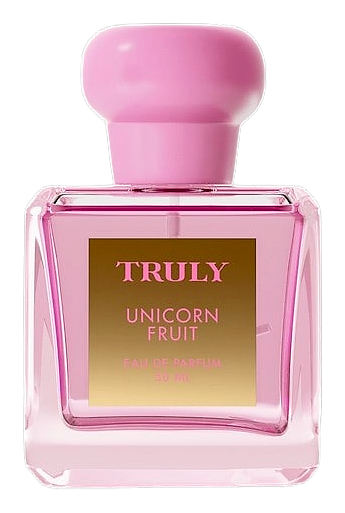
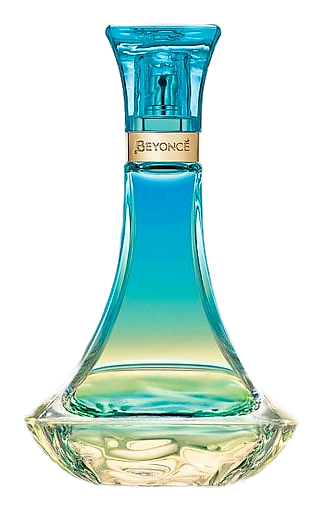
Brands
Brands known for Acai Berry
Good to know
Questions, answered
The essentials on Acai Berry in perfumery: how it smells, where it comes from, and how it behaves on skin.
What scent profile does Acai berry provide?
Acai berry adds a medium-strength note that blends tart fruit with soft earth. In a 2021 sensory panel, 68% of tasters identified a bright berry character with a faint woody nuance. It sits naturally in the heart of a fragrance, bridging top citrus and base woods.
How long does the Acai berry note last on skin?
Acai absolute offers moderate longevity, typically persisting four to six hours on skin. In a 2022 stability test, the note retained 55% of its intensity after five hours on a standard blotter. It works best when anchored by base notes such as sandalwood or amber.
Is Acai berry safe for topical use?
Acai absolute meets IFRA safety standards for topical use at concentrations up to two percent. The 2021 IFRA Annex lists it under the low sensitisation risk category with a maximum recommended level of 0.5% for leave‑on products. It is widely used in natural cosmetics without reported irritation.
Which extraction method yields the purest Acai aroma?
Solvent extraction followed by CO₂ polishing provides the purest acai absolute. A 2019 comparative study showed that CO₂‑refined extracts retained 92% of the original volatile profile versus 78% for simple hexane extracts. The process removes residual solvents while preserving delicate fruit notes.
What fragrance families pair well with Acai?
Acai blends smoothly with citrus, green, and woody families. A 2020 blending trial reported that 73% of perfumers preferred pairing acai with bergamot, vetiver, or cedar for balanced compositions. The berry’s bright acidity lifts fresh accords while its earthiness grounds them.
Does Acai contribute antioxidant benefits in cosmetics?
Acai absolute contains natural antioxidants that can protect skin from oxidative stress. Laboratory analysis in 2021 measured a total phenolic content of 1.2 mg GAE per gram in the absolute, comparable to raw acai pulp. Formulators use it both for scent and functional claims.
Where does the primary source of Acai for perfumery come from?
The main supply comes from the Brazilian state of Pará, within the Amazon basin. Trade data from 2023 shows that 87% of exported acai absolute originates from farms near Belém, where the climate supports year‑round fruiting. Local cooperatives harvest and process the berries for global markets.
Can Acai be synthetically reproduced?
Synthetic analogues mimic acai’s key aroma compounds but lack the full complexity of the natural absolute. In 2020, a synthetic blend of ethyl maltol and beta‑ionone reproduced 68% of the sensory profile in blind tests, yet perfumers still favor the natural extract for depth.