
The Story
Why it exists.
The beginning
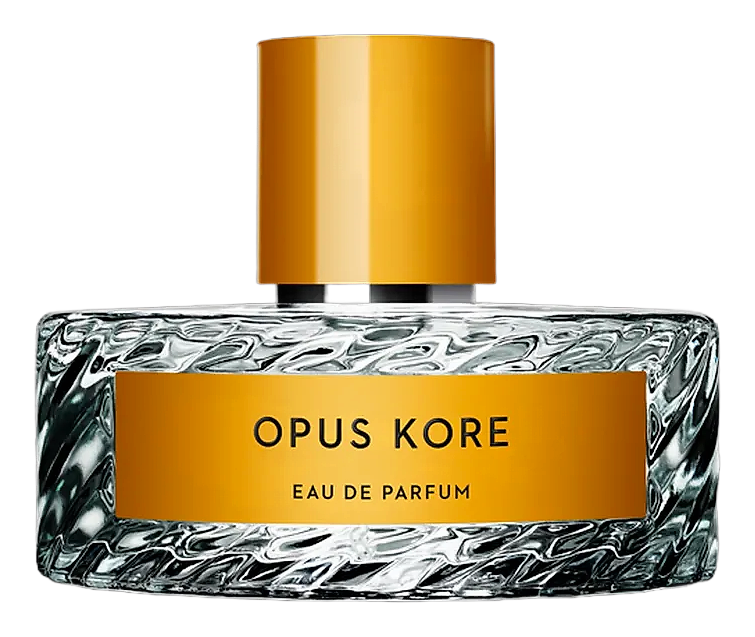
Vilhelm Parfumerie approaches fragrance as narrative architecture, building scents that tell stories without words. Founded in Paris in 2015, the house specializes in olfactory portraits of moments and emotions, imagined scenes that feel both specific and universal. For Opus Kore, the house turned to perfumer Jerome Epinette, whose technical precision has shaped some of the most interesting contemporary fragrances. The collaboration produced a scent that matches its mythological namesake, a composition that moves through phases like the seasons of a single story.
The note selection for Opus Kore reflects a philosophy of calculated contrast. Acai berry and lemon create an opening that is unapologetically bold, the kind of presence that announces arrival. The heart notes, raspberry bloom and magnolia, soften that initial statement while violet leaf adds complexity, a green edge that prevents the florals from becoming merely pretty. The drydown, built on musk, sandalwood, and amber, provides the warmth that makes the fragrance wearable for hours after the brighter notes have faded.
The evolution
The fragrance opens with the striking combination of acai berry and lemon, a pairing that feels both modern and unexpectedly natural. The acai brings its dark, slightly fermented fruit quality while the lemon cuts through with clean brightness. As the top notes fade over the first fifteen minutes, raspberry bloom emerges, its petals softening the initial aggression. Magnolia arrives to round the edges, its white floral cream providing contrast to the tart berry. Violet leaf adds an unexpected green note, slightly metallic and always present, the thread that connects the heart's departure to its arrival. By hour two, the drydown begins its slow arrival, musk first, then sandalwood, then amber, each building on the last in a pattern that mirrors the mythological Kore's endless cycle of leaving and returning.
Cultural impact
The fragrance occupies a distinct position in the modern floral-fruity landscape, balancing freshness with warmth in a way that makes it versatile without being neutral. Community response centers on its adaptability across occasions, with spring and summer receiving the most attention, and a clear preference for daytime wear. The mythology around the name gives it a narrative depth that sets it apart from purely aesthetic florals, even as the scent itself focuses on the experience rather than any explicit story.