

The Story
Why it exists.
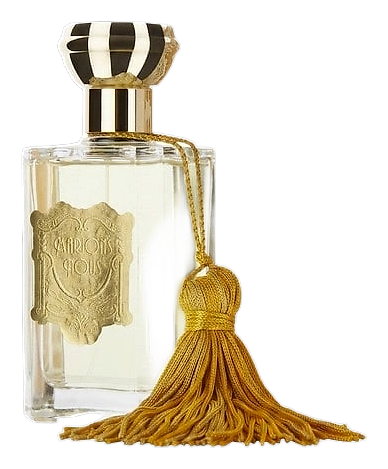
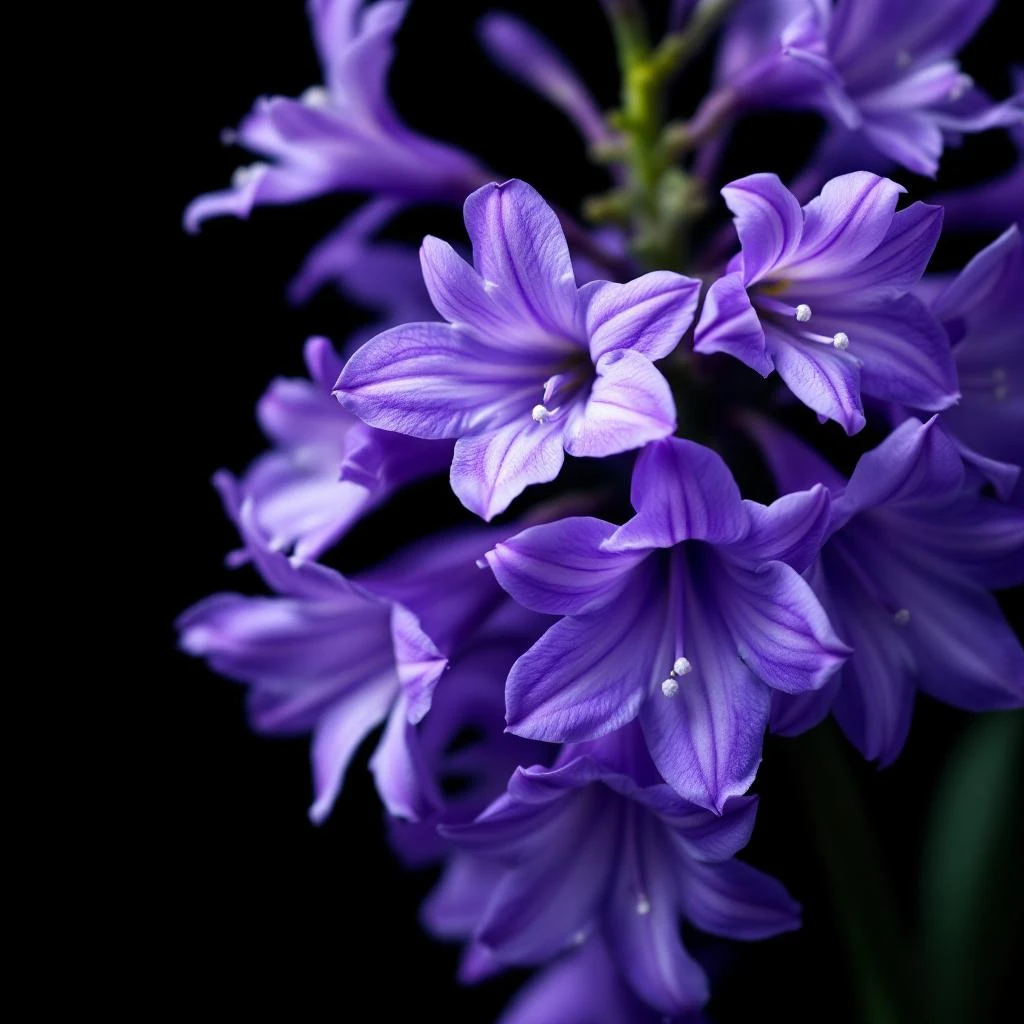
Marions-Nous was born from the cultural buzz of Germaine Acrement's 1927 novel Gai! Marions-Nous, a story that won the National Literature Prize and sparked a stage craze across Paris. The house seized the moment, translating the novel's playful declaration of marriage into a perfume that debuted in 1928. The aldehydic florals of hyacinth, jasmine, and rose captured the liberated spirit of the era, while the heart notes of carnation, iris, and ylang-ylang reflected the sophisticated tastes of Parisian theater-goers who flocked to see the stage adaptation.
If this were a song
Community picks
La Vie en Rose
Édith Piaf
The Beginning
Marions-Nous was born from the cultural buzz of Germaine Acrement's 1927 novel Gai! Marions-Nous, a story that won the National Literature Prize and sparked a stage craze across Paris. The house seized the moment, translating the novel's playful declaration of marriage into a perfume that debuted in 1928. The aldehydic florals of hyacinth, jasmine, and rose captured the liberated spirit of the era, while the heart notes of carnation, iris, and ylang-ylang reflected the sophisticated tastes of Parisian theater-goers who flocked to see the stage adaptation.
The note selection reflects a philosophy of contrasts: fresh against warm, sweet against animalic, powdery against green. Hyacinth brings the immediate impact, jasmine the depth, and rose the softness. In the heart, aldehydes serve as both preservative and transformer, keeping the florals fresh while adding vintage glamour. The base notes of civet, sandalwood, and tonka bean were chosen to create a drydown that rewards patience, revealing complexity that only time discloses. Each note serves a purpose in a composition that rewards the attentive wearer.
The Evolution
The scent journey begins with hyacinth leading the way, its distinctive green floralcy immediately recognizable and refreshingly sharp. Jasmine joins within moments, tempering the green notes with creamy warmth and a hint of indolic depth. Rose adds soft sweetness to complete the opening trio. As time progresses, aldehydes emerge to transform the bouquet, adding their characteristic waxy shimmer that elevates the composition into something almost effervescent. Carnation introduces subtle spice while iris contributes powdery elegance. Ylang-ylang weaves tropical creaminess through the heart. The final chapter belongs to civet, whose animalic warmth provides an Intimate, controversial drydown that Musk and sandalwood smooth into creamy comfort, with tonka bean adding sweet closure.
Cultural Impact
Since its 1928 debut, Marions‑Nous has been celebrated for marrying classic French floral elegance with a bold animalic base, earning a niche following among collectors who appreciate historic revivals that still feel fresh. Its influence extended beyond perfume circles, inspiring fashion designers in the 1930s to incorporate similar floral‑animal motifs into couture, and it continues to be referenced in contemporary scent‑pairing works hops as a benchmark for balanced longevity and projection.
The House
France · Est. 1720
Oriza L. Legrand traces its scent lineage back to Paris in 1720, when the perfumer known as Fargeon the Elder opened a shop in the Louvre’s central courtyard. The house supplied the French court, crafted fragrances for royal ceremonies and later expanded into a catalogue of scented accessories. After a quiet century, two modern entrepreneurs revived the name in 2012, re‑issuing historic formulas and adding contemporary creations such as Villa Lympia (2016). Today the brand balances archival research with a commitment to fresh raw materials, offering collectors a bridge between eighteenth‑century elegance and today’s refined taste.
If this were a song
Community picks
A delicate waltz of vintage romance with a subtle, lingering heat, echoing the perfume’s floral ceremony and animalic afterglow.
La Vie en Rose
Édith Piaf