
The Story
Why it exists.
Germaine Cellier had a talent for capturing a particular kind of woman in scent, not the one waiting to be chosen, but the one making the choice. Bandit, released in 1944, was her most uncompromising brief yet. Cellier built Bandit around a leather accord that smelled nothing like the powdery florals dominating the market. The white florals, gardenia, jasmine, ylang-ylang, provided a notable contrast to that leather base. What Cellier created was a fragrance that worked through contrast, combining cold aldehydic brightness with warm floral richness and deep animalic base notes. The name itself carried a certain attitude. A bandit operates on her own terms, taking what she needs. In 1944, that was enough to start a conversation that still resonates among those who know the fragrance.
If this were a song
Community picks
Kiss Them for Me
Siouxsie and the Banshees
The Beginning
Germaine Cellier had a talent for capturing a particular kind of woman in scent, not the one waiting to be chosen, but the one making the choice. Bandit, released in 1944, was her most uncompromising brief yet. Cellier built Bandit around a leather accord that smelled nothing like the powdery florals dominating the market. The white florals, gardenia, jasmine, ylang-ylang, provided a notable contrast to that leather base. What Cellier created was a fragrance that worked through contrast, combining cold aldehydic brightness with warm floral richness and deep animalic base notes. The name itself carried a certain attitude. A bandit operates on her own terms, taking what she needs. In 1944, that was enough to start a conversation that still resonates among those who know the fragrance.
What makes the Bandit Parfum composition distinctive isn't any single material, it's the structural argument between cold and warm. The aldehydes open with a sharp, almost metallic cleanliness. Bergamot adds a bitter-citrus edge. Galbanum contributes a green cut that feels almost herbal, almost medicinal. The white florals, gardenia, neroli, ylang-ylang, arrive as warmth that exists alongside the sharpness. The combination creates an interplay between the crisp top notes and the creamy floral heart.
The Evolution
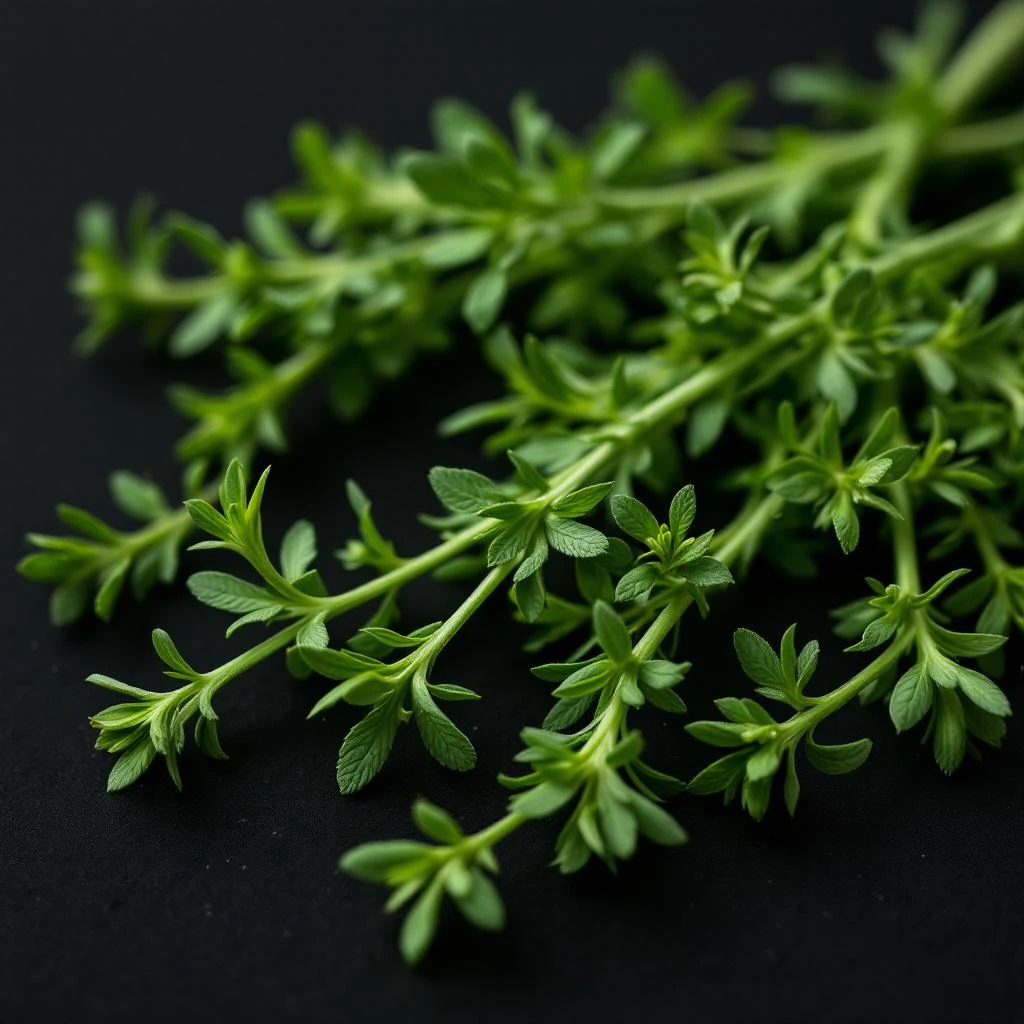
The aldehydes hit first. That cold, bright metallic crack arrives on skin like frost forming on glass. The galbanum and tarragon arrive alongside, green and herbal, cutting through the aldehydic brightness with something almost bitter. This opening is the fragrance establishing its character. Then, around the thirty-minute mark, the hand-off. The coldness recedes without disappearing, it remains present in the background. The white florals rise. Gardenia brings its creaminess. Jasmine adds its depth. Carnation contributes its spice. The florals interact with the leather, creating a layered complexity rather than softening it. Three to four hours in, the drydown asserts itself fully. The leather accord deepens. Civet brings its animalic edge, warm and assertive. Oakmoss and patchouli anchor everything, providing the mossy foundation that defines the chypre structure.
Cultural Impact
Bandit arrived in 1944 with a distinctive character. Its leather-and-smoke character stood out among perfumes of the era. The fragrance earned its place alongside Caron Tabac Blond and Chanel Cuir de Russie as one of the most daring perfumes of its time. Bandit introduced a bold, modern scent language to the Piguet line that still informs the house today. The combination of aldehydic coldness, white florals, leather, and animalic depth created something that pushed boundaries in postwar perfumery, offering an alternative to the softer florals that dominated the market at the time.
The House
France · Est. 1933
Robert Piguet began as a Parisian couture house in the early 1930s and has since become a reference point for niche fragrance lovers. The brand’s early perfume, Bandit (1944), introduced a bold, modern scent language that still informs its collections. Today the house offers a curated line of scents such as Fracas Platinum, Knightsbridge and V Gold, each presented in sleek, French‑made bottles. Robert Piguet balances a heritage of runway drama with a quiet confidence in olfactory craftsmanship, making it a steady choice for collectors who value history and quality.
If this were a song
Community picks
Bandit sounds like the opening minutes of a film noir, cold light through venetian blinds, something about to happen. The tension between sharp and warm, between metal and skin, between what you announce and what stays close. Germaine Cellier built this fragrance the way a jazz pianist builds a set: the cold chord first, then the melody that justifies it.
Kiss Them for Me
Siouxsie and the Banshees