The Story
Why it exists.
The beginning
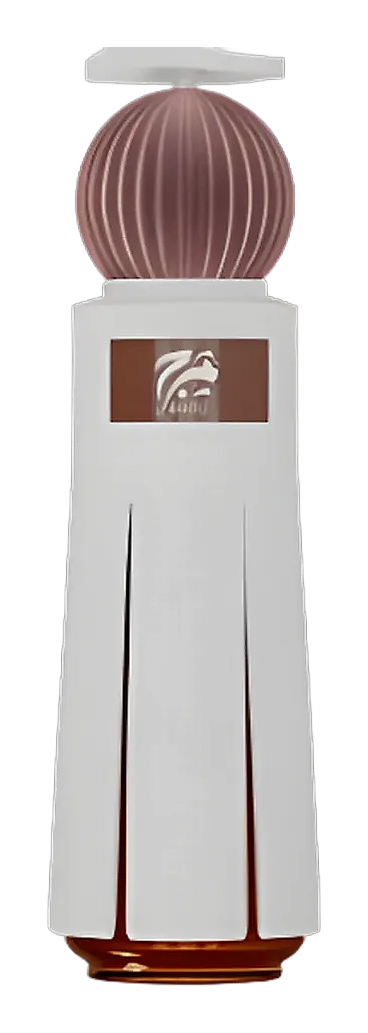
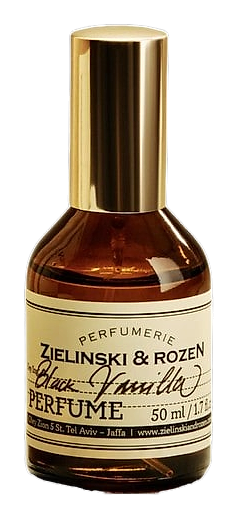
Black Vanilla comes from Erez Rozen, a perfumer with a background rooted in working closely with raw aromatic materials. Rozen set out to build a vanilla that doesn't behave like one. The goal was to challenge the stereotype of vanilla as something soft, sweet, and uncomplicated, and replace it with something weighted, spiced, and more grown in feeling. The result reads as Oriental Vanilla in structure, but the personality is darker, drier, closer to the texture of vanilla pods curing in shade than the ice cream they eventually become. It's a vanilla with gravity, pulled away from confectionery and pushed toward something more resinous and architectural.
What's interesting here is how little the composition actually uses. Two core materials, vanilla and spice, arranged against each other like a conversation between equals, not a pyramid with a clear ranking. Black Vanilla skips most of the usual scaffolding that vanilla fragrances tend to lean on. The spice does structural work that sugar and syrup usually handle in other compositions. The vanilla still reads clearly, still recognizable, still warm, but it's the warmth of something toasted, not melted.
The evolution
The opening introduces both the spice and the vanilla in close succession, each pulling attention in its own direction before the composition finds a steady center. There's an immediacy to the first moments that gives way to something rounder as minutes pass. The middle stretch settles into a creamy, balsamic vanilla register, the kind of sweetness that holds its shape rather than dissolving into something overtly confectionery. The spice threads through the sweetness throughout this phase, keeping the composition from tipping into dessert territory. As the hours pass, the composition gradually softens, pulling closer to the skin and taking on a quieter, more intimate character. The spice fades more quickly than the sweetness, leaving the vanilla to carry the later stages on its own.
Cultural impact
Black Vanilla occupies an unusual position in the vanilla fragrance space. It addresses the category directly but refuses to operate on the terms that most vanilla fragrances rely on. The reviews reflect that choice clearly. Wearers expecting a traditional sweet vanilla sometimes move on, while those drawn to vanilla with more structure and dryness tend to return to it. The 'wear alone or layered' framing suggests the house sees it as a versatile piece, something that can stand on its own or sit comfortably next to other fragrances in a collection.
The House
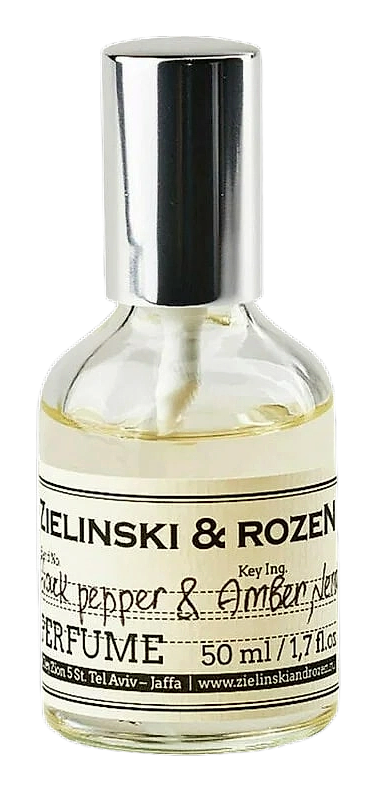
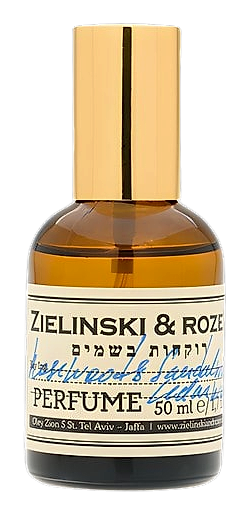
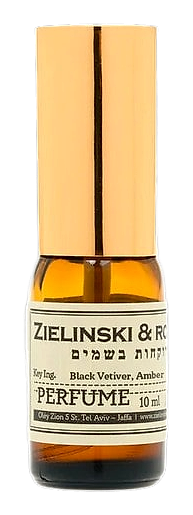
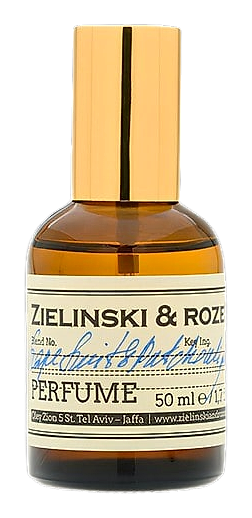
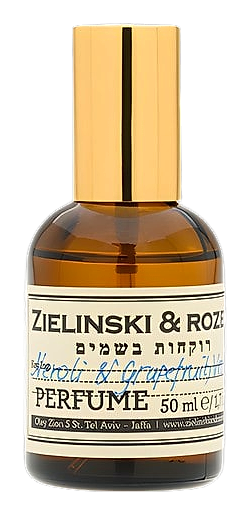
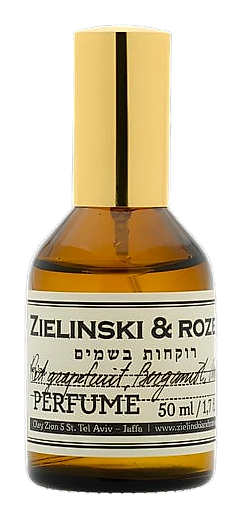
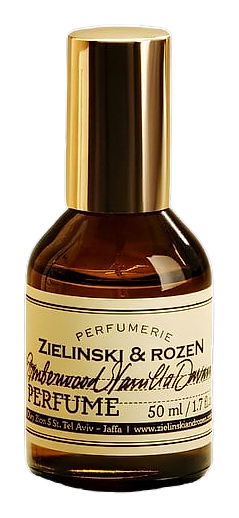
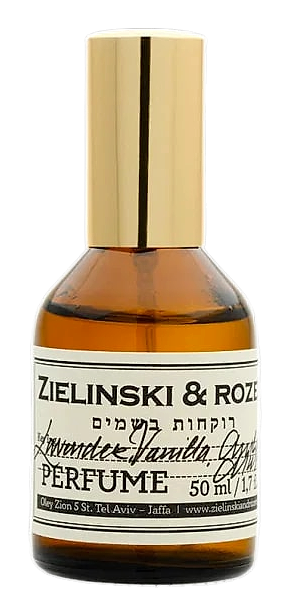
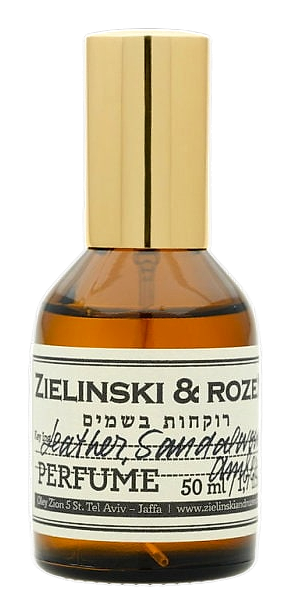
Zielinski & RozenZielinski & Rozen stands as one of the oldest continuously operating perfume houses in the Middle East, tracing its roots to 1905 when the Zielinski family established their atelier in the ancient stone streets of Old Jaffa. Erez Rozen, the great-grandson of the original founder, now directs the house from Tel Aviv, carrying forward a philosophy rooted in natural materials, artisanal craftsmanship, and olfactory storytelling. Each fragrance in their collection is designed as a unisex bridge between heritage and individual expression, capturing personal memories and sensory moments. In 2025, the house released its first trilogy of fragrances, a landmark in the brand's history where each scent represents a distinct memory and chapter of experience.
The Creator
Erez RozenRozen's style resists easy classification. He draws on historical formulas and reimagines them with contemporary weight, favoring compositions that unfold slowly and reveal new dimensions over wear time.