The Story
Why it exists.
The beginning
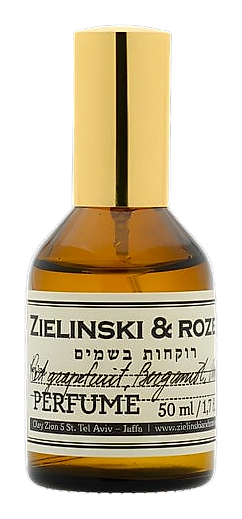
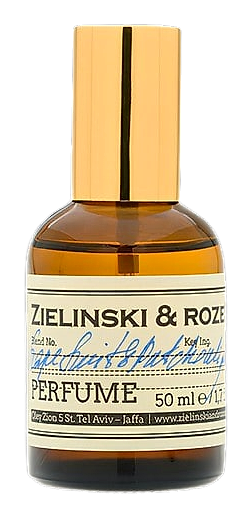
Luisa strips perfumery back to three materials, a choice that takes real nerve in a market that rewards complexity. Erez Rozen built this around a single tension: bright citrus against dry patchouli, with lemon verbena bridging them in a way that feels unhurried, almost meditative. The name carries Levantine warmth without becoming a caricature of Mediterranean nostalgia. It's a study in restraint, and restraint is harder to pull off than abundance.
What makes Luisa unusual isn't the note selection, grapefruit and patchouli have shared a pyramid before. It's the proportion. Here, grapefruit doesn't arrive and vanish. It waits for verbena to soften the edges, then lets patchouli pull everything earthward without losing the citrus thread entirely. The composition moves like a conversation with a pause before the last word. That pause is where this fragrance lives.
The evolution
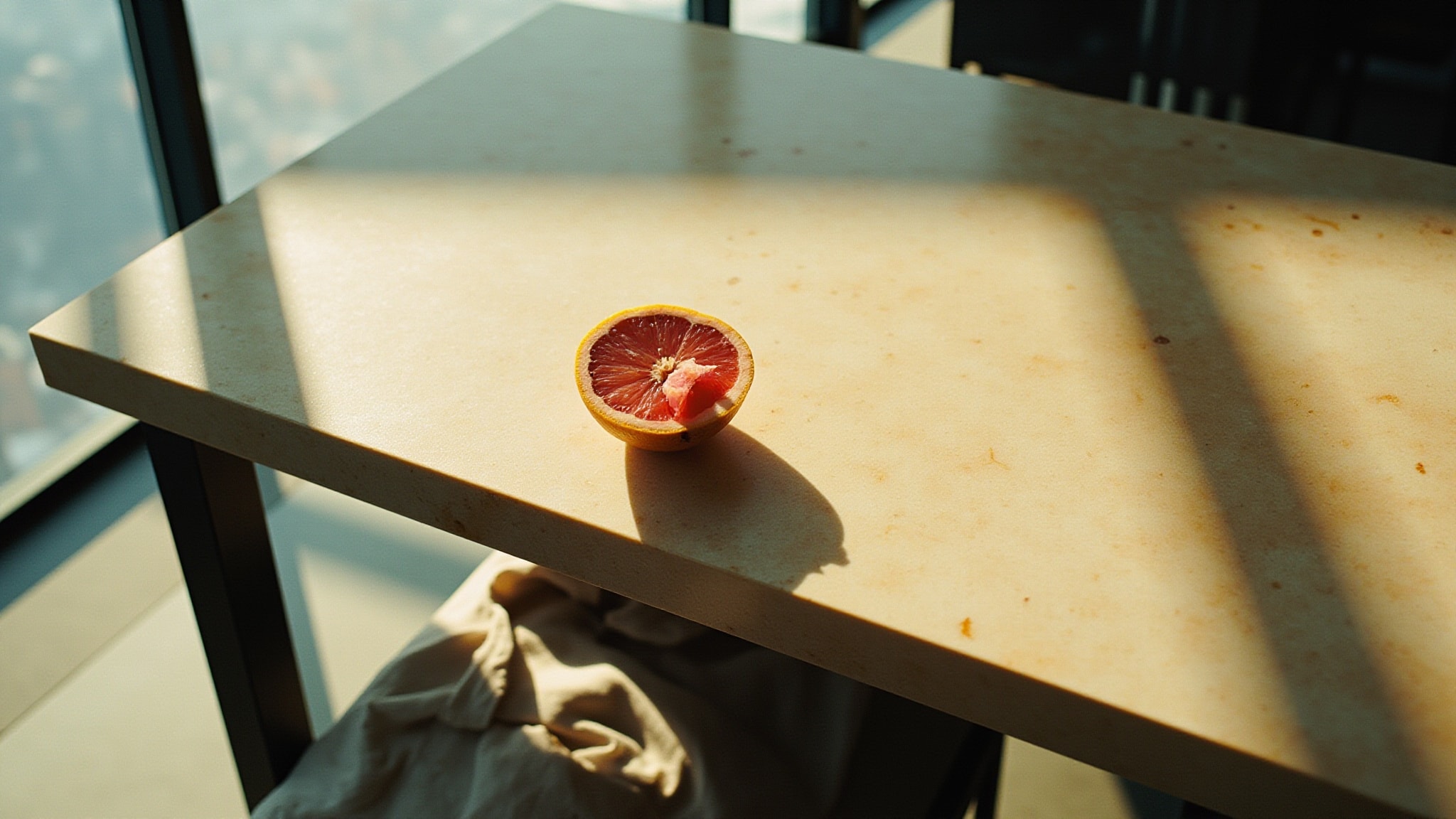
The grapefruit opens like a sharp exhale, bright, clean, immediate. No sweetness. Just the bitterness you want at 8am before the world has opinions. Within minutes, lemon verbena slides in. It doesn't compete. It bridges. The sharp edge rounds into something herbal and almost green, though never leafy or aquatic. Then the patchouli arrives. Not the heady, chocolate-patchouli of darker fragrances, this is lean, dry, almost mineral. It pulls the whole composition toward earth without weight. The drydown lasts well past what you'd expect from a citrus opener. On fabric, it lingers overnight. The next morning, there's a ghost of verbena still there, faint and clean.
Cultural impact
Luisa occupies an unusual position in the niche fragrance landscape, a three-note composition that doesn't hide behind complexity. For collectors tired of overcrowded pyramids, this kind of restraint reads as confidence. It's become a quiet favorite among those who appreciate that minimalism takes more nerve than abundance.