Erez Rozen
Erez Rozen was born in Tel Aviv to Polish parents from Pułtusk and Łańcut. At twenty, he made a discovery that rewired his future: his great-grandfather had built an artisanal perfumery in Poland in 1905. Rather than simply inheriting a family tradition, Rozen built one from scratch, studying what remained of those early formulas and constructing his own mastery through years of solitary study and experimentation. He now runs Zielinski & Rozen alongside his wife, Lea Rozen, and has transformed those dormant early fragrances into a contemporary project that honors the original spirit while speaking to modern sensibilities. Rozen describes himself as a perfume alchemist and ideologist, and those terms reflect his belief that fragrance operates on a deeper register than aesthetics alone. His Tel Aviv origins and Polish heritage both inform his work, and he treats the house not as a brand but as a living archive he continues to write.
The hits
Notable creations
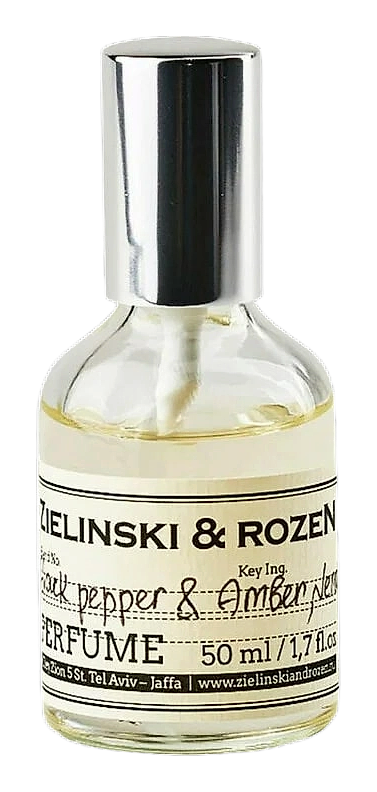

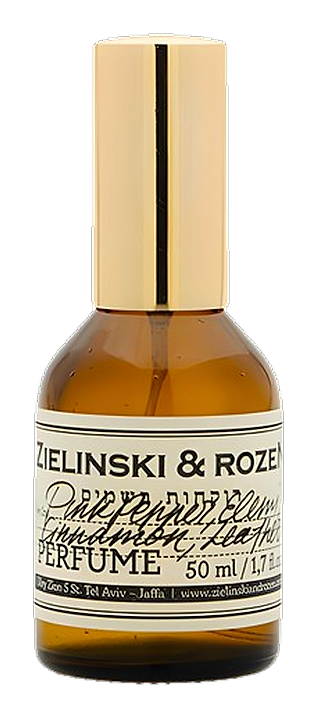


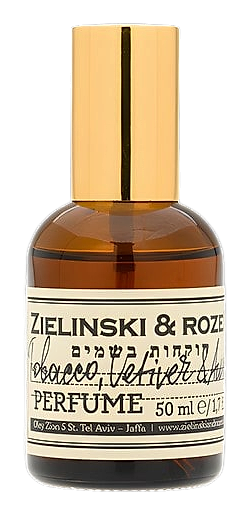
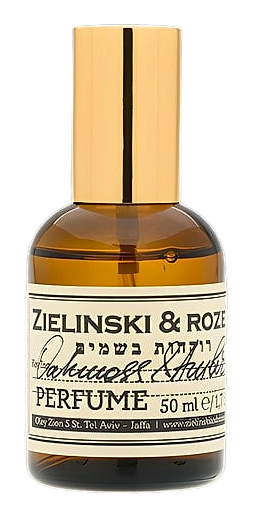
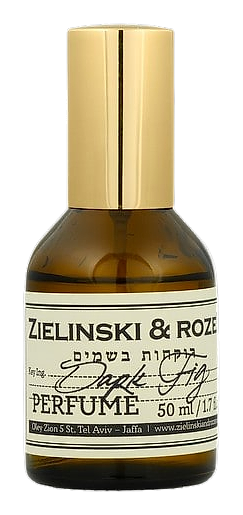


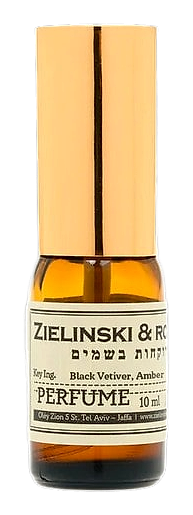
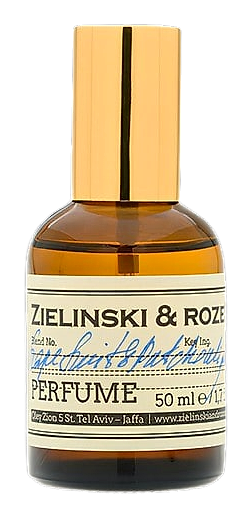
The signature
How Erez composes
Rozen's style resists easy classification. He draws on historical formulas and reimagines them with contemporary weight, favoring compositions that unfold slowly and reveal new dimensions over wear time. His work tends toward layered, resinous structures with a narrative quality, where each fragrance carries the memory of something prior. He values density and complexity, and his materials show clear Eastern European and Mediterranean influences, reflecting both his heritage and the original house character. Rather than prioritizing immediate projection or fleeting top notes, he builds perfumes that function as long-form experiences. His approach is methodical and intentional, almost literary in its concern for structure and meaning.
Philosophy
What drives Erez
Rozen has said he wanted to look at perfume not as a beautiful scent or a collection of materials but as something that functions as a vehicle for the soul. That conviction shapes everything he does. He treats each fragrance as a memory, a chapter in a larger story he is constructing, and he resists the impulse to chase trends or market demands. His philosophy centers on authenticity and longevity, on creating work that carries meaning rather than simply smelling pleasant. He has built his practice around the idea that a perfume should function as a narrative object, something that holds time and place within it, something the wearer can return to as a way of accessing a particular moment or state of being. This places him closer to a writer or composer than a conventional commercial perfumer.
The houses