The Story
Why it exists.
The beginning
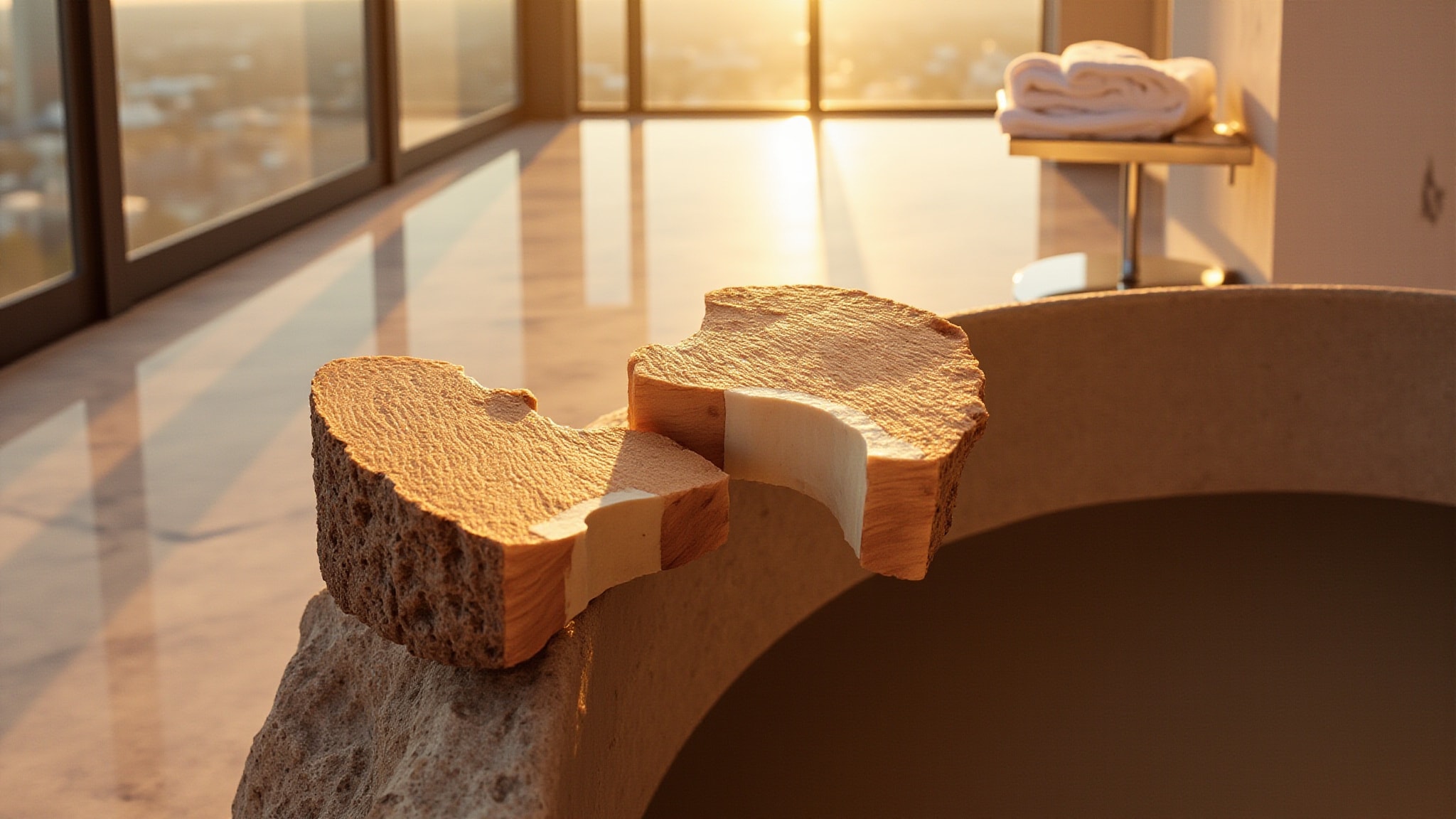
Erez Rozen built this around a single tension: how do you make wood feel tender without losing its structure? The answer was three woods, each doing something different. Palisander rosewood opens with an aromatic brightness, a ghost of florality that doesn't announce itself. Cedar takes the middle, dry and certain. Sandalwood anchors everything underneath with warmth that stays close. The name says it plainly: Rosewood, Sandalwood, Cedarwood. Not a concept. A structure.
Most woody fragrances lean on one dominant note. This one doesn't. The pyramid here isn't a single pillar with support, it's three woods working in sequence, each one taking something from the one before. Palisander rosewood brings the unusual: that faint rose-oil quality some reviewers mention, the botanical brightness that keeps the opening from feeling purely structural. Cedar arrives next, shifting the register from aromatic to dry. Then sandalwood softens everything, adding the warmth that reads as vanilla or tobacco in some impressions, not because those materials are present, but because sandalwood creates that impression when it settles into skin.
The evolution
The opening is quick and specific: rosewood announces itself, that faint rose-oil character arriving clean. The cedar follows within minutes, shifting the texture from aromatic to dry. For the next two to three hours, sandalwood takes over, warm, creamy, sitting close to skin. The sweet impression some reviewers mention builds here, that vanilla-tobacco ghost without either material present. By hour four, the sillage drops to intimate. By hour six, you're catching it only when you move. The next morning? Faint warmth on fabric. Nothing loud. Just the memory of soft wood.
Cultural impact
Rosewood & Sandalwood, Cedarwood arrived in 2020 as a deliberate response to the layered complexity that dominated niche perfumery. By stripping away auxiliary notes and modifiers, Zielinski & Rozen challenged the assumption that richness requires complexity. This minimal approach found its audience in a cultural moment when transparency became prized: fragrance lovers wanted to understand exactly what they were wearing, and a label listing only three materials offered that clarity. The house, tracing its lineage to 1905, positioned this not as innovation but as a return to fundamentals, using wood notes as a bridge between heritage craftsmanship and contemporary tastes for authenticity and material honesty.