
The Story
Why it exists.
The beginning
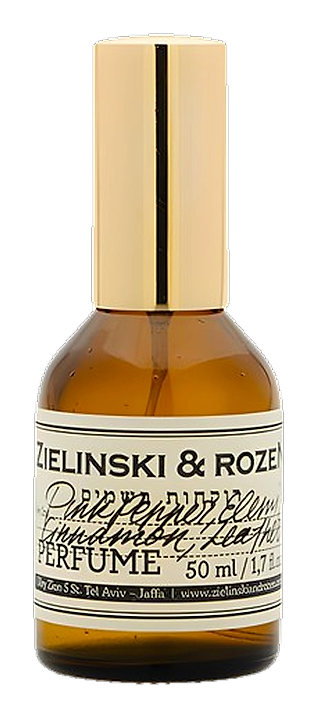
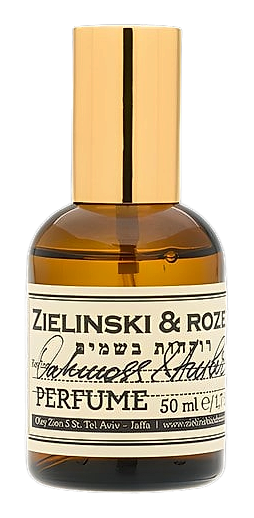
The composition belongs to Zielinski & Rozen, a house shaped by generations of involvement in the raw materials trade. The founders built their practice among spice merchants and herbalists, working directly with materials that were traded and grown rather than synthesized. That proximity to raw aromatics shaped a house philosophy that treats fragrance as craft before marketing. Each scent in the collection is composed with attention to the way natural ingredients behave on their own terms, allowing the materials to lead the structure rather than imposing a synthetic blueprint. The house operates from Tel Aviv, where the current generation continues the original line of work that began among working perfumers with direct access to botanical sources.
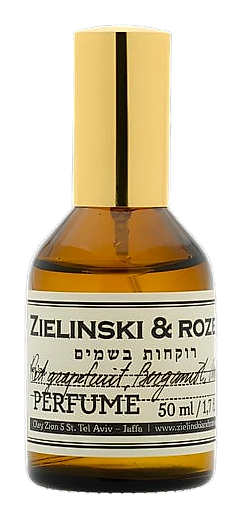
What makes this one interesting is the structural choice. The vetiver is treated as a co-equal pillar rather than a footnote, given room to anchor the composition from the early stages onward. The grapefruit adds a second layer of bitterness that sharpens the neroli's honeyed sweetness, while the vetiver's smoky, rooty edge prevents the whole composition from evaporating into something purely shower-fresh. Each ingredient pulls weight, and the balance between the three notes stays in play through the wear rather than collapsing into a single dominant voice.
The evolution
The opening belongs to grapefruit. Not the sweet pink fruit, but the white pith, the bitter membrane, the sharp spray of zest that catches the back of your throat. Neroli arrives as the initial sharpness begins to settle, threading through the citrus with its orange-flower softness, adding a waxy, almost soapy dimension that rounds the sharpness without dulling it. Once the composition settles into a recognizable shape, the grapefruit recedes into a memory, the supporting note rather than the headline. The vetiver deepens progressively from there, its earthy, slightly smoky character becoming more prominent as the citrus pulls back. On skin, the vetiver's rooty warmth stays close through the drydown, anchoring the composition as the brighter notes fade.
Cultural impact
This is a citrus composition that asks the zest to do more than sparkle for the first hour and disappear. The grapefruit opens with the sharp spray of bitter pith and white membrane, the kind of citrus that catches the back of your throat rather than reading as a sweet fruit note. Neroli threads in shortly after, adding a waxy, almost soapy orange-flower softness that rounds the sharpness without dulling it. The vetiver's structural role gives the composition a drier, more rooted character than a typical bright citrus would offer on its own.
The House
Zielinski & RozenZielinski & Rozen stands as one of the oldest continuously operating perfume houses in the Middle East, tracing its roots to 1905 when the Zielinski family established their atelier in the ancient stone streets of Old Jaffa. Erez Rozen, the great-grandson of the original founder, now directs the house from Tel Aviv, carrying forward a philosophy rooted in natural materials, artisanal craftsmanship, and olfactory storytelling. Each fragrance in their collection is designed as a unisex bridge between heritage and individual expression, capturing personal memories and sensory moments. In 2025, the house released its first trilogy of fragrances, a landmark in the brand's history where each scent represents a distinct memory and chapter of experience.
The Creator
Erez RozenRozen's style resists easy classification. He draws on historical formulas and reimagines them with contemporary weight, favoring compositions that unfold slowly and reveal new dimensions over wear time.