
The Story
Why it exists.
The beginning
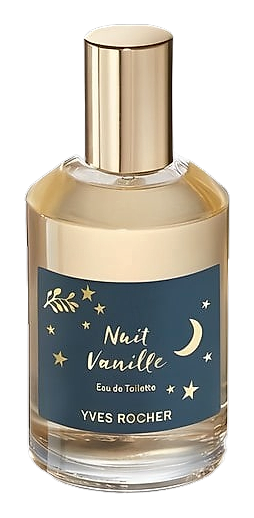
A fragrance named for night that refuses to play dark. Yves Rocher's 2018 limited release, Nuit Vanille, works through an interesting contradiction: the name promises something wicked, something you shouldn't wear alone. Instead, what arrives is warmth. The house found itself drawn to vanilla not as a seduction tool, but as a lullaby. It found comfort in the idea that sweetness could exist without announcement, that a night-bright name could carry something soft and unhurried, like a slow exhale before sleep.
The structure leans gourmand but refuses to overwhelm. Orange blossom and rose at the center create a soft middle act, while cedar and cloves anchor the base with just enough structure to keep the sweetness from cloying. It's the difference between eating caramel straight from the jar and having it folded into something with actual depth. For a mass-market French botanical brand, this balance represents a real commitment to wearable complexity.
The evolution
Bergamot opens the door, bright and citrus-forward, already warmer than expected. Within minutes, the orange blossom surges upward and the florals take over, jasmine, then rose threading through like a voice that knows when to stop talking. The drydown is where Nuit Vanille earns its name. Vanilla and caramel don't arrive with fanfare. They settle. Quietly, then completely. The cloves keep everything honest. Cedar keeps it grounded. As hours pass, you're left with skin that smells like you've been somewhere warm, the kind of lingering comfort that makes you wonder where the time went.
Cultural impact
Nuit Vanille occupies a specific space: warmth without assertion. For those drawn to vanilla but wary of the heavy or synthetic, this 2018 limited release offers something rare, sweetness that doesn't demand attention. The fragrance presents the vanilla note in a way that feels earned rather than imposed, approachable yet distinctive. It appeals to those who want the comfort of the note without feeling enveloped by it, a quiet counterpoint that invites discovery rather than announcing itself.